

.webp)

 Mathan Allington


Predictive hiring software: how to stop guessing and start deciding
 Mathan Allington
What predictive hiring software is, how it cuts bad hires and turnover, and how behavioural data makes hiring decisions you can defend.

Last reviewed August 2026
Unbiased hiring (or unbiased recruitment) is the practice of removing conscious and unconscious prejudice from the hiring process so that candidates are judged only on their ability to do the role. It replaces gut feel with defined criteria, the same questions for everyone and evidence you can point to, which is also why it improves hiring accuracy: the things bias rewards are rarely the things that predict performance.
Unbiased hiring does not mean pretending recruiters have no instincts. It means designing the process so instincts are not the deciding factor. In practice that looks like four things: role requirements written down before the search starts, screening that hides information unrelated to the job, interviews where every candidate faces the same questions scored against the same rubric, and a decision made on the scores rather than on who the panel warmed to.
The reason it matters commercially is that a biased process is also an inaccurate one. Affinity bias favours people who feel familiar. Familiarity is not a predictor of performance, so every time it tips a decision, the odds of a wrong hire go up. A fairer process and a more accurate process are the same project.
We all like to think we are objective judges of character, but the reality is that our brains take shortcuts. When you meet a candidate for the first time, you likely form an opinion within seconds. This is often driven by affinity bias, the natural tendency to favour people who share similar backgrounds, interests or communication styles to our own. Those instincts served us well once and now they produce homogenous teams and missed opportunities.
The traditional process leans heavily on the resume, which is essentially a document of privilege and formatting skill rather than a true indicator of future performance. When we focus on which university someone attended or whether they have a familiar-sounding name, we inadvertently filter out qualified people. The same types of people get hired into the same types of roles, and the talent pool shrinks. Bias then compounds at every stage: the job ad that only some people feel invited to answer, the seven-second CV scan, the unstructured "chat" interview that rewards confident talkers, and the debrief where whoever speaks loudest sets the verdict.
Unbiased recruitment is a strategic decision as much as an ethical one. Diverse teams are consistently better at solving complex problems and adapting to change. To capture that, we need to move away from "culture fit" as a vague feeling and define what fit actually looks like through measurable criteria. Doing so protects the business from the cost of turnover and the stagnation that comes with groupthink.
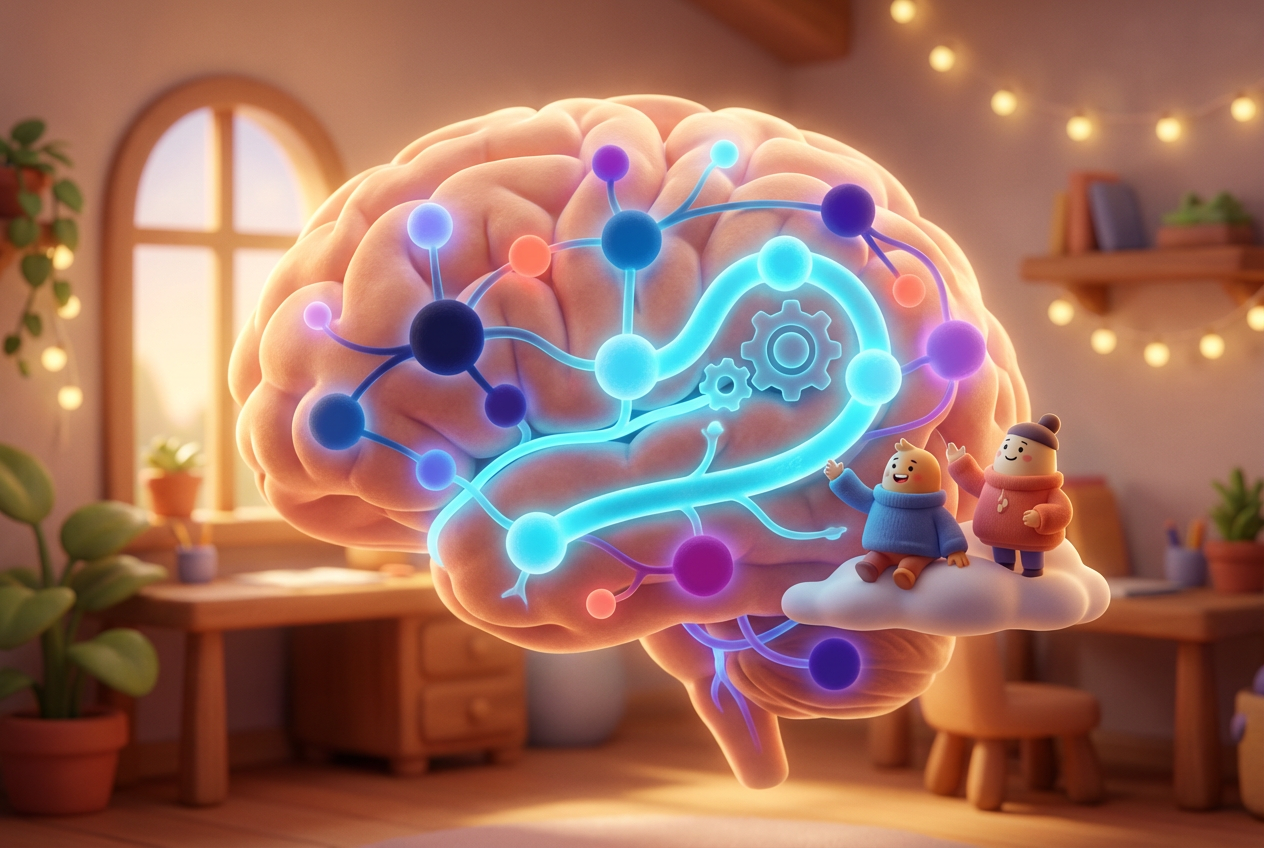
1. Define objective criteria before the search begins. If you start a search without a clear, documented set of requirements, you leave the door wide open for bias. We often see hiring managers add "nice-to-have" traits midway through, which usually match the personality of the most recent successful candidate. Moving the goalposts makes fair comparison impossible. Start by defining the specific work activities the role requires. Is the person expected to be a visionary leader or a meticulous detail-checker? At Compono, we help leaders identify these needs through the eight types of work every high-performing team covers, mapped to the eight work personalities: Doer, Auditor, Helper, Advisor, Pioneer, Campaigner, Evaluator and Coordinator. When you know which work personality the role needs, you can screen for those traits rather than relying on a vague sense of likability.
2. Audit the job description. Words like "ninja", "rockstar" or "assertive" can subtly discourage some people from applying. Neutral language invites the widest range of talent. Run your ad through the free gender decoder before it goes live; it flags the coded words most people do not notice they are using.
3. Screen on the job, not the biography. Manual resume screening is where some of the biggest biases occur, as tired recruiters spend seconds on a profile before a snap judgment. Blind screening (removing names, ages, gender and school names) or an assessment-led first stage means the initial cut is based on what the person can do.
4. Use structured interviews. The traditional chat-style interview is one of the least effective predictors of job performance. It rewards rapport, and rapport does not make someone a great engineer, accountant or strategist. In a structured interview every candidate is asked the same questions in the same order, and answers are scored against a pre-determined rubric. Interviewers focus on the evidence in the answer rather than the charisma around it.
5. Add work samples. Asking a developer to fix a bug or a copywriter to draft a headline gives you a tangible data point that is far more useful than hearing them describe past achievements. Work samples also level the field for introverts, people from different cultural backgrounds and those with non-traditional career paths.
6. Decide on the scores. Instead of debating who "felt" like a better fit, look at the rubric and see who demonstrated the required competencies. That transparency builds trust in the panel and means every new hire has visibly earned their place.
Hiring accuracy is simply how often the person you hire turns out to be the person you needed. Every bias in the process lowers it, because bias substitutes an irrelevant signal (familiarity, confidence, a prestigious logo on the CV) for a relevant one. Removing those signals is only half the job; the other half is replacing them with signals that do predict performance.
The strongest of those are how the person actually works and how well their natural preferences match the role and the team. That is why "unbiased" and "accurate" belong in the same sentence: the same structured, evidence-led process that strips out prejudice is also the one that captures the data which predicts a good hire. If you want to see what an inaccurate process costs, our piece on why so many hires fail traces most failures back to fit rather than skill.
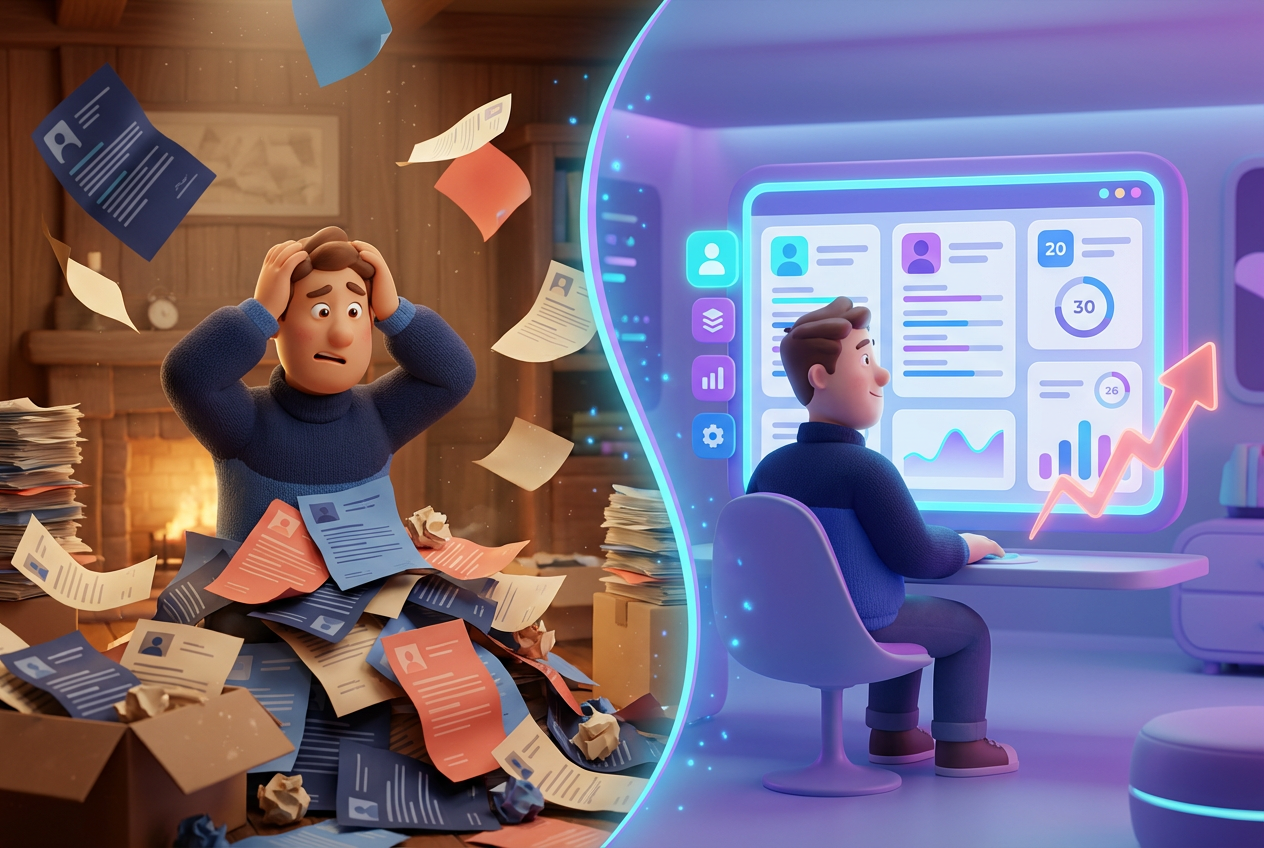
Technology is a useful equaliser when it standardises what humans were doing inconsistently. Compono Hire assesses candidates across three dimensions: Organisation Fit, Skills and Qualifications. By ranking every applicant against the same criteria from the first stage, it removes the seven-second CV scan from the equation and means recruiters spend their time talking to the most qualified people, regardless of their name or where they went to school. Every score shows its inputs, so a shortlist can be explained and defended.
The team dynamics piece comes from work personality. When you can see a candidate's work personality alongside the existing team's, you can have a logical discussion about how their preferences will complement the group. A team heavy on Pioneers and short on Doers has a visible gap, and the conversation moves from "I don't like them" to "their preference for detail-oriented work is exactly what this project team is missing". Prediction here means matching measured preferences to a measured need, not a black box.
Unbiased recruitment is not a set-and-forget project. Track the outcomes of hiring decisions over time. Are the people hired through the new process staying longer? Are they performing better than those hired the old way? Retention and performance data tell you whether your objective criteria are picking the right people.
Audit the funnel regularly. If a particular group is dropping out at the interview stage, the panel or the questions may be introducing bias. Share the findings with leadership; it shows a commitment to improvement and builds accountability. A fairer process also produces a stronger culture, because people who know they were hired for their skills and potential arrive confident and engaged. That is the logic of Compono's culture, engagement and performance model: get the who right and the how and what of high performance follow.
Compono Hire ranks every candidate on organisation fit, skills and qualifications from the first stage, so shortlists are fair, explainable and more likely to be right.
See how it worksUnbiased hiring is a recruitment process designed so that candidates are judged only on their ability to do the role: written criteria set before the search, screening that hides irrelevant details, the same structured questions for everyone, and a decision made on scores rather than gut feel.
Affinity bias is the most frequent, where interviewers gravitate toward candidates who share similar traits, backgrounds or hobbies. It leads to mini-me hiring rather than selecting for the best skills.
Blind recruitment removes identifying information from resumes, such as names, ages, gender and school names, before they are reviewed, so the initial screening is based on experience and skills.
Bias substitutes irrelevant signals such as familiarity or confidence for the ones that predict performance. Removing those signals and replacing them with structured, evidence-based assessment raises the odds that the person you hire is the person you needed.
Start by standardising your interview questions and defining clear scoring rubrics for every role, and run job ads through a gender decoder. Over time, add work samples and work personality assessment to make the process more objective.

What predictive hiring software is, how it cuts bad hires and turnover, and how behavioural data makes hiring decisions you can defend.

Most hiring processes reward people who interview well, not people who do the job well. How to spot the gap, and how to rebuild around retention.

What high volume recruitment is, the six process steps that keep quality intact at scale, and how to protect culture fit when hiring hundreds at once.
 Compono