

.webp)

 Compono


1 min read
Why hires fail and how to build a resilient team
 Compono
Why hires fail is often attributed to a lack of technical skill, but the reality is that 89% of hiring failures are due to poor cultural alignment...

Research suggests that up to 70% of hires fail to meet expectations within their first year because traditional recruitment processes prioritise technical skills over organisational fit and work personality.
Key takeaways
- High failure rates in hiring often stem from a misalignment between a candidate's natural work preferences and the actual demands of the role.
- Traditional resumes and interviews are poor predictors of long-term success compared to evidence-based personality and fit assessments.
- Understanding the eight core work personalities allows leaders to build balanced teams that cover all essential business activities.
- Improving hiring outcomes requires moving beyond 'gut feel' toward a data-driven approach that considers culture, values, and job fit.
It is a sobering statistic that keeps people leaders awake at night: nearly 70% of hires fail to deliver the expected value or leave the organisation prematurely. When we talk about a hire 'failing', we aren't just talking about someone being fired. It includes those who underperform, those who don't mesh with the team culture, and those who simply realise the job isn't what they thought it would be and move on within months.
The financial impact is significant, but the cultural impact is often worse. Every time a new starter doesn't work out, it creates a ripple effect across the team. Projects stall, morale dips, and your high performers end up carrying the extra load. At Compono, we have spent years looking at why this happens so frequently in modern workplaces. The answer usually lies in a fundamental misunderstanding of what actually makes a person successful in a specific seat.
Most businesses still rely on the resume as the primary filter. While a resume tells you what someone has done, it tells you almost nothing about how they will do it or whether they will enjoy doing it in your specific environment. To break the cycle of failed hires, we need to look deeper than a list of past job titles and degrees.

One of the primary reasons 70% of hires fail is the 'square peg, round hole' syndrome. We often hire for skills but fire for behaviour. A candidate might have ten years of experience in project management, but if their natural work personality is that of The Pioneer, they might struggle in a role that requires the rigid, detail-oriented focus of The Auditor.
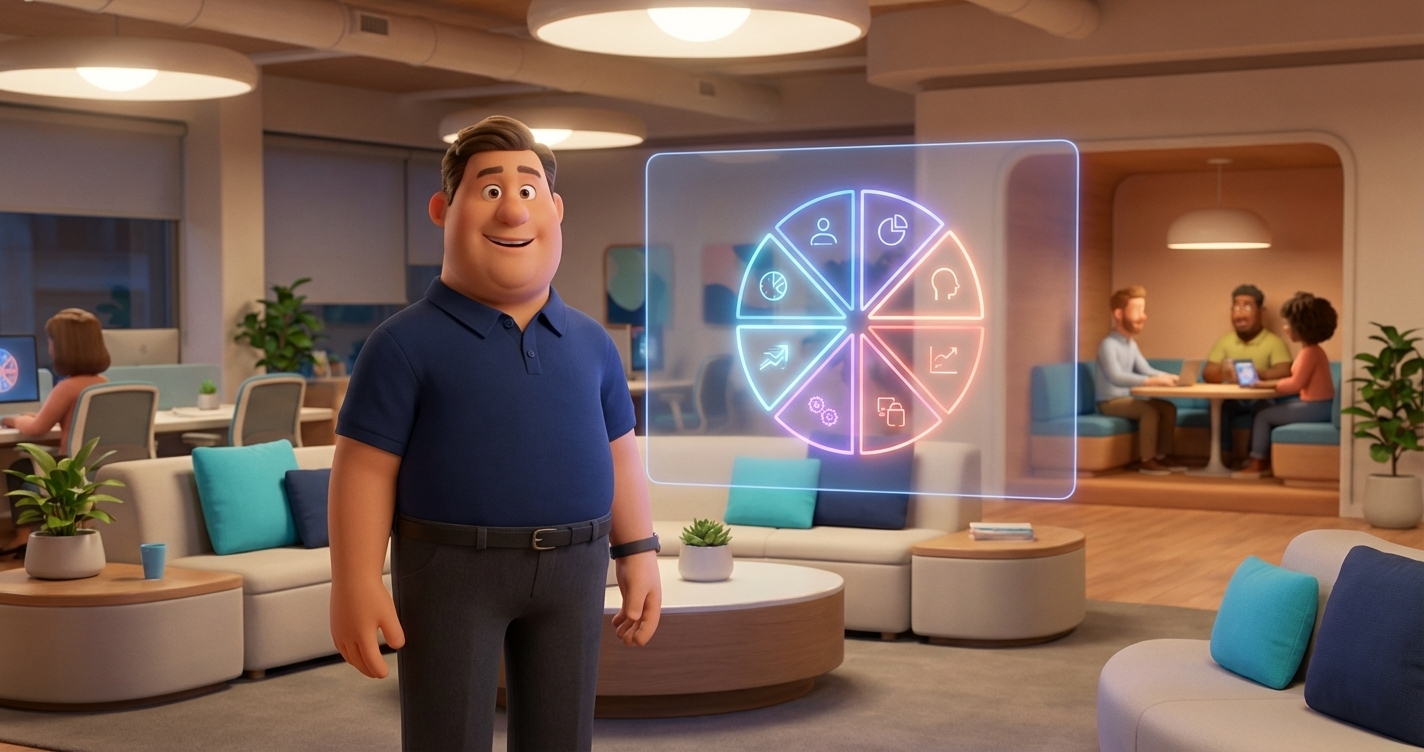
At Compono, our research into high-performing teams has identified eight key work activities that every successful team must perform: Evaluating, Coordinating, Campaigning, Pioneering, Advising, Helping, and Doing. If you hire a brilliant 'Campaigner' to do the work of a 'Coordinator', they will eventually become frustrated, disengaged, and likely become part of that 70% failure statistic.
It isn't that the individual is a 'bad' employee; it is that the work activities required by the role do not match their natural energy and preferences. When people spend their day performing tasks that drain them rather than energise them, performance naturally suffers. Recognising these natural work preferences early in the recruitment phase is the first step toward long-term retention.
We have all been there – an interview goes perfectly, the candidate is charming, and the 'gut feel' is overwhelmingly positive. Yet, three months later, that same person is struggling to meet basic KPIs. The reality is that humans are remarkably bad at predicting performance through conversation alone. Biases, both conscious and unconscious, cloud our judgement.
Interviews tend to favour those who are good at interviewing, not necessarily those who are good at the job. This is particularly dangerous when hiring for roles that require deep focus or technical precision, where the best candidate might not be the most charismatic person in the room. To combat this, we need to introduce objective data into the decision-making process.
By using a workforce intelligence platform, you can move away from subjective impressions and toward a structured evaluation of fit. Compono Hire helps you assess candidates across three critical dimensions: Organisation Fit, Skills, and Qualifications. This multi-dimensional view ensures that you aren't just hiring a 'great person', but the right person for your specific culture and team needs.
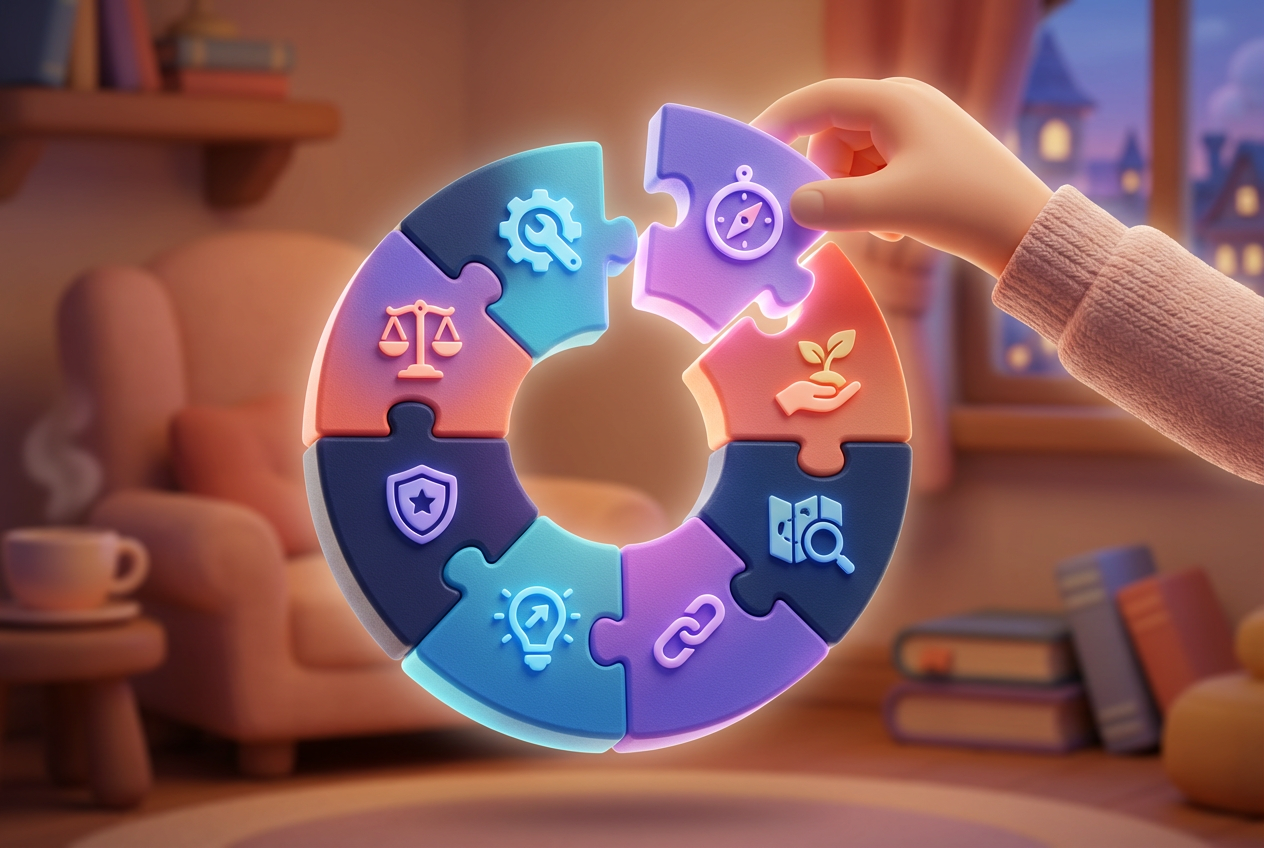
Another reason hiring fails is that we often hire in our own image. Managers naturally gravitate toward people who think and act like they do. While this feels comfortable, it leads to skewed teams that lack diversity of thought. If a team is full of Doers, they might be great at executing tasks but struggle to innovate or look at the big picture.
A high-performing team requires a balance of different work personalities. You need the Evaluators to weigh up risks, the Helpers to maintain harmony, and the Advisors to facilitate collaboration. When a hire fails, it is often because they were dropped into a team dynamic that was already out of balance, or they were expected to fill a gap that didn't match their strengths.
Using the Compono Culture, Engagement & Performance Model, leaders can visualise the current makeup of their team and identify exactly which work personality is missing. This allows for 'hiring for the gap', which significantly increases the chances of the new hire being a long-term success because they are fulfilling a clear and necessary role within the group.
The transition from 'gut feel' hiring to data-driven selection is the most effective way to lower that 70% failure rate. It requires a shift in mindset – seeing recruitment not as a transactional process of filling a seat, but as a strategic exercise in organisational design. When you understand the natural work preferences of your existing staff, you can predict how a new hire will interact with them.
For example, if you know your team is currently high in 'Pioneers' but low in 'Coordinators', your recruitment strategy should specifically target someone who excels at creating structure and following through on plans. This level of workforce intelligence removes the guesswork and provides a clear roadmap for success. It also allows you to have more honest conversations with candidates about what the role actually entails day-to-day.
Ultimately, the goal is to create a workplace where people can do their best work. When a hire succeeds, it is because they have found a role that matches their skills, aligns with their values, and lets them work in a way that feels natural. By prioritising these factors, businesses can finally begin to move the needle on retention and productivity.
Key insights
- Traditional resumes only provide a historical view of a candidate and fail to predict future performance or cultural alignment.
- Hiring failure is often a result of role-personality mismatch, where the required work activities drain the employee's natural energy.
- A balanced team requires a mix of all eight work personalities to ensure both innovation and execution are handled effectively.
- Data-driven recruitment processes that assess 'fit' across multiple dimensions significantly reduce turnover and hiring costs.
Most businesses still rely on outdated methods like resumes and unstructured interviews. These tools measure past experience rather than future potential or cultural fit, leading to a mismatch between the person and the organisation's actual needs.
Work personality refers to an individual's natural preferences for specific types of work activities, such as leading, helping, or analysing. When a job's requirements align with a person's work personality, they are more engaged, productive, and less likely to leave.
By using a platform like Compono, you can map the personalities of your current team members. This reveals 'gaps' in your team's capabilities – such as a lack of detail-oriented people – allowing you to hire specifically to fill that void.
Technical skills are essential 'tickets to play', but they are rarely the reason a hire fails long-term. Most failures are due to behavioural issues, lack of engagement, or poor cultural fit, which is why assessing fit is just as critical as checking qualifications.
Based on Compono's research, high-performing teams must effectively perform eight activities: Evaluating, Coordinating, Campaigning, Pioneering, Advising, Helping, and Doing. Ensuring your team has people who naturally enjoy each of these is key to success.
1 min read
Why hires fail is often attributed to a lack of technical skill, but the reality is that 89% of hiring failures are due to poor cultural alignment...

1 min read
You can prevent bad hires by moving beyond the traditional resume and focusing on a holistic assessment of a candidate’s work personality, cognitive...
1 min read
To reduce time to hire effectively, you must identify and remove bottlenecks in your screening and interview stages while using data to predict...