

.webp)

 Compono


1 min read
Why 70% of hires fail and how to fix your recruitment
 Compono
Research suggests that up to 70% of hires fail to meet expectations within their first year because traditional recruitment processes prioritise...

Why hires fail is often attributed to a lack of technical skill, but the reality is that 89% of hiring failures are due to poor cultural alignment and soft skill gaps rather than a lack of ability.
Understanding the root causes of turnover allows you to move beyond the surface level of a resume and look at the deeper psychological and structural factors that determine whether a new team member will thrive or struggle in your specific environment.
Key takeaways
- Hiring failures are rarely about technical incompetence; they usually stem from a mismatch in work personality and organisational culture.
- Misaligned expectations during the recruitment process create a ‘psychological contract’ breach that leads to early disengagement.
- High-performing teams require a balance of all eight work activities, meaning a hire fails when they can't fill a specific functional gap.
- Predictive data and behavioural assessments significantly reduce the risk of a ‘bad fit’ by measuring organisation fit before the first day.
When we ask leadership teams why hires fail, the initial answers usually involve missed targets or a lack of specific software knowledge. However, if you look closer, the friction usually starts much earlier. It begins when a new starter’s natural work preferences clash with the team’s established rhythm. This isn't just a minor HR headache – it is a significant drain on resources, morale, and momentum.
The financial impact is well-documented, often costing a business up to 2.5 times the individual’s salary to find a replacement. But the cultural tax is even higher. When a new hire doesn't work out, the remaining team members often have to pick up the slack, leading to burnout and a dip in engagement. At Compono, we have seen that the most successful organisations are those that stop looking for 'the best person' and start looking for 'the best fit' for their unique ecosystem.
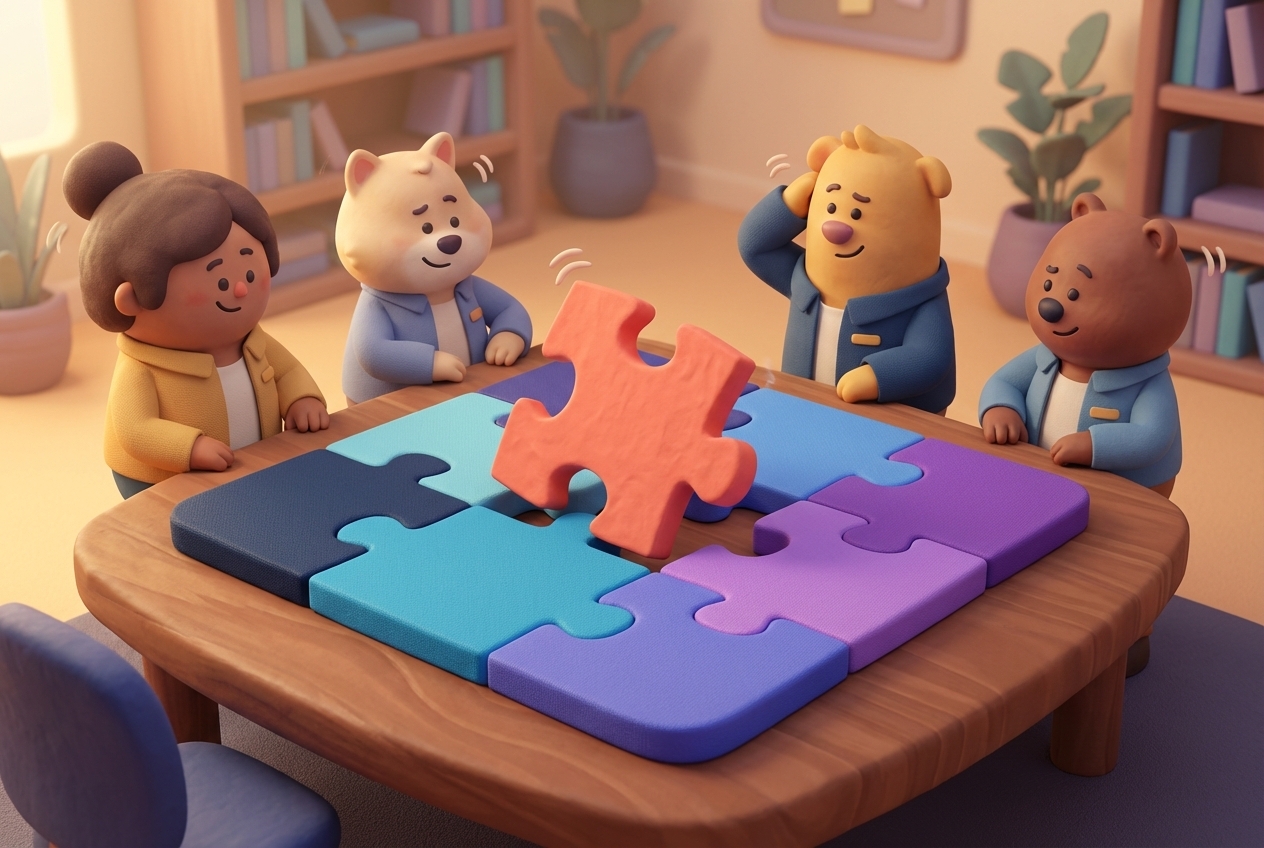
One of the primary reasons why hires fail is a fundamental mismatch between a person’s natural inclinations and the day-to-day requirements of their role. We all have a dominant work personality that dictates where we spend our energy. If you hire a natural Pioneer and place them in a role that requires the methodical, detail-oriented focus of The Auditor, frustration is inevitable.
The Pioneer will feel stifled by the lack of room for innovation, whilst the team will feel they are lacking the precision they expected. This isn't a reflection of the person's talent; it is a failure of alignment. When people are forced to work against their natural grain for extended periods, their performance inevitably suffers. They become drained, less productive, and eventually, they leave. Understanding these natural preferences early in the process is the key to long-term retention.
High-performing teams are not just groups of talented individuals; they are balanced units that cover eight essential work activities. These include Evaluating, Coordinating, Campaigning, Pioneering, Advising, Helping, and Doing. A common reason why hires fail is that the business recruits for a job title rather than a functional gap in the team's collective skill set.
For example, a team full of Campaigners might be excellent at selling a vision, but if they lack a Coordinator to build the plan, nothing gets delivered. If you hire another big-picture thinker into that environment, the hire will likely fail because the team’s actual need – structure and execution – remains unmet. By using the Compono Culture, Engagement & Performance Model, leaders can identify exactly which work activities are missing before they even write a job description.
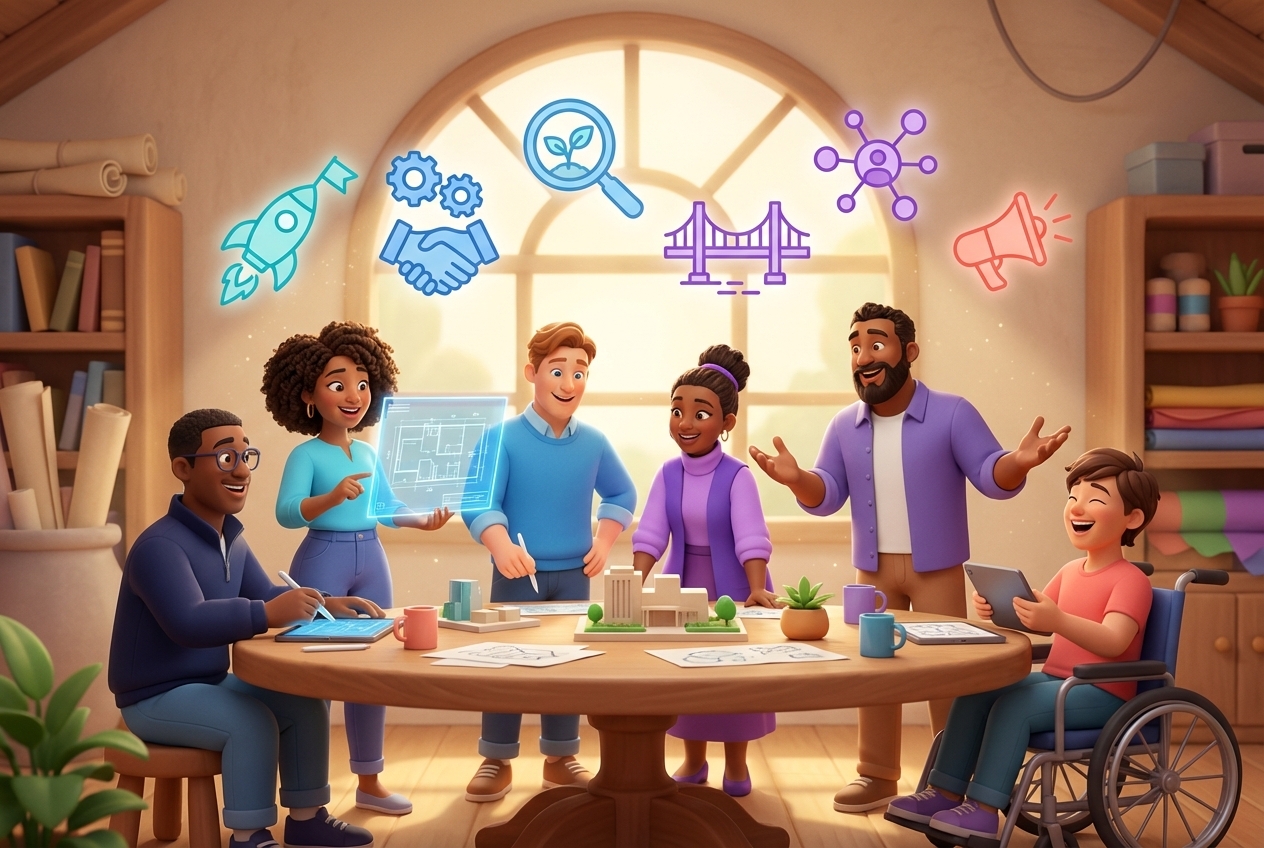
We often hear managers say a hire failed because they 'just weren't a culture fit'. This is a vague and often biased way of looking at a complex problem. True organisation fit is about more than just enjoying a coffee with someone; it is about how their values, personality, and work style mesh with the company’s goals. When 'culture fit' is used as a gut-feeling metric, it often leads to hiring people who are exactly like the current team, which stifles diversity and creates blind spots.
To avoid this, you need a structured way to assess fit across multiple dimensions. Compono Hire helps you move beyond gut feel by assessing candidates across Organisation Fit, Job Fit, and Personality Fit. This data-driven approach ensures that you are hiring someone who brings the right perspective and work style to help the team grow, rather than just someone who shares the same hobbies as the hiring manager.
Even the perfect candidate can fail if the transition into the company is handled poorly. The first 90 days are critical for establishing the 'psychological contract' – the unwritten set of expectations between the employer and the employee. If the reality of the job differs significantly from what was promised during the interview, the hire is likely to fail within the first six months.
Onboarding should not just be about paperwork and hardware; it should be about social integration and role clarity. If a new starter doesn't understand how their work personality contributes to the team's success, they will feel like an outsider. Providing them with insights into how their colleagues think and communicate – and how they can best collaborate – builds the foundation for a long-term career. Tools like Compono Develop can help managers tailor their leadership style to the specific needs of a new hire, ensuring they feel supported from day one.
Key insights
- The majority of hiring failures are caused by behavioural and cultural mismatches, not technical skill gaps.
- Teams fail when they lack a diversity of work personalities, leading to 'functional holes' in their execution.
- Gut-feel hiring for 'culture fit' often leads to bias and poor retention outcomes.
- Using predictive data to match a candidate's work personality to the role's requirements significantly increases the likelihood of long-term success.
- Effective onboarding must focus on social integration and aligning the new hire's natural strengths with the team's goals.
Reducing the risk of hiring failure starts with better intelligence. By understanding the natural work personalities of your current team and your candidates, you can make decisions based on data rather than intuition.
Most hires fail due to poor organisation fit or a mismatch in work personality. While candidates often have the right technical skills, they may struggle to adapt to the team's communication style, pace, or cultural values.
Instead of relying on gut feel, use behavioural assessments that measure work personality and natural work preferences. This allows you to see how a candidate will interact with existing team members and whether they fill a functional gap in your team's current activities.
While a lack of skills can be a factor, it is rarely the primary cause for a hire failing in the long term. Skills can be taught, but shifting a person's natural work personality or core values is significantly more difficult.
Every team needs a balance of different work personalities – such as Pioneers for ideas and Coordinators for execution. If a team is too heavily weighted in one area, they will have 'blind spots' that lead to project delays or conflict.
Yes, a structured onboarding process that focuses on role clarity and social integration can significantly reduce early turnover. Helping a new hire understand their work personality and how it fits into the team culture is essential for building a sense of belonging.

1 min read
Research suggests that up to 70% of hires fail to meet expectations within their first year because traditional recruitment processes prioritise...
1 min read
To improve quality of hire, you need to standardise your assessment process, introduce behavioural science to evaluate work personality, and align...

1 min read
To reduce time to hire effectively, you must identify and remove bottlenecks in your screening and interview stages while using data to predict...