


 Mathan Allington

The 2026 Guide to Choosing a Blended Learning Platform for Workplaces
 Compono
Choosing a blended learning platform for workplace training in 2026, with prices: TalentLMS from US$119 a month, 360Learning US$8 a user, Docebo by...
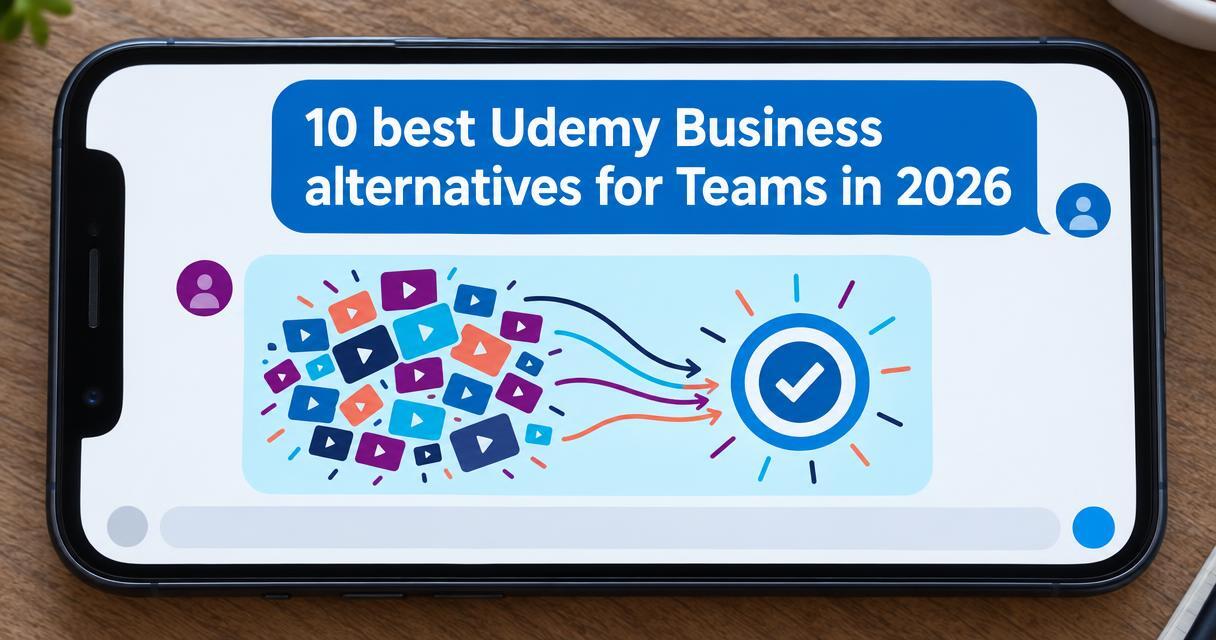
The best Udemy Business alternatives for corporate teams in 2026 include capability-focused learning management systems like Compono Develop and TalentLMS, alongside specialised content libraries like Coursera for Teams and Pluralsight Skills.
Last reviewed November 2026
Quick answer
- Compono Develop: Best for linking learning directly to capability and performance.
- Coursera for Teams: Best for university-backed certifications.
- Pluralsight Skills: Best for hands-on technical and developer assessments.
- TalentLMS: Best for quick deployment on a strict budget.
- 360Learning: Best for internal peer-to-peer course creation.
- Price: Ranges from free tiers for small teams up to enterprise plans exceeding $500 per user annually.
- Best for: HR leaders who want to move beyond passive video consumption and measure actual skills application.
- Verdict: Choose a content library if you just need raw information, but pick a capability-driven LMS if you need to prove that training changes workplace behaviour.
Many organisations start their learning journey by buying access to a massive corporate course library. The pitch sounds great on paper. You pay a subscription fee and your team gets immediate access to thousands of video courses covering everything from basic compliance to advanced programming languages.
The reality is often very different. When you drop employees into an open marketplace of content without guidance, engagement usually spikes in the first month and then drops sharply. L&D teams spend hours filtering out outdated videos just to find material relevant to their specific industry context. A broad marketplace requires constant curation overhead.
The market is splitting into two distinct paths. Udemy Business alternatives include LMS platforms such as TalentLMS and Docebo, as well as content libraries such as Coursera for Business and LinkedIn Learning. The core problem is that passive video consumption rarely changes human behaviour. Watching a video about difficult conversations is not the same as practising a difficult conversation. If your current tool cannot tell you whether an employee has actually absorbed the skill, it is only managing process risk. It leaves the people insight risk completely unaddressed.
Human resources leaders are realising that they do not need 10,000 courses. They need ten highly capable employees. This shift in thinking is driving companies toward LinkedIn Learning alternatives and other platforms that prioritise capability over mere completion rates.
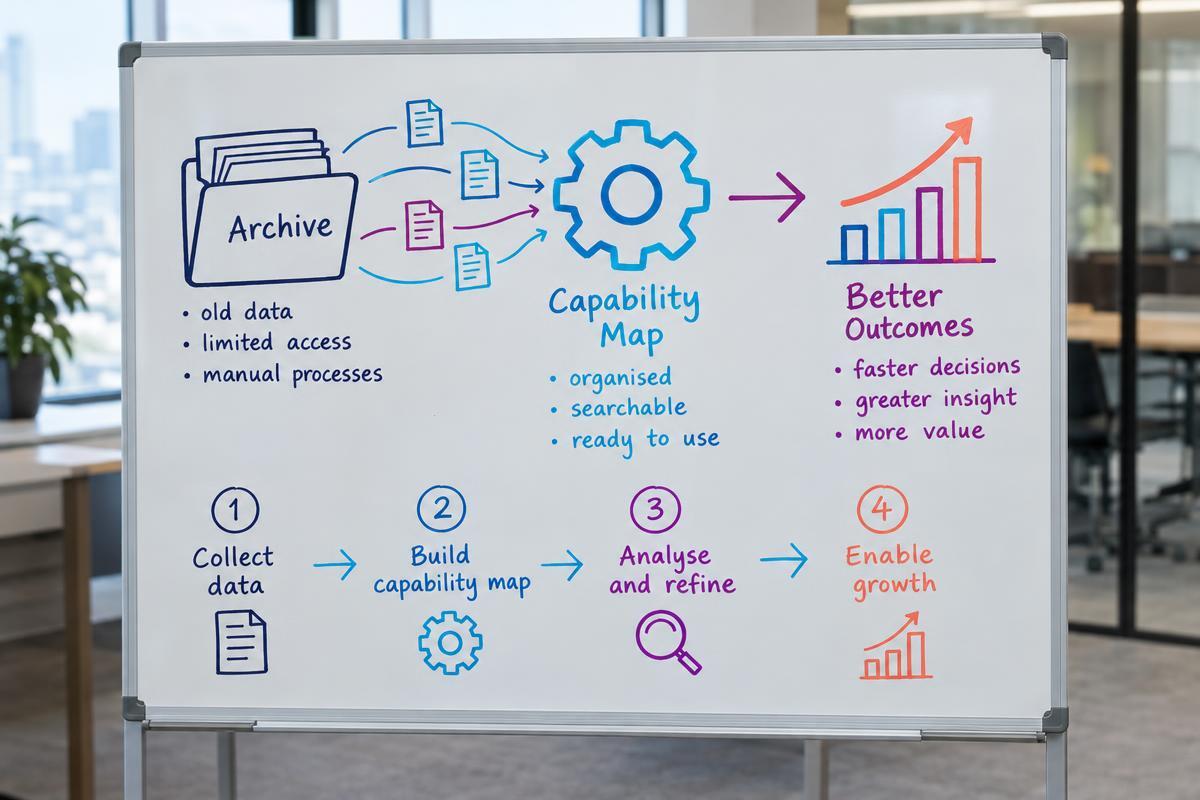
Choosing the right platform means understanding what your specific workforce needs to achieve. We rank these platforms based on their ability to deliver real business outcomes rather than just tracking hours spent watching videos on a screen.
We look at integration capabilities first. Your learning platform must speak to your core human resources information system. When a new hire is added to your payroll, they should automatically receive their onboarding checklists and role-specific compliance training. Systems that require manual data entry create an unacceptable administrative burden for modern teams.
We also evaluate pricing transparency and licensing structures. Enterprise pricing can be opaque. Some vendors require strict minimum seat counts that exclude mid-market companies, while others charge unpredictable overage fees when your team scales. We prioritise platforms that offer clear value and scale logically with your business.
Finally, we assess reporting and analytics. A basic platform will tell you that an employee finished a module on a Tuesday. A comprehensive platform will show you how that employee's capability has improved over time and whether that development aligns with their specific team role.
We have evaluated the leading options in the market based on pricing, core focus, and their ability to solve specific enterprise problem. Here is how the top contenders compare.
Most learning management systems are built to deliver content. That is just table stakes. Compono Develop is an LMS that connects learning to actual capability development and performance outcomes. It helps you manage the process risk of mandatory compliance tracking while solving the people insight risk of knowing whether your staff are actually improving.
Instead of throwing a massive library at your staff and hoping they find something useful, Compono Develop lets you map specific training to behavioural profiles and team needs. It provides clear next steps so employees know exactly what to learn, how to learn it, and why it matters to their career path. This gives HR leaders defensible development decisions they can stand behind when reporting to the executive team.
When you need formal credentials, Coursera stands out. The platform brings the university experience into the corporate environment. According to research, Coursera for Business offers more than 10,600 courses from over 325 universities and companies. This makes it an excellent choice for organisations that value prestigious certifications for their staff.
The platform excels in deep, multi-week programs designed to teach complex subjects like data science or strategic management. However, it is less suited for companies that need to quickly deploy their own custom compliance modules or internal policy updates.
Engineering and IT teams have unique learning requirements. They cannot learn a new programming framework just by watching a lecture. Pluralsight Skills addresses this by focusing heavily on technical skills assessments and interactive, hands-on learning environments.
The platform allows technical managers to identify exact skill gaps in their development teams and assign highly specific coding challenges to close them. While it is an incredibly powerful tool for a Chief Technology Officer, human resources leaders will still need a separate platform for wider company compliance and leadership training.
If you need to get a basic training portal up and running by next week, TalentLMS is a strong contender. It provides a clean, intuitive interface that does not require a dedicated IT team to configure. You can upload existing documents, create simple quizzes, and manage certifications easily.
When looking at a direct Compono vs TalentLMS comparison, the choice comes down to depth. TalentLMS handles the administrative burden of training delivery well. However, teams that need to measure how that training actually changes workplace behaviour over time often outgrow its reporting capabilities.
360Learning takes a different approach by focusing on collaborative learning. Instead of renting external content, the platform encourages your internal experts to build and share their own courses. This is highly effective for capturing institutional knowledge before senior employees retire or move on.
The success of this platform depends entirely on your internal culture. If your subject matter experts are already overworked, asking them to design and film internal training modules can create friction. It works best in highly collaborative cultures with dedicated time carved out for peer development.
Not every organisation has an enterprise budget. Smaller teams need lightweight solutions to manage essential training without breaking the bank. For example, ProProfs Training Maker offers a free plan for up to 10 learners and paid plans starting at $1.99 per learner per month. This serves as an accessible entry point for startups needing basic quiz generation and document tracking.
It is also important to distinguish between corporate learning tools and creator platforms. Udemy Business alternatives such as Kajabi, Mighty Networks, Podia, and Teachable are positioned for creators who want to own and sell their course content rather than rent access to a third-party library. These platforms are excellent for external course businesses but lack the core HRIS integrations required for internal employee compliance.
This table compares the primary alternatives on focus and pricing structure to help you map the right tool to your team size.
| Platform | Core Focus | Starting Price Model | Best For |
|---|---|---|---|
| Compono Develop | Capability and compliance LMS | Custom enterprise | Connecting learning to performance |
| Coursera for Teams | Academic content library | $399 per user annually (5–125 seats) | University-backed certifications |
| Pluralsight Skills | Technical skills testing | $579 per user annually | Engineering and developer teams |
| TalentLMS | Simple course delivery | $149 per month | Fast setup on a budget |
| 360Learning | Collaborative course creation | $8 per user monthly | Internal peer-to-peer training |
Compono makes Compono Develop. We've included it and kept every entry's strengths and limits honest.
Choosing the best Australian LMS requires a shift in how you view employee development. Tracking video views is easy. Proving that an employee is now competent in a new skill is much harder. Open content marketplaces treat all learners the same, serving up generic videos regardless of an individual's background or learning preference.
People absorb information differently. When you understand your team's Work Personality, you can map development to their specific behavioural profiles rather than forcing everyone into the same rigid training module. Some employees need hands-on scenario testing, while others prefer structured reading materials followed by deep reflection.
A true capability platform lets you set up role-specific pathways. A new manager does not just get assigned fifty random videos on leadership. They receive a selected journey that includes policy documents, situational quizzes, and in-person assessments signed off by a senior leader. This blended approach ensures formal validation of course completion and protects the organisation from compliance risks.
Switching from an existing provider like Udemy to a new platform requires careful data planning. You cannot simply flip a switch and expect your historical learning records to transfer perfectly. Enterprise L&D teams must map out exactly which historical completion certificates actually matter for compliance audits.
The biggest challenge in migration is aligning SCORM-compliant e-learning content with your new system's architecture. Ensure your new vendor supports industry standard formats so you avoid vendor lock-in down the line. You must also establish clear approval gateways for course enrolments in the new system to prevent budget blowouts on external content licenses.
The goal is to centralise everything. From training records to onboarding checklists and in-person assessments, keeping your specific activity tasks in one place makes it easier for managers to oversee their teams and for employees to drive their own development.
If you are tired of paying for thousands of courses your team never watches and want to start measuring real workplace performance, we can show you a better way. Our learning management platform connects your mandatory compliance directly to actual capability growth.
A content library is a collection of pre-made courses, videos, and articles that you rent access to, similar to a streaming service. A learning management system is the software infrastructure used to assign, track, and measure training. Many modern LMS platforms allow you to upload your own custom content while also connecting to external libraries.
Yes. Most enterprise-grade learning platforms offer native integrations or API connections to major HRIS platforms. This integration is vital because it allows you to automate user provisioning, ensuring new hires automatically receive their mandatory compliance training on their first day.
Migrating data requires planning. You will typically export completion records as CSV files and map them to the user fields in your new platform. The complexity depends on how much historical data you need to retain for regulatory compliance purposes. It is often a good opportunity to archive outdated training records and start fresh with clear capability goals.
You measure return on investment by tracking capability gaps closed, not just hours watched. Look at metrics such as time-to-productivity for new hires, reduction in compliance breaches, and internal promotion rates. A strong platform makes these connections visible, proving that your training budget is actively improving workforce performance.

Choosing a blended learning platform for workplace training in 2026, with prices: TalentLMS from US$119 a month, 360Learning US$8 a user, Docebo by...
Compare the best iSpring Learn alternatives in 2026. Explore pricing, features and how to choose an LMS that builds real workforce capability. See...
Compare the best Degreed alternatives for 2026. Discover which platforms build true capability, track compliance, and deliver better value for your...
 Mathan Allington