

.webp)

 Mathan Allington


Interactive team building games to boost culture in 2026
 Compono
Discover the best interactive team building games for 2026. Improve engagement and collaboration with our expert guide for Australian HR leaders.
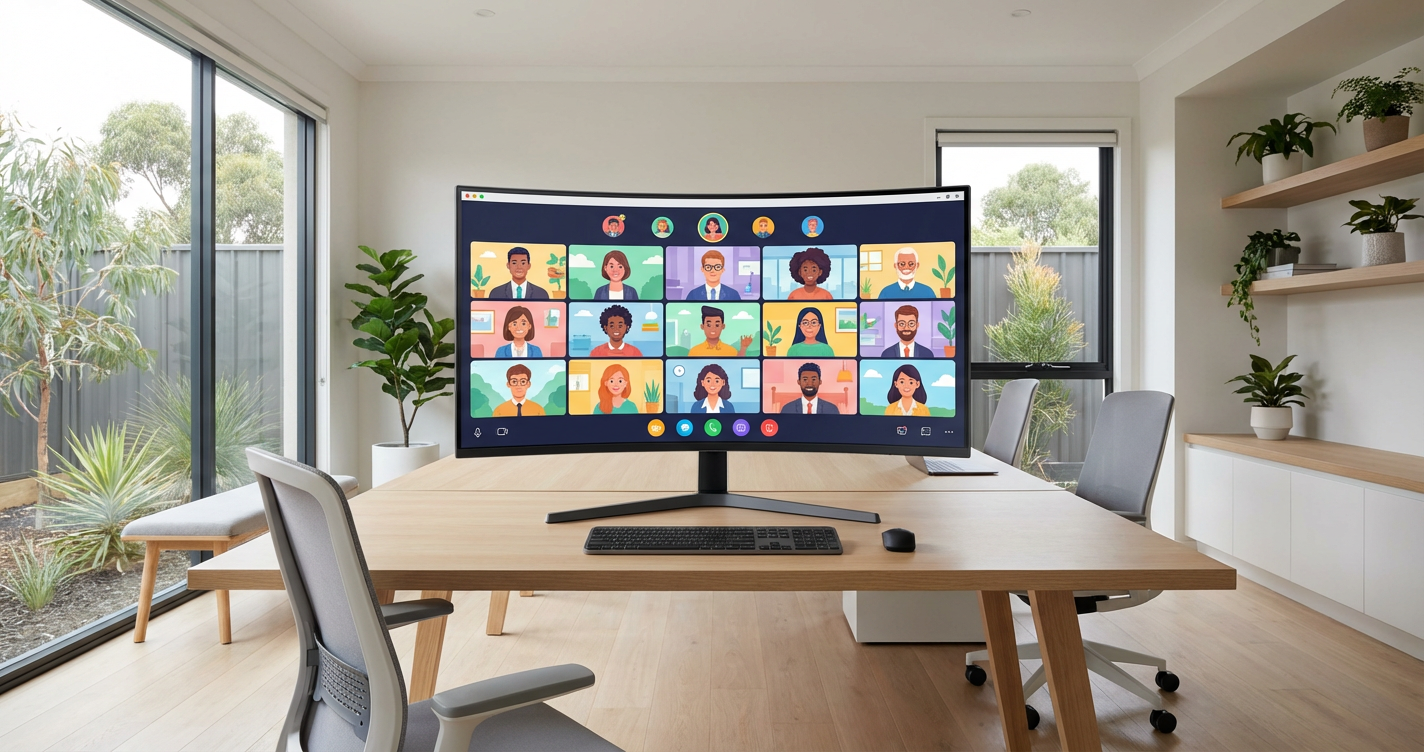
The best team building online games for remote and hybrid teams are digital escape rooms, collaborative storytelling games, asynchronous puzzle tournaments and getting-to-know-you trivia. The right choice depends on your goal: escape rooms test problem-solving under pressure, storytelling builds creative trust, and async games connect people across time zones without adding more video calls.
Last reviewed July 2026.

Virtual escape rooms have become genuinely sophisticated. Teams split into breakout rooms, solve riddles and decode clues to escape within a time limit. They are the best single test of collective problem-solving and delegation, and they reveal who naturally organises the chaos and who masters the detail.
Using shared digital whiteboards, teams build a fictional city together or solve a narrative mystery. These games train "yes, and" thinking, the same muscle that drives good brainstorming back in the day job, and they suit quieter team members who tend to hang back in trivia formats.
Not everything needs a live call. For teams spread from Perth to Auckland, asynchronous word puzzles and strategy simulations let people participate when it suits them. You get an ongoing sense of community without adding to video call fatigue.
If you have just scaled the team quickly, trivia built on personal fun facts is the fastest way to break the ice for new starters. Keep rounds short, keep questions safe for work, and let new hires contribute their own questions.
A calendar invite with a link is not a plan. A few things separate the sessions people talk about from the ones they quietly decline:
The cringe factor is real, so match the format to your culture. A reserved professional services firm probably does not want a dance-off, and a creative agency will fall asleep in a multiple-choice quiz.

If your team still misfires after every game night, look at coverage before you book another escape room. High-performing teams need eight ways of work covered: Doing, Auditing, Helping, Advising, Pioneering, Campaigning, Evaluating and Coordinating. A team stacked with idea-generators and no finishers will stall no matter how many escape rooms it conquers.
That coverage question is what work personality mapping answers. When you can see which of the eight types your team actually has, you know whether the friction you feel is a trust problem that games can help with, or a design problem that games will only paper over. An escape room might show you that nobody on the team naturally organises the chaos. Personality data tells you why, and what to hire or reassign for.
Smiles on screen are not a metric. Look for shifts in daily behaviour: better collaboration in Slack, a warmer tone in internal comms, turnover stabilising. Teams that measure engagement before and after culture initiatives with Compono Engage can see whether the effort is moving sentiment or just filling calendars. Culture is a measurable asset, and the businesses that treat it that way keep their best people longer.
Games reveal how your team plays. The free work personality assessment shows how they work. Four questions, about two minutes.
Take the Free Assessment45 to 60 minutes is the sweet spot. It is long enough for a proper game but short enough to keep energy high and avoid eating into deep work time.
Yes, because they include everyone equally. In-person events favour whoever is in the office. Online games put remote and office-based people on the same footing, which is the point of the exercise.
Match the format to your culture, make participation voluntary, and have leaders join in with a sense of humour. Cringe usually comes from forced enthusiasm and formats that don't fit the team's personality.
No. Games build familiarity and psychological safety, but they cannot fix a team missing key ways of work like Doing, Evaluating or Coordinating. If problems persist after connection improves, map your team's work personalities and fix the design gap.

Discover the best interactive team building games for 2026. Improve engagement and collaboration with our expert guide for Australian HR leaders.

How to read the work styles already on your team, spot the gap your next hire should fill, and avoid building a team of people who all think alike.
Why HR leaders are moving past 360 degree feedback to system intelligence that shows culture, team dynamics and what really drives engagement.
 Mathan Allington