

.webp)

 Rudy Crous


Part 8: Assessment Alignment: When the Learning, the Test and the Result Do Not Match
 Rudy Crous
Discover how to align learning, assessment, and outcomes for effective evaluation. Ensure your assessments genuinely reflect learners' capabilities.

This is Part 4 of the 'Better Assessment Design Series:
Why Good Tests Are About More Than Questions and Scores.'
Click here for more in the series.
An assessment result should not feel like luck.
It should not depend on which version of a question someone received, which assessor happened to mark the response, or whether the wording happened to be slightly clearer for one person than another.
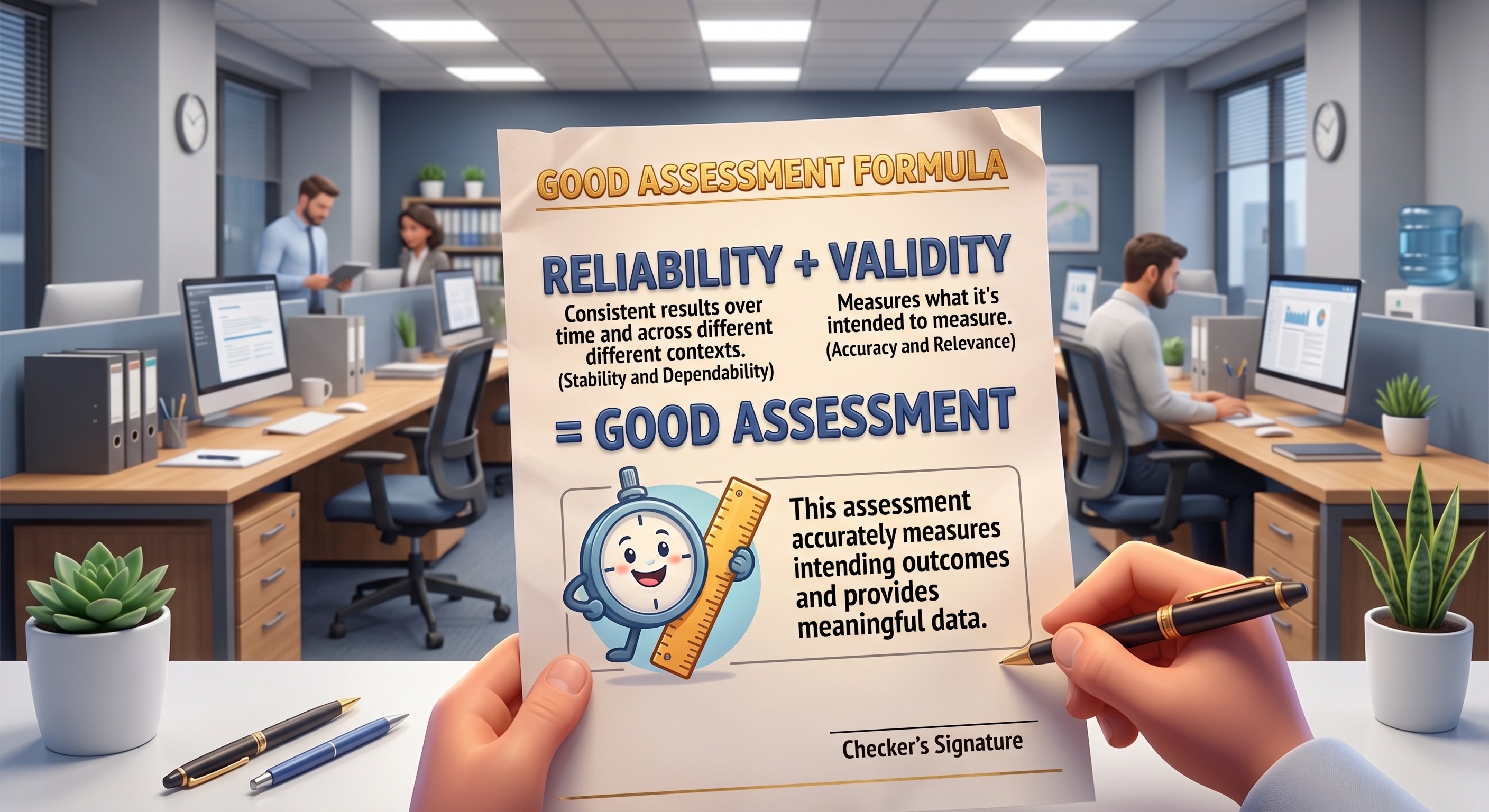
That is why reliability matters.
Reliability is about consistency.
If the same person took the assessment again under similar conditions, would they get a similar result?
If two assessors marked the same response, would they reach the same conclusion?
If different questions are meant to measure the same capability, do they produce consistent evidence?
Good assessment design is not just about measuring the right thing. It is about measuring it consistently enough that the result can be trusted.
Validity asks:
Are we measuring the right thing?
Reliability asks:
Are we measuring it consistently?
Both matter.
An assessment can be reliable but not valid. For example, it may consistently measure memory when the real goal is to measure judgement.
An assessment can also aim to measure the right thing but do so unreliably. For example, it may include realistic scenarios, but the scoring criteria may be so vague that different assessors mark responses differently.
Reliability gives consistency.
Validity gives meaning.
Good assessments need both.
Imagine two people with the same level of understanding take the same assessment.
One passes. One fails.
Not because one understands the content better, but because one received clearer questions and the other received ambiguous questions.
That is a reliability problem.
Or imagine two assessors reviewing the same practical demonstration.
One says the person meets the standard. The other says they do not.
If there is no clear marking rubric, both assessors may believe they are right.
That is also a reliability problem.
In both cases, the assessment result becomes difficult to defend.
Reliability can be weakened by:
The higher the stakes, the more reliability matters.
A short knowledge check may not need the same level of rigour as a licensing, certification, selection or progression assessment. But any assessment used to make a meaningful decision should be stable enough to support that decision.
To improve reliability:
For multiple-choice assessments, item analysis can be very useful.
|
Metric |
What it tells you |
|
Item difficulty |
How many people got the question right |
|
Item discrimination |
Whether stronger performers do better on the item |
|
Distractor performance |
Whether wrong answer options are working properly |
|
Non-response rate |
Whether people are skipping or misunderstanding the item |
If almost everyone gets a question right, it may be too easy.
If almost everyone gets it wrong, it may be too hard, poorly taught, or badly written.
If stronger performers get it wrong, the item may be ambiguous.
If no one selects a distractor, that distractor is probably not doing its job.
Reliability is not about making assessments mechanical.
It is about making the evidence stable enough to trust.
A good assessment result should feel earned, not accidental.
Read the next article in the series.
Rudy Crous is a corporate psychologist and the co-founder and CEO of Compono, a people and culture platform that brings hiring, engagement, learning and credentialling together in one place, adding behavioural science to the processes most HR tools only track.
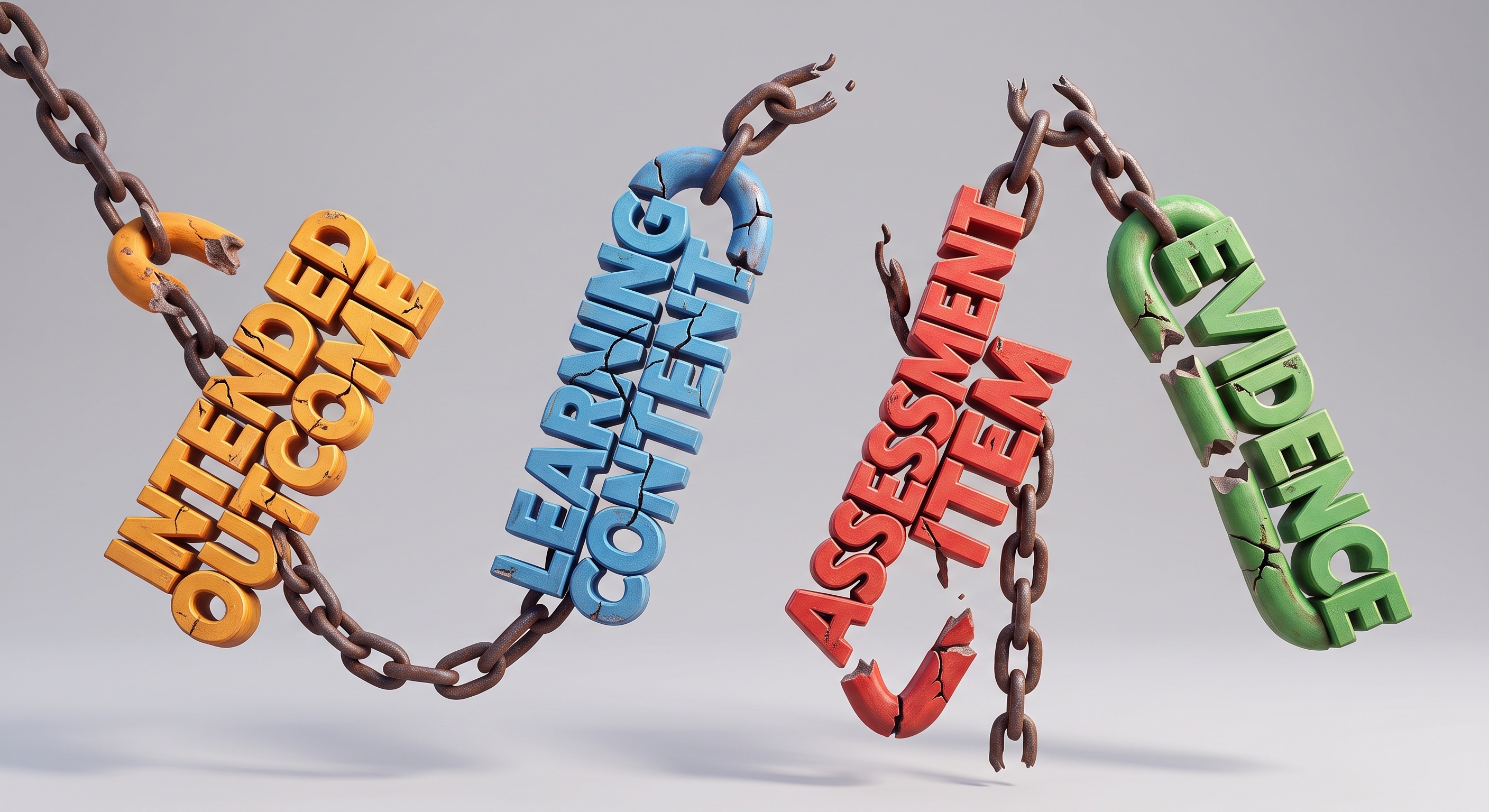
Discover how to align learning, assessment, and outcomes for effective evaluation. Ensure your assessments genuinely reflect learners' capabilities.
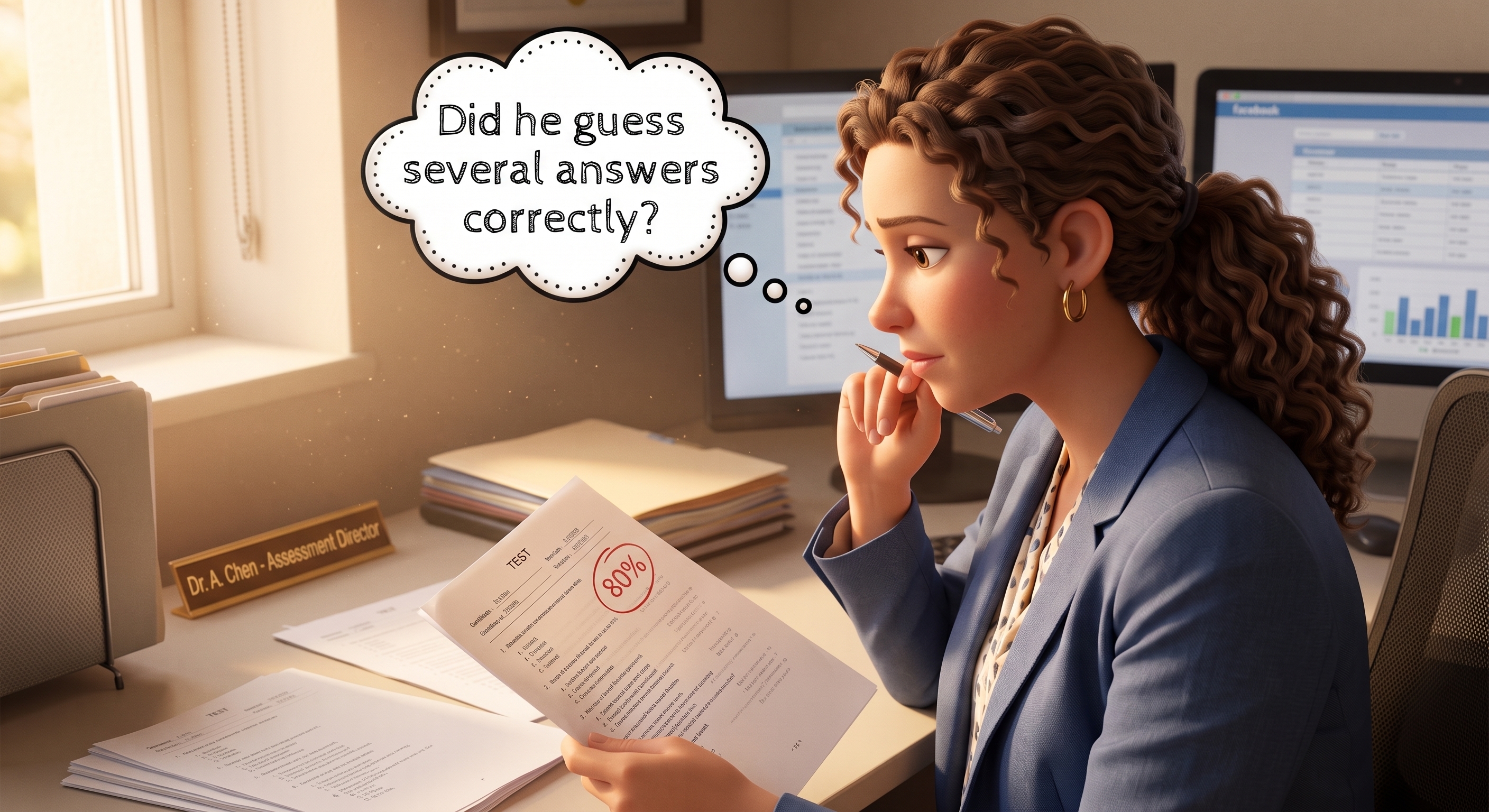
Effective assessment design is crucial for making informed decisions. Learn how robust assessments provide meaningful evidence beyond just scores.
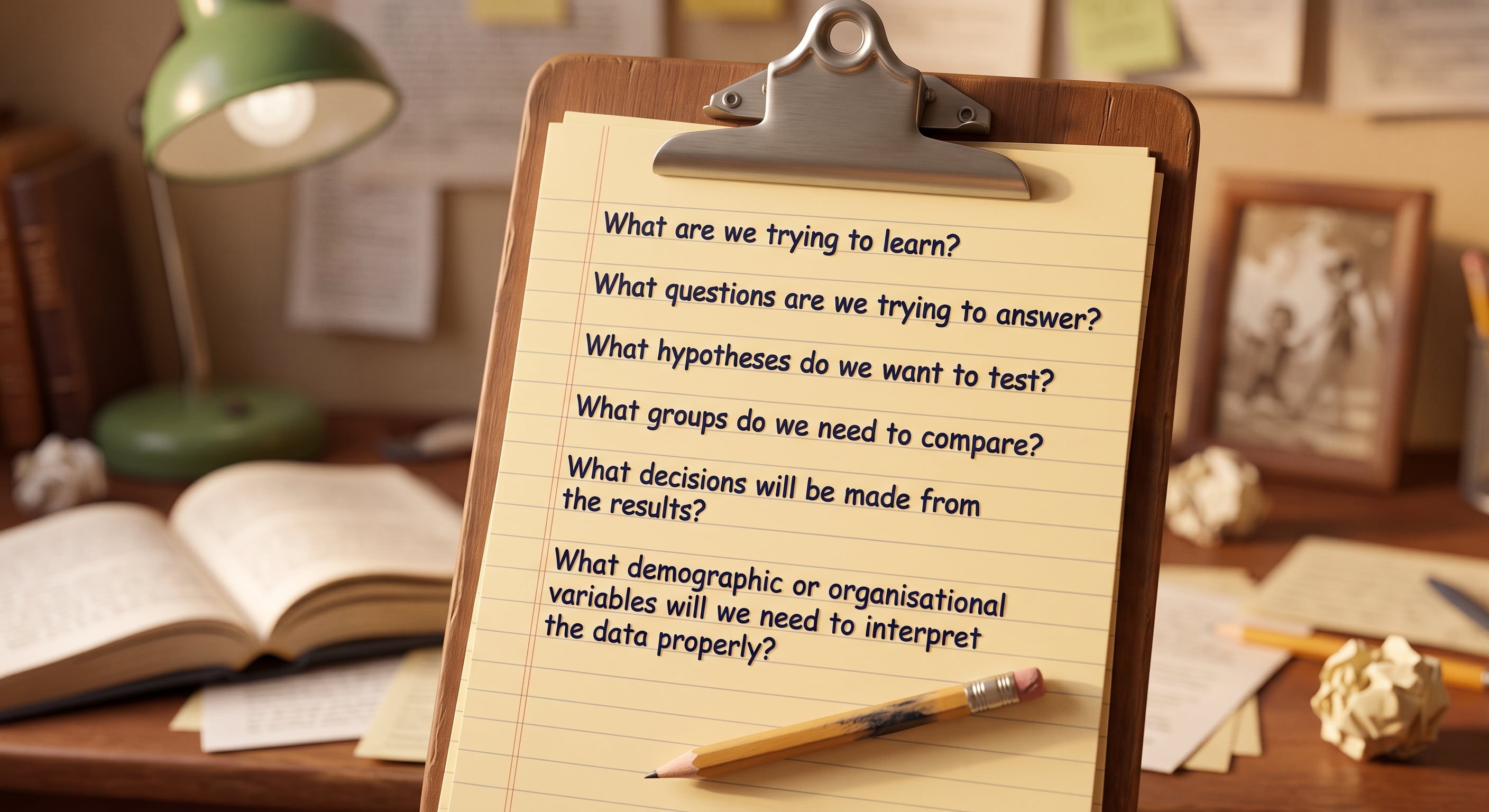
Unlock the potential of assessment design by focusing on the data needed for meaningful insights. Learn how to create assessments that drive...