

.webp)

 Rudy Crous


Part 1 - Bloom’s Taxonomy: The Difference Between Knowing the Answer and Understanding What to Do
 Rudy Crous
Explore how Bloom's Taxonomy enhances assessment design by distinguishing between knowing answers and understanding concepts for better...

This is Part 5 of the 'Better Assessment Design Series:
Why Good Tests Are About More Than Questions and Scores.'
Click here for more in the series.
A good assessment should challenge people.
But it should challenge them for the right reason.
Sometimes assessments are difficult because the concept is genuinely complex. That is appropriate.
But sometimes assessments are difficult because the question is cluttered, wordy, confusing, poorly structured, or overloaded with irrelevant information.
That is a design problem.
Good assessment design is not about making assessments easy. It is about making sure the difficulty sits in the knowledge, skill or judgement being assessed, not in unnecessary confusion.

That is where cognitive load matters.
Cognitive load refers to the mental effort required to process information.
In assessment design, the goal is to make sure that mental effort goes into the thing being assessed.
It should not be wasted on:
In simple terms:
An assessment should not be hard because it is messy.
It should be hard because the concept, task or decision is genuinely challenging.
Good difficulty comes from the intended capability.
For example:
Bad difficulty comes from poor design.
For example:
Good difficulty helps measure capability.
Bad difficulty gets in the way of measurement.
Consider this question:
While operating a vehicle in a school-adjacent pedestrian traffic zone under variable environmental conditions, what is the most appropriate response to a regulatory stop control device?
This is difficult to read.
A better version is:
You are driving near a school. It is raining and children are nearby. You see a stop sign. What should you do?

The second question is still meaningful. It includes context. It asks the person to apply judgement. But it removes unnecessary cognitive load.
The person can focus on the road safety decision, not on decoding the sentence.
When cognitive load is poorly managed, the assessment result becomes harder to interpret.
A person may choose the wrong answer not because they lack understanding, but because the question overloaded them.
That means the assessment may be measuring confusion as much as capability.
This is especially important in digital assessments, where people may be using different devices, screen sizes, internet speeds and testing environments.
It also matters in assessments with long scenarios, complex diagrams, detailed case studies or multiple steps.
Complexity is not automatically bad.
Unnecessary complexity is the problem.
When reviewing an assessment item, ask:
A useful principle is:
The effort should go into solving the problem, not understanding the question.
Good assessment design removes unnecessary friction.
It does not lower the standard.
It makes the assessment cleaner, fairer and more focused on what actually matters.
Read the next article in the series.
Rudy Crous is a corporate psychologist and the co-founder and CEO of Compono, a people and culture platform that brings hiring, engagement, learning and credentialling together in one place, adding behavioural science to the processes most HR tools only track.

Explore how Bloom's Taxonomy enhances assessment design by distinguishing between knowing answers and understanding concepts for better...
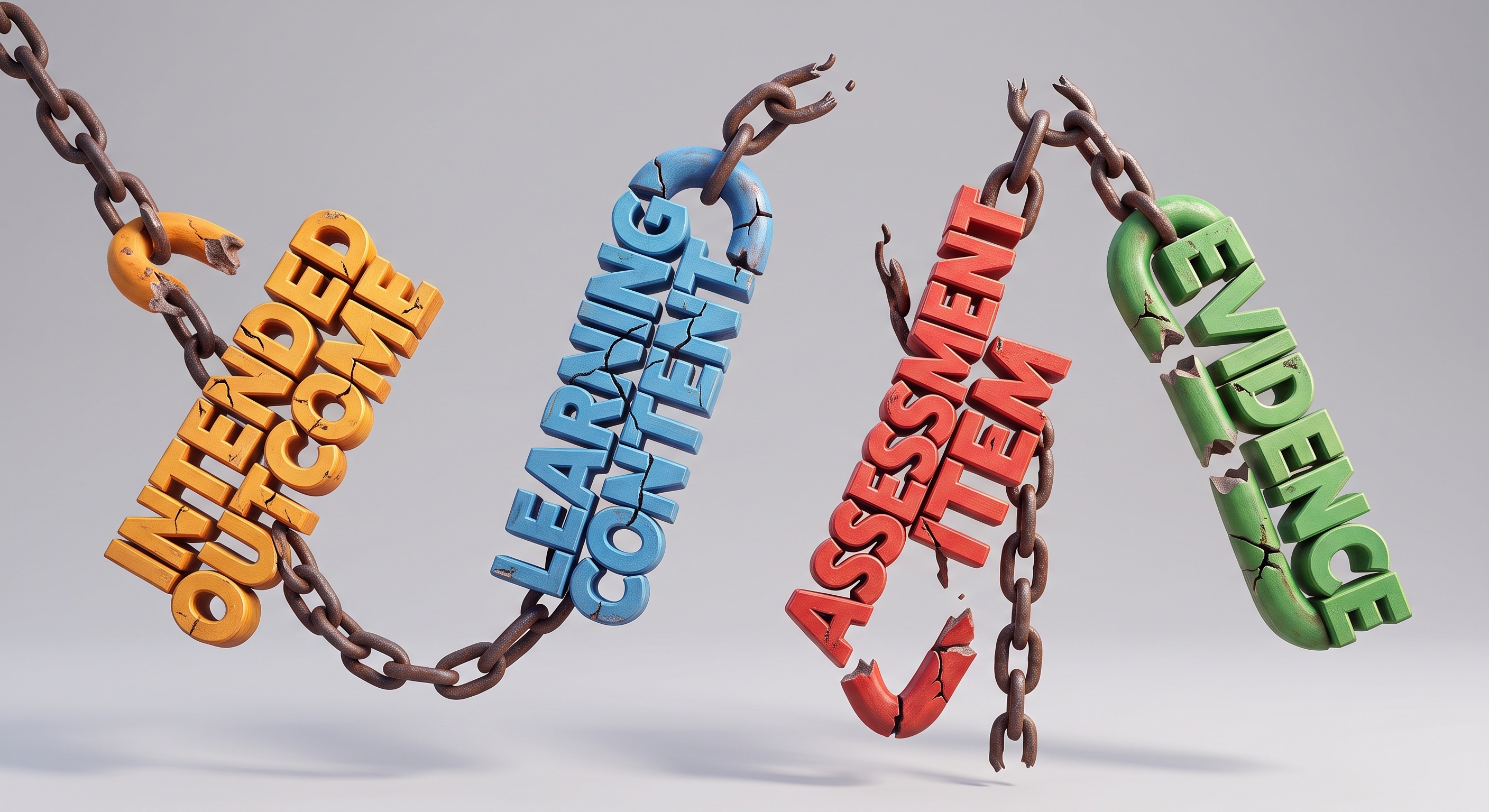
Discover how to align learning, assessment, and outcomes for effective evaluation. Ensure your assessments genuinely reflect learners' capabilities.
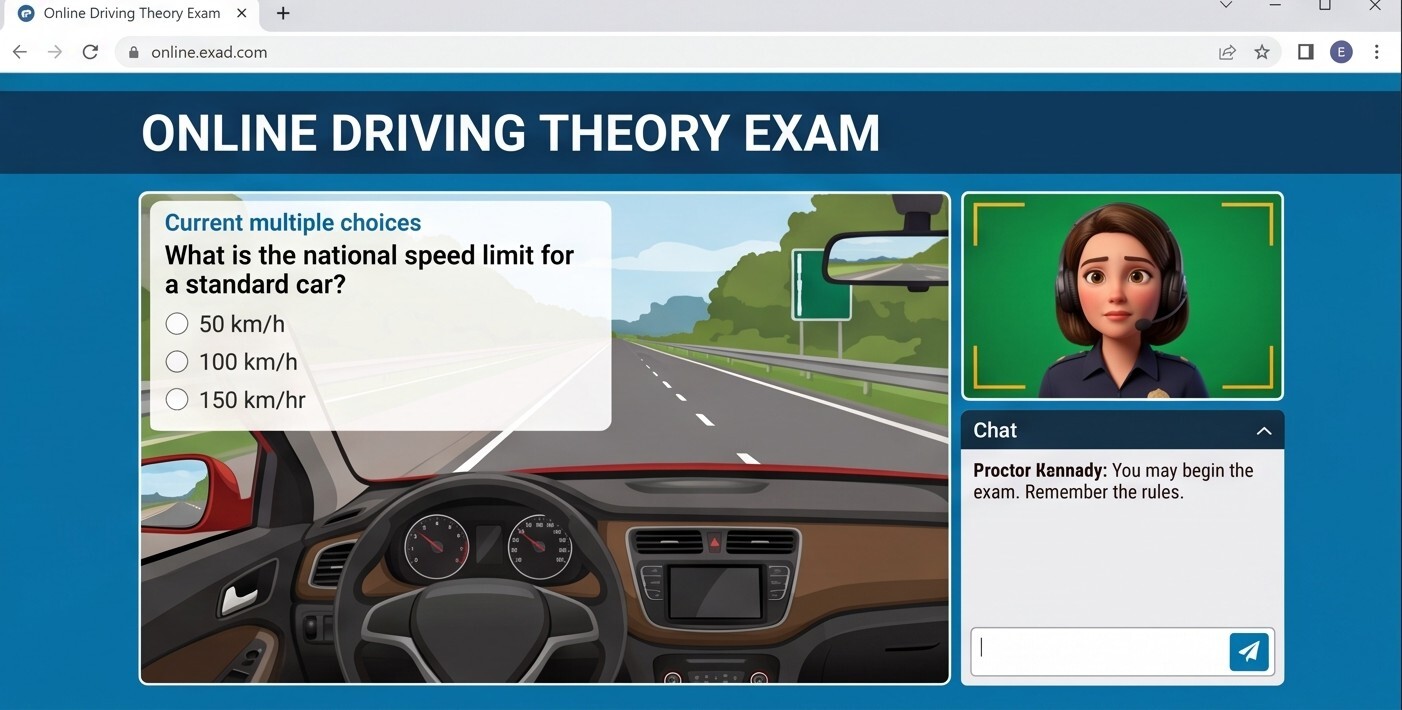
Explore why proctoring isn't the primary solution for assessment integrity. Discover how investing in quality learning design enhances competence and...