

.webp)

 Mathan Allington


1 min read
Rise of the HR talent architect role in modern teams
 Mathan Allington
Last reviewed July 2026
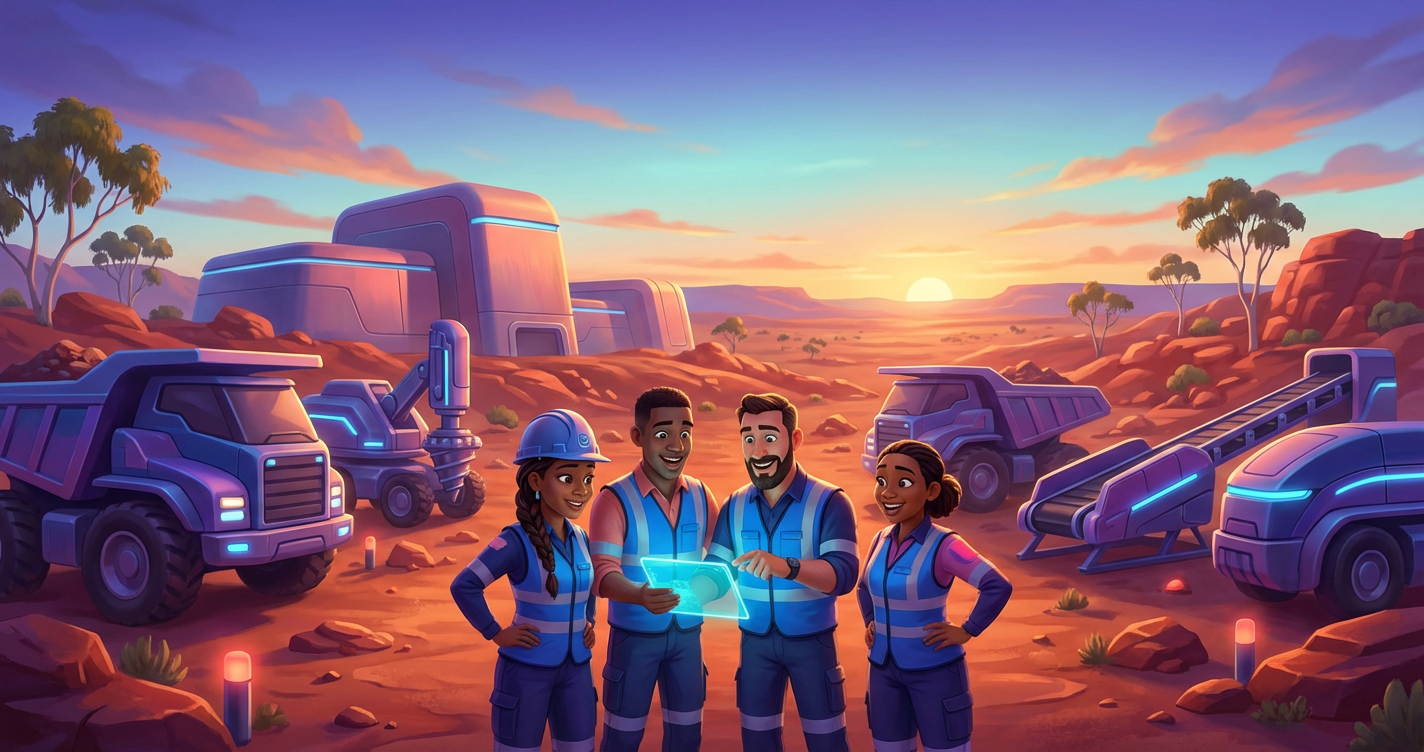
HR in the Australian mining industry has four distinct challenges: designing cohesive teams for FIFO sites, retaining skilled trades in a tight talent market, developing supervisors into people leaders, and replacing gut-feel decisions with people data. Getting team fit right matters more on a remote site than almost anywhere else.
Last reviewed July 2026.
Working in the mining sector is no longer just about technical expertise and operational efficiency. The focus has shifted toward people intelligence and the psychological safety of teams on the ground. Mining companies are moving away from simple headcount management toward a genuine view of employee engagement.
In a sector where physical safety is non-negotiable, the industry is realising that psychological safety and team cohesion are just as critical to operational success. If team members are not aligned, or there is underlying conflict in a high-pressure site environment, the risks go well beyond productivity. Misaligned teams show up in safety incidents and in costly turnover.
Understanding the natural work preferences of your people is the first step to a stable workforce. When you can map how individuals think and act under pressure, you can build crews that complement each other rather than clash.

The unique hurdle for mining HR in Australia is geographic isolation. FIFO and DIDO arrangements create social dynamics that do not exist in office settings. On site, your colleagues are also your neighbours, your dining companions and your entire social circle for weeks at a time. Team design is not a nice-to-have in that environment; it is the environment.
A single personality clash on a remote site escalates fast and can drag down the morale of a whole shift. That is why HR leaders increasingly screen new hires for team fit as well as technical capability.
Compono's decade of research into team performance identifies 8 types of work that high-performing teams cover, mapped to the work personalities Doer, Auditor, Helper, Advisor, Pioneer, Campaigner, Evaluator and Coordinator. If a site crew is full of Doers who are brilliant at execution but lacks an Auditor watching the finer details and compliance, expect a rise in preventable errors. Compono Hire lets you select the work personality a role needs and ranks candidates on how they will actually contribute to the team dynamic.
Retention is a constant battle in Australian mining. With fierce competition for skilled trades and engineers, losing a key employee means more than a roster gap: institutional knowledge walks out with them, and the recruitment cost to replace them is significant.
The shift needed is from exit interviews to stay conversations. Real engagement comes from feeling understood and supported, and in a remote environment that means leaders need to be more than supervisors. A Coordinator wants clear, structured instructions and set deadlines. A Pioneer thrives on autonomy to solve problems creatively. A manager who knows this leads each person the way that person needs.
Compono Engage gives leaders this insight into the behavioural drivers of their teams. When people feel their natural strengths are being used and their communication needs met, they stay.

The site supervisor role has evolved. Being the most experienced operator on the tools is no longer enough; modern sites need leaders who can handle complex interpersonal dynamics and build inclusive crews.
Leadership styles on site range from directive to democratic to non-directive. A directive style is right in a safety emergency. A democratic approach wins for long-term planning and team buy-in. The hard part for supervisors is knowing when to switch.
Senior mining roles often attract Evaluator personalities: logical, analytical, results-driven. Those traits are excellent for operational oversight and can struggle with the softer side of leadership, like managing conflict or providing emotional support. A leader who realises their default style reads as blunt can make conscious adjustments, and that self-awareness is central to Compono's culture, engagement and performance model.
A mine manager uses data to improve haulage routes and ore processing. HR leaders should use people data the same way. This is not about reducing people to numbers; it is about using science to understand behaviour.
Work personality assessments replace hiring someone because they seem like a good bloke or share a background with the interviewer. Objective data shows whether a candidate has the traits to succeed in a remote, high-pressure environment.
The same lens helps resolve conflict. Two Coordinators clashing over control of a process, or a Campaigner and an Auditor talking past each other because one lives in the big picture and the other in the details, are personality patterns rather than personal failings. Seen that way, they are fixable.
Map your teams' work personalities, hire for fit and keep your best people on the roster. See how Compono works for mining operations.
Talk to usBy focusing on engagement and team fit. Understanding the work personalities of staff means people land in roles that suit their natural strengths and managers communicate in ways each person responds to.
Operational roles skew toward Doers and Evaluators because of the focus on execution and logic. High-performing crews also need Helpers and Advisors for morale and Pioneers to drive better ways of working.
FIFO creates an intense social environment where colleagues spend weeks together with no escape at the end of the day. Personality clashes compound quickly, raising stress and turnover if compatibility is ignored at hiring time.
They provide objective data on how a candidate will behave, communicate and contribute to a crew, reducing bad hires who have the technical skills but not the interpersonal fit for a specific site culture.

1 min read
Innovation and collaboration are linked because innovation is almost never a solo act. New ideas come from people with different perspectives working...
1 min read
If you're researching 360 degree feedback software, you already know the basics. Multiple raters assess an individual. Anonymous surveys collect...