

.webp)

 Mathan Allington


1 min read
People analytics for mid-size companies without a data team 2026
 Compono
Implementing people analytics for mid-size companies without a data team requires choosing a platform that sits on top of your existing HR systems to...
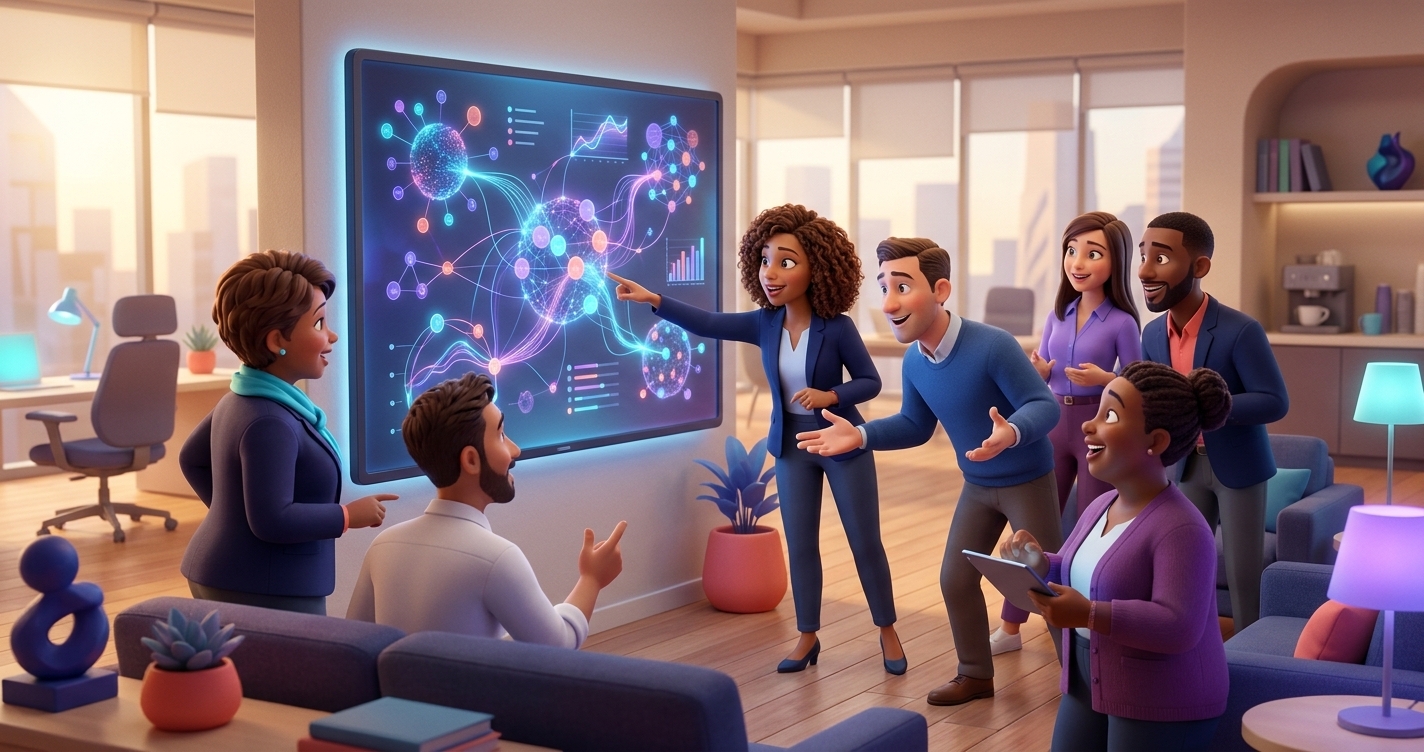
HR software that shows why not just what transforms basic workforce reporting into actionable intelligence, moving leaders from reacting to historical data to proactively understanding the root causes of employee turnover, disengagement, and hiring failures.
Key takeaways
- Traditional HR systems provide retrospective reporting on what happened, while modern workforce intelligence explains the underlying causes.
- Connecting disconnected HR data allows leaders to uncover patterns like attrition risk and hiring gaps before they compound.
- Understanding the 'why' requires integrating behavioural science, such as Work Personality, into your hiring and engagement strategies.
- Investing in causal insight helps mid-market and enterprise organisations move from transactional HR to strategic decision-making.
For decades, human resources technology has focused on tracking transactions. You can easily pull a report to see that your turnover rate increased by 15% last quarter, or that time-to-hire has stretched to 45 days. This is the "what" of your business. But when executives ask for the context behind these numbers, standard platforms fall silent.
This limitation stems from fragmented systems. Disconnected HR data is a common problem; most HR teams already have data, but it sits across systems and rarely informs decisions. When your applicant tracking system doesn't talk to your performance management tools, you are left with isolated data points that fail to tell a complete story.
In today's workplace, knowing what happened is no longer enough. To build high-performing teams, you need to understand the underlying drivers of human behaviour. You need a system that connects the dots between candidate assessment, employee engagement, and long-term performance.
The evolution of HR technology is shifting rapidly toward predictive and causal analysis. Industry experts note that HR analytics can move teams from retrospective reporting to forward-looking insight, where traditional reporting tells you what happened, while analytics helps you understand why it happened and what is likely to happen next.
Consider a scenario where a mid-sized company experiences a sudden spike in resignations within their engineering department. A legacy HRIS will simply log the exit interviews and update the headcount. In contrast, HR software that shows why not just what will analyse the data to reveal deeper trends. It might highlight that these employees shared a specific work preference, or that their engagement scores plummeted following a change in leadership style.
This level of insight allows HR leaders to intervene before a trend becomes a crisis. By identifying the root causes of workplace issues, you can design targeted retention strategies rather than relying on generic, company-wide initiatives.
Turnover is one of the most expensive challenges a business faces, yet many organisations struggle to diagnose its true cause. The difference between reporting and analytics is causal insight; basic reporting can show a turnover rate, but real analytics explains why top engineers leave, what predicts it, and which interventions work.
To get to this level of understanding, you need to look beyond surface-level metrics and incorporate behavioural science into your analysis. When you understand an individual's natural work preferences, you can see why they might be disengaged. For example, if a team member is naturally wired to seek structure and detail, placing them in a highly ambiguous, fast-paced role without clear guidelines is a recipe for burnout.
Modern platforms act as a workforce intelligence platform, combining sentiment analysis with behavioural data. This approach shifts the conversation from "We are losing people" to "We are losing people because our current processes do not align with their natural work styles."
The need for deeper insight is arguably most critical during the hiring process. A traditional résumé is the ultimate example of "what", it lists past job titles, responsibilities, and education. It tells you absolutely nothing about how a candidate will behave under pressure, how they collaborate, or whether they will align with your company culture.
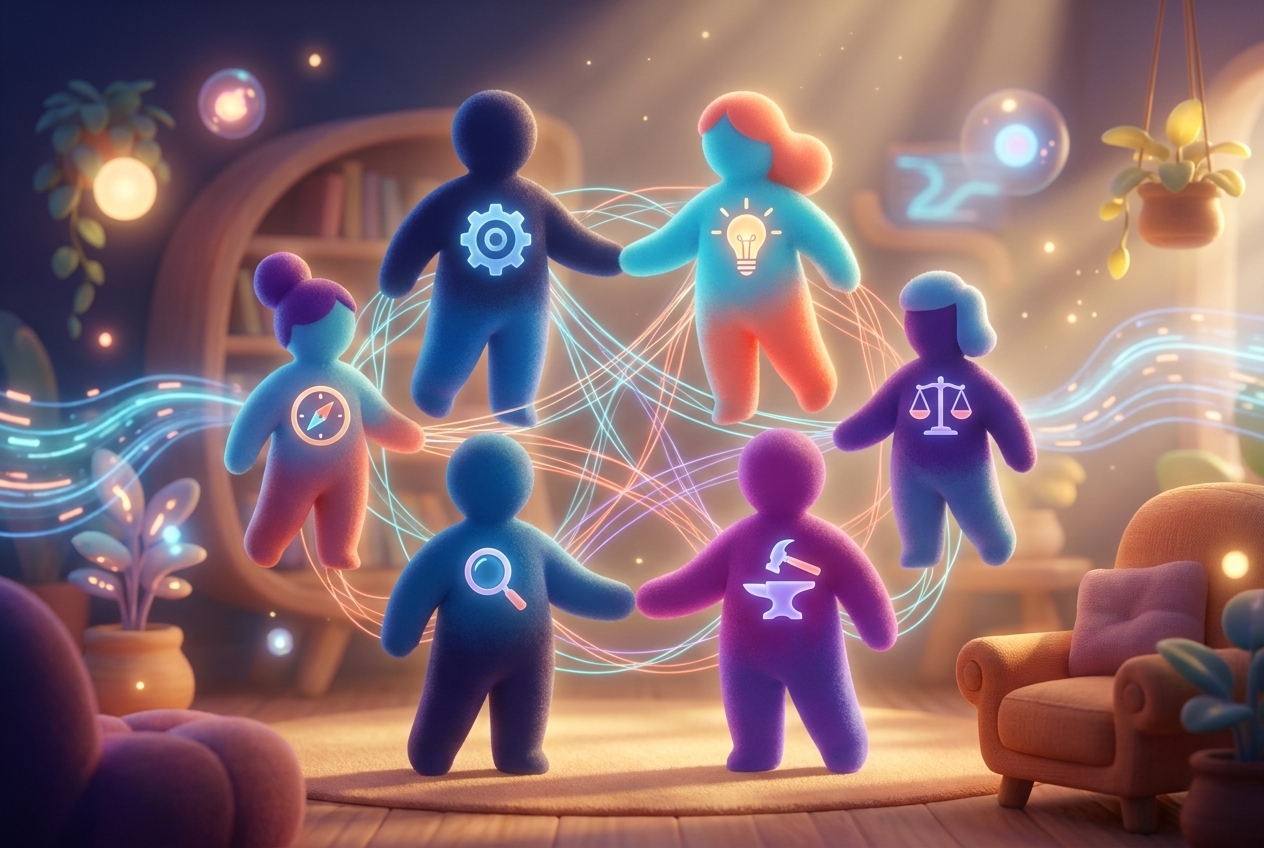
This is where understanding Work Personality becomes a big step forward. For instance, a candidate whose dominant trait is The Doer will bring a practical, results-driven approach to the team. If your current team is full of big-picture thinkers who struggle with execution, hiring a practical executor explains exactly *why* this new addition will balance team dynamics and drive success.
When you assess candidates across Organisation Fit, Skills, and Qualifications simultaneously, you stop guessing. You gain a comprehensive view of why a person is the right fit for the role and the culture, drastically reducing the risk of a bad hire.
To truly understand the "why" in your organisation, you must break down data silos. The market is increasingly recognising this need. Research shows that the global HR software market is expected to grow at a CAGR of 12.2% from 2024 to 2030 and could reach $36.62 billion by 2030, largely driven by buyers seeking this broader strategic value.
A true system of intelligence centralises your people data. It ensures that the insights you gather during the recruitment phase flow smoothly into onboarding, learning, and engagement initiatives. When your data is connected, you can track the entire employee lifecycle. You can see why a top performer in one department might struggle in another, or why a specific training program led to a measurable increase in team productivity.
By investing in technology that prioritises behavioural science and connected data, you equip your HR team to become strategic advisors. You stop reporting on the past and start shaping the future.
Moving beyond basic reporting requires a system built on behavioural science and workforce intelligence. We help you uncover the root causes behind your people data so you can build stronger, more engaged teams.
Related reading
HR reporting focuses on historical data and basic metrics, such as headcount or turnover rates (the "what"). HR analytics goes a step further by using data to uncover patterns, predict future trends, and explain the root causes behind employee behaviour (the "why").
When HR data is siloed across different systems, such as a separate ATS, payroll, and engagement tool, leaders cannot see the full picture of the employee lifecycle. This fragmentation makes it nearly impossible to connect hiring decisions to long-term performance and retention outcomes.
Behavioural science looks at natural work preferences and personality traits. By understanding how people naturally think, communicate, and approach tasks, HR leaders can explain why certain employees thrive in specific environments while others disengage, allowing for better hiring and management decisions.
A system of intelligence is a modern software platform that centralises people data and applies advanced analytics and behavioural science. It moves beyond transactional record-keeping to provide proactive, actionable insights that guide strategic workforce decisions.
Yes. Advanced HR software can surface early warning signs of turnover by analysing patterns in engagement scores, performance feedback, and behavioural alignment. By identifying these risks early, leaders can implement targeted interventions before an employee decides to leave.
1 min read
Implementing people analytics for mid-size companies without a data team requires choosing a platform that sits on top of your existing HR systems to...
1 min read
A workforce intelligence platform is an advanced software system that aggregates, analyses, and activates employee data, including skills, tasks,...
1 min read
An HR analytics platform is a digital solution that aggregates workforce data to help leaders make informed decisions about hiring, engagement, and...
 Mathan Allington