

.webp)

 Mathan Allington


SaaS HR platform: why modern teams need more than just software
 Mathan Allington
What a SaaS HR platform covers, where most stop at admin, and how connecting hiring, engagement and development turns people data into decisions.
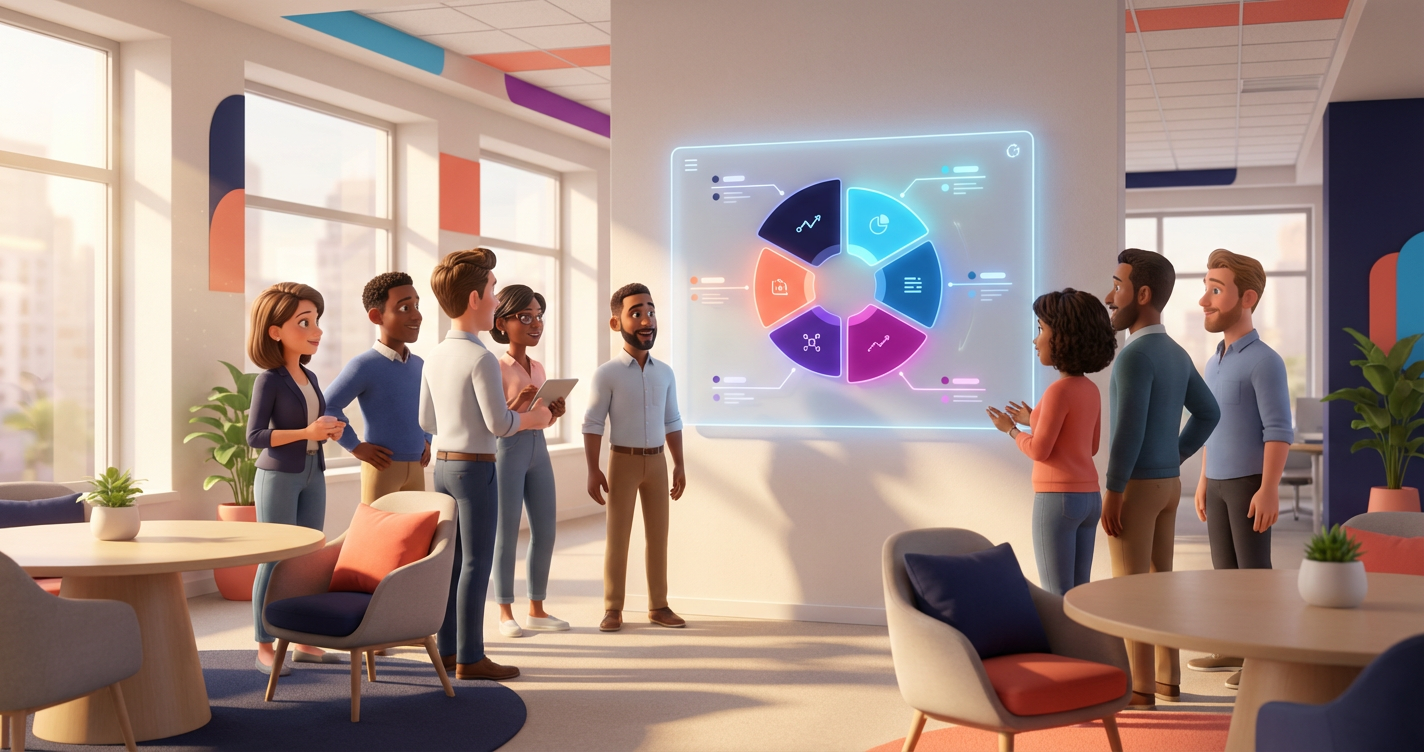
Strategic HR software is the part of the HR stack that helps you make people decisions rather than only record them. An administrative system stores who works here and what they are paid. Strategic HR software helps you decide who to hire, where capability is thin, which teams are at risk of losing people, and what the workforce needs to look like a year from now.
Last reviewed September 2026.
The label gets attached to almost everything, so it is worth a working test. Strategic HR software changes a decision. If the output of a system is a record or a report of what already happened, it is administration, and administration done well is genuinely valuable. If the output changes who gets hired, who gets developed, how a team is built or where budget goes next quarter, it is strategic.
In practice the category covers recruitment and candidate assessment, learning and capability, engagement and culture measurement, and the workforce planning and reporting that ties them together. What makes it strategic is not the module list. It is whether those parts share a view of the same person, so a hiring decision, a development plan and a culture result can be read against each other instead of living in four systems that agree on nothing except employee ID.
The cleanest way to see the difference is to line the decisions up against what each type of system can actually answer.
| What you need to decide | Administrative HR system | Strategic HR software |
|---|---|---|
| Who works here and what they are paid | Core function: records, payroll, leave, contracts | Usually reads it, rarely owns it |
| Who to hire for this role | Stores applications and tracks stages | Ranks candidates against the work the role actually requires |
| Why one team keeps losing people | Reports the turnover rate | Reads culture, engagement and team composition to point at a cause |
| What capability the business will need next year | Holds training records and completions | Maps capability against the roles in the plan and shows the gap |
| Whether the culture supports the strategy | Not in scope | Measures current and desired culture and reports the distance |
| How to defend a people decision to the board | Produces activity reporting | Produces evidence tied to a business outcome |
Most organisations need both, and the mistake is treating them as competing purchases. The difference between an applicant tracking system and an HRIS is the same argument in miniature, and it is where a lot of mid-market shortlists go wrong.

Planning is where the strategic claim gets tested, because it is the one activity that forces HR to commit to a number in front of a finance team.
Our workforce planning calculator covers the headcount side for free, and the workforce planning software guide goes deeper on what to look for in a planning tool specifically.
Tools that claim strategic alignment usually mean dashboards. Alignment is a sequence, and the software's job is to supply evidence at each step.
Start from a business objective that already exists, such as opening two new sites or moving from project work to recurring revenue. Translate it into the capability and behaviour that objective requires, which is where most alignment work quietly fails, because nobody writes it down. Measure what you have against that, using assessment and capability data rather than manager impressions. Then close the gap deliberately through hiring, development and team design, and measure again.
The measurement layer matters because it is what makes the argument defensible. Reporting that engagement is down invites a debate about survey methodology. Showing that a centralised decision-making culture is driving turnover intention in a specific team, with a measure behind it, invites a decision. That is the difference between people analytics as a reporting function and people analytics as an input to strategy.
The part most strategic HR tools leave out is the person. Two people with identical résumés contribute differently, and the difference is usually preference rather than skill: the work they are naturally drawn to and the conditions in which they do their best work.
Compono's model describes eight work personality types, which are Doer, Auditor, Helper, Advisor, Pioneer, Campaigner, Evaluator and Coordinator. The practical use is in seeing which of the eight work activities a team has covered and which it has not, rather than in labelling individuals, so a vacancy becomes a chance to fix an imbalance rather than a like-for-like replacement. It also changes development: an Advisor and a Campaigner need different growth paths, and offering both the same leadership program wastes half the budget.
The pressure usually arrives between about 60 and 1,000 staff. Below that, a leadership team can hold the picture personally. Above it, managers inherit teams they did not build, hiring decisions are made by people who never met the rest of the team, and the cost of a wrong call multiplies across sites.
Compono is built for that range, and it is a fit when the problem is people insight rather than payroll. If your immediate pain is award interpretation or payroll accuracy, a payroll or HRIS specialist will serve you better, and the Compono platform is designed to sit alongside those systems rather than replace them.
It cannot fix a manager who does not want to manage, and it cannot compensate for a strategy nobody has written down. Data makes a decision defensible; it does not make the decision. Organisations that get value from this category tend to have decided in advance which decisions they wanted to improve, and then bought accordingly. Organisations that buy the platform first usually end up with better dashboards and the same problems.
Compono connects hiring, culture, capability and competence, so the evidence behind a people decision sits in one place.
Talk to usSoftware that supports people decisions rather than only recording them. Where an administrative system stores who works here and what they are paid, strategic HR software helps you decide who to hire, where capability is thin, which teams are at risk and what the workforce needs to look like in a year. In practice it is usually recruitment, learning, engagement and culture measurement connected by a common view of the person.
An HRIS is a system of record: payroll, leave, contracts, compliance. Strategic HR software is a system of decision: assessment data, culture measurement, capability mapping and the reporting that ties them to business outcomes. Most organisations run both, because replacing a payroll system with a people intelligence layer solves the wrong problem.
Workforce planning software is one part of it. Planning tools model headcount, cost, span of control and attrition risk, which answers how many people and where. Strategic HR software adds who: the capability and work preference data that decides whether the roles in the plan can actually be filled from inside.
Start from a business problem with a number attached rather than from a feature list. Cost of vacancy, cost of a bad hire, regretted turnover in a specific team and time to productivity are the usual four. Then show what decision the software changes and what evidence it produces, because a finance team approves a decision improvement more readily than a better user experience.
Below about 60 staff a leader can usually hold the picture in their head, and the immediate return comes from getting hiring right rather than from an analytics layer. The value builds as headcount grows and managers start inheriting teams they did not build. Buying early is rarely wasted if the tool also does the day-to-day work.
Ask where employee data is stored, who inside your organisation can see assessment results, how long data is kept, and what the vendor does with it. Assessment data describes people, so it deserves tighter handling than a leave balance. Any answer that treats this as a compliance checkbox is a useful signal in itself.
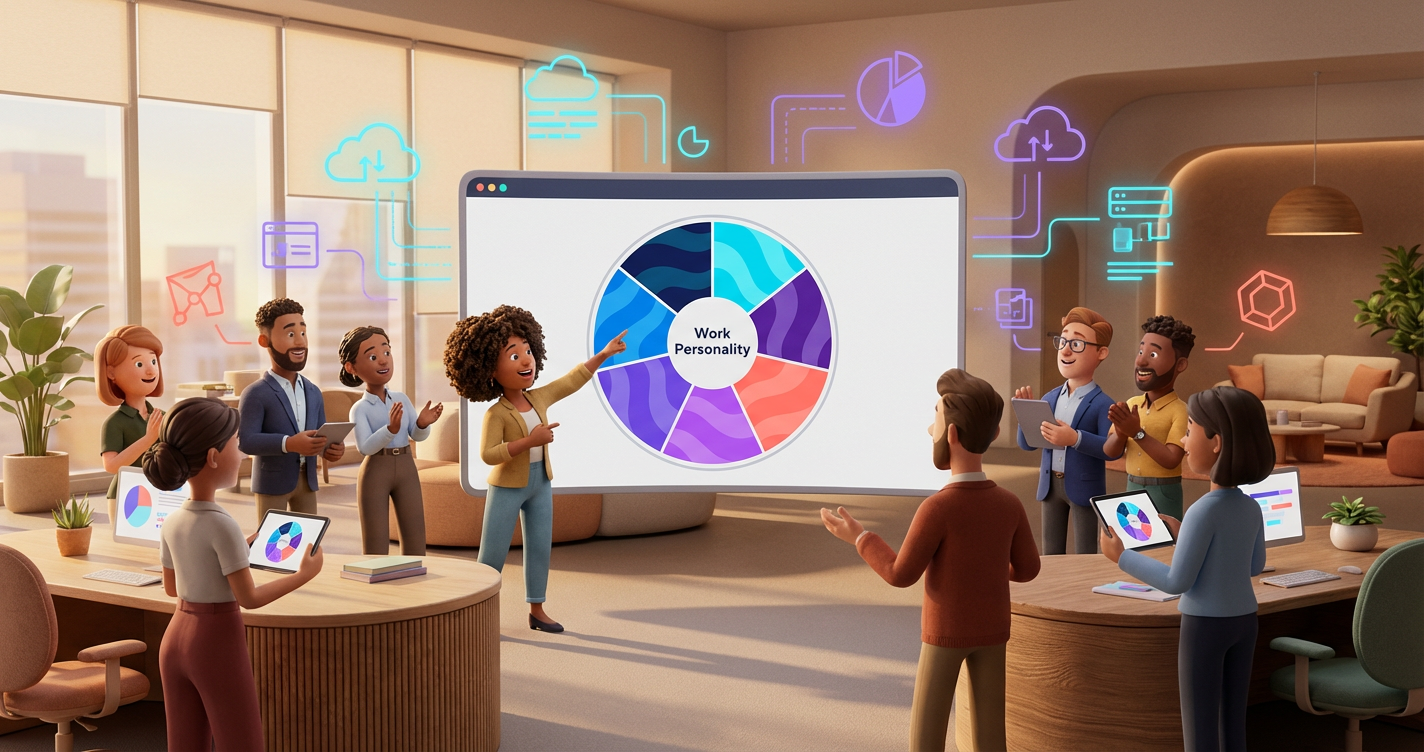
What a SaaS HR platform covers, where most stop at admin, and how connecting hiring, engagement and development turns people data into decisions.

How HR turns workforce data into a story the board will act on: which measures belong in the pack, and how to tie them to business risk.

What people management tools actually cover, where admin-only software stops short, and how to use people data for hiring and leadership decisions.