

.webp)

 Compono


1 min read
Beyond 360 degree feedback: Why HR leaders need system intelligence
 Mathan Allington
If you're researching 360 degree feedback software, you already know the basics. Multiple raters assess an individual. Anonymous surveys collect...

Executive leadership is often defined by the weight of high-stakes financial or strategic choices, but the most impactful HR decisions executives make are actually about people – and how those people are led. When you align your leadership style with the unique personalities of your team, you move beyond simple management into true organisational high performance.
For most senior leaders, the pressure to deliver results can sometimes obscure the human mechanics behind those results. You might find yourself making rapid-fire HR decisions – such as who to promote, how to resolve a departmental clash, or when to pivot a team's focus – without pausing to consider the underlying work personality of the individuals involved. This lack of alignment often leads to friction, disengagement, and a noticeable dip in productivity.
At Compono, we believe that understanding the 'why' behind human behaviour is the key to making smarter people choices. When executives overlook the psychological diversity within their teams, they risk implementing one-size-fits-all solutions that satisfy no one. True leadership requires a shift from viewing HR as an administrative function to seeing it as a strategic lever for performance.
Consider the impact when a leader makes a decision that clashes with a team member's natural tendencies. If you assign a highly structured task to The Pioneer, who thrives on innovation and risk-taking, you aren't just giving them work – you are likely stifling the very creativity that makes them valuable. Mastering these decisions starts with self-awareness and a deep dive into team dynamics.

Every executive has a default setting – a natural way of leading that feels most comfortable. This is largely influenced by your work personality. Some leaders are naturally directive, providing clear instructions and maintaining tight control. Others lean towards a democratic approach, valuing collaboration and team input above all else.
Research suggests there is no single 'best' leadership style, but there is a 'best' style for specific situations. For example, in a crisis, a directive approach is often essential for survival. However, when you are leading a team of highly skilled experts, a non-directive approach that grants autonomy might yield better results. The challenge for executives is learning how to flex between these styles based on the needs of the moment.
To help you navigate this, we have developed The Compono Culture, Engagement & Performance Model, which provides a framework for how leadership behaviour directly influences team outcomes. By recognising your own tendencies, you can begin to make more conscious HR decisions that support, rather than hinder, your people.
When you are making decisions about team structure or conflict resolution, the personality types of your staff should be your primary data point. Each of the eight work personality types brings something unique to the table, but they also require different types of support from executive leadership. Recognising these nuances allows you to tailor your communication and expectations.
For instance, The Evaluator is objective and logical. They want data-driven decisions and clear rationales. If you try to lead them with purely emotional appeals, you may lose their respect. On the other hand, The Helper prioritises harmony and team cohesion. An executive decision that ignores the emotional wellbeing of the group will likely cause a Helper to disengage.
At Compono, we help leaders reveal these insights through our People Intelligence Platform. By using the Compono Engage module, executives can gain a real-time pulse on team sentiment and personality alignment, ensuring that the HR decisions you make are backed by human data rather than just gut feel.
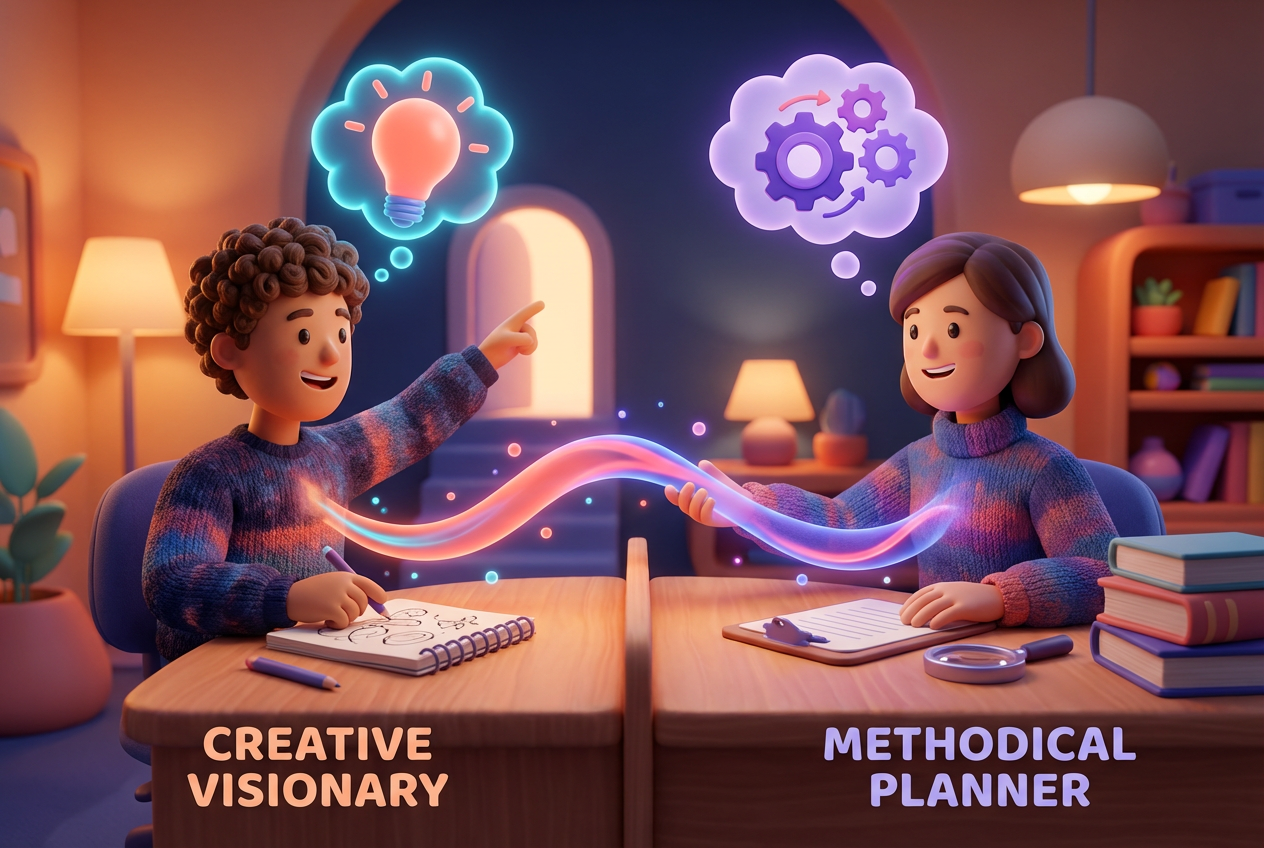
Conflict is an inevitable part of any high-growth business, but the way an executive handles it can either build or break team culture. Most workplace friction stems from a clash of work personalities rather than a lack of professional capability. When you understand these differences, you can mediate more effectively.
Imagine a clash between The Coordinator and The Campaigner. The Coordinator wants structure, deadlines, and a clear plan. The Campaigner wants to sell the dream and explore future possibilities without being bogged down by rules. As an executive, your role isn't to pick a side, but to help them find a middle ground where the Campaigner’s vision is supported by the Coordinator’s execution.
By framing conflict as a mismatch of natural preferences, you remove the personal 'sting' from the argument. You can encourage The Auditor to share their detailed feedback earlier in the process, or help The Doer connect their immediate tasks to the broader strategy. This level of sophisticated leadership turns tension into a catalyst for growth.
The most successful executives are those who can move along the leadership continuum – from directive to non-directive – with ease. This adaptability is especially important when you are managing a diverse group of leaders. If your direct reports include The Advisor, they will likely appreciate a collaborative, democratic style that allows them to weigh in on decisions.
However, if you are working with a team that lacks experience or is facing a tight deadline, you may need to step into a directive role to provide the necessary guardrails. The key is to be transparent about why you are shifting your style. When your team understands that your leadership behaviour is a response to the situation – and not a change in your personality – they are more likely to stay aligned with your goals.
To support this ongoing development, Compono Develop offers personalised learning paths that help leaders at all levels understand their blind spots and build the skills needed to lead diverse teams effectively. It’s about creating a culture of continuous improvement where every HR decision is an opportunity to learn.
The most critical decisions involve team design, leadership alignment, and culture-building. These choices dictate how effectively your people can execute your business strategy and whether they remain engaged over the long term.
Your personality influences your natural preferences for control, collaboration, and communication. For example, structured personalities often lean towards directive leadership, while more empathetic types may prefer democratic or supportive styles.
While your core personality remains relatively stable, you can learn to 'flex' your style. This involves consciously choosing a different approach – such as being more hands-off or more directive – depending on what the specific situation or team member requires.
Conflict can be reduced by fostering an environment where work personalities are understood and respected. When leaders acknowledge that colleagues have different ways of processing information and tasks, they can mediate disputes more objectively.
People intelligence provides executives with objective data about team dynamics, engagement, and personality fit. This moves HR decisions away from bias and guesswork, leading to more predictable and successful performance outcomes.
1 min read
If you're researching 360 degree feedback software, you already know the basics. Multiple raters assess an individual. Anonymous surveys collect...

1 min read
Giving feedback can feel a bit like walking a tightrope without a safety net. You want to be honest enough to spark change, but supportive enough to...

1 min read
Australian workplace safety training is often viewed as a box-ticking exercise, but for high-performing teams, it is the bedrock of a thriving...
 Compono