

.webp)

 Mathan Allington


1 min read
What is hiring software? A complete guide for modern teams
 Compono
Hiring software is a digital platform that helps businesses attract, evaluate, and manage candidates throughout the recruitment process. Instead of...
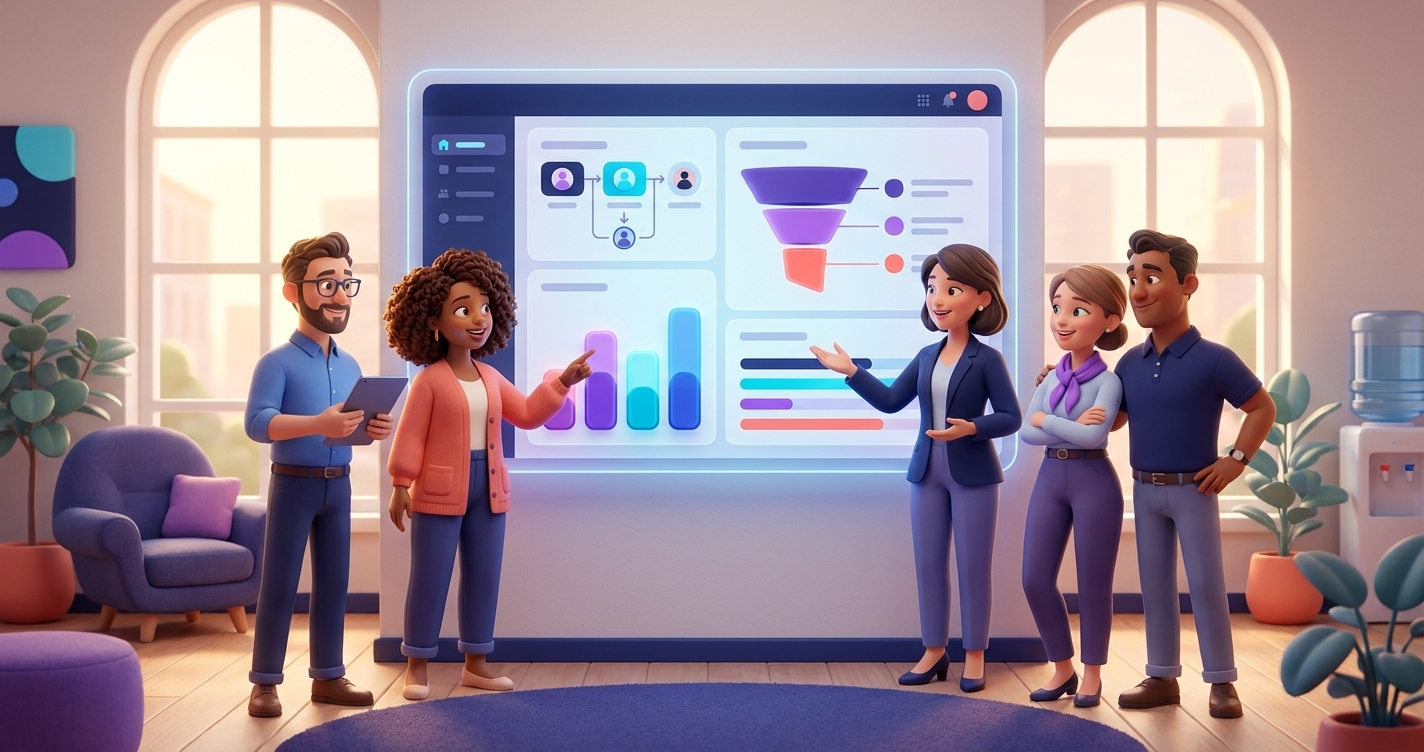
Hiring software for mid-sized companies is a dedicated talent acquisition platform designed to automate recruitment workflows, assess candidate fit, and scale with growing teams without the bloat of enterprise systems.
Key takeaways
- Mid-sized businesses need hiring software that bridges the gap between basic spreadsheets and complex enterprise systems.
- Modern platforms reduce time-to-hire by automating repetitive tasks and centralising candidate data.
- Integrating behavioural science and work personality assessments helps ensure long-term culture and role fit.
- Cloud-based applicant tracking systems (ATS) offer the scalability required for rapid growth phases.
Working through the "messy middle" of business growth is a unique challenge for HR and talent acquisition leaders. When a company expands beyond its startup roots but hasn't yet reached enterprise scale, its operational needs change drastically. Nowhere is this more apparent than in recruitment. Relying on shared inboxes, manual spreadsheets, and disjointed job boards quickly becomes a liability when you need to hire dozens or hundreds of people a year.
This is where dedicated hiring software for mid-sized companies becomes essential. According to Gitnux, 65% of mid-sized enterprises (500–5,000 employees) had adopted an ATS by 2023. As of 2026, that number continues to climb as organisations recognise that competing for top talent requires a simplified, professional, and data-driven approach. The right software not only organises the chaos but fundamentally improves the quality of your hires.
In the early days of a business, recruitment is often highly personal and relatively low-volume. A hiring manager might receive a few dozen CVs, conduct a handful of interviews, and make a decision based on gut instinct and a basic skills assessment. However, as the organisation scales, this ad-hoc approach begins to fracture. High application volumes lead to lost resumes, delayed communication, and a poor candidate experience.
manual processes are highly susceptible to human error and unconscious bias. When HR teams are bogged down in administrative tasks, like scheduling interviews and sending rejection emails, they have less time to focus on strategic talent mapping and relationship building. If you want to know how to avoid common hiring mistakes, the first step is removing the manual bottlenecks that cause them.
The data paints a clear picture of this technological divide. While 98% of Fortune 500 companies use ATS software, only about 20% of small and mid-sized businesses do, according to Gitnux. This gap represents a massive opportunity. Mid-sized companies that adopt modern hiring software gain a significant competitive advantage over their peers who are still relying on legacy methods.

Not all recruitment platforms are created equal. Enterprise systems can be overly complex, requiring months of implementation and dedicated administrators. Conversely, small business tools often lack the depth required for multi-stage interviews and compliance tracking. When evaluating hiring software for mid-sized companies, there are several critical features to prioritise.
First, look for solid automation capabilities. The ability to automate resume screening, interview scheduling, and candidate communications is a big step forward for lean HR teams. Research from Marketintelo shows that mid-size companies implementing recruitment software report 40–50% reductions in time-to-hire and $4,000–8,000 cost savings per hire. These savings are largely driven by automating repetitive administrative labour.
Second, prioritise platforms that incorporate behavioural science. Assessing a candidate's skills is only half the battle; understanding their work personality and how they will fit into your existing team dynamic is equally crucial. Understanding work personality allows you to make data-backed hiring decisions rather than relying on subjective interview impressions. For example, Compono Hire integrates these assessments directly into the recruitment workflow, ensuring you evaluate candidates holistically from day one.
Finally, ensure the platform is cloud-based and highly accessible. The cloud-based ATS segment accounted for 72% of total market revenue in 2023, according to Gitnux. Cloud solutions offer better security, easier updates, and the flexibility for hiring managers to review candidates from anywhere, a necessity in today's hybrid work environment.
One of the most significant advantages of implementing dedicated hiring software is the ability to build and nurture a proprietary talent pool. Mid-sized companies often operate with strict recruitment budgets, making it difficult to rely on expensive external agencies for every open role. A modern ATS allows you to centralise all past applicants, silver medallists, and passive candidates in one searchable database.
When a new position opens, your HR team can instantly search this pool for candidates who already have a relationship with your brand. Data from Urecruits highlights that many companies using ATS for mid-sized companies fill 30–40% of roles from their talent pool, significantly reducing both time-to-fill and overall recruiting costs.
Effective talent pooling requires software with strong tagging, filtering, and communication features. You need to be able to segment candidates by skill set, location, and previous interview performance, and then engage them with targeted campaigns when relevant opportunities arise. This proactive approach transforms your recruitment function from reactive order-taking to strategic talent acquisition.
Securing budget for new HR technology often requires a clear demonstration of return on investment. Fortunately, the business case for hiring software in mid-sized companies is solid. Beyond the immediate reductions in time-to-hire and agency spend, the long-term ROI is found in employee retention. Bad hires are incredibly costly, not just in terms of salary, but in lost productivity, lowered team morale, and management time.
By using software that standardises the interview process, reduces bias, and assesses candidates for true organisational fit, you dramatically increase the likelihood of making a successful, long-term hire. 78% of companies using recruitment software reported ROI within 6 months in recent surveys by Gitnux. This rapid time-to-value makes it one of the most impactful technology investments a growing company can make.
Ultimately, your hiring software should act as a smooth extension of your employer brand. A smooth, professional, and communicative application process signals to top talent that your organisation is organised, respectful of their time, and a great place to work. In a competitive market, that candidate experience is often the deciding factor in winning the best people.
Ready to scale your team with a platform built for modern recruitment? Compono helps mid-sized businesses simplify their talent acquisition with behavioural science and intelligent automation.
Related reading
An Applicant Tracking System (ATS) is a specific type of hiring software focused primarily on managing resumes, tracking candidate progress through pipeline stages, and ensuring compliance. Hiring software is often a broader term that can encompass an ATS, but may also include advanced features like psychometric testing, video interviewing, and onboarding modules.
Implementation timelines vary depending on the complexity of the platform and the size of your organisation. However, for mid-sized companies choosing modern, cloud-based solutions, implementation typically takes between two to six weeks. This includes system configuration, workflow customisation, and training for your HR team and hiring managers.
Yes, modern hiring software plays a crucial role in reducing unconscious bias. By standardising interview questions, using objective scoring rubrics, and integrating scientifically validated behavioural assessments, the software helps hiring managers focus on data and capabilities rather than subjective gut feelings.
Most leading hiring platforms are designed to integrate smoothly with your broader HR tech stack, including Human Resources Information Systems (HRIS), payroll software, and communication tools like Slack or Microsoft Teams. This ensures data flows smoothly from the moment a candidate applies to their first day as an employee.

1 min read
Hiring software is a digital platform that helps businesses attract, evaluate, and manage candidates throughout the recruitment process. Instead of...

1 min read
Australian companies use a variety of Applicant Tracking Systems (ATS) depending on their size and sector, with JobAdder, PageUp, and Employment Hero...

1 min read
The best Greenhouse alternatives depend on why you're switching: Compono Hire for culture-fit hiring in the mid-market, Lever for a combined ATS and...
 Mathan Allington