

.webp)

 Compono


1 min read
Cognitive ability test employment guide for better hiring
 Mathan Allington
A cognitive ability test for employment measures general mental ability: how quickly a candidate learns new information, solves problems and makes...
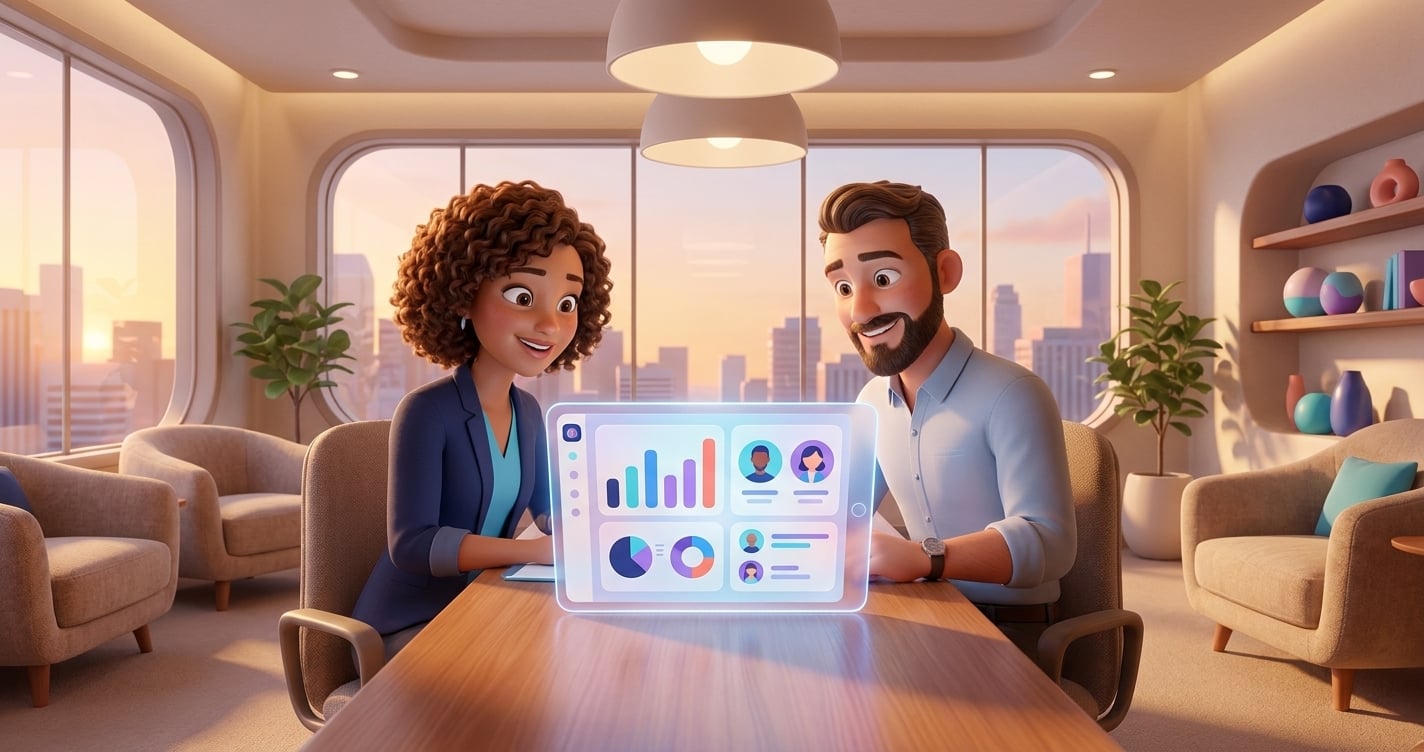
When you ask what is the best assessment platform, the answer is clear: the best platform is one that evaluates a candidate's work personality and organisational fit alongside their technical skills, rather than relying on past experience alone.
Key takeaways
- The most effective assessment platforms look beyond basic skills to measure how a person naturally prefers to work.
- Predicting long-term success requires evaluating organisational fit rather than relying on subjective gut feelings.
- Modern tools use behavioural science to remove unconscious bias from the hiring process.
- A smooth candidate experience during the assessment phase directly impacts your employer brand.
We keep coming back to the same problem in recruitment. Hiring managers review a stack of resumes and try to guess who will perform best. The reality is that past experience rarely predicts future success in a completely different environment.
Resumes are essentially marketing documents. They show historical tasks and polished achievements. They completely fail to show how a person handles stress, communicates with peers, or approaches problem-solving.
Relying on standard interviews offers little improvement. Unstructured interviews are notoriously subjective. We naturally favour candidates who share our hobbies or communication style, which leads to homogenous teams and poor hiring outcomes.
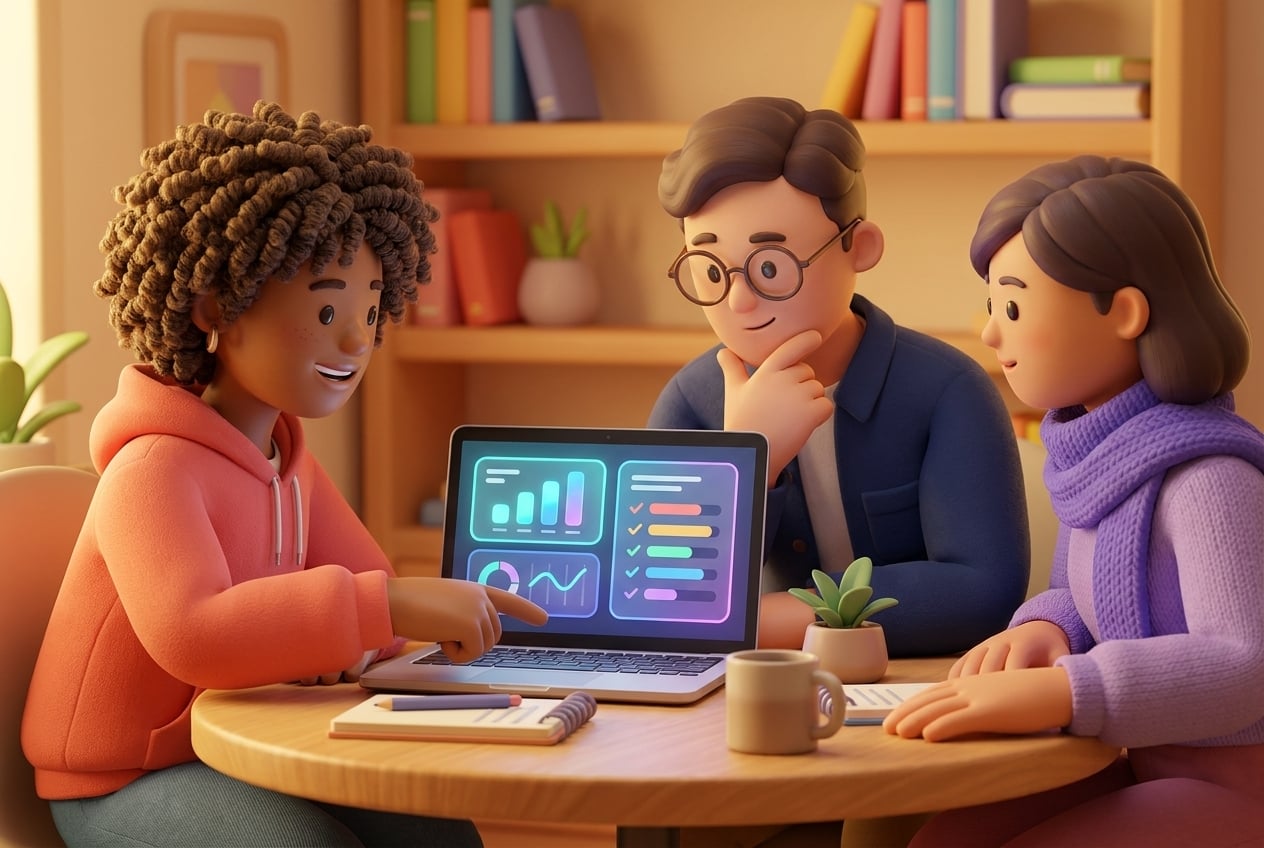
If resumes and standard interviews are flawed, we need a better way to predict performance. The best assessment platforms solve this by measuring inherent behavioural traits. They look at the psychological drivers that dictate how someone behaves at work.
Technical skills can be taught. You can train a new hire to use your specific software or follow your internal procedures. You cannot easily train someone to be naturally detail-oriented or highly adaptable to rapid change.
When you evaluate candidates based on their natural behavioural tendencies, you get a much clearer picture of their potential. You can see whether they will thrive in your specific work environment or struggle against their natural inclinations.
Every person has a natural preference for how they approach their daily tasks. Some people love routine and structure. Others crave variety and open-ended problem-solving.
A top-tier assessment platform will measure these preferences accurately. At Compono, we refer to this dominant preference as a person's work personality. Understanding this concept changes how you build and manage your teams.
Consider a scenario where you need someone to execute a highly structured project. You want someone who naturally gravitates toward practical, task-oriented work. Identifying a candidate as The Doer gives you confidence that they will find fulfilment in that specific role.
Many businesses talk about hiring for "culture fit." This phrase is incredibly problematic. Culture fit often translates to hiring people who look, think, and act exactly like the current team.
The best assessment platforms help you hire for organisational fit instead. This means evaluating whether a candidate's values and working style match the actual behaviours required for the role and the company's broader goals.
Compono Hire takes this exact approach. It provides a structured way to assess candidates across Organisation Fit, skills, and qualifications. This gives hiring managers a complete, objective view of every applicant before the first interview even happens.
Human beings are biased. We make snap judgments based on names, educational backgrounds, and physical appearances. These biases actively harm our ability to build high-performing teams.
An objective assessment platform acts as a safeguard against these natural human flaws. By standardising the evaluation process, you ensure every candidate is measured against the exact same criteria.
When you rely on data rather than gut feeling, you naturally build more diverse teams. You start hiring people based on what they can actually do, rather than who they know or where they went to school.
High employee turnover is a massive drain on business resources. When a new hire leaves within the first six months, managers often blame the candidate's work ethic or attitude.
If you find yourself constantly wondering why new hires fail, you need to look at your selection process. Early turnover is almost always a tools and process problem, not a people problem.
Using a high-quality assessment platform drastically reduces early attrition. When you match people to roles that suit their natural working style, they stay longer and perform better. They feel competent and engaged from day one.
A common mistake companies make is forcing candidates through hours of tedious testing. This approach actively drives top talent away. Good candidates have options, and they won't tolerate a frustrating application process.
The best assessment platform balances deep scientific validity with a friction-free user experience. The tests should be engaging, easy to complete on a mobile device, and respectful of the candidate's time.
When a candidate completes an assessment, they should feel like they learned something valuable about themselves. A positive assessment experience strengthens your employer brand, even for the candidates you don't hire.
Collecting data is only half the battle. The real value of an assessment platform lies in how it presents that data to your hiring managers.
Raw psychological scores are useless to the average manager. They need clear, actionable insights. The platform should provide easy-to-read reports that highlight a candidate's strengths, potential blind spots, and natural working style.
These insights should directly inform your interview process. Instead of asking generic questions, managers can use the assessment data to probe specific areas of concern or explore a candidate's unique strengths in detail.
Key insights
- Choosing the right assessment platform transforms recruitment from a guessing game into a predictable science.
- Platforms that integrate psychometrics and behavioural science provide a massive advantage in candidate selection.
- The true value of an assessment tool is its ability to predict retention and performance, rather than just screening resumes.
Ready to upgrade your hiring process with a platform built on behavioural science?
You should look for a platform that measures behavioural traits and organisational fit, rather than just technical skills. It needs to offer a smooth candidate experience, provide clear reporting for managers, and use validated behavioural science to ensure accuracy.
Yes, when they are scientifically validated and specifically designed for the workplace. Good work personality assessments predict how someone will behave on the job, how they handle stress, and whether they will naturally enjoy the tasks required for the role.
A good assessment should take between 10 and 20 minutes. If it takes longer, you risk candidate drop-off. Modern platforms use sophisticated algorithms to gather deep psychological insights without forcing candidates through hundreds of repetitive questions.
Absolutely. By focusing on objective data and standardising the evaluation process, assessment platforms prevent hiring managers from making decisions based on unconscious biases related to a candidate's background, appearance, or interview performance.
Skills testing measures what a person currently knows, like their proficiency in a specific software program or coding language. Behavioural assessment measures how they work, including their problem-solving style, communication preferences, and natural motivations.

1 min read
A cognitive ability test for employment measures general mental ability: how quickly a candidate learns new information, solves problems and makes...
1 min read
To predict who will succeed in a role, measure the things that actually drive performance: work personality, culture alignment and team fit,...

1 min read
Ever wondered why some teams just click and others seem to struggle, even if every individual is talented? The secret often lies in understanding...