1 min read
Team effectiveness assessment tools for high performance
Team effectiveness assessment tools measure how well a team's mix of work personalities, culture, and engagement supports performance. The best ones...
Voice or text coaching built on psychology. For you, your team, or the candidates you place.
A coach that actually gets you.
Get 10 minutes free, then $15 a month. Cancel anytime.
Get Started ≫3 min read
Mathan Allington
Updated on July 7, 2026
Personality assessment tools measure how people naturally behave and prefer to work, usually through structured self-report questionnaires. Organisations use them to predict job fit, and to guide team design and development. The tools vary enormously in quality, so knowing the main categories and what makes a result trustworthy matters more than any single brand name.
Last reviewed July 2026.
Most workplace personality tools fall into a few families, and they were built for different purposes.
Clinical inventories. The earliest instruments, such as the Minnesota Multiphasic Personality Inventory (MMPI), were designed in clinical settings to identify psychological health issues. They shaped the field, but they were never intended for hiring decisions and rarely belong in one.
Type indicators. Tools like the Myers Briggs Type Indicator (MBTI) sort people into categories. Types are memorable and give teams a shared language, which explains their popularity. Their weakness is that most type tools were built for self-awareness and conversation, and the research support for using them to predict job performance is thin.
Trait inventories. Modern psychometrics mostly measures traits on continuous scales, qualities like conscientiousness, openness, agreeableness and emotional stability. Trait-based tools built on sound research have the strongest evidence base for workplace prediction.
Work-style and behavioural assessments. The newest generation focuses on observable work preferences: how a person approaches tasks, collaboration, pressure and change in a work context specifically. Because they measure behaviour at work rather than personality in the abstract, their results translate more directly into hiring and team decisions.
Four properties separate a valid instrument from an online quiz.
Ask any vendor for their evidence on these four points. A credible provider will have it documented; a quiz dressed up as science will change the subject.
In recruitment, personality data adds a dimension the CV cannot show. A resume tells you what someone has done. It says nothing about how they will behave in your team, under your pressures. Assessing work personality during the application process lets hiring managers weigh behavioural fit alongside skills, which improves job fit and reduces the mismatch turnover that follows CV-only hiring. Compono Hire builds this in: candidates complete assessments as part of applying, and results sit next to skills data on the shortlist.
In team design, aggregated profiles show the shape of a team: which ways of working are over-represented and which are missing. A leadership group full of analytical profiles may be superb at risk and weak at bringing people along. Seeing that on a map turns a vague sense of "something is off" into a specific gap you can hire or develop against.
In development, a validated profile gives managers and employees a shared, non-judgemental language for strengths and stretch areas. Development conversations built on measured preferences land better than generic competency templates, and they help people move toward work that suits how they operate.
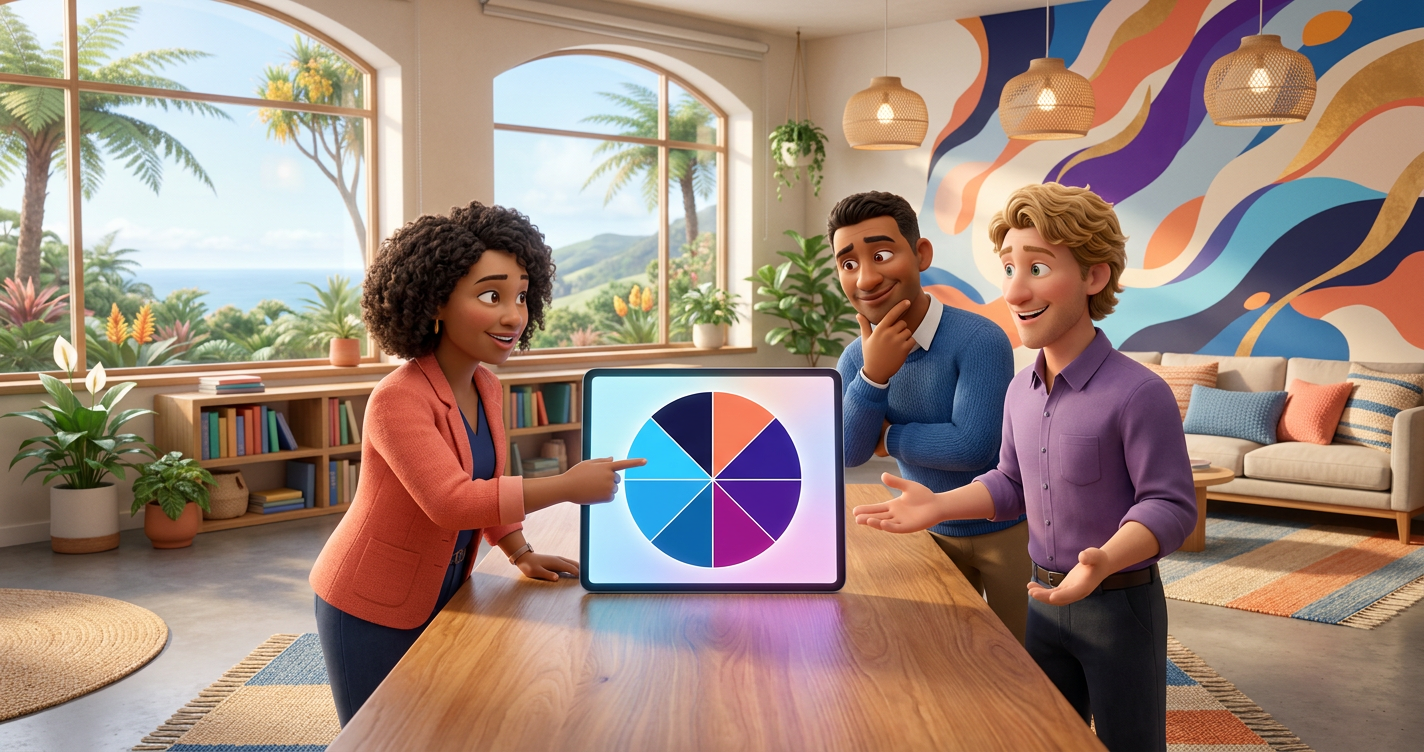
Compono's Work Personality framework is a work-style assessment built by organisational psychologists. It maps people to eight work personalities: the Doer, the Auditor, the Helper, the Advisor, the Pioneer, the Campaigner, the Evaluator and the Coordinator. Each represents a distinct way of approaching work, and high-performing teams need those eight ways of working covered between their members, whatever the headcount.
You can experience it directly: the public Work Personality assessment is free, takes 4 questions and about 2 minutes, and returns your type when you enter your details. The full framework runs inside the Compono platform, where it powers candidate matching in recruitment and team-level insight for managers.
Four questions, about two minutes, built on organisational psychology. Find out how you naturally work best.
Take the Free AssessmentThey measure stable patterns in how a person behaves and prefers to work, typically through structured self-report questionnaires. Workplace-focused tools concentrate on work-relevant behaviour, such as how someone approaches tasks, collaboration, pressure and change.
Some are, many are not. Validity depends on the instrument: it needs standardised administration, documented reliability, evidence linking scores to work outcomes and demonstrated fairness across groups. Tools built for self-discovery or entertainment should not drive hiring decisions.
The Doer, the Auditor, the Helper, the Advisor, the Pioneer, the Campaigner, the Evaluator and the Coordinator. Each describes a distinct way of approaching work, and effective teams have all eight ways of working covered between their members.
The free public version asks 4 questions and takes about 2 minutes, then returns your work personality type when you enter your details. The complete framework operates inside the Compono platform for recruitment and team design.

Compono Hire helps you predict job-fit and team-fit using behavioural science, so you can shortlist with confidence.
Request a demoBuilt for mid-market hiring teams.

Voice-first coaching that adapts to your personality. Get actionable steps you can take this week.
Start freeBuilt by Compono. Not therapy — practical behaviour change.
1 min read
Team effectiveness assessment tools measure how well a team's mix of work personalities, culture, and engagement supports performance. The best ones...
1 min read
Work Personality is a way of understanding candidates by how they naturally work, not just what their CV says they have done. It looks at behaviour,...
1 min read
To fix a dysfunctional team, find the cause before you treat the symptoms. Most dysfunction traces back to one of four sources: broken trust, avoided...