


 Mathan Allington

Best HireVue alternatives 2026: buyer's guide and comparison
 Mathan Allington
Compare the best HireVue alternatives for 2026. Discover pricing, features, and how to choose candidate assessment software that applicants actually.

The best Zoho Recruit alternatives give hiring teams more than just a place to park resumes; they match candidates to your culture, automate complex workflows and make migrating your existing talent pool simple.
Last reviewed November 2026
Quick answer
- Price: Zoho Recruit starts at approximately $25 per month, while alternatives range from $15 to over $299 per month depending on features and team size.
- Best for: In-house HR teams and agency recruiters who need strategic insight to build high-performing teams, rather than just tracking compliance.
- Verdict: Choose Compono Hire if you want to evaluate candidates for culture fit alongside skills, or select a niche CRM if you run a high-volume search agency.
Many hiring teams start with Zoho Recruit because it is accessible and straightforward. It offers a structured way to post jobs, parse candidate information and collect resumes. The system is well known in the industry. According to ATLAS, Zoho Recruit has a 4.4/5 rating on G2 from more than 1,800 reviews. The entry price is also highly competitive. Rankite notes that Zoho Recruit's paid plans start at approximately $25 per recruiter per month when billed annually.
However, cost and ratings do not tell the whole story. As an organisation grows, the basic functionality that once felt sufficient begins to create friction. The primary issue with traditional platforms is that they treat hiring entirely as a process risk. They track compliance, log emails and move candidates from one column to another. They manage the paperwork. But they completely ignore people insight risk. A traditional system cannot tell you if the candidate who looks brilliant on a resume will clash with your team culture.
Scaling teams also encounter hard limits on capacity. The Cognitive reports that Zoho Recruit's Corporate edition includes a free tier capped at one active job, while paid plans support up to 10 or 20 active jobs per license depending on the plan. This rigid cap forces growing businesses to upgrade their entire subscription simply to keep hiring at volume. When you only measure qualifications and restrict active jobs, you miss the behavioural traits that determine retention and limit your ability to scale rapidly.
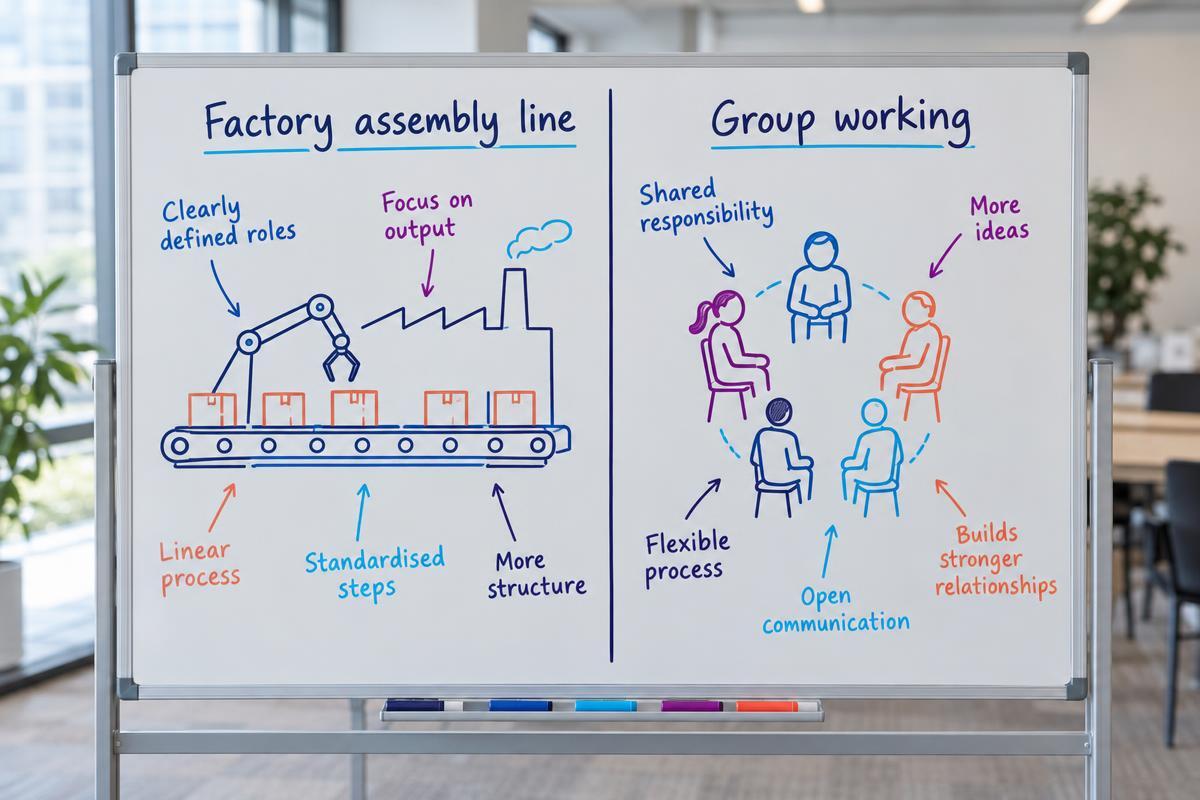
If you have decided it is time to upgrade your recruitment technology, these four platforms represent the strongest options on the market. We have ordered them based on their ability to handle different hiring workflows.
Compono Hire is an applicant tracking system that goes beyond managing the recruitment process. Instead of just parsing keywords from a CV, it uses behavioural science to show you who will actually thrive in your organisation. This is the difference between managing process risk and managing people insight risk. Most traditional platforms only track the paperwork. Compono Hire evaluates candidate fit across organisational culture, job requirements and personality preferences.
When you align the person with the culture, turnover drops and engagement rises. In a practical application, The Coffee Club case study demonstrates how Compono Hire delivered one consistent hiring standard across 400 stores, resulting in an 8 percent lower turnover rate. The platform integrates native psychometric assessments directly into the application flow, removing the need to string multiple third-party tools together.
Manatal has built a strong reputation around its use of artificial intelligence and machine learning. The platform automatically scores candidates based on the job description and their past experience. This makes it highly efficient for teams that receive hundreds of applications for a single role. The broad distribution network ensures your job advertisements reach a global audience with very few clicks.
While the AI matching is fast, it focuses almost entirely on historical experience and keyword density. This approach helps reduce the initial pile of resumes but does not provide deep insight into a candidate's behavioural traits or how they will interact with your existing team changing.
Workable is a heavyweight in the corporate human resources sector. It offers a massive array of features, from requisition approvals to complex interview scheduling and global compliance management. If your organisation operates across multiple countries and requires strict adherence to various regional labour laws, Workable provides the necessary infrastructure. If you are comparing applicant tracking systems, Workable often stands out for its sheer scale.
The drawback to this comprehensive approach is the cost and complexity. Starting Workable requires significant time and training. For mid-market companies that want agility and deep candidate insights without a massive enterprise footprint, the platform can feel overwhelming.
Recruiterflow is built specifically for the staffing industry. The Cognitive notes that Recruiterflow is used by more than 2,100 search firms globally. It functions as both an applicant tracking system and a sales customer relationship management tool. Agencies use it to run automated email sequences, track client conversations and manage their sales pipeline alongside their candidate pool.
Because it is designed for agencies, it excels at speed and outreach. However, it does not attempt to solve the problems faced by internal HR leaders. It lacks native tools for assessing team fit, cultural alignment or post-hire engagement.
| Platform | Primary audience | Key strength | Starting price |
|---|---|---|---|
| Compono Hire | Mid-market in-house HR | Culture and behavioural fit | Pricing on request |
| Manatal | Agencies and high-volume | AI candidate scoring | $15 per user/month |
| Workable | Established corporate teams | Global compliance tools | $299 per month |
| Recruiterflow | Executive search firms | Sales CRM and automation | $149 per user/month |
Compono makes Compono Hire. We've included it and kept every entry's strengths and limits honest.
Moving data out of Zoho Recruit can be painful if you do not plan the transition thoroughly. You need to map custom fields, export candidate notes and ensure historical compliance data remains intact. Many vendors promise easy migrations during the sales process. The reality is that moving thousands of applicant records across different database structures requires manual data mapping and careful auditing.
We advise running a clean slate for historical candidates. Rather than trying to port every resume you have received over the last five years, only migrate your active talent pools and mandatory compliance records. This approach prevents you from clogging your new platform with outdated, irrelevant resumes. When you export your data from Zoho, run a thorough clean-up in a spreadsheet before importing it into your new system. Ensure your new vendor provides a dedicated implementation specialist who understands how Zoho formats its export files.
What a staffing firm needs is fundamentally different to what an internal HR team requires. Agencies operate on volume and speed. They need a strong sales CRM to manage their clients alongside their candidates. They want multichannel sequencing, client submission portals and fast bulk-emailing tools. If you are focused on improving recruitment agency workflows, you need a system that prioritises client communication and rapid sourcing.
In-house teams, on the other hand, need cultural alignment. A bad hire costs an internal team directly in lost productivity, wasted training budgets and damaged morale. Therefore, an in-house team needs tools that assess candidate fit rather than just processing speed. If you run an internal team, prioritise platforms that offer validated psychometric assessments built directly into the application flow. You can read more about the shortcomings of traditional hiring methods to understand why measuring behaviour is just as vital as measuring skills.
Cost per seat is often a misleading metric when evaluating new recruitment software. The base subscription fee rarely covers the total cost of ownership. When comparing alternatives to Zoho Recruit, you must factor in the hidden costs that appear after signing the contract. These often include fees for third-party integrations, premium job board distribution credits and mandatory implementation charges.
Portal usability also impacts your actual return on investment. A platform with deep features is completely useless if your hiring managers refuse to log in. You need an interface that non-HR staff can work through without formal training. Finally, candidate experience is vital. Lengthy application forms and forced account creations cause significant drop-offs. The right platform balances the HR team's need for structured data with a simple, respectful application process for the candidate.
If you are tired of merely tracking resumes and want to start matching candidates to your organisational culture, we can help. Compono Hire brings process compliance and people insight together in a single, intuitive platform.
Companies typically move away from Zoho Recruit when they outgrow its job posting caps or require deeper insights into candidate culture fit. Scaling teams often find that while Zoho manages the basic paperwork well, it lacks the advanced behavioural assessment tools required to build high-performing, aligned teams.
Migrating data requires careful planning. While Zoho allows you to export your candidate records, mapping that data to a new system takes time. We recommend cleaning your data first and only migrating active candidates and necessary compliance records to avoid cluttering your new system.
An applicant tracking system focuses on managing the hiring workflow, compliance and candidate evaluation for a specific open role. A recruitment CRM is designed to build long-term talent pools and manage sales relationships, which makes it particularly useful for staffing agencies.
Yes. Platforms like Compono Hire integrate behavioural and psychometric assessments directly into the application flow. This allows you to evaluate a candidate's preferred work style and cultural alignment before you even conduct the first interview.
Pricing varies widely based on features and team size. Basic systems start around $15 to $25 per user per month, while comprehensive enterprise systems can cost hundreds of dollars per month. Always evaluate the total cost of ownership, including integration and implementation fees, rather than just the base subscription price.

Compare the best HireVue alternatives for 2026. Discover pricing, features, and how to choose candidate assessment software that applicants actually.
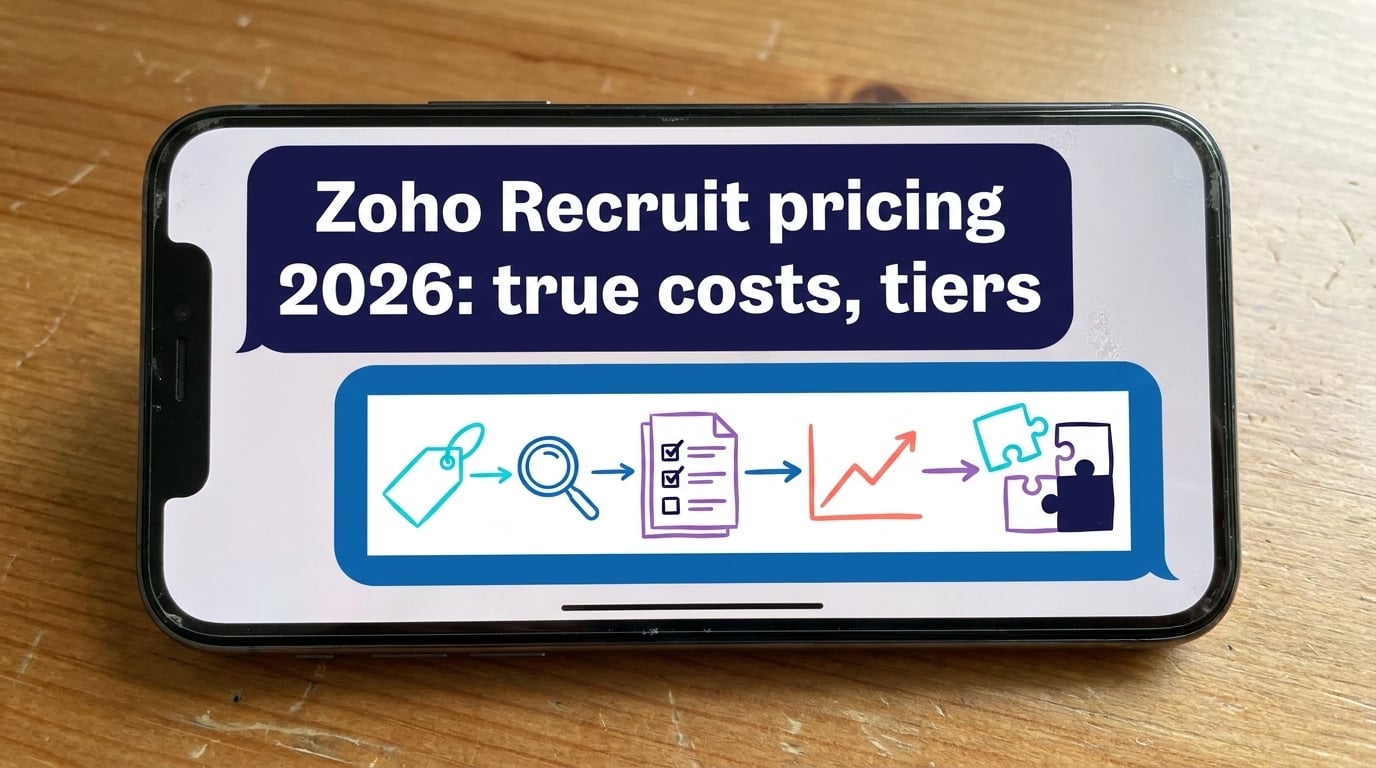
The true cost of Zoho Recruit in 2026. We break down the pricing tiers, add-on fees, and how it compares to culture-first ATS alternatives.

What an applicant tracking system does, what Australian teams need (SEEK, Privacy Act, local support), the core features, and how to choose one in...