


 Mathan Allington

SmartRecruiters Pricing 2026: Tiers, Hidden Costs, and Alternatives
 Compono
What SmartRecruiters costs in 2026: the $14,995 Essential plan, quote-based enterprise tiers and how the per-employee-per-year model adds up.
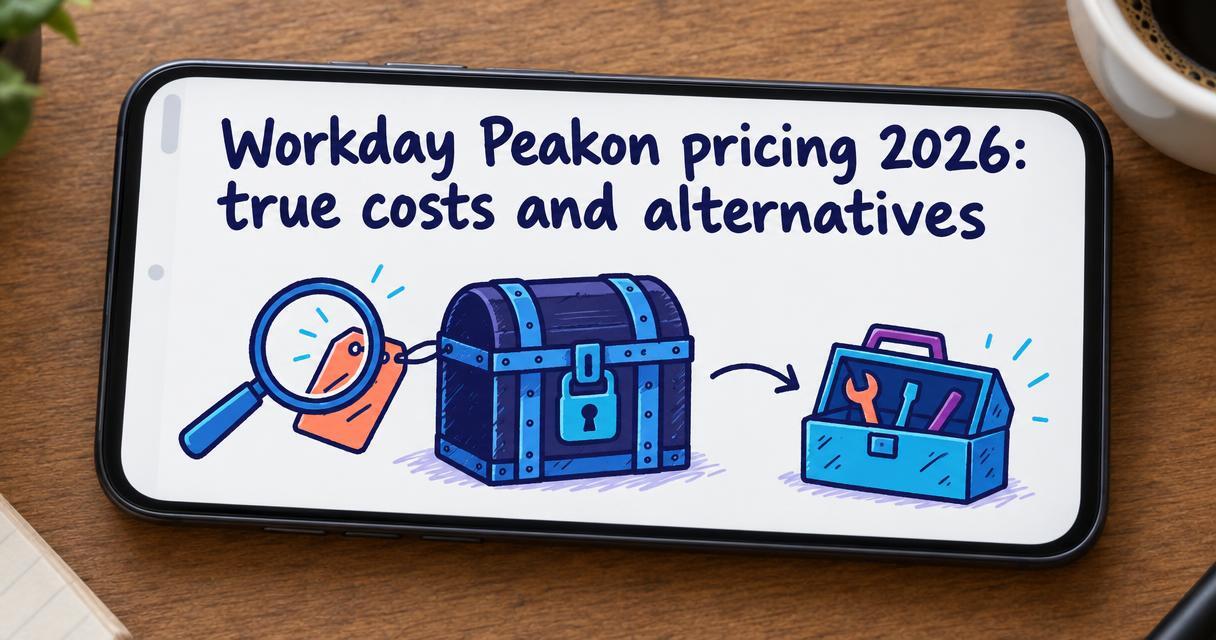
Workday does not publish US pricing for Peakon Employee Voice directly, but public filings reveal that mid-market subscriptions start around £50.10 per employee annually, while large enterprises pay closer to £14.58.
Last reviewed October 2026
Quick answer
- Price: Estimated at £50.10 down to £14.58 per user annually on public frameworks, or around $13 to $17 per user in benchmark data, plus substantial implementation fees.
- Best for: Large enterprise organisations already embedded in the Workday set of tools.
- Verdict: A powerful enterprise listening tool that requires a significant budget and multi-year commitment, making it less accessible for mid-market teams.
Budgeting for enterprise HR software is notoriously difficult. Vendors hide their rates behind sales calls, making it hard to build a business case before you commit to a lengthy procurement cycle. Workday Peakon is a prime example. The platform is highly regarded for its continuous listening capabilities, but understanding the total cost of ownership requires piecing together public sector filings and third-party buyer data.
For HR leaders in mid-market organisations of 600 to 1,000 employees, knowing these baseline figures is vital. You need to know if the platform fits your budget before you invest weeks in vendor meetings. You also need to understand what the sticker price excludes. Software subscriptions rarely cover the full cost of rolling out a complex employee listening strategy.
This guide breaks down the most reliable public data on Workday Peakon pricing for 2026. We will look at per-user subscription tiers, implementation fees, average contract sizes, and how the platform compares to alternatives. This information will help you budget accurately and ask the right questions during your software evaluation.
Workday operates predominantly in the enterprise space. Like most enterprise software vendors, they price their products based on the specific needs, scale, and existing infrastructure of the buyer. Workday does not publish US pricing for Peakon Employee Voice; deals are quoted individually. This approach allows them to package solutions tightly with their core Human Capital Management system.
The downside for buyers is a lack of transparency. When a vendor does not list standard pricing, you lose your initial point of comparison. You cannot easily weigh the financial impact of rolling out a continuous listening tool against other strategic HR investments. This opacity forces buyers to rely on benchmark data and public sector procurement records to estimate their potential spend.
The lack of public pricing also highlights a broader issue in HR technology. Many platforms focus entirely on managing process risk, meaning they track survey completion rates, workflow approvals, and basic sentiment metrics. This is necessary but not sufficient. Process-first tools often miss the people insight risk, which is the danger of missing deep cultural shifts or ignoring the specific behaviours that drive team performance. If you are paying a premium enterprise price, you need a tool that delivers genuine behavioural insight, not just automated pulse surveys.
While private sector pricing remains hidden, government procurement frameworks offer a transparent look at how Workday scales its fees based on headcount. A UK public-sector framework lists Peakon subscription rates from £50.10 per employee annually for organisations with 600 to 1,000 employees to £14.58 for organisations with more than 50,000 employees. This data provides the clearest baseline available for scaling costs.
The pricing curve clearly favours massive enterprises. The same framework lists annual per-employee rates of £40.08 for 1,500 employees and £28.68 for 5,000 employees. For a mid-market organisation of 800 people, the annual software subscription alone sits around £40,000. It is also important to understand the contractual expectations attached to these figures. The UK framework pricing assumes a three-year subscription term and covers the customer’s full employee headcount. You cannot selectively license a small subset of your workforce to save money.
Outside the public sector, benchmark data suggests similar patterns for commercial buyers. A third-party 2026 pricing benchmark estimates Peakon at $13 to $17 per employee annually for organisations with 500 to 1,000 employees, though these figures are not published Workday prices. The true cost for your organisation will depend heavily on your negotiation use and whether you are bundling Peakon with other Workday modules.
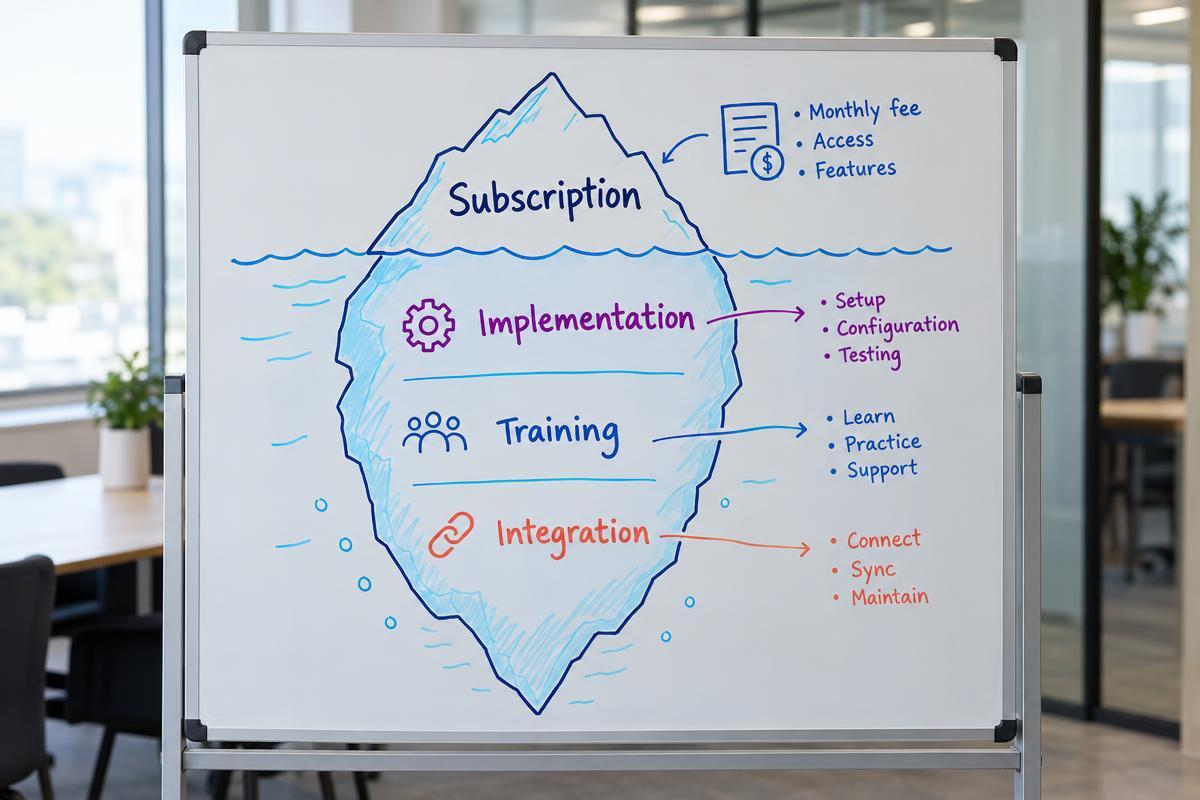
The per-user subscription is only the first line item on an enterprise software contract. The hidden costs often catch mid-market HR teams off guard. Setting up a continuous listening platform requires mapping complex organisational hierarchies, configuring data privacy settings, and training managers to interpret results. Deployment, education, and training are excluded from Peakon subscription fees under the UK framework.
These deployment costs are substantial. Peakon deployment packages on the UK framework range from £12,000 for “Launch ME Base” to £55,000 for “Your Way Premium.” A base launch package typically covers standard configuration and basic administrator training. If your organisation has complex reporting lines, multiple geographic regions, or requires custom integration with a non-Workday HRIS, you will likely need a premium deployment package.
When you build your business case, you must factor in these upfront costs alongside the recurring software fees. You should also account for the internal resource time required to manage the rollout. Disengaged employees cost money, and tools like the Presenteeism Cost Calculator can help quantify that loss, but fixing it requires a tool that fits your practical budget and deployment capacity.
Looking at total contract values helps ground these per-user estimates in reality. Smaller mid-market teams often find that minimum spend requirements push their total contract value higher than a simple per-user calculation would suggest. A 2026 buyer-report database found a median Peakon contract value of $11,500 annually, based on seven reported purchases. This figure likely represents the lower boundary for smaller organisations securing entry-level commercial terms.
When you consider how HR software pricing works, the total cost of ownership over a three-year period is the most accurate way to evaluate a platform. A mid-market company of 1,000 employees might pay £50,000 annually for the software, plus a £20,000 deployment fee. Over a standard three-year contract, the total investment reaches £170,000. This scale of investment demands absolute certainty that the tool will drive measurable behavioural change across the business.
This is where mid-market HR leaders need to ask tough questions about value. Does your team have the capacity to act on the vast amount of data an enterprise platform generates? If managers cannot translate sentiment scores into better daily interactions, the return on investment will fall flat.
Workday Peakon is a heavy-duty solution. For many organisations, there are alternative continuous listening platforms that deliver actionable insights without the enterprise price tag or the mandatory three-year commitment. You need to weigh the cost against the specific problems you are trying to solve.
| Platform | Estimated Price | Best For | Limits |
|---|---|---|---|
| Compono Engage | Pricing on request | Mid-market teams wanting deep culture insight | Requires commitment to acting on behavioural data |
| Workday Peakon | £14.58 to £50.10 per user (public sector estimate) | Large enterprises using Workday HCM | High implementation costs and long lock-in periods |
| Culture Amp | Pricing on request | Companies focused on performance management | Can be complex to configure for smaller teams |
| Lattice | $11 to $15 per user per month | Startups building performance review cycles | Engagement features are secondary to performance |
Compono makes Compono Engage. We've included it and kept every entry's strengths and limits honest.
When evaluating these alternatives, pay close attention to what exactly the platform measures. Standard engagement tools tell you if people are happy today. Modern HR teams need platforms that measure company culture beyond sentiment. Understanding the underlying behaviours and alignment of your team provides a far better return on your software investment.
Workday Peakon delivers sophisticated natural language processing and excellent benchmarking capabilities. If you are a multinational enterprise of 20,000 employees already using Workday for your core HR functions, the smooth integration and scale make Peakon a logical choice. The high implementation fees and multi-year commitments are standard expectations at that end of the market.
For mid-market organisations of 600 to 1,000 staff, the value equation is different. Tying up a massive portion of your HR technology budget in a single listening tool restricts your ability to invest in hiring, learning, and competency development. You risk buying an enterprise engine for a mid-market chassis. You get incredible diagnostic power, but you may lack the budget or internal resources to actually drive the car.
Your primary goal is to build a thriving, connected workplace. The best software choice is the one that gives your leaders clear, actionable insights they can use immediately. Complex heatmaps and predictive attrition models are impressive, but practical culture measurement that links directly to team performance is what actually moves the dial for growing businesses.
Compono Engage is an employee engagement and culture assessment platform that goes beyond basic sentiment scores. It measures twelve validated culture dimensions to give you complete visibility over team alignment, helping you understand both how your people feel and how they behave.
Workday does not publish standard commercial pricing for Peakon Employee Voice. Sales teams quote deals individually based on your total headcount, contract length, and whether you are bundling the tool with other Workday products.
Software subscriptions rarely cover the setup process. Buyers must budget separately for deployment packages, which cover system configuration, data mapping, and administrator training. Public sector data shows these packages can range from £12,000 to £55,000 depending on complexity.
Enterprise vendors typically require long-term commitments. Benchmark data indicates that pricing models are generally built around mandatory three-year subscription terms, locking organisations in for an extended period.
No, the pricing models generally require you to license the software for your full employee headcount. Enterprise listening strategies rely on comprehensive data, so vendors structure their contracts to cover every employee in the organisation.
Peakon operates as a standalone product and can integrate with other HR information systems. However, organisations already using Workday HCM often find it easier to justify the cost due to the native integration and unified user experience.

What SmartRecruiters costs in 2026: the $14,995 Essential plan, quote-based enterprise tiers and how the per-employee-per-year model adds up.
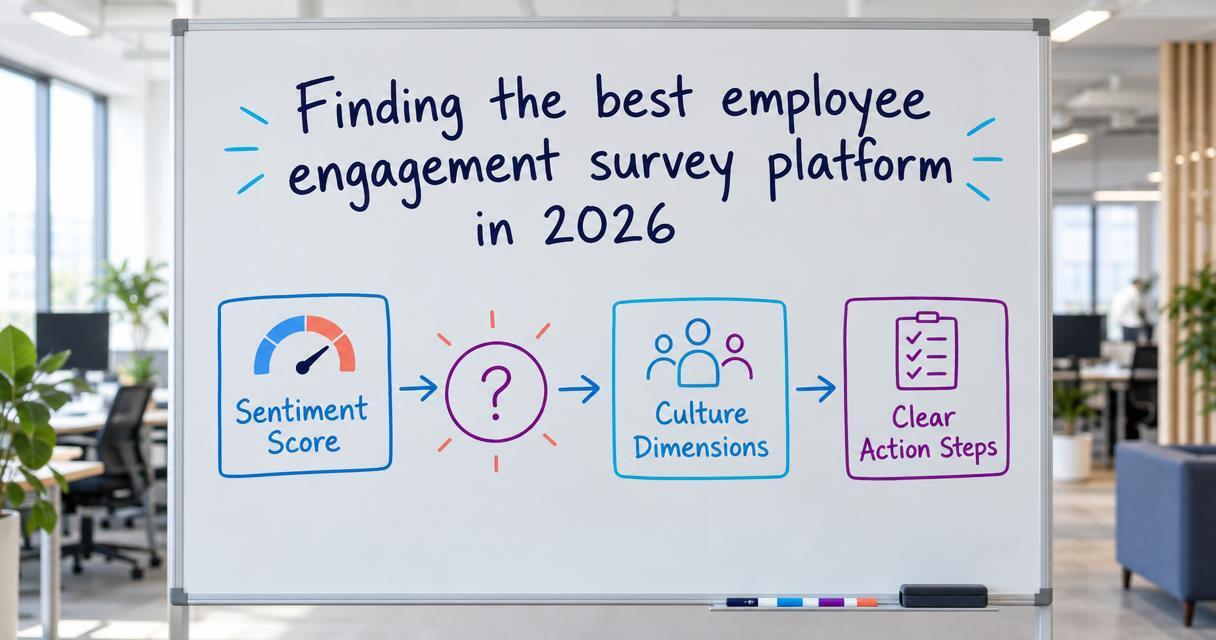
Stop paying for pulse surveys that only tell you what is wrong. Discover how the best employee engagement survey platform shows you exactly what to...

A side by side look at 15Five, Lattice, Qualtrics and Compono for engagement and culture work, with what each one is genuinely good at.
 Mathan Allington