

.webp)

 Mathan Allington


1 min read
Effective performance drivers at work for modern teams
 Mathan Allington
Performance drivers at work are the individual motivations, environmental conditions and team dynamics that determine how effectively people deliver....

Work style compatibility is how well people's natural working behaviours, communication habits and problem-solving methods fit together in a team. When styles align, collaboration feels easy. When they clash, projects stall and good people quietly start looking for the exit.
Last reviewed July 2026.
Technical skill gets someone through the door. How they work with others decides whether a project moves or grinds. Once you can see those natural tendencies, you can design for them instead of leaving them to chance.
Key takeaways
- Work style compatibility is about aligning natural working behaviours, not just matching technical skill sets.
- The eight work personality types give managers a shared language to predict friction before it happens.
- High-performing teams balance different styles, from big-picture Pioneers to detail-focused Auditors.
- Adapting how you lead to your team's mix lifts engagement and lowers turnover.
Most of us have been on a team that looked perfect on paper but felt disjointed in practice. Brilliant individuals who cannot agree on a direction. Or a group so fixed on the big picture that small details fall through the cracks. That is rarely a talent problem. It is a compatibility problem.
When work styles clash, the cost shows up everywhere. Projects drag because of circular debates. Talented people leave because they feel misunderstood. We tend to read these moments as personality conflicts, when they are usually two valid ways of reaching the same goal. One person wants to move fast and adjust later. Another needs the data and the risk picture first.
The strongest teams are not built from identical people. They are built from people who understand how their differences fit together. Spot those traits early and you can turn diversity of thought into a practical advantage rather than a daily source of stress.
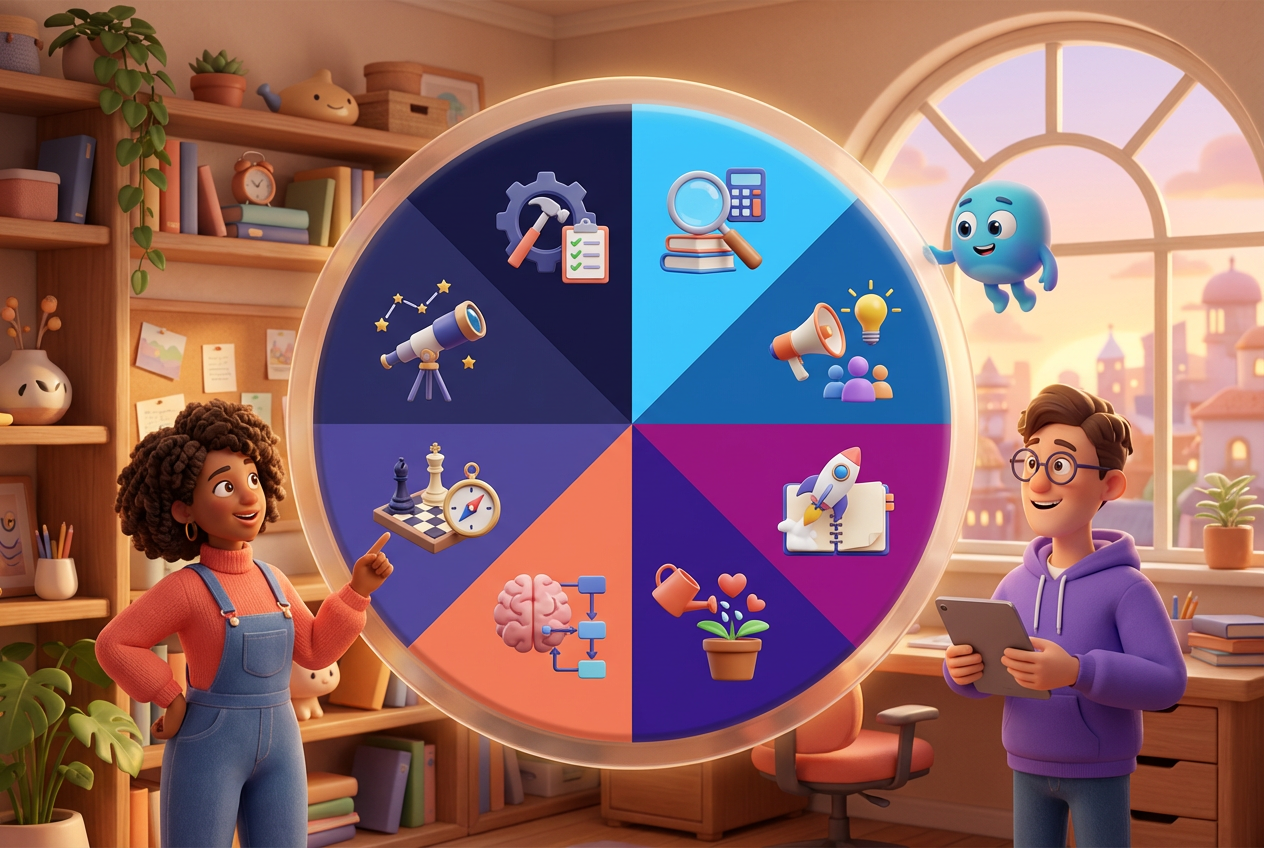
To improve compatibility, you need a shared way to describe how people work. The Compono work personality framework maps eight types, each bringing a distinct strength to a team.
Pioneers thrive on new ideas and push the boundaries of what is possible. Auditors are methodical, careful and focused on precision. A team stacked with Pioneers might never finish. A team of only Auditors might never start. Compatibility comes from holding both.
Doers are the practical, reliable force that gets tasks over the line on time. Pair a Doer with a Campaigner, who is persuasive and vision-led, and you get an engine that can both sell an idea and deliver it. Once you can see these dynamics, you can staff projects around the style each task actually needs.
Leadership is not one fixed approach. The most effective leaders flex to match what their team needs, which starts with knowing your own natural tendencies. A directive leader might manage a team of Doers well, because they want clear instructions, yet stifle a group of Pioneers who need room to explore.
Broadly, leadership sits across three modes: directive, democratic and non-directive. A directive approach means high control and clear goals, which matters in a crisis or with inexperienced staff. As trust grows, moving toward a democratic or non-directive style tends to bring out more engagement. That flexibility is what separates a good manager from a great one.
If you are not sure where your team sits, look at how decisions get made. Are you the sole architect of the plan, or does the team find its own path? The Compono Engage module helps leaders see these relationships and work out where to adjust.
You can improve compatibility in an existing team, but the most efficient path is to weigh work style during hiring. Traditional hiring leans on the CV, the skills and experience someone brings. That tells you half the story. It does not tell you whether they will thrive in your specific environment or grate against your current star performers.
Assess work personality early and you can spot the missing pieces in your team. If your group is highly analytical but has no one to rally people, look for an Advisor or a Campaigner. This kind of intentional team design means every new hire adds capability rather than a fresh friction point. Lyre's used exactly this approach to scale from 4 to 70 people across five continents in two years while keeping quality high.
This is where Compono Hire earns its place. It assesses candidates on organisation fit, including work personality, so you hire for long-term compatibility rather than skill alone. Get the fit right on day one and new starters become productive faster and stay longer.
Improving compatibility is ongoing work. It starts by making the invisible visible. When people understand why a colleague behaves the way they do, frustration often turns into appreciation. An Auditor's constant questioning stops looking like obstruction and starts looking like a genuine check on quality.
Run short sessions where people share how they work best. Ask plainly what they need to do their best work, what colleagues do that makes their job harder, and what feedback actually lands for them. Those conversations build the safety a team needs to gel. The aim is a culture where being different is fine, as long as the differences are understood and put to use.
Work style compatibility comes down to respect: recognising there are many valid ways to work and lead. Stop forcing everyone into one mould, design around natural strengths, and performance tends to follow. That principle sits at the heart of the Compono Culture, Engagement and Performance Model.
The free work personality assessment takes about two minutes and shows which of the eight types describes how you naturally work.
Take the Free AssessmentPersonality is your broad set of traits. Work style is how those traits show up on the job: how you complete tasks, communicate with colleagues and handle responsibility. Work style is the more practical lens for building a team.
Yes. Compatibility improves with awareness and communication. When people understand each other's natural work personalities, they adjust their expectations and their collaboration to reduce friction.
No. Teams with too many similar styles carry big blind spots. High-performing teams benefit from a range of styles. The skill is compatibility: knowing how to make different styles work together.
It does. People who feel their style clashes with their team or manager are far more likely to burn out and leave. Aligning style with role and team is a practical way to keep good people.
1 min read
Performance drivers at work are the individual motivations, environmental conditions and team dynamics that determine how effectively people deliver....
1 min read
Heads of people use work personality tests to align individual natural strengths with specific team activities, ensuring that every role is filled by...

1 min read
A personality test for work ANZ helps teams identify natural work preferences to improve collaboration, reduce conflict, and boost overall...
 Compono