

.webp)

 Mathan Allington


How a team personality assessment unlocks high performance
 Mathan Allington
How a team personality assessment maps work preferences, balances strengths and reduces friction, so your team covers every way of working it needs.

The right team collaboration software does more than manage tasks and messages. It fits the way your people naturally work, matching each person to the work that energises them so the tool reduces friction instead of adding to it.
Last reviewed July 2026.
Most tools focus on the how of a project. The teams that get the most out of them also account for the who, making sure the software supports the different ways your people think, decide and contribute.
Key takeaways
- The best collaboration tools align with natural work personalities to reduce friction and burnout.
- Good software supports directive, democratic and non-directive leadership styles as the situation changes.
- High-performing teams cover eight core activities, from evaluating and coordinating to helping and doing.
- Software choice should follow team capability, task urgency and the need for fresh ideas.
We have all seen it. A project starts with high energy, then within weeks the digital workspace becomes a cluttered mess of missed notifications and mismatched expectations. You might have the most expensive collaboration software on the market and your people still feel disconnected. That usually happens because we treat software as a purely functional layer rather than a human one. We expect a tool to fix communication, but if it ignores how your team members naturally think and work, it can create more noise.
The problem is rarely the features. It is the lack of alignment. Force a highly creative person into a rigid, detail-heavy workflow, or leave a methodical person in an ambiguous, open-ended one, and the software becomes a barrier. To build a high-performing culture, look past chat and tasks and consider how your digital environment supports the different ways people contribute to a shared goal.
Compono has spent more than a decade researching what makes teams thrive. That work shows high-performing teams consistently cover eight key activities: evaluating, coordinating, campaigning, pioneering, advising, helping, auditing and doing. When you are choosing collaboration software, ask whether it helps these different work personality types do their best work.
Coordinators thrive on structure and clear process. They need software that lets them set priorities, apply targets and hold deadlines. Pioneers need flexibility and room for out-of-the-box ideas. Too rigid and your Pioneers feel stifled. Too loose and your Coordinators feel chaos. The sweet spot is a platform with enough structure for the Doers and enough open space for the Campaigners to sell the vision and keep everyone motivated.
How you use your collaboration software often reflects your leadership style. Leadership runs on a continuum from directive to non-directive, and your software should be flexible enough to support each approach as the situation calls for it. In a crisis you might need a directive approach, giving clear instructions through a centralised task board. In creative phases a democratic approach that invites input is better served by shared whiteboards and open discussion threads.
Teams struggle when their software only supports one style of leadership. A tool that is purely a to-do list forces a directive style. A tool that is just a chat app can become a vacuum where nothing gets decided. Workforce intelligence helps you read when to flex. Once you understand the personalities on your team, you can use your tools to offer the right amount of guidance or autonomy at the right time.

Your choice also depends on the complexity of the work at hand. When a task is urgent and complex, your software needs to support quick decisions and close monitoring. This is where Evaluators earn their keep, spotting risks and setting efficient action steps to keep the team focused. They need access to data and clear logic inside the tool to support their analysis.
If your team is experienced and the task is not urgent, a lighter touch works better. Give the team the freedom to manage themselves and you make room for fresh thinking, letting Auditors focus on precision without being micromanaged. Any good collaboration tool should reduce the cognitive load on your team so they can focus on the work itself, not the mechanics of talking about it.
The next step in collaboration is not a better chat app, it is better insight. Plenty of platforms help you see what your team is doing. Few help you see how they are feeling or how they are best suited to work. This is where the Compono Engage module adds a deeper layer. By bringing engagement data and personality insight into your leadership routine, you can tell whether your collaboration software is actually helping or quietly feeding burnout.
Once you understand that a Helper on your team might be avoiding conflict in the digital workspace to keep the peace, you can step in and create a safer space for them to raise concerns. Software should be a mirror that reflects the health of your team, not just a window into their output. Pair the right tools with workforce intelligence and you build an environment where every individual feels seen and supported to do their best work.
Key insights
- High-performing teams rest on eight essential work activities that your digital tools need to support.
- Collaboration software should adapt to your team, whether they need directive structure or room to self-manage.
- Understanding work personalities like the Doer, Evaluator and Pioneer lets you tailor how you use the tools.
- The best technology balances task execution with the human side of engagement.
See the work personalities on your team, then choose and configure collaboration software that plays to their strengths instead of fighting them.
Talk to usLook beyond project completion rates. Are your people engaged? Is there a lot of noise but little signal? If your team feels buried in notifications or certain personality types are withdrawing, your software may be misaligned with your culture.
Software does not resolve conflict, but it can surface the transparency you need to spot it. Tools that highlight different work preferences help leaders see where styles clash, such as a fast-paced Campaigner and a methodical Auditor, and open a better conversation.
Not necessarily. You need one source of truth for tasks, but different work personalities will use the tool differently. A Coordinator might live in the timelines while an Advisor spends more time in the discussion spaces. Flexibility matters.
The most important feature is how well the tool fits your team's natural workflow and personality mix. It has to support the eight core work activities, from pioneering new ideas to the practical doing of tasks, to be genuinely useful.
Remote teams need software that replaces the watercooler moments and social cues. Choose a platform that handles structured task management and informal connection so your Helpers and Advisors still feel part of the mission.
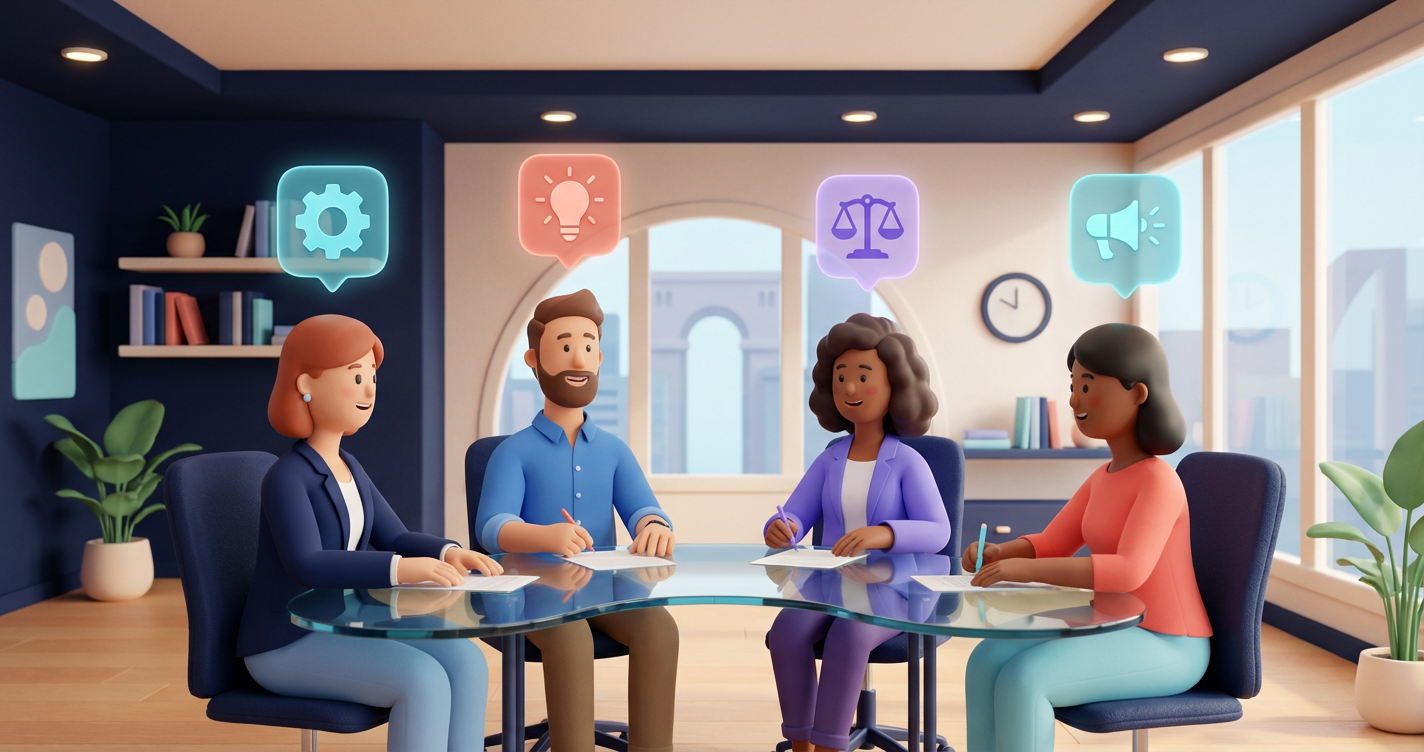
How a team personality assessment maps work preferences, balances strengths and reduces friction, so your team covers every way of working it needs.

The real performance drivers at work are fit, safety and team balance. What each one changes, and how work personality fits in.
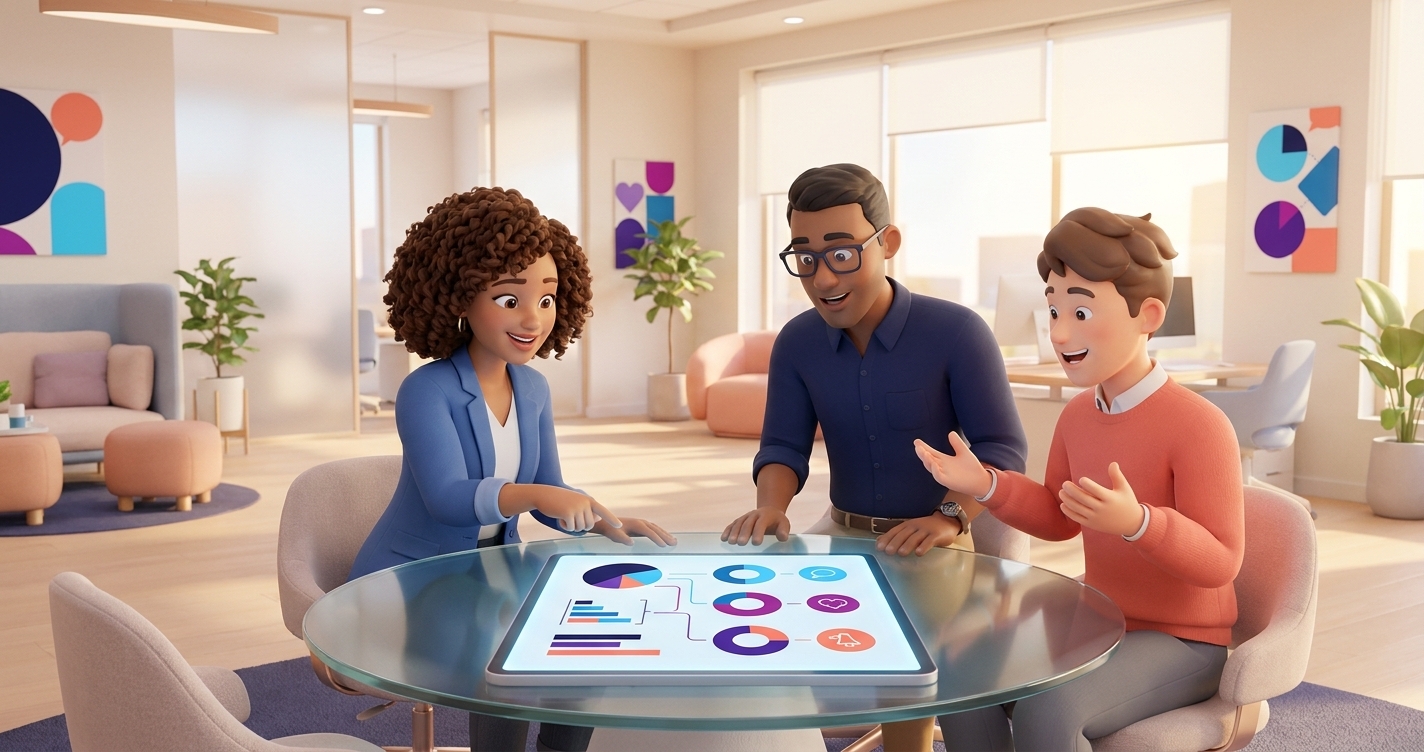
A free personality test for teams is only the first step. How to turn behavioural insights into better collaboration and stronger team performance.
 Compono