

.webp)

 Gigi Curley


How driver licensing software simplifies modern fleet management
 Mathan Allington
How driver licensing software keeps fleet compliance current, tracks licence expiry, and cuts the risk of unlicensed drivers.
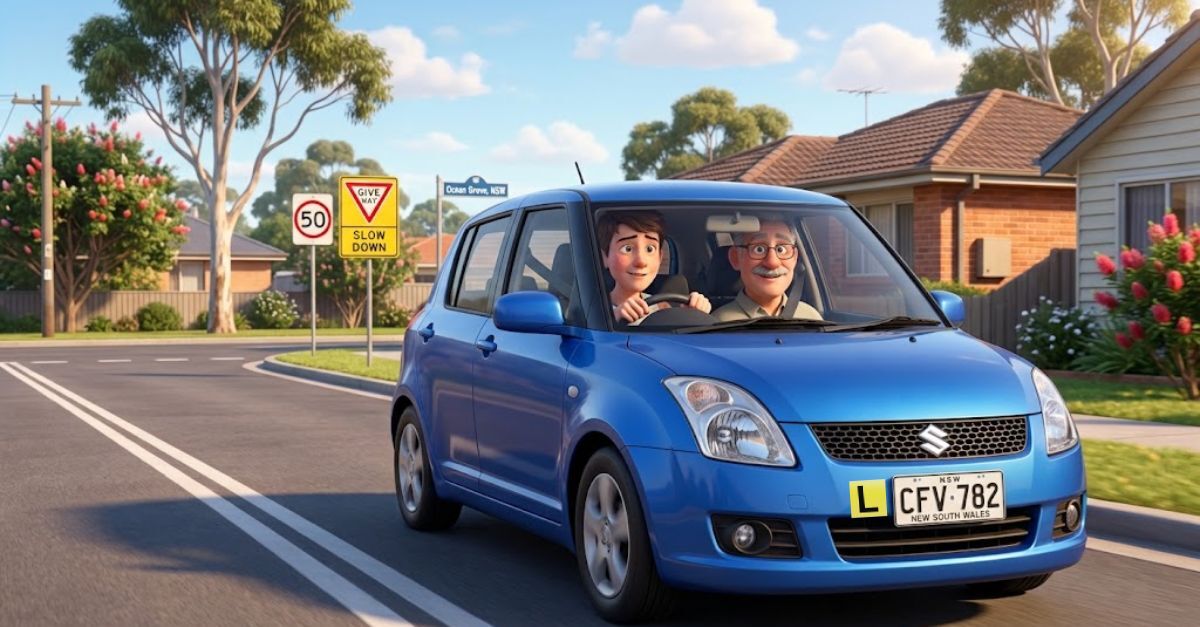
I have two boys. Five and two. Driving is a long way off for both of them, and yet here I am already worrying about it. Not the parallel parking or the hill starts. What sits in the back of my mind is a number I cannot shake: young men are wildly over-represented in road crashes. On top of that, we live in regional New South Wales, where the roads run faster and further between towns, with more bends, and a young driver has less room to get it wrong. One day the little people currently testing the boundaries of my patience will be out on these roads, testing their driving capabilities, and the odds will not be on their side.
When that day comes, I will not really care whether they can reverse park first go (though, let's be honest, I will care a bit). What I will care about is whether they can catch the flicker of movement at the edge of a country road at dusk and know, before it bolts onto the road, that a kangaroo is about to cross. That gap, between working the car and reading the road, is the whole thing. It is what a hazard perception test sets out to measure.
I should be straight about where I am coming from. At Compono we deliver hazard perception testing to our customers through our Assure platform. We do not write the tests. But putting them in front of real people, day in and day out, is a big part of why I care so much about whether they are any good.
So when Austroads published its new literature review on these tests earlier this year (AP-T388-26, February 2026), I read the whole thing. It left me more convinced, not less, of something I already believed. The hazard perception test is one of the few driver assessments we have that tests the right thing. It is worth keeping. It is also worth doing a lot better.
For most of the history of driver licensing, we tested whether people could work the machine. Could you reverse park, could you manage the three-point turn we all rehearsed a hundred times in an empty car park. Useful skills, especially when you are seventeen and sweating on your test day. But the review opens on a point that quietly turns all of that on its head: the higher-order stuff, visual search and hazard perception, matters far more to whether you live than the handling we spent years drilling (Isler and Starkey, 2012).
Hazard perception has a plain definition in the research. It is the ability to read the road and anticipate what is about to happen (McKenna et al., 2006). You spot the danger, weigh how bad it might get, and decide what to do, all in about a second and a half (Grayson et al., 2003). Probably the most important thing a driver ever does, and for decades it was the thing we barely bothered to check.
Here is what convinces me the test measures something real, and not just a number. Inexperienced drivers, and drivers who have crashed, reliably do worse at hazard perception than experienced, crash-free drivers (Horswill et al., 2020; Scialfa et al., 2011). The test can tell those groups apart. If a test cannot separate a brand-new driver from an experienced one, its scores are close to meaningless. This one measures real skill, and that counts for a lot.
There is even a decent argument going on about how best to capture that skill. The classic test times how fast you react to a hazard as it develops. A newer version freezes the clip right as the danger becomes readable and asks what happens next, which gets around a real weakness of pure reaction time: a quick click tells you someone pressed a button, not that they saw the right thing (Crundall, 2016). Both work. I find it reassuring that researchers are still arguing about it, because that is what a field looks like when it is trying to get something right rather than assuming it already has.
This is the question I end up at with any assessment. Building a test that spits out a tidy score is easy. Building one where the score means something out in the world is the hard part, and the only part that counts.
The review is honest about the evidence, so I will be too. The link between test performance and real crashes is there, but it is modest, and this is still a young field. The strongest study comes from here, from New South Wales. Boufous and colleagues (2011) tracked more than 20,000 young drivers using official records of both their test attempts and their police-reported crashes. Drivers who needed at least three goes to pass carried 1.83 times the crash risk of those who passed first time. Young men who failed at least twice: 2.5 times the risk. Young drivers from remote areas: 5.5 times.
Sit with those last two for a moment, especially if, like me, you are raising a boy (or two) in the country. The test was not just sorting people into pass and fail. It was quietly pointing at the ones who would go on to crash. A big UK study (Wells et al., 2008) found drivers who passed reported about 3% fewer of the kinds of crashes hazard perception can influence, and a Queensland study (Horswill et al., 2015) found the higher scorers crashed less over the following year.
I am not going to oversell it. One study found no link at all between scores and crashes (Thomas et al., 2016). Where the effects show up they are small, some lean on drivers reporting their own prangs, and the area badly needs more and better research. Anyone selling the HPT as a silver bullet has not read the evidence. But modest and real still puts it well ahead of most of what we ask learner drivers to do.
There is one point in the review I keep turning over. The test itself does not make anyone a safer driver. It measures a skill. It does not build one. So how does putting it in the licensing system do any good at all?
Mostly by holding back the drivers who are not ready yet. The riskiest stretch of a new driver's life is the first three to six months out on their own (Kloeden, 2008). If the test keeps someone in the supervised seat a bit longer while their skill catches up, that delay on its own can save them.
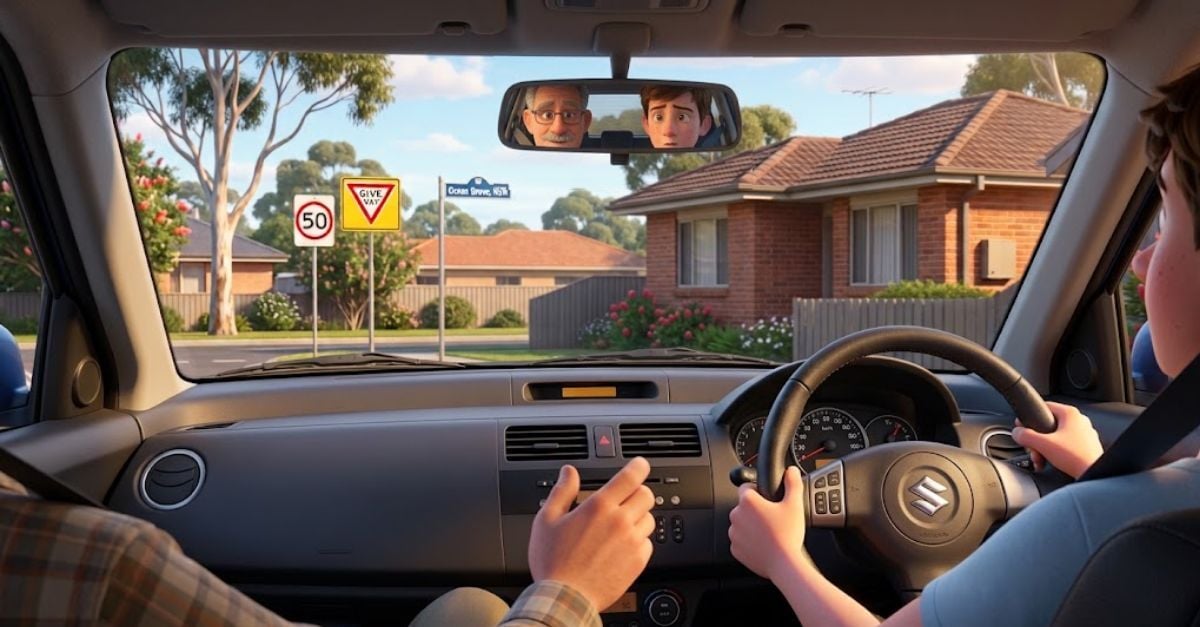
That flipped it for me, from a gate you pass through into something more like a pause button. It also explains the timing. People who have not started driving yet do poorly on these tests, which is exactly what you would expect: you cannot fairly measure a skill nobody has had the chance to build. Sitting the test at the point of going solo, the way Australian states do, turns out to be a sensible place for it.
If I am going to stand up for this test, I have to be honest about where it falls down, because that is where the work is.
First, we measure the skill but we do not reliably teach it. Training clearly lifts test scores, and there are promising signs it improves real driving too. In one randomised trial, trained drivers braked hard less often and spent less time speeding (Horswill et al., 2022). But whether that training actually cuts crashes is far less certain, and the evidence there is thin. Here is the risk worth saying out loud: if we coach people to pass without genuinely lowering their crash risk, we have just made the test easier to beat. A test you can drill someone through without changing what goes on behind their eyes is a test quietly losing its point.
Second, fairness, and this is the one I feel most strongly about. Remember who the NSW data flagged: young men, and drivers from remote areas. The review also points out these tests have to work for people with all sorts of English comprehension, and this one is personal for me. I come from a non-English-speaking background. I was born in Hong Kong, and we still speak Cantonese at home. My dad speaks English, but it is his second language. He is a sharp, capable man, and yet I know that if he sat the hazard perception test, or any test, in English, it would be his familiarity with the language, not his ability to read a road, that dragged his score down. The result would tell you about his English, not about whether he is safe behind the wheel.
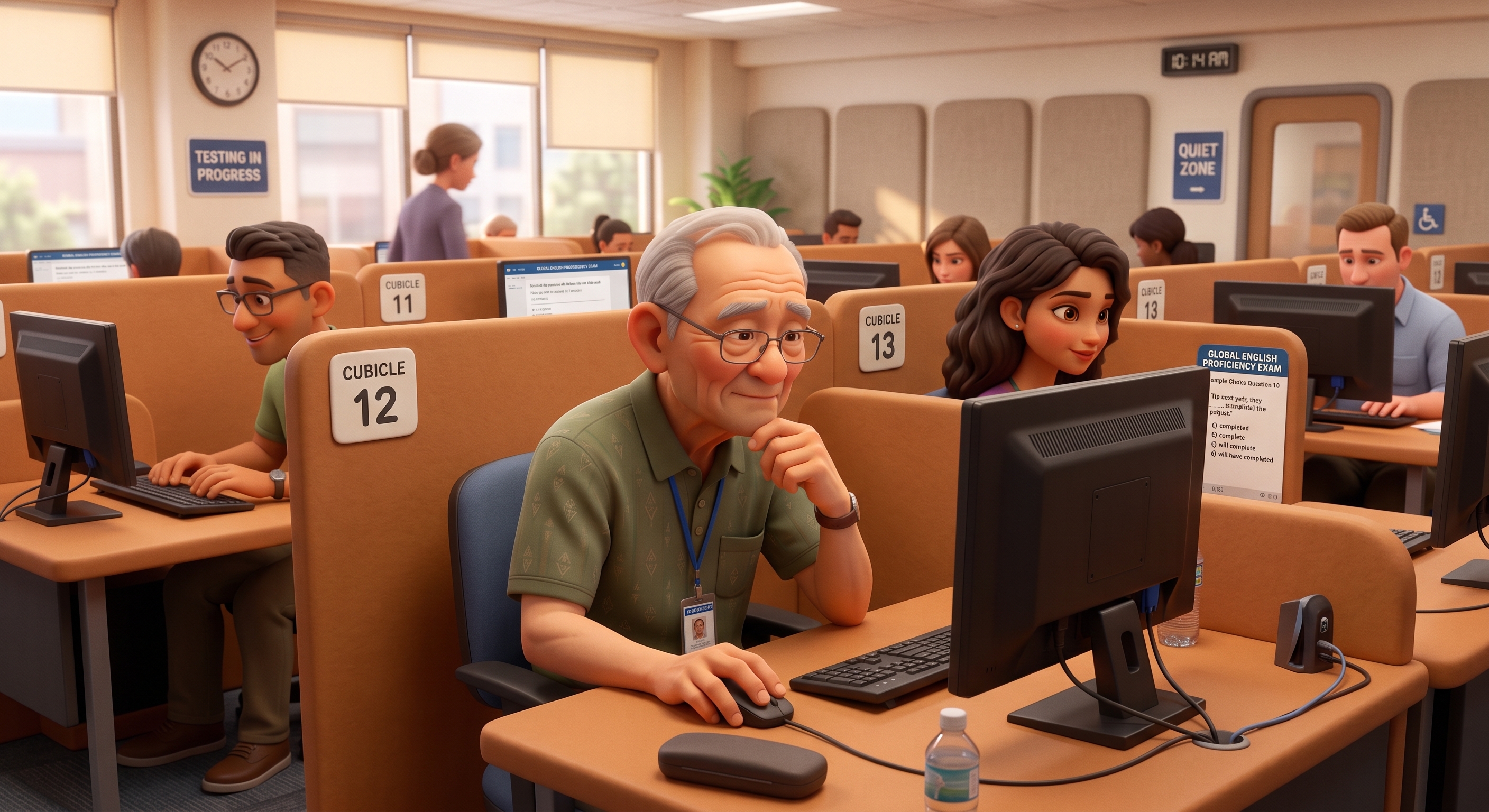
If someone is more likely to fail for reasons that have nothing to do with how safely they read a road, the test is failing them for the wrong reasons and calling the result safety. And the people a badly designed test trips up are so often the ones already most at risk. That is not an argument for scrapping it. It is an argument for building it properly.
Third, some design choices are genuinely settled, and others are not. One that is settled: it makes no real difference whether the clips are real footage or computer-generated. Both have been shown to measure the skill just as well (Moran et al., 2019), and if anything, computer-generated clips let you build hazards you would rarely catch on camera, like a kangaroo at dusk or a wet night on a country highway. What is not settled is the fiddly stuff that quietly decides outcomes: how the instructions are worded, how long someone waits before a re-sit. Get those wrong and you either punish the careful driver who reacts early, or wave through the one who memorised their way to a pass on the fourth go.
None of that changes my mind. We spent a very long time checking whether people could operate a machine, when the thing that actually keeps them alive is whether they can read what is in front of them. The hazard perception test is one of the first mainstream driver assessments to take that seriously. The evidence is imperfect, but it points the right way, and I would rather back an imperfect test of the right thing than a polished test of the wrong one.
This is really what I care about, well beyond driving. A good assessment does more than hand back a score. It measures something that genuinely matters, it stays fair to the people sitting it, and it is honest about the limits of what it can see. On that scorecard the HPT nails the first, is still working hard on the second, and, credit to the researchers, is refreshingly frank about the third.
So, for what it is worth, here is where I land. Keep the hazard perception test. Then roll up our sleeves. Pair it with training we can actually prove makes people safer, not just better at sitting tests. Build it so it is as fair to the kid in a small country town, or the driver reading English as a second language, as it is to anyone else. And keep funding the research, because a young evidence base only grows up if we keep asking hard questions of it.
We got the idea right. Now we have to be brave enough, and bothered enough, to make it work. For my two boys, and for everyone else's, I hope we are.
Gigi Curley is the COO at Compono, an Australian people and culture platform that combines hiring, culture, and learning with people insight.
How driver licensing software keeps fleet compliance current, tracks licence expiry, and cuts the risk of unlicensed drivers.
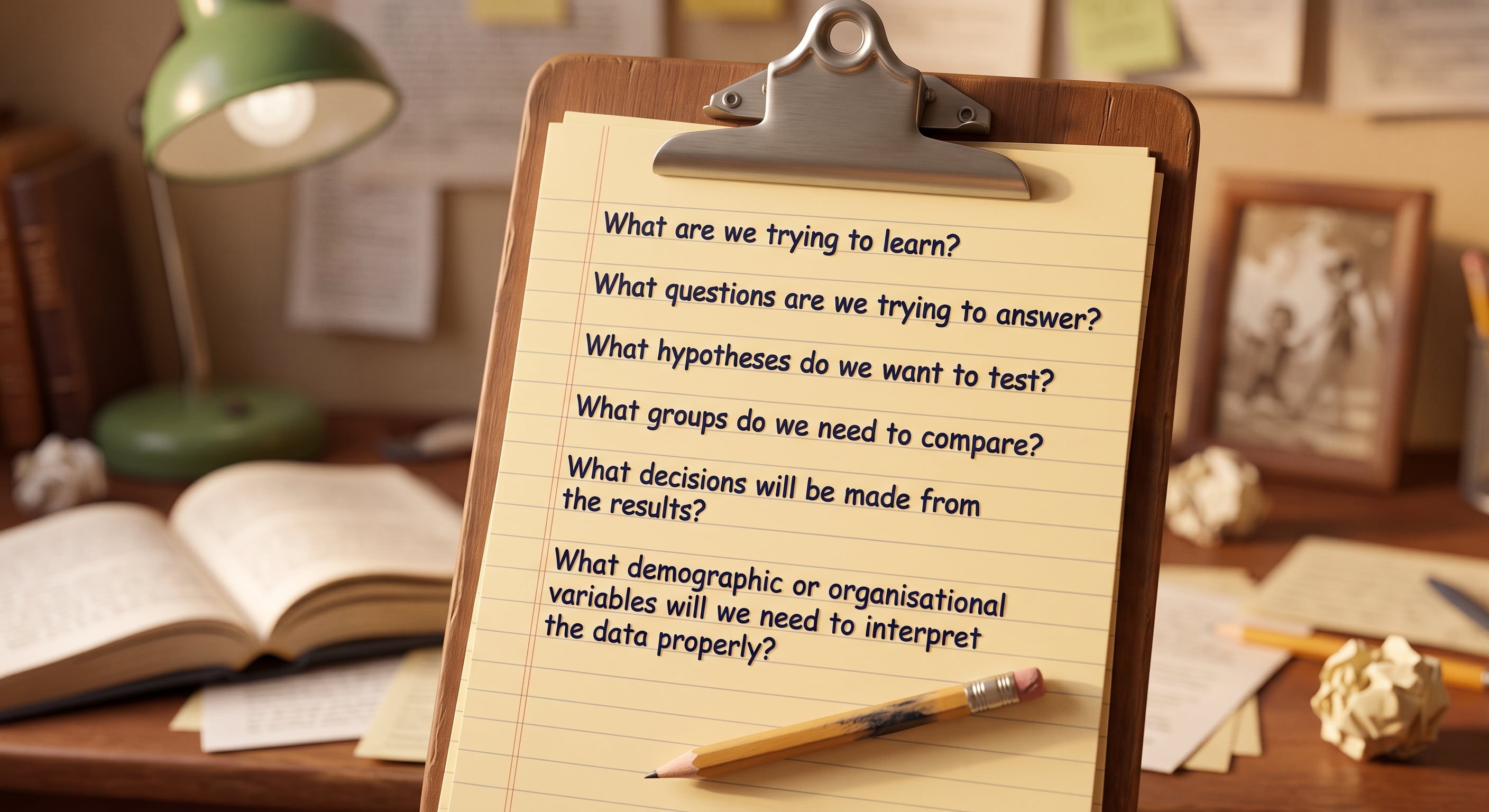
Unlock the potential of assessment design by focusing on the data needed for meaningful insights. Learn how to create assessments that drive...
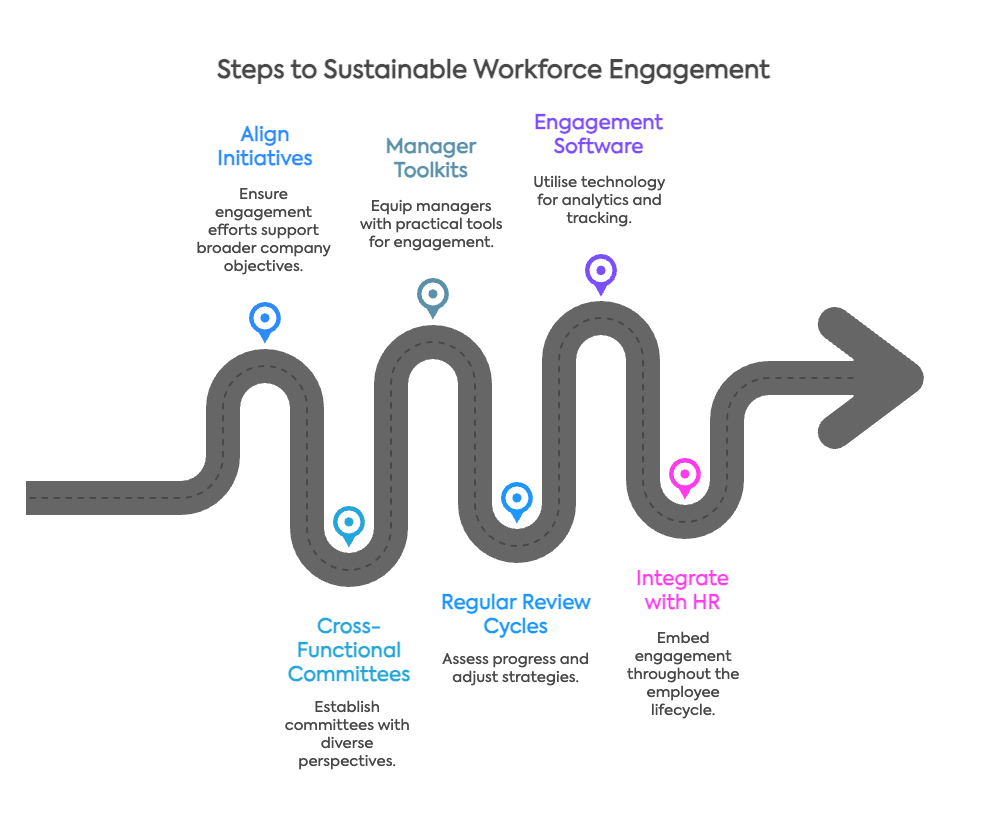
What workforce engagement is, the six drivers that move it, and how to measure it properly. Includes the three engagement levels and where to start.
 Rudy Crous