

.webp)

 Compono


1 min read
How a team personality assessment unlocks high performance
 Mathan Allington
A team personality assessment maps how your people naturally prefer to work, so you can balance their strengths and spot the gaps a group keeps...

Team effectiveness tools are digital platforms and frameworks designed to improve how groups of people collaborate, communicate, and execute tasks to achieve shared goals.
By providing deep insights into work personality and team dynamics, these tools move beyond simple project management to address the underlying human behaviours that drive long-term success. If you have ever wondered why some teams click while others clash despite having the same resources, the answer usually lies in how well their natural strengths are balanced and utilised.
Key takeaways
- Team effectiveness tools identify the natural work preferences of individuals to ensure the right people are in the right roles.
- High-performing teams require a balance of eight key work activities, from pioneering new ideas to ensuring methodical execution.
- Data-driven insights into team dynamics help leaders resolve conflict before it impacts productivity or morale.
- Effective leadership requires the flexibility to adapt your style based on the specific needs of the task and the team's experience.
Most leaders recognise the frustration of a team that looks perfect on paper but struggles to deliver in practice. You might have the best talent in the industry, yet projects still stall, communication breaks down, and talented people eventually burn out. This often happens because we focus on 'what' the team is doing rather than 'how' they are naturally inclined to work together. Without the right team effectiveness tools, you are essentially flying blind, relying on gut feel to manage complex human interactions.
We have seen that when teams lack a clear understanding of their collective strengths and blind spots, they tend to repeat the same mistakes. One team might be full of visionaries who struggle with follow-through, while another might be so focused on the details that they miss the bigger picture. Identifying these gaps is the first step toward building a high-performing culture. At Compono, we believe that workforce intelligence is the key to unlocking this potential, moving from guesswork to evidence-based management.
The problem is not usually a lack of effort. It is a lack of alignment. When you use tools that map natural work preferences, you can stop fighting against people's instincts and start leveraging them. This transition from 'managing tasks' to 'optimising people' is what separates average organisations from those that consistently lead their markets. It is about creating an environment where everyone understands their role – not just on an org chart, but in the psychological fabric of the team.

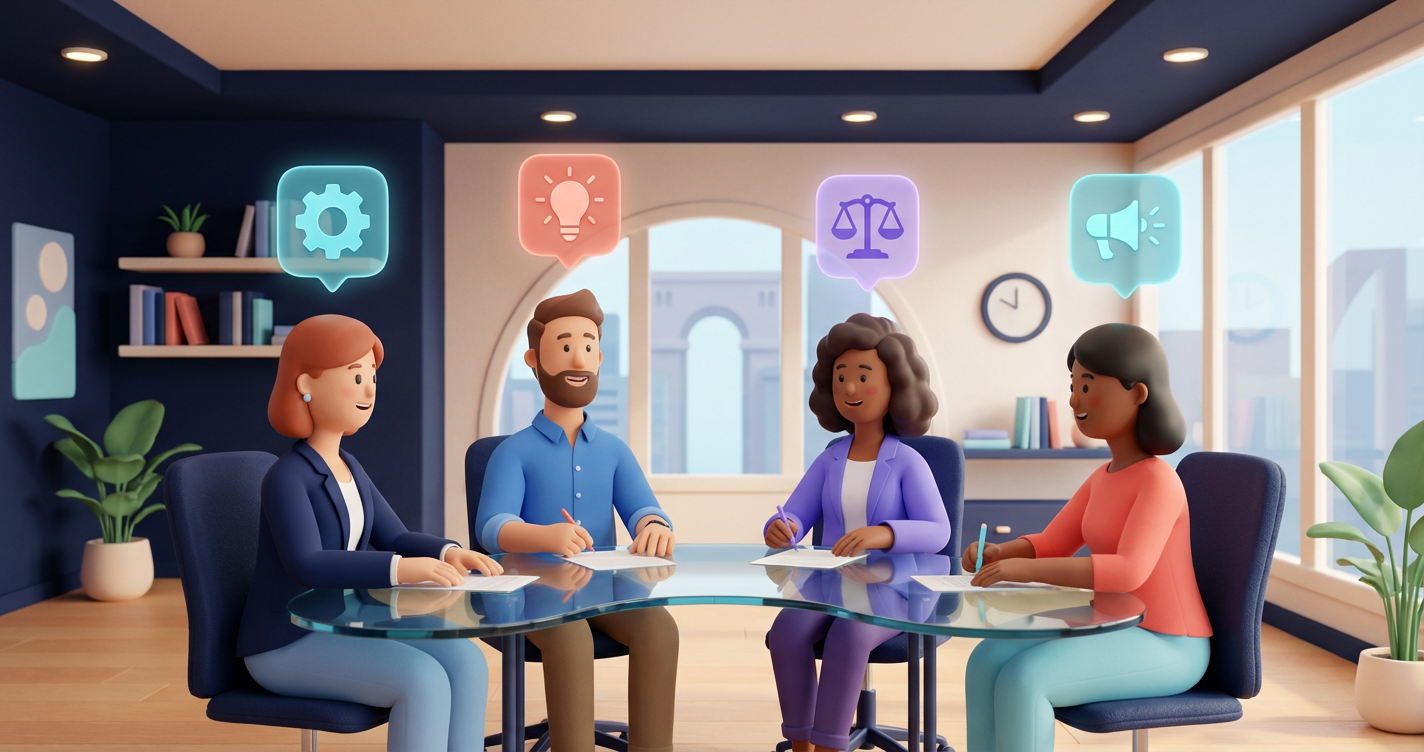
Research into high-performing teams has identified eight critical work activities that must be performed to a high standard for a team to succeed. These include Evaluating, Coordinating, Campaigning, Pioneering, Advising, Helping, and Doing. When any of these activities are neglected, performance inevitably suffers. For example, a team that excels at 'Doing' but lacks an 'Evaluator' might work incredibly hard on the wrong things because no one is objectively questioning the logic behind their actions.
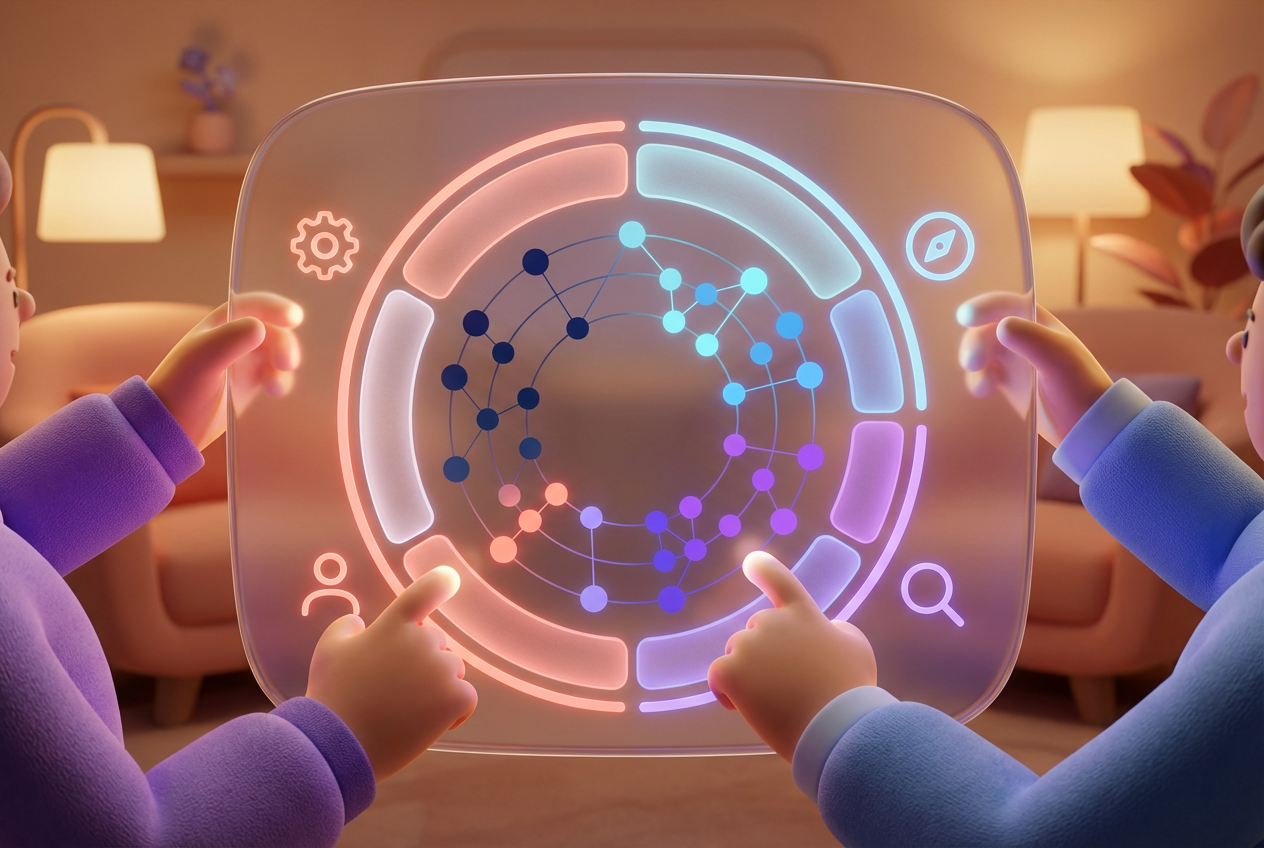
Using a work personality assessment allows you to see exactly where your team sits on this spectrum. Every individual has a dominant preference – a natural 'home' where they feel most motivated and energised. By plotting these preferences on a team wheel, leaders can visualise the team's 'shape'. Are you heavy on the 'Pioneers' but missing 'Auditors' who can ensure accuracy? Or perhaps you have plenty of 'Campaigners' to sell the dream, but not enough 'Coordinators' to build the plan.
This insight is transformative for recruitment and team design. Instead of just hiring for skills, you can hire for the specific work activity your team is currently missing. This is a core component of Compono Hire, which helps you assess candidates across organisation fit, personality fit, and job fit. When you fill a gap in your team's work personality wheel, you often see an immediate uplift in both efficiency and employee satisfaction, as people are finally working in ways that feel natural to them.
A leader’s natural style is one of the most significant team effectiveness tools at an organisation's disposal. However, no single leadership style is effective in every situation. Effectiveness comes from the ability to flex between Directive, Democratic, and Non-Directive approaches based on the task urgency, complexity, and the team’s experience level. Understanding your own natural tendencies is the starting point for this growth.
For instance, an Evaluator naturally leans toward a Directive style, focusing on logic, efficiency, and clear instructions. This is brilliant during a crisis but can feel stifling to a highly experienced team of Pioneers who need autonomy to innovate. Conversely, a Helper might naturally prefer a Democratic style, but they may need to adopt a more Directive approach if the team is inexperienced and requires clear guardrails to succeed.
At Compono, we have spent a decade researching how these leadership styles interact with different personality types. We have found that the best leaders are those who treat their leadership style as an adaptable resource. By using our platforms to reveal these team insights, managers get a 'cheat sheet' for collaboration. They learn exactly how to communicate with an Auditor who needs detail, or a Campaigner who needs a big-picture vision. This level of nuance is what builds deep trust and psychological safety.
Conflict is often seen as a sign of a failing team, but it is actually a natural byproduct of diversity. The friction between an Doer who wants to get the task done and a Advisor who wants to explore every option is not a personality clash – it is a functional difference in work preferences. Team effectiveness tools give you a language to discuss these differences without making them personal.
When conflict arises, a leader can use work personality data to bridge the gap. For example, if a Coordinator and a Campaigner are at odds over a project timeline, the leader can help the Campaigner frame their ideas with more structure, while encouraging the Coordinator to allow for flexibility before locking in the final dates. This moves the conversation from 'you are being difficult' to 'we have different work preferences, so how do we meet in the middle?'.
This proactive approach to team harmony is a key benefit of Compono Engage. By understanding the emotional and behavioural drivers of your workforce, you can cultivate a culture where conflict leads to innovation rather than resentment. When people feel understood and their natural way of working is respected, they are far more likely to stay engaged and commit to the team's shared goals. It turns diversity of thought from a challenge into a competitive advantage.
Key insights
- High-performing teams are built by balancing eight specific work activities: Evaluating, Coordinating, Campaigning, Pioneering, Advising, Helping, and Doing.
- Team effectiveness is not just about skills; it is about how well individual work personalities align with the team's needs.
- Leaders must be willing to flex their style between Directive, Democratic, and Non-Directive approaches depending on the context.
- Conflict is usually a result of differing work preferences and can be resolved by using a common language based on personality data.
- Using workforce intelligence tools allows organisations to recruit for cultural and functional gaps, not just empty seats.
Building an effective team is an ongoing process of refinement and understanding. By moving away from traditional management and toward workforce intelligence, you can create a more resilient, productive, and happy organisation.
They are platforms and frameworks that help leaders understand team dynamics, work personalities, and cultural alignment to improve overall performance and collaboration.
Each person has a natural preference for certain work activities. When these preferences are balanced across a team, the group can handle everything from creative ideation to methodical execution effectively.
While most people have a natural default style, effective leaders learn to flex their approach – using Directive, Democratic, or Non-Directive styles – depending on the situation and the team's needs.
Compono provides a workforce intelligence platform that maps work personalities, identifies team gaps, and offers practical advice for leadership, recruitment, and conflict resolution.
A team with only one type of personality (e.g., all visionaries or all executors) will have significant blind spots. Diversity ensures that all eight critical work actions are covered, leading to more robust outcomes.
1 min read
A team personality assessment maps how your people naturally prefer to work, so you can balance their strengths and spot the gaps a group keeps...

1 min read
The right team collaboration software does more than manage tasks and messages. It fits the way your people naturally work, matching each person to...
1 min read
A workplace personality test for Australia businesses measures how employees naturally prefer to communicate, make decisions, and execute tasks...
 Compono