1 min read
How to build a strong culture that lasts
To build a strong culture, you must align your team’s shared values with the natural work preferences of your people to create a consistent,...
Voice or text coaching built on psychology. For you, your team, or the candidates you place.
A coach that actually gets you.
Get 10 minutes free, then $15 a month. Cancel anytime.
Get Started ≫2 min read
Mathan Allington
Updated on July 8, 2026
Last reviewed July 2026
A successful talent retention strategy starts with understanding what genuinely motivates your people, not just adding perks. Competitive pay and flexible work are now baseline expectations. Long-term commitment comes from how well a person's natural work preferences align with their daily responsibilities and the wider team culture. The strongest strategies sit at the intersection of personality, engagement and organisational fit.
This guide covers the real cost of getting retention wrong, how to align work personality with engagement, and how to move managers from reactive to proactive.
When leaders think about turnover, they picture recruitment fees and training costs. The deeper impact of poor retention is quieter: the erosion of team morale and the loss of institutional knowledge. Every time a high performer leaves, the remaining team absorbs the extra workload, which feeds burnout and further departures.
For many mid-market organisations, retention efforts feel like disconnected initiatives. You might have a strong onboarding program but no clear path for internal mobility, or good benefits paired with managers who were never trained to handle conflict across different personality types. To break the cycle, look at your workforce through a lens of intelligence: not just who is in the seat, but why they stay and what makes them thrive.
One of the strongest predictors of whether someone stays is the fit between their work personality and the actual activities of their role. A person whose natural strengths match their daily work feels competent and valued. A person constantly working against their preferences quietly disengages, no matter how good the perks are.
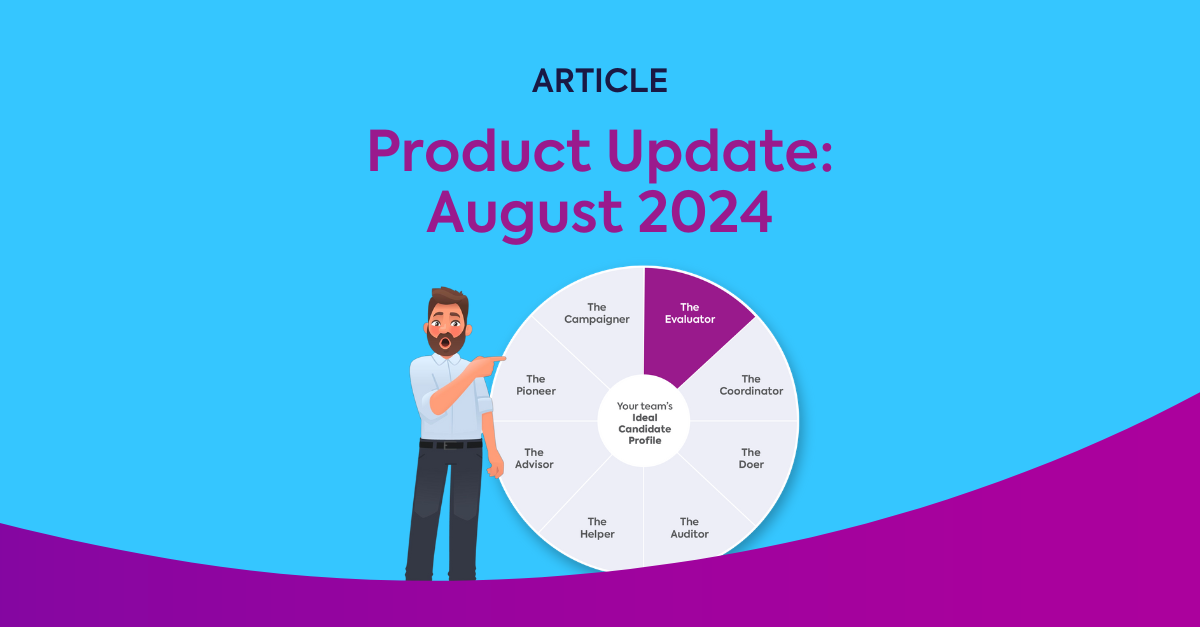
The eight work personalities (Doer, Auditor, Helper, Advisor, Pioneer, Campaigner, Evaluator and Coordinator) give you a practical way to check that alignment. High-performing teams balance these different contributions so no single way of working is overlooked. Compono Engage reads culture, climate and work personality together, so you can see where alignment is strong and where it is fraying before people leave.
Retention is won or lost in the everyday relationship between a person and their manager. The shift that matters is from reactive stay interviews, held once someone is already halfway out the door, to proactive development plans that recognise each person's strengths and blind spots.
When managers understand the work personalities on their team, they can tailor how they delegate, give feedback and resolve conflict. That understanding also feeds development. Compono Develop helps you build growth paths that reflect how people actually work, which is a far stronger retention lever than another round of benefits.
Culture is not a fixed set of values on a wall. It is a living environment that needs to be measured and tended through consistent engagement, not an annual survey. When you track culture continuously and act on what you see, retention stops being a series of reactions to resignations and becomes something you build on purpose.
Compono Engage reads culture, climate and work personality together, so you can act on retention risks before people leave.
Talk to usEffective retention rests on deep alignment between an employee's work personality and their role, supported by proactive development and a culture that is measured and nurtured. Perks and pay are baseline expectations, not the main driver of long-term commitment.
People disengage when their daily work constantly runs against their natural preferences, regardless of pay or perks. Poor role fit and untrained management erode morale over time, which surfaces as turnover.
Fit between a person's work personality and the actual activities of their role is one of the strongest predictors of whether they stay. When strengths match daily work, people feel competent and valued and are more likely to remain.
Reactive retention responds once someone is already leaving, often through a stay interview. Proactive retention builds development plans around each person's strengths and blind spots before disengagement sets in, which is far more effective.

Compono Hire helps you predict job-fit and team-fit using behavioural science, so you can shortlist with confidence.
Request a demoBuilt for mid-market hiring teams.

Voice-first coaching that adapts to your personality. Get actionable steps you can take this week.
Start freeBuilt by Compono. Not therapy — practical behaviour change.
1 min read
To build a strong culture, you must align your team’s shared values with the natural work preferences of your people to create a consistent,...
1 min read
Organisational culture change is the process of shifting the shared values, beliefs, and behaviours that determine how work actually gets done in...
1 min read
The best culture platform in Northern Territory is one that combines deep psychometric insights with practical engagement tools to help leaders...