

.webp)

 Compono


How to replace paper assessments for better hiring
 Compono
What changes when candidate assessments come off paper: fewer transcription errors, faster shortlists, and a hiring record you can audit.

The ROI of better hiring is measured by the significant reduction in turnover costs, increased speed to productivity, and the long-term value of cultural alignment within your team. While many organisations focus solely on the upfront cost per hire, the true return on investment comes from securing a candidate who matches the specific work preferences of the role and the values of the business.
Key takeaways
- Better hiring reduces the heavy financial burden of employee turnover, which can cost up to double a staff member's annual salary.
- High-quality hires reach full productivity faster, directly impacting the bottom line through improved output and efficiency.
- Using objective data to assess organisation fit ensures new starters align with team culture, boosting long-term retention.
- A structured recruitment process minimises the risk of a 'bad hire', protecting team morale and preventing wasted management time.
When we talk about recruitment, the conversation often stays stuck on the immediate invoice from a job board or an agency. However, the real impact of your hiring strategy is felt months – or even years – down the line. A traditional approach that relies heavily on gut feel or a quick scan of a CV often misses the deeper nuances of how a person will actually perform in your specific environment.
The problem is that a 'bad hire' is incredibly expensive. Industry research suggests that replacing a mid-level employee can cost between 150% and 200% of their annual salary. This isn't just about the recruiter's fee; it includes the time spent by managers on interviews, the cost of training, and the lost productivity while the seat sits empty. When we look at the ROI of better hiring, we are looking at how to keep those funds inside the business instead of letting them leak out through a revolving door of staff.
We also need to consider the 'cultural tax' of a poor hire. When a new starter doesn't mesh with the team, it creates friction. This friction slows down projects, lowers the morale of your high performers, and can even lead to your best people looking for the exit. At Compono, we believe that understanding the human element through data is the only way to truly protect your investment.

One of the most overlooked metrics in the ROI of better hiring is how quickly a new employee starts adding value. Every day a person spends 'learning the ropes' without producing results is a day of pure cost for the business. Better hiring isn't just about finding someone who can do the job; it's about finding someone whose natural work personality matches the activities they'll be doing every day.
For example, if you are hiring for a role that requires methodical, detail-oriented work, an Auditor is likely to hit the ground running much faster than someone who thrives on spontaneous, big-picture thinking. When the natural preferences of the individual align with the requirements of the role, the 'onboarding lag' shrinks significantly. They don't have to fight their natural instincts to do the work; the work feels like a natural extension of how they already operate.
This is where Compono Hire changes the game. By assessing candidates across Organisation Fit, skills, and qualifications, we help you identify the people who won't just 'fit in' but will actually thrive from day one. This alignment is a primary driver of the ROI of better hiring, as it ensures your payroll spend is converted into productive output as quickly as possible.
Retention is the ultimate proof of a successful hiring strategy. You can have a brilliant recruitment process, but if your new hires leave within the first six months, your ROI is effectively zero. Better hiring focuses on 'stickiness' – the likelihood that a person will stay and grow with the company over the long term.
The secret to retention often lies in what we call Organisation Fit. This goes beyond whether someone has the right degree or five years of experience. It's about whether their values match the company's values and whether their personality complements the existing team. If you hire a visionary Pioneer into a rigid, highly structured environment without the freedom to innovate, they will likely become frustrated and leave. Conversely, placing them in a role that requires 'out-of-the-box' thinking creates a win-win for both the individual and the business.
By using objective assessments to measure these traits upfront, you move away from 'hiring in your own image' and towards building a balanced, high-performing team. This data-driven approach is a core part of how Compono Hire assesses candidates, ensuring that the people you bring on board are actually built to last in your specific culture. When people feel they belong and their work matches their strengths, they stay. And when they stay, your recruitment costs drop, and your institutional knowledge grows.

The ROI of better hiring extends far beyond the individual hire; it ripples across the entire team. A high-quality hire acts as a catalyst for those around them. They pick up their share of the load, contribute fresh ideas, and support their colleagues. In contrast, a poor hire often forces the rest of the team to work harder to cover the gaps, leading to burnout and resentment.
We've seen this in action with many of our partners. For instance, The Coffee Club used a more intelligent approach to hiring to build stronger talent pools and improve the quality of their frontline staff. By focusing on the right fit from the start, they were able to create a more consistent experience for customers and a more stable environment for their teams. This stability is a massive, though sometimes intangible, contributor to the overall ROI of better hiring.
When you have a team of people who are all in the 'right seats' – meaning their work personality matches their daily actions – the need for heavy-handed management decreases. You spend less time correcting performance issues and more time coaching for growth. This frees up leadership bandwidth to focus on strategy and expansion, which is where the real business value is created.
Key insights
- The true ROI of better hiring is found by looking at total lifecycle value rather than just the initial cost of recruitment.
- Speed to productivity is significantly increased when a candidate's work personality matches the core activities of their role.
- Objective data and personality assessments reduce the risk of unconscious bias, leading to more diverse and resilient teams.
- Long-term retention is directly linked to organisation fit, saving businesses hundreds of thousands of dollars in turnover costs.
Improving your hiring process is one of the most effective ways to drive growth and protect your bottom line. By moving from a reactive, 'gut-feel' approach to a proactive, data-driven strategy, you can ensure every hire adds maximum value to your organisation.
Start by calculating your total cost per hire, including advertising, internal HR time, and agency fees. Then, track the turnover rate of new hires within the first 12 months. Multiply the number of departed hires by 1.5 times their salary to see the hidden cost of turnover. Finally, compare this to the productivity levels of your successful hires to see the total impact.
Skills can often be taught, but personality and values are largely fixed. A person with the right skills but the wrong 'fit' will likely leave or underperform, leading to a negative ROI. A person with the right fit and a willingness to learn will stay longer and eventually provide a much higher return on the investment you make in their training.
Absolutely. In fact, the ROI of better hiring is often even more significant for small businesses. In a small team, one bad hire represents a much larger percentage of the workforce and can have a more immediate negative impact on culture and productivity. Getting it right the first time is critical for small business survival and growth.
Data-driven hiring focuses on objective traits and competencies rather than subjective impressions. This helps to eliminate unconscious bias, allowing you to hire the best person for the role regardless of their background. Diverse teams are proven to be more innovative and profitable, directly boosting the ROI of your hiring efforts.
The biggest mistake is focusing only on 'cost per hire' as a line item to be minimised. By trying to save a few hundred dollars on the recruitment process, companies often end up with a lower-quality hire that costs them tens of thousands of dollars in lost productivity and turnover. The goal should be to optimise for the highest 'return', not the lowest 'cost'.

What changes when candidate assessments come off paper: fewer transcription errors, faster shortlists, and a hiring record you can audit.

Cafes and restaurants lose people fast when hiring leans on experience alone. How to read attitude and pressure tolerance before you roster.
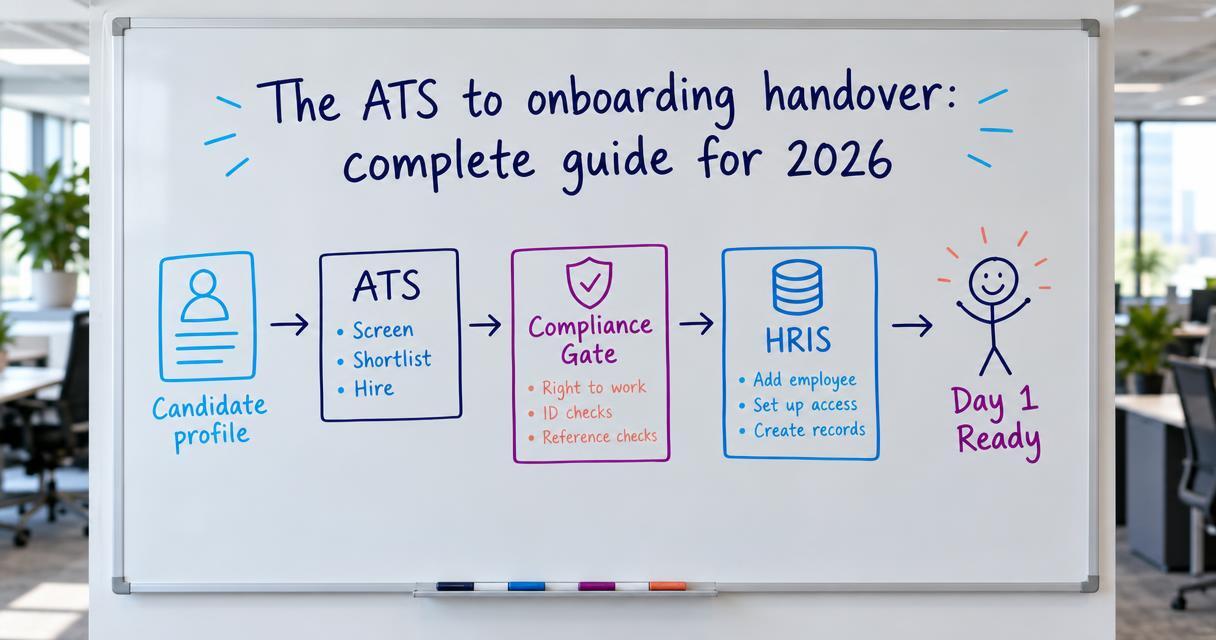
To fix the broken ATS to onboarding handover. Discover the root causes of preboarding failures and how to connect your hiring and HR systems.
 Mathan Allington