Skip to the main content.
FOR GOVERNMENT

AssureArrow Left

Become the expert on delivering
valid and fair assessments for
your training and education.

Compono Assure


FOR BUSINESS

HireArrow Left

Engage Arrow Left

Develop Arrow Left

The ATS that matches candidates to culture and performance, not resumes to keywords.

The culture assessment and employee engagement platform that shows you what to fix, not just what's wrong.

The Learning Management System (LMS) that builds capability, not just completion rates.


The AI that actually understands you.

Hey Compono helps you understand your personality and how to turn it into your superpower.

First 1,000 users get 10 minutes free.
Just $15 a month after that — cancel anytime.

Hey Compono


6 min read

How to choose the best recruitment software in Australia

How to choose the best recruitment software in Australia

Recruitment software in Australia helps businesses automate manual hiring tasks and identify top-tier talent by combining local compliance standards with advanced behavioural science.

Finding the right tools means looking beyond simple job board integrations to find a system that understands the unique cultural and skills-based requirements of the modern workforce. In a competitive market, the right technology doesn't just fill seats – it builds the foundation for long-term team success.

Key takeaways

  • Modern recruitment software in Australia must balance automation with deep human insights to reduce turnover.
  • Prioritising organisation fit alongside technical skills leads to more sustainable hiring outcomes.
  • Effective platforms centralise candidate data while ensuring a seamless experience for both recruiters and applicants.
  • Data-driven decision-making helps HR leaders prove the ROI of their talent acquisition strategies.

The challenge of hiring in a changing landscape

Hiring in the current market feels a bit like trying to solve a puzzle while the pieces are still being cut. You are likely dealing with a high volume of applications for some roles, while others remain stubbornly difficult to fill. The pressure to move quickly is immense, yet the cost of a bad hire – both financially and culturally – has never been higher. Many Australian HR leaders find themselves stuck between manual spreadsheets and clunky legacy systems that don't quite talk to each other.

We have seen that the traditional 'post and pray' method no longer delivers the quality of candidates needed for high-performing teams. When you rely solely on a CV, you are only seeing a small slice of a person's potential. You miss the nuances of their work personality and how they might actually interact with your existing team when things get busy or stressful. This is where modern recruitment software in Australia bridges the gap between a name on a screen and a long-term contributor.

The problem isn't just finding people; it's finding the right people. Without the right tools, your team spends more time on admin than on the human side of HR. You need a way to filter through the noise without losing the 'human' in human resources. By shifting the focus from simple task management to workforce intelligence, you can begin to make hiring decisions that actually stick.

Moving beyond the basic applicant tracking system

Section 1 illustration for How to choose the best recruitment software in Australia

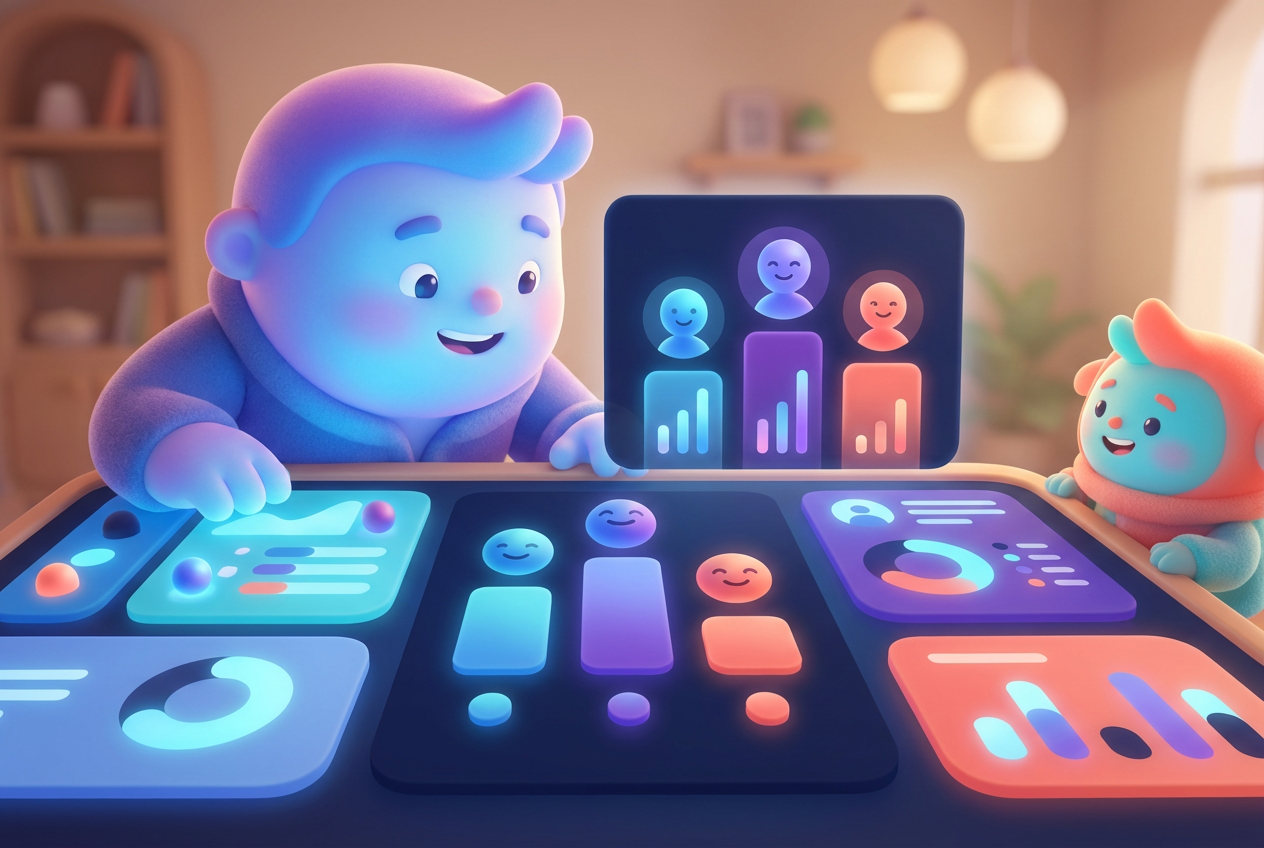
Most people think of recruitment software as just an Applicant Tracking System (ATS). While tracking is important, it is only the baseline. A truly effective platform should help you understand the 'why' behind a hire. It needs to provide a clear picture of how a candidate's natural tendencies align with the role and your company culture. This is what we call workforce intelligence, and it is the secret to reducing early-stage turnover.

When you evaluate recruitment software in Australia, look for features that allow you to assess candidates across multiple dimensions. This includes their qualifications, their technical skills, and most importantly, their fit within your organisation. At Compono, we have spent over a decade researching how personality and work preferences impact performance. Our Compono Hire module uses this research to help you rank candidates based on a holistic view of their potential, not just their past job titles.

By using a system that integrates behavioural science, you move away from gut-feel hiring. We all have unconscious biases, but data-backed insights help to neutralise them. This ensures that you are selecting the best person for the job based on objective criteria. It also makes the process much fairer for candidates, as they are being evaluated on their true potential and natural work personality.

The importance of work personality in team design

Building a team is like conducting an orchestra – you don't need five first-chair violinists; you need a balance of different instruments to create a harmonious sound. In the workplace, this means having a mix of different work personality types. If your team is full of Pioneers who love new ideas but lacks Coordinators to see them through, your projects might struggle to reach the finish line.

High-performing teams are those that cover all the essential work activities, from Evaluating risks to Helping colleagues. When you use recruitment software that identifies these traits during the hiring phase, you can intentionally fill gaps in your team's current makeup. For example, if you notice your department is becoming too focused on the big picture and missing the finer details, you might specifically look for an Auditor to bring that much-needed precision.

This strategic approach to team design is what separates successful businesses from those that constantly struggle with internal friction. By understanding the natural preferences of your people, you can assign tasks that energise them rather than drain them. It leads to a culture where everyone feels they are in the right seat, doing work that matters. You can learn more about how these dynamics work in The Compono Culture, Engagement & Performance Model.

Streamlining the candidate experience

Section 2 illustration for How to choose the best recruitment software in Australia

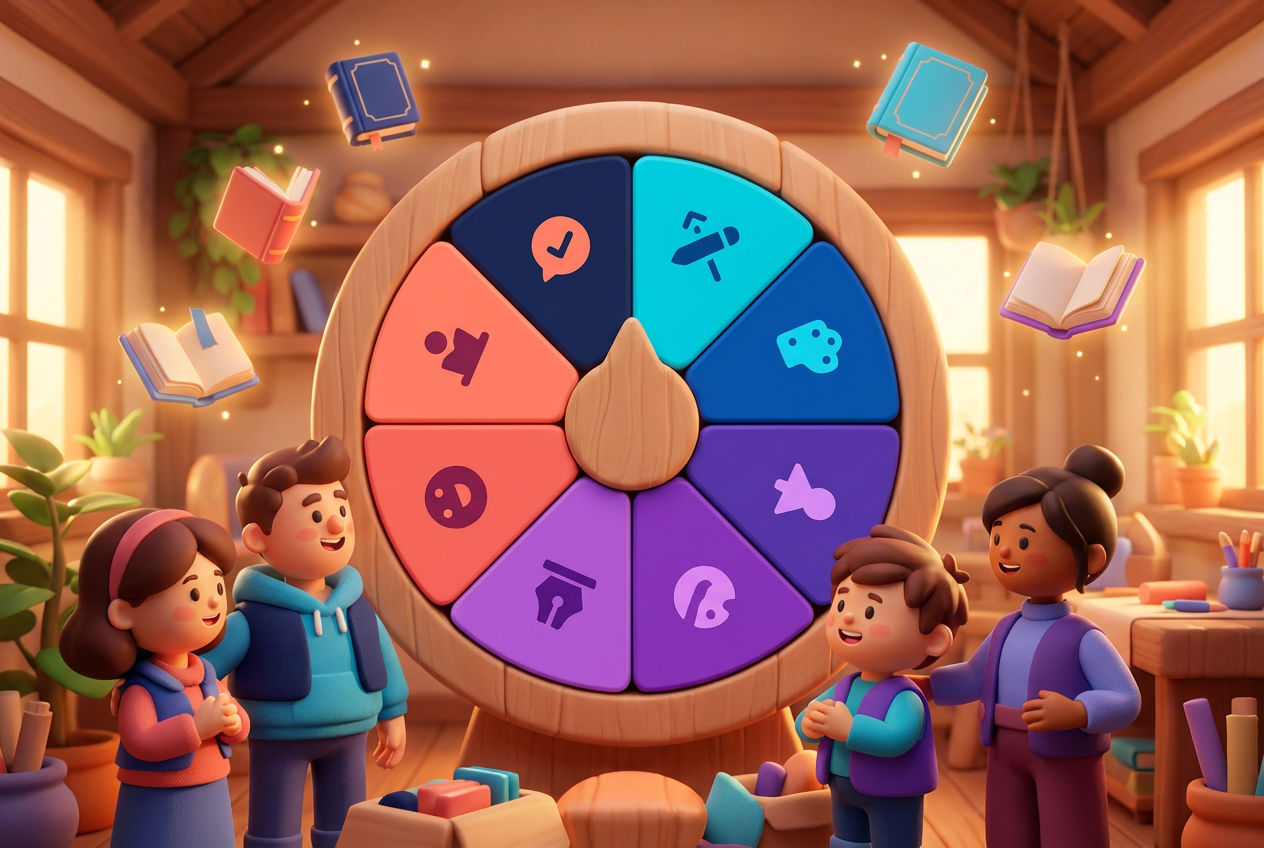
In a talent-short market, the candidate experience is your strongest branding tool. If your application process is long, confusing, or repetitive, the best candidates will simply go elsewhere. They want to feel that their time is valued and that they are being seen as an individual. Recruitment software in Australia should make the journey from 'Apply' to 'Offer' as smooth as possible for everyone involved.

Automated communication is a big part of this. No one likes to be left in a 'black hole' after submitting an application. Simple, timely updates – even if it's just to say the process is still moving – can significantly improve a candidate's perception of your brand. Furthermore, the assessments you use should be engaging and brief. We have designed our assessments to take only a few minutes, providing deep insights without causing candidate fatigue.

When the hiring process is efficient, it reflects well on the rest of the business. It suggests that your organisation is well-managed, professional, and respectful. This positive first impression carries through to the onboarding phase and beyond. A seamless transition from candidate to employee is essential for long-term engagement. Tools like Compono Develop can then take over to ensure that once you've found the right person, you are supporting their growth from day one.

Building a data-driven recruitment strategy

The final piece of the puzzle is data. You cannot improve what you do not measure. Modern recruitment software provides you with the analytics needed to understand your hiring funnel. Are you losing candidates at a specific stage? How long does it take to fill a role? What is the quality of hire after six months? These are the questions that keep HR leaders up at night, and the answers are in the data.

By centralising your recruitment efforts, you create a single source of truth for your talent acquisition. This allows you to report back to the leadership team with confidence. Instead of saying "we think this person is a good fit," you can say "this candidate scored highly on organisation fit and brings the specific work personality our team is currently lacking." This level of intelligence elevates HR from a reactive function to a strategic partner.

Ultimately, the goal of recruitment software in Australia is to help you build a better business through your people. It is about moving beyond the transaction of hiring and toward the transformation of your workforce. When you have the right intelligence at your fingertips, you can stop guessing and start growing.

Key insights

  • Effective recruitment requires a balance of technical skills, qualifications, and organisational fit.
  • Work personality assessments help leaders build diverse, high-performing teams by identifying natural work preferences.
  • A seamless candidate experience is a powerful tool for employer branding and talent attraction.
  • Workforce intelligence platforms like Compono allow for data-driven hiring decisions that reduce long-term turnover.
  • Strategic team design involves identifying and filling personality gaps within existing departments.

Where to from here?

Ready to see how workforce intelligence can transform your hiring process? We can help you find the right people and build a culture that lasts.

Frequently asked questions

What is the difference between an ATS and recruitment software?

An Applicant Tracking System (ATS) primarily focuses on the workflow and administrative side of hiring, such as storing CVs and scheduling interviews. Comprehensive recruitment software – like Compono – goes further by providing workforce intelligence, including personality assessments and organisational fit scoring to help you make better hiring decisions.

How does recruitment software help with Australian compliance?

Recruitment software in Australia helps ensure that your hiring process is consistent and objective, which is key for meeting local fair work standards. By using standardised assessments and data-backed ranking, you reduce the risk of unconscious bias and ensure every candidate is evaluated on the same criteria.

Can recruitment software help reduce employee turnover?

Yes, by focusing on 'organisation fit' and 'job fit' during the hiring process, recruitment software helps you find candidates who are naturally aligned with your company culture and the specific demands of the role. People who fit well in their environment are generally more engaged and likely to stay longer.

Is it difficult to implement new recruitment software?

While every business is different, modern cloud-based platforms are designed for ease of use. At Compono, we focus on making the transition as smooth as possible, providing the tools you need to invite employees and candidates to assessments with just a few clicks.

How do personality assessments work in the hiring process?

Personality assessments, such as those used in Compono Hire, map a candidate's natural work preferences against eight key work activities. This helps you understand how they will actually behave on the job – whether they are naturally inclined to lead, support, or focus on the fine details – allowing for better team alignment.

Related

Solving the AI slop problem in recruitment software

Solving the AI slop problem in recruitment software

Recruitment has always been a bit like finding a needle in a haystack, but lately, the haystack has grown ten times larger and half the needles are...

Read More
Talent pipeline software: building your future workforce

Talent pipeline software: building your future workforce

Talent pipeline software is a digital solution that allows organisations to proactively identify, engage, and nurture a pool of qualified candidates...

Read More
How to avoid common hiring mistakes and build better teams

How to avoid common hiring mistakes and build better teams

The most common hiring mistakes often stem from a lack of objective data and a reliance on 'gut feel', which leads to poor cultural alignment and...

Read More