

.webp)

 Mathan Allington


Employee attrition analysis: how to predict and prevent turnover
 Mathan Allington
How to run an employee attrition analysis: the formula, the cuts that matter (tenure, team, manager), and how to turn the numbers into a retention...

Natural attrition is the normal reduction of a workforce when employees leave voluntarily through retirement or personal reasons and are not immediately replaced.
Last reviewed October 2026
Key takeaways
- Natural attrition happens when staff leave on their own terms without being directly replaced by the business.
- It differs from turnover because attrition shrinks your overall headcount permanently or for an extended period.
- While some attrition is healthy for organisational change, a sudden spike usually points to deeper leadership issues.
- Tracking the right metrics helps you spot flight risks before your top performers walk out the door.
Many business leaders treat every departing employee as a disaster. They panic. They throw money at the problem. Not all departures are created equal. People retire. People move cities. People decide to change careers completely. That is natural attrition. The real problem starts when you cannot tell the difference between a natural departure and a preventable exit.
If you misread the data, you end up fixing things that are not broken while ignoring the actual reasons your best people are leaving. HR teams often scramble to replace roles that might no longer be necessary. This wastes time and recruitment budget. Understanding how attrition works gives you a clearer picture of your workforce health.
Natural attrition occurs when an employee leaves your organisation and you choose not to fill their role. This happens through retirement, internal transfers, or voluntary resignation for personal reasons. In a healthy business, this process is expected. It helps companies manage headcount without resorting to layoffs or forced redundancies.
When a business goes through a hiring freeze, natural attrition becomes the primary way to reduce staff numbers. The workforce shrinks organically over time. This approach is much gentler on company culture than mass terminations. It preserves your employer brand and keeps the remaining staff feeling secure in their jobs.
Organisations also use natural attrition during technological shifts. If a new software system automates manual data entry, the company might simply wait for the current data entry clerks to retire or move on. They reduce the department size naturally rather than making roles redundant.
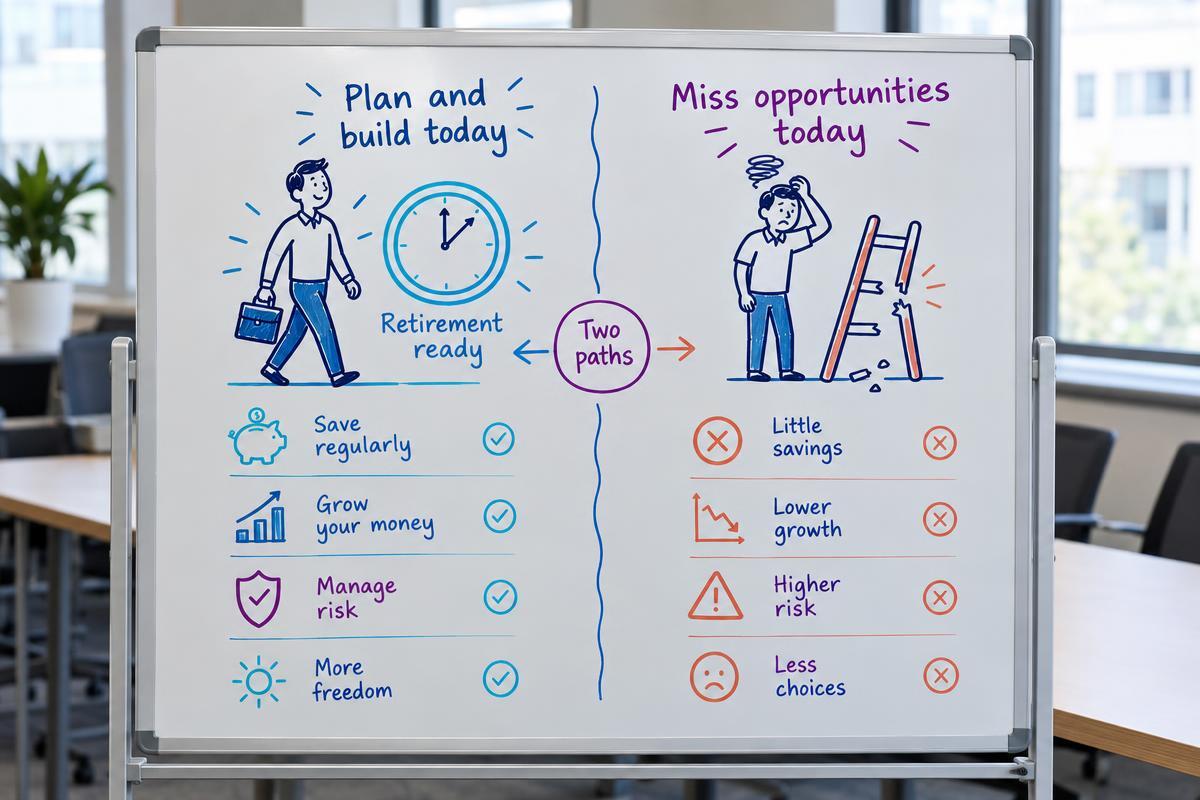
The difference between attrition and turnover comes down to replacement. Turnover happens when someone leaves and you immediately hire a replacement to fill the exact same seat. Attrition happens when the seat stays empty.
If your marketing director retires and you restructure the team instead of hiring a new director, that is attrition. If they quit and you hire a new one the next month, that is turnover. Understanding this distinction is essential for workforce planning. You need to know if you are losing people and replacing them constantly, or if your overall headcount is just slowly shrinking.
High turnover is almost always a sign of a toxic culture or poor management. High attrition might just mean your workforce is ageing or your business model is changing. To get a firm handle on the exact definitions, reviewing a comprehensive guide on understanding attrition rate can clarify your reporting metrics.
Not all attrition looks the same. You need to categorise departures to understand what is actually happening in your business.
Voluntary attrition happens when the employee chooses to leave. This includes retirement or finding a new job. Involuntary attrition occurs when the company decides to eliminate the position after someone leaves or is let go for performance reasons.
Internal attrition is slightly different. This happens when an employee moves to a different department within the same company. The original department experiences attrition, but the company retains the talent. Demographic attrition occurs when specific groups leave at higher rates. A common example is older workers retiring in waves.
You need to know your numbers. Calculating this metric gives you a baseline for workforce stability. Tracking this number over time is more informative than looking at a single month.
To calculate your attrition rate, divide the number of employees who left during a specific period by your average number of employees during that same period. Multiply the result by 100 to get a percentage. If you had 100 employees on average this year and 10 left without being replaced, your attrition rate is 10 percent.
| Metric | Formula | What it tells you |
|---|---|---|
| Average Headcount | (Starting employees + Ending employees) / 2 | Your baseline workforce size for the period. |
| Attrition Rate | (Number of departures / Average Headcount) x 100 | The percentage of your workforce that left and was not replaced. |
For a deeper dive into the math and specific industry benchmarks, check out the exact attrition rate formula to ensure your HR team is measuring it correctly.
Why do people leave? Sometimes it is just life. Retirement is the most obvious driver. Health issues or family relocations are other common reasons. These are factors outside your control.
When natural attrition starts looking suspiciously like preventable turnover, you need to look closer. Poor management drives people away. A lack of career progression forces ambitious staff to look elsewhere. Burnout from unmanageable workloads will eventually break even your most dedicated employees.
Understanding what drives employee turnover helps you separate the natural departures from the toxic workplace exits. If you are seeing high attrition in specific teams, you have a leadership problem. People rarely quit companies. They quit managers.
HR teams compile the data, but they should not be the only ones looking at it. Executive teams need visibility to understand headcount trends and financial impacts. Department heads must see the numbers to identify patterns in their own teams.
If only HR looks at the attrition reports, the business is flying blind. The data needs to sit with the people making the operational decisions. Frontline managers are the ones who can actually influence retention. They need to know if their team has a higher departure rate than the rest of the company.
Transparency around attrition data builds trust. When leaders share the numbers openly, it forces accountability. Managers who consistently lose staff cannot hide behind vague excuses when the data is public.
You cannot stop people from retiring. You can stop them from leaving out of frustration. Start by understanding your people. Use continuous listening tools to spot disengagement early. Fix your onboarding process so new hires actually understand their roles.
Train your managers to have meaningful career conversations with their teams. Pay people fairly. Give them clear paths for advancement. If you do the basics well, your preventable attrition will drop.
Using modern attrition prediction methods allows you to identify flight risks months before a resignation letter lands on your desk. You can intervene, offer new challenges, and retain the knowledge that would otherwise walk out the door.
Unmanaged attrition drains your business. You lose institutional knowledge. The remaining staff take on extra work and eventually burn out themselves. Your employer brand suffers when word gets out that nobody stays long.
Managed correctly, natural attrition is a strategic tool. It allows you to reshape your workforce, reduce costs naturally, and create promotion opportunities for your rising stars. The key is intentionality. You must decide which empty seats stay empty and which ones need to be filled.
Understanding why your people leave is the first step to building a more stable workforce. Compono Engage helps you measure team sentiment and identify flight risks before they become exit interviews.
A healthy attrition rate usually sits around 10 percent. This varies heavily by industry. Retail and hospitality see much higher natural departure rates than corporate professional services.
When an employee leaves and you do not replace them, you save their salary and benefits costs. You also avoid the expensive recruitment fees associated with finding a replacement.
Yes. If too many people leave at once, the remaining staff face massive workload increases. This leads to burnout and further resignations. You also lose critical institutional knowledge that takes years to rebuild.
Internal attrition is usually positive. It means your employees are finding new opportunities within your company rather than leaving for a competitor. It shows you have strong internal mobility and career development programs.

How to run an employee attrition analysis: the formula, the cuts that matter (tenure, team, manager), and how to turn the numbers into a retention...

Discover how to build an employee attrition risk model to predict turnover, retain top talent, and shift your HR strategy from reactive to proactive.

What attrition rate is, how to calculate it, the four types, and the levers HR managers can pull to reduce it. Formula with worked examples.