

.webp)

 Mathan Allington


Deel HR pricing 2026: Costs, tiers and hidden fees explained
 Compono
How Deel pricing works in 2026 for contractors, EOR and global payroll, what sits outside the headline rate, and what to check before you sign.

The Employment Relations Act NZ is the foundational law governing how employers and employees interact, and the 2026 amendments have fundamentally shifted the rules around dismissals, contractor status, and personal grievances.
Last reviewed October 2026
If you manage people in New Zealand, relying on last year's compliance playbook is a fast track to costly penalties. Understanding these updates is not just an administrative requirement. It is a core business priority that affects how you hire, manage, and part ways with staff.
Key takeaways
- The Employment Relations Amendment Act 2026 took effect on 21 February 2026, introducing significant changes to dismissal protections.
- A new NZ$200,000 remuneration threshold restricts access to unjustified dismissal claims for high-income earners.
- A five-part gateway test now makes it easier to definitively classify a worker as a specified contractor rather than an employee.
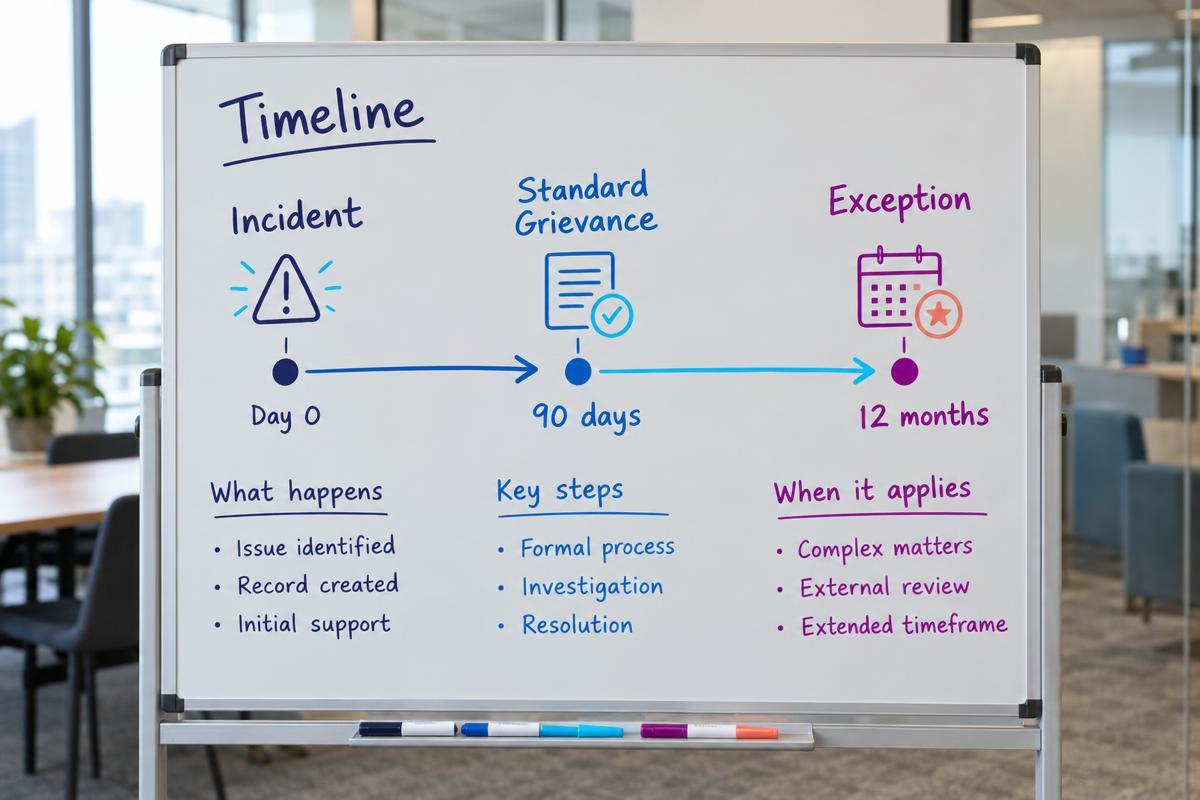
- Personal grievances for sexual harassment now have a 12-month reporting window, while standard grievances remain at 90 days.
- Employees whose serious misconduct contributes to a grievance are now blocked from receiving remedies.
Employment law rarely stands still. The latest round of legislative changes brings a sharper focus on business certainty and accountability. The Employment Relations Amendment Act 2026 came into force on 21 February 2026 and amended the Employment Relations Act 2000. These changes alter the balance of power in the workplace and require immediate updates to your internal policies.
Ignoring these shifts carries a heavy financial risk. Individuals can face penalties of up to NZ$10,000 and companies up to NZ$20,000 for breaches of the Employment Relations Act 2000. When multiple employees are affected by an outdated policy, those fines stack up quickly. Beyond the financial hit, the reputational damage of a public ruling by the Employment Relations Authority can make future recruitment highly difficult.
One of the most debated changes is the removal of blanket dismissal protections for top earners. The 2026 amendments introduced an initial NZ$200,000 remuneration threshold restricting access to some unjustified-dismissal and dismissal-related disadvantage claims. This gives businesses more flexibility when parting ways with senior executives or highly paid specialists who fail to deliver on expectations.
This rule does not mean high earners have zero rights. It simply shifts the default legal position. Employees covered by the new high-income threshold can contract back into unjustified-dismissal protection through their employment agreement. This makes the negotiation phase critical for senior hires. When drafting an individual employment agreement in New Zealand, both parties must explicitly agree on whether these protections apply. If the contract is silent, the threshold applies and the protection is lost.
For HR teams, this means reviewing all current executive contracts. You need to know exactly who sits above the threshold and what their specific agreements state. A failure to track this data accurately leaves the business exposed during a termination process.
Worker misclassification has plagued New Zealand businesses for years. The line between a genuine independent contractor and a de facto employee was often blurry, leading to messy legal disputes over holiday pay and minimum wage rights. The new legislation provides much-needed clarity.
The 2026 amendments created a five-part “specified contractor” gateway test to clarify whether a worker is a contractor or employee. If a working arrangement meets all five criteria, the worker is legally recognised as a contractor. This protects the business from retroactive claims for employee entitlements.
This test places the burden of proof on the employer to maintain clear documentation. You must show that the contractor has genuine control over their work, carries their own financial risk, and operates independently of your core employee structures. Keeping track of these distinct worker categories makes choosing HR software in New Zealand a strategic decision. Your systems must easily separate contractor invoices from the standard payroll obligations governed by the Holidays Act.
The rules around raising and resolving workplace disputes have also tightened. Time limits dictate when an employee can bring a claim against your business. Employees generally must raise a personal grievance within 90 days of the issue arising or coming to their attention; the period for sexual-harassment grievances is 12 months. The extended window for sexual harassment recognises the complexity and trauma associated with these specific complaints.
The most notable change relates to how remedies are awarded when the employee is partly at fault. In the past, the Employment Relations Authority might reduce a financial payout if the employee behaved poorly, but they could still award something. That leniency is gone for severe cases. Where an employee’s contributing conduct amounts to serious misconduct, the amended law prevents remedies from being awarded for the relevant personal grievance. This change stops bad actors from cashing in on procedural errors made during a justified dismissal.
This places a premium on following a fair process. Whether you are managing a performance issue or determining how redundancy works in New Zealand, documenting every step of your investigation is non-negotiable. If you can prove the employee committed serious misconduct, you are protected from paying compensation even if your termination process had minor flaws.
Meeting the requirements of the Employment Relations Act NZ is the baseline for operating a business. It keeps you out of the Employment Court and protects your bottom line from fines. True workforce performance requires more than just ticking legal boxes.
When you focus purely on the legal mechanics of hiring and firing, you miss the human element that drives productivity. A legally sound contract does not guarantee a good hire. Relying solely on resumes for hiring often leads to poor cultural fit and early turnover, regardless of how well-drafted the employment agreement is.
To build a resilient team, you need to assess candidates for behavioural alignment alongside their technical skills. The Compono Hire platform evaluates candidates across Organisation Fit, Skills, and Qualifications. This approach helps you identify people who naturally align with your working environment, reducing the likelihood of performance disputes and personal grievances down the track.
Managing the complexities of the Employment Relations Act NZ requires a structured approach to people data. From tracking remuneration thresholds to securely storing contractor agreements and grievance documentation, Compono gives you the infrastructure to manage your workforce confidently and compliantly.
The Employment Relations Amendment Act 2026 officially came into force on 21 February 2026. Employers are expected to comply with the new regulations from this date forward.
The 2026 update introduced an initial threshold of NZ$200,000. Employees earning above this amount lose default access to unjustified dismissal claims unless they explicitly contract back into those protections via their employment agreement.
For standard employment issues, employees must raise a personal grievance within 90 days of the event occurring. For complaints involving sexual harassment, the reporting window is extended to 12 months.
Non-compliance carries strict financial penalties. Individuals can be fined up to NZ$10,000, while companies can face penalties of up to NZ$20,000 per breach. The Employment Relations Authority can also order the employer to pay lost wages and compensation for distress.
The legislation introduced a five-part gateway test. If a working arrangement satisfies all five specific criteria regarding control, independence, and financial risk, the worker is legally classified as a specified contractor rather than an employee.
How Deel pricing works in 2026 for contractors, EOR and global payroll, what sits outside the headline rate, and what to check before you sign.

Effective employee qualifications tracking reduces operational risk, ensures compliance, and replaces manual spreadsheets with automated systems.

How government agencies manage workforce credentialling, stay compliant, and plan capacity in 2026, plus what to look for in a system.
 Mathan Allington