

.webp)

 Mathan Allington


How to evidence licence compliance in an audit in 2026
 Mathan Allington
To evidence licence compliance in an audit. Discover how to build a defensible register and prove your workforce is qualified without relying on.
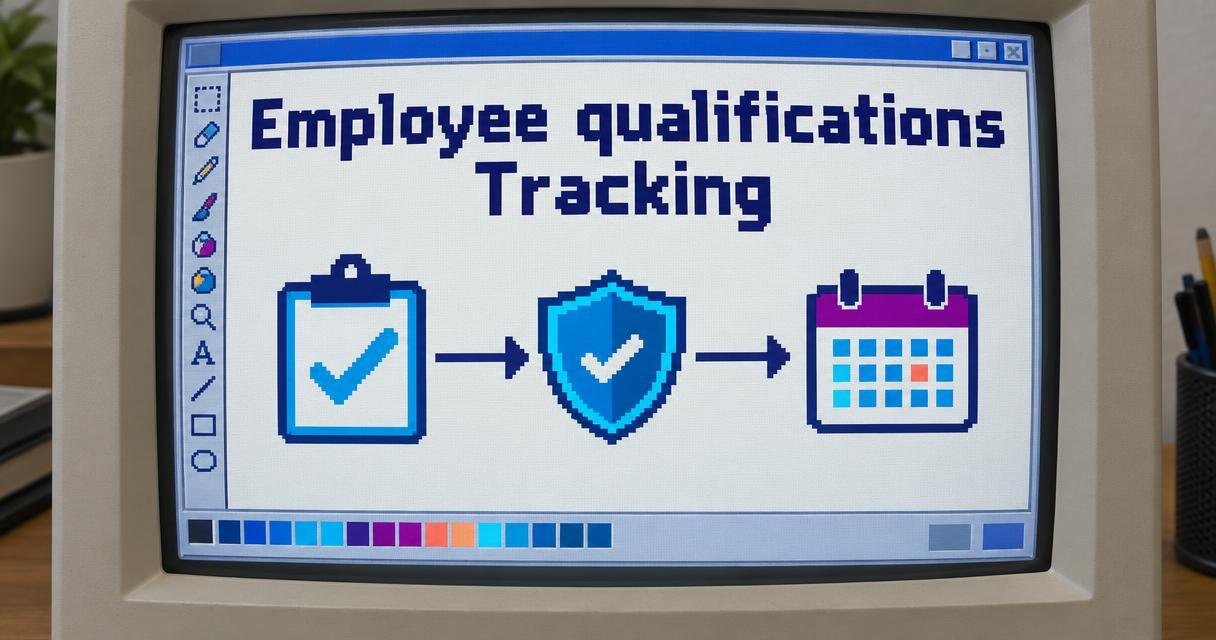
Employee qualifications tracking is the systematic monitoring of staff licences, certifications, and mandatory training to ensure your workforce remains compliant and legally cleared to operate.
Last reviewed October 2026
Key takeaways
- Manual tracking systems create hidden operational risks and expose businesses to compliance breaches.
- Modern employee qualifications tracking automates renewal alerts and provides a single, verifiable source of truth.
- Linking qualifications to specific roles ensures you never assign unqualified staff to high-risk tasks.
- Audit-ready records protect your organisation during regulatory reviews and workplace incidents.
Most organisations start tracking qualifications in a spreadsheet. It works for a team of twenty. It breaks for a team of two hundred. When you rely on manual data entry, human error is inevitable. A missed expiry date on a forklift licence or a lapsed first aid certificate might seem like a simple administrative oversight. In reality, it is a significant legal and financial risk.
When human resources teams spend their Fridays chasing staff for updated certificates, they are doing basic administration instead of strategic work. The business assumes it is compliant because someone is updating a file. The truth usually emerges during an audit or after a workplace incident, when the required paperwork is either missing or expired.
Spreadsheets do not send proactive reminders. They do not verify the authenticity of uploaded evidence. They rely entirely on a manager remembering to open a file and check a specific column. When staff turnover happens, the historical knowledge of who holds what qualification often walks out the door.
We see companies scrambling to find physical copies of certificates days before an external audit. This reactive approach wastes time and creates unnecessary panic. If a worker operates machinery with an expired licence, the company is liable for any resulting damage or injury. Regulators do not accept administrative backlog as an excuse for non-compliance.
To manage workforce qualifications properly, you need a system that treats compliance as a hard operational requirement rather than a filing task. You need visibility over your entire workforce at a glance.
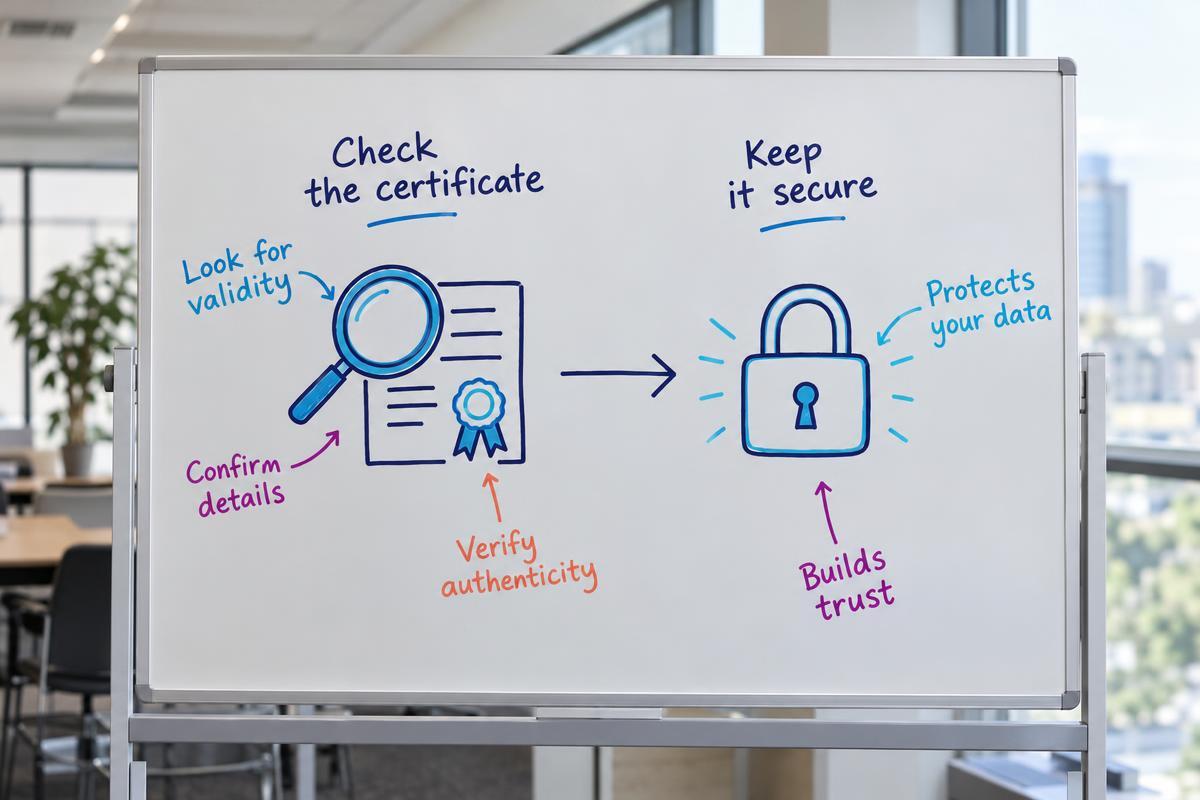
Moving away from manual methods requires a shift in how you view workforce data. Effective employee qualifications tracking relies on automation and strict evidence management.
| Feature | Manual Tracking | Purpose-Built System |
|---|---|---|
| Expiry Alerts | None or manual calendar invites | Automated notifications 30 and 60 days out |
| Evidence Storage | Filing cabinets or scattered email folders | Secure digital uploads attached to the employee profile |
| Reporting | Hours of manual data collation | Real-time dashboards showing compliance gaps |
A dedicated system forces consistency. When a new employee joins, their required credentials are mapped immediately to their role. If you are evaluating a move to a digital platform, using an HR tech requirements builder helps clarify exactly which compliance features your specific industry demands.
Tracking goes beyond avoiding regulatory fines. It helps you understand exactly who can do what on any given day. When you map qualifications to specific roles, you identify capability gaps before they impact your operations.
If you need five certified safety officers on site and two are expiring next month, an intelligent system flags the shortfall early. This gives you time to schedule training without disrupting your daily workflow. Compono Assure helps manage these competencies by linking learning outcomes directly to workforce readiness. It ensures that only staff with verified, current credentials are cleared for specific duties.
This binary approach to compliance removes the guesswork for front-line managers. They can see immediately if a team member is authorised to perform a task.
Many teams confuse skills with qualifications. Skills are often subjective and developmental. You might rate an employee's communication skills as highly proficient. Qualifications are objective and binary. An employee either holds a valid heavy vehicle licence or they do not.
Because qualifications carry legal and safety implications, they require a higher standard of proof. You cannot simply ask an employee if they are qualified. You must verify and track staff credentials online using original documents or verified digital badges. Your tracking system must lock this evidence down so it cannot be altered after approval.
Regulators care about your evidence. If an incident occurs, you need to prove the employee was qualified at that exact moment. Effective employee qualifications tracking provides an immutable record of completion and verification.
When your data is centralised and automated, audits become a routine reporting exercise rather than a massive disruption. You can generate a compliance report for any department in seconds. Learning how to maintain audit-ready training records ensures your business is always prepared for external scrutiny.
By treating qualifications tracking as a core operational function, you protect your business from risk and give your employees the confidence that they are working in a safe, compliant environment.
Ditch the spreadsheets and manage your workforce compliance with a system built for hard evidence and automated renewals.
It is the process of monitoring and managing the mandatory certifications, licences, and training records required for employees to legally and safely perform their jobs.
Tracking ensures your business complies with industry regulations and workplace safety laws. It prevents unqualified staff from performing high-risk tasks and protects the company from legal liability during an incident.
The most effective method is using a dedicated software platform that automates expiry alerts, securely stores digital evidence, and links required credentials directly to specific job roles.
Spreadsheets rely on manual updates and do not send automated reminders when a qualification is about to expire. They are highly prone to human error and make it difficult to produce quick, verified evidence during an audit.
To evidence licence compliance in an audit. Discover how to build a defensible register and prove your workforce is qualified without relying on.

Fair Work compliance software cuts underpayment risk, keeps records audit-ready and frees HR to focus on culture. A plain guide for Australian teams.

How government agencies manage workforce credentialling, stay compliant, and plan capacity in 2026, plus what to look for in a system.