1 min read
How to create higher-performing teams: assess your team
Part 1: Assess your team How people work We’re all different. Which is why we all have our own preferences for performing certain types of work.
Voice or text coaching built on psychology. For you, your team, or the candidates you place.
A coach that actually gets you.
Get 10 minutes free, then $15 a month. Cancel anytime.
Get Started ≫3 min read
Mathan Allington
Updated on July 8, 2026
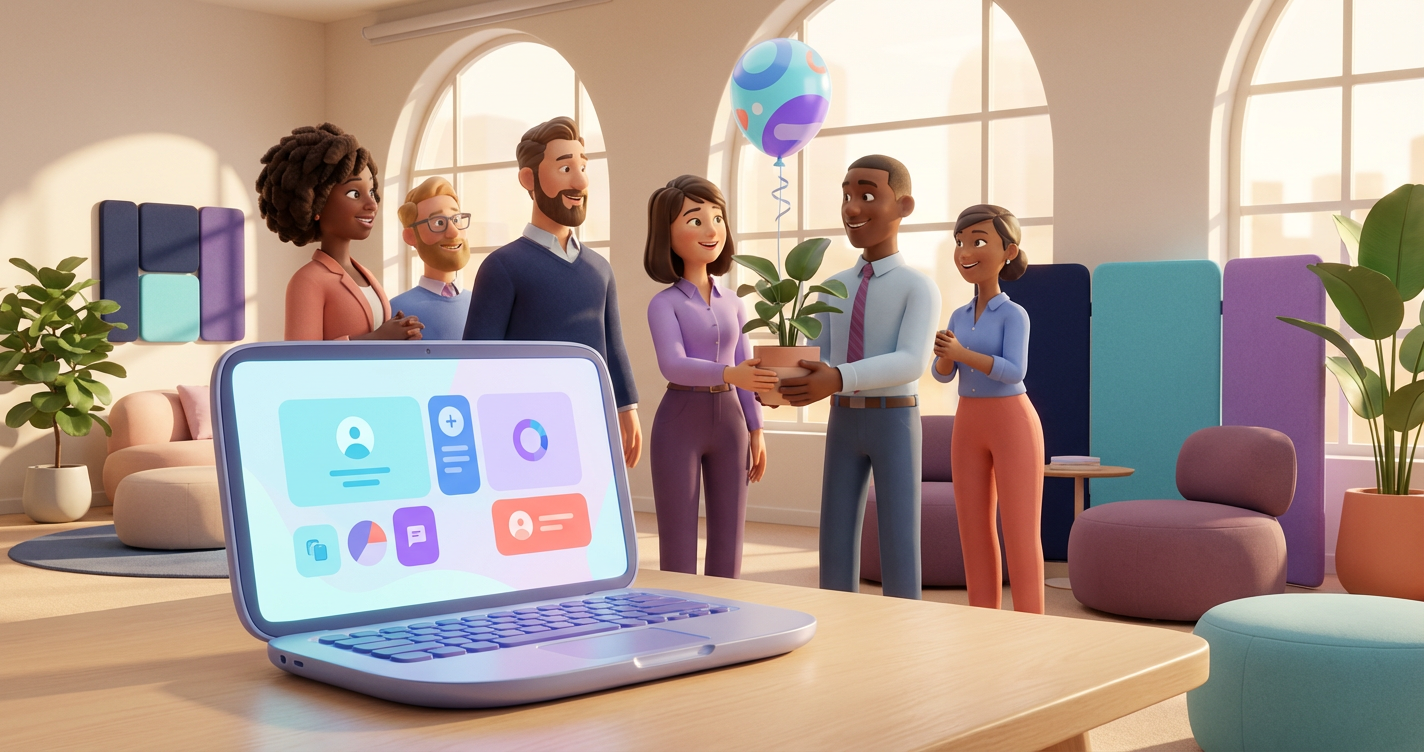
Employee onboarding software is a digital tool that automates and manages how new hires join your organisation, so they get the systems, knowledge, and connections they need to do good work sooner. It replaces scattered emails and PDFs with a structured experience that reduces early turnover and shortens the time to full productivity.
Last reviewed July 2026.
Most of us have started a job and spent the first three days waiting for a login that never arrives or fighting a printer. That fragmented start sends an unintended message: we weren't ready for you. When the first experience feels chaotic, the relationship between employer and new hire starts to fray before week one is over, and a poor start makes new hires far more likely to look elsewhere within a few months.
The financial side stacks up quickly once you add recruitment, training, and lost productivity together. Onboarding software gives you the structure and consistency to turn a daunting first day into a smooth transition. The first 90 days are the most important window in an employee's journey, and a unified digital experience means every starter gets the same quality introduction to your culture and values, rather than leaving it to chance.
The most immediate win is clearing the paperwork mountain. HR teams lose hours chasing signatures, checking identity documents, and ticking compliance boxes. Automation centralises those tasks and hands that time back to the work that matters, which is building relationships and supporting the new hire.
A good platform lets new starters complete essential documents before day one, sometimes called pre-boarding. Getting the boring parts out of the way early means the first day can go to meeting the team and understanding the vision. Automation also stops steps falling through the cracks, from provisioning hardware to setting up accounts and booking introductory meetings. That level of organisation tells a new hire you are prepared and welcoming.
Onboarding is an introduction to how your business actually works, so cultural immersion should be the goal. New hires need to understand the why behind the organisation, not only the how of daily tasks. Digital platforms let you share stories, short videos, and your mission in a way a dusty handbook never could.
Social connection matters just as much, especially for hybrid and remote teams where starting can feel isolating. Good software introduces new hires to a buddy or mentor and gives them profiles of colleagues, which encourages the informal conversations that build belonging. Understanding the personalities on your team helps here too. Compono's work personality framework helps managers adapt from day one. A Doer might want concrete tasks straight away, while a Pioneer may prefer time to explore first.
You cannot improve what you do not measure. The big weakness of manual onboarding is a lack of visibility, so problems only surface at the three-month review when it is often too late. Onboarding software gives you real-time feedback at every stage. Automated pulse surveys at day seven, day thirty, and day ninety show whether people feel supported and have what they need, and whether the role matches expectations.
That same data shows which managers integrate people well and which need more support. Onboarding is a shared job between HR and the direct manager, and a central platform gives managers a clear framework to work from. When everyone agrees on what success looks like, ramp-up times fall and engagement rises. Pairing onboarding with a learning platform like Compono Develop keeps that momentum going into structured development.
See how Compono carries the momentum of a strong hiring experience straight into structured onboarding and development.
Talk to usA structured, consistent experience helps new hires feel valued and prepared from day one. That reduces the buyer's remorse of a poor start, which lifts commitment and lowers turnover in the first year.
Yes, and it is often more important for them. The software acts as a digital headquarters for documents, training, and social introductions that would otherwise be missed without a physical office.
Orientation is usually a one-off event covering compliance and basics. Onboarding is a longer process, often 90 days or more, focused on cultural integration, performance, and social connection.
Every role differs, but most practitioners agree onboarding should run for at least 90 days. That gives the employee time to move through learning, contributing, and reaching full productivity.

Compono Hire helps you predict job-fit and team-fit using behavioural science, so you can shortlist with confidence.
Request a demoBuilt for mid-market hiring teams.

Voice-first coaching that adapts to your personality. Get actionable steps you can take this week.
Start freeBuilt by Compono. Not therapy — practical behaviour change.
1 min read
Follow our monthly product updates as we share the latest features to help you strategically design and develop teams and the work environment.
1 min read
Getting your onboarding process right is the difference between a new hire who feels like a valued team member and one who is already looking for the...