How to onboard new employees for long-term success
Getting your onboarding process right is the difference between a new hire who feels like a valued team member and one who is already looking for the...
Become the expert on delivering
valid and fair assessments for
your training and education.
Hire
|
Engage
|
Develop
|
|
Automatically match to candidates who are a great fit for your team culture and who are intrinsically motivated to succeed. |
Deeply understand your organisation with science-backed analytics on your culture, team design, and engagement. |
Back your onboarding, compliance and skill development with industry-leading credentialling, competency and capability expertise.
|
Hey Compono helps you understand your personality and how to turn it into your superpower.
First 1,000 users get 10 minutes free.
Just $15 a month after that — cancel anytime.
Strong induction software does more than just tick off a compliance checklist; it sets the stage for long-term employee success and cultural alignment. When you get the first 90 days right, you aren't just filling a seat – you are protecting your recruitment investment and building a high-performing team from day one.
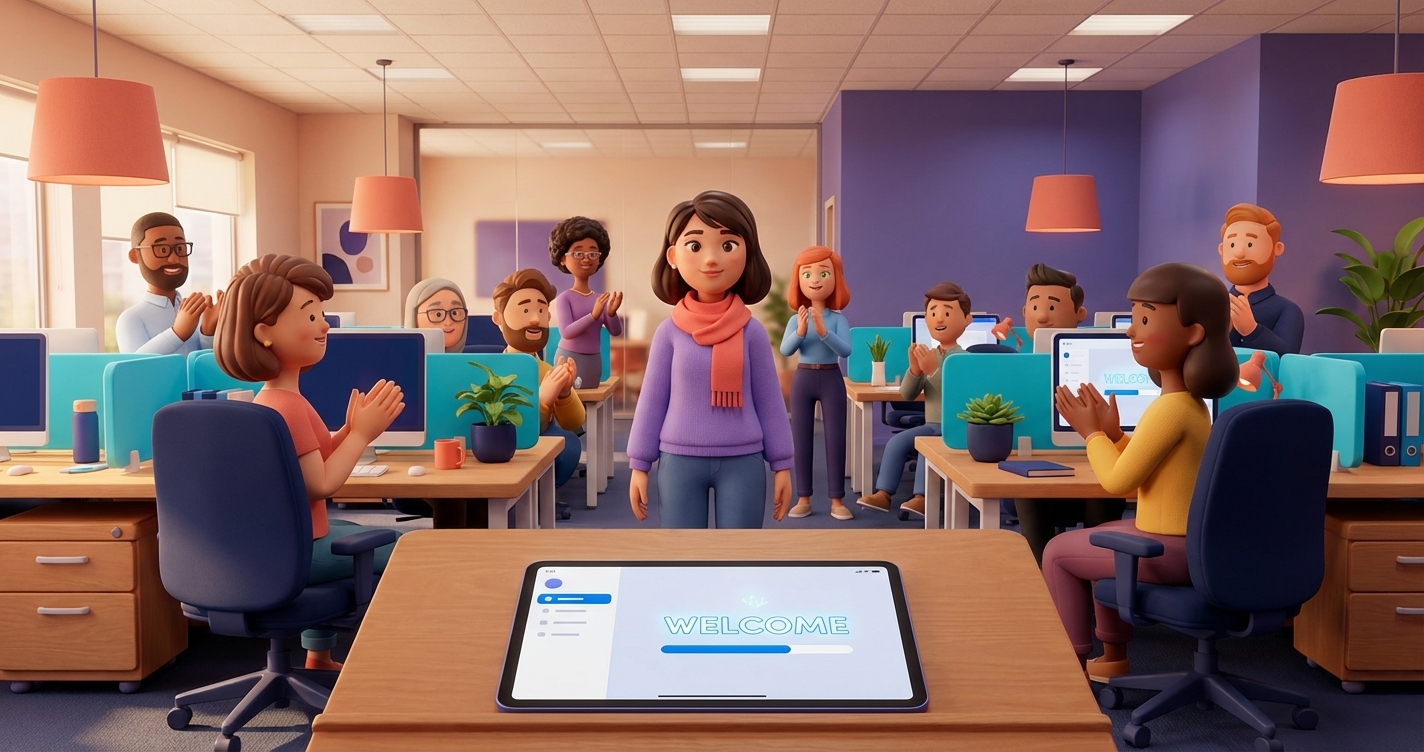
We have all been there. You start a new job, full of excitement, only to spend your first week sitting at a lonely desk waiting for an IT login or reading through a dusty 50-page PDF manual. It is a frustrating experience that leaves new hires feeling like an afterthought rather than a valued addition to the team. For HR leaders, this isn't just a minor inconvenience – it is a significant risk to the business.
Research consistently shows that the first few weeks of employment are the most critical for retention. If the experience is disjointed or overwhelming, your new talent might already be looking for the exit before they have even finished their first project. Traditional paper-based or manual inductions are prone to human error, resulting in missed training, late equipment arrivals, and a lack of clear direction.
Modern teams are moving away from these manual hurdles. By using induction software, you can automate the administrative heavy lifting, allowing you to focus on what actually matters: the human side of joining a new workplace. It is about moving from a 'transactional' start to a 'transformational' one.

The primary role of induction software is to provide a consistent, structured journey for every new hire, regardless of their location or department. When you centralise your onboarding, you ensure that every person receives the same high-quality introduction to your company's mission, values, and expectations. This consistency is the foundation of a strong employer brand.
Effective software allows you to drip-feed information over time. Rather than dumping everything on a new hire on Monday morning, you can schedule specific modules to be completed over their first month. This prevents cognitive overload and keeps the momentum high. You can also include interactive elements, such as videos from the CEO or quizzes that reinforce key cultural points.
At Compono, we believe that engagement starts before the first day. Our Compono Engage module helps you understand your team's sentiment from the very beginning, ensuring that your induction process is actually hitting the mark and making people feel heard. When you measure engagement early, you can step in and provide extra support where it is needed most.
One of the biggest mistakes in standard induction programmes is treating every new hire the same. While the company-wide information remains constant, the way an individual prefers to learn and integrate depends heavily on their natural work preferences. This is where understanding work personality becomes a competitive advantage for your HR team.
Imagine you are inducting The Doer. They are likely to want practical, hands-on tasks immediately. They find satisfaction in ticking off concrete objectives. On the other hand, The Helper will prioritise building relationships and understanding the team's social fabric. If your induction software only offers a one-size-fits-all approach, you might leave half your team feeling disengaged.
By tailoring your induction touchpoints to these personality types, you make the transition smoother. You might pair The Pioneer with a mentor who encourages their imaginative ideas, or provide The Auditor with the detailed, methodical documentation they need to feel secure in their new role. This level of personalisation, supported by the right technology, shows that you value the individual, not just the headcount.

Compliance is often the least 'fun' part of HR, but it is undeniably essential. Induction software ensures that all necessary documents – such as tax forms, safety certifications, and policy acknowledgments – are signed and stored securely. Automated reminders mean you don't have to spend your Tuesday morning chasing up a signed handbook from a busy manager.
However, software should never replace the human connection. Instead, it should act as the enabler for it. By automating the 'paperwork', you free up managers to have meaningful one-on-one conversations. You can use the data from your induction platform to prompt managers to check in at key milestones, like the end of the first week or the first 30 days.
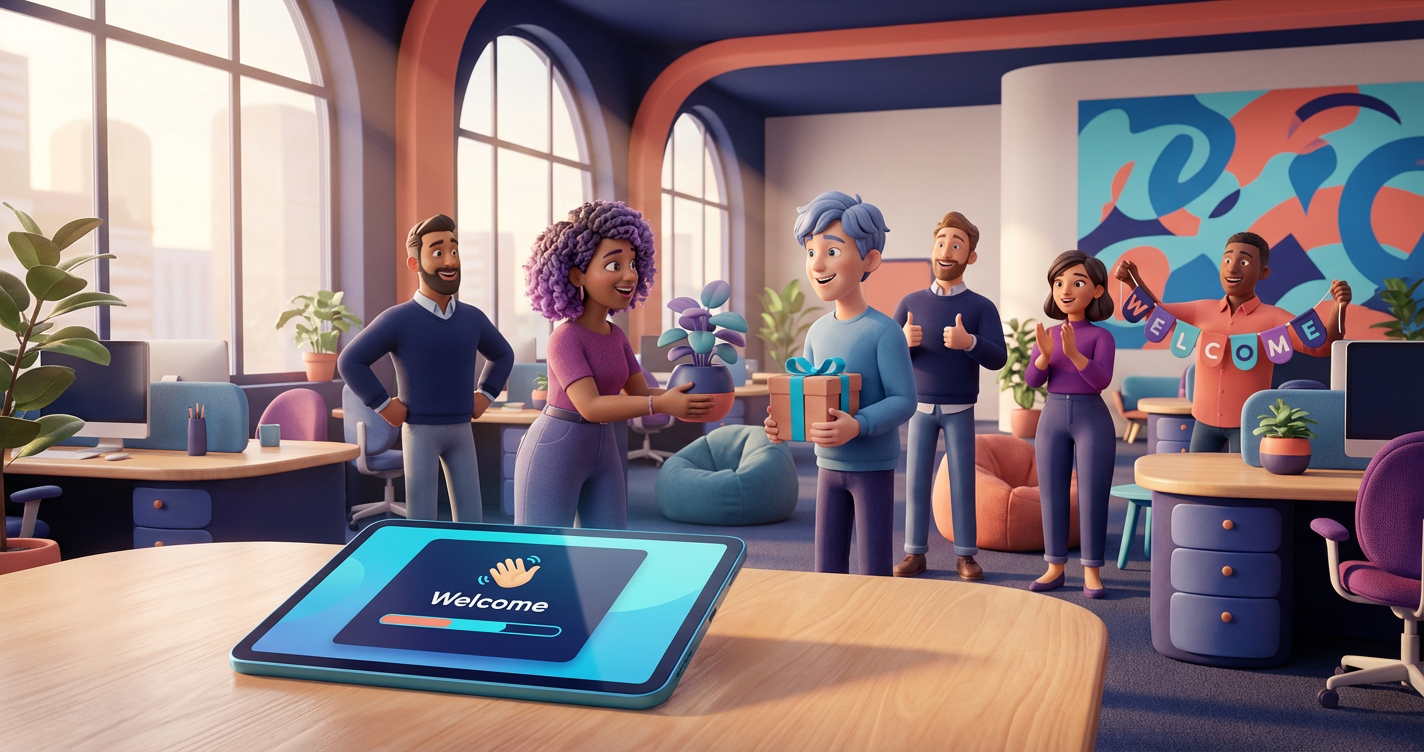
This blend of technology and human touch is what creates a high-performing culture. When employees feel that the business is organised and professional, they are more likely to mirror those behaviours in their own work. It sets a standard of excellence from the very first interaction.
You cannot manage what you do not measure. A major benefit of moving your induction process into a digital platform is the ability to track progress and identify bottlenecks. Are people getting stuck on a particular training module? Is there a specific department where new hire engagement drops off after two months? Induction software provides the data you need to iterate and improve.
We recommend looking at metrics like time-to-productivity, new hire turnover rates, and early engagement scores. These insights allow you to prove the ROI of your software investment to the wider leadership team. It moves HR from a cost centre to a strategic partner that is actively protecting the company's most valuable asset: its people.
To truly understand how your culture is evolving as you scale, you can refer to The Compono Culture, Engagement & Performance Model. This framework helps you see the direct link between a well-structured induction and the long-term performance of your teams. It is about building a sustainable ecosystem where every new hire has the tools they need to thrive.
Induction is typically the shorter-term process of introducing a new hire to their specific role and the company basics (like policies and tools). Onboarding is a broader, long-term strategy that covers the entire first year, focusing on cultural integration and performance.
Absolutely. Induction software is essential for remote teams as it provides a digital 'home' for all resources, ensuring that remote employees receive the same level of support and information as those in a physical office.
While the initial paperwork might take a few days, a comprehensive induction should ideally span the first 90 days. This allows for a gradual introduction to complex tasks and deeper cultural immersion without overwhelming the employee.
Most modern induction platforms are designed to work alongside your existing HR tech stack. This ensures a seamless flow of data from the recruitment stage through to payroll and ongoing performance management.
By providing a professional, welcoming, and organised start, induction software reduces 'new hire regret'. When employees feel supported and clear about their goals from day one, they are significantly more likely to stay with the company long-term.

Compono Hire helps you predict job-fit and team-fit using behavioural science, so you can shortlist with confidence.
Request a demoBuilt for mid-market hiring teams.

Voice-first coaching that adapts to your personality. Get actionable steps you can take this week.
Start freeBuilt by Compono. Not therapy — practical behaviour change.
Getting your onboarding process right is the difference between a new hire who feels like a valued team member and one who is already looking for the...
Building a high-performing team is no longer just about hiring the right people – it is about what happens after they sign the contract. In today's...
People problems are real. They come from tools that manage process but ignore decisions. If you are an HR leader in today's workplace, you have...