


 Mathan Allington


PageUp review 2026: features, pricing and alternatives
 Mathan Allington
Read our comprehensive 2026 PageUp review. We evaluate ATS features, candidate experience, implementation costs and the best mid-market alternatives.
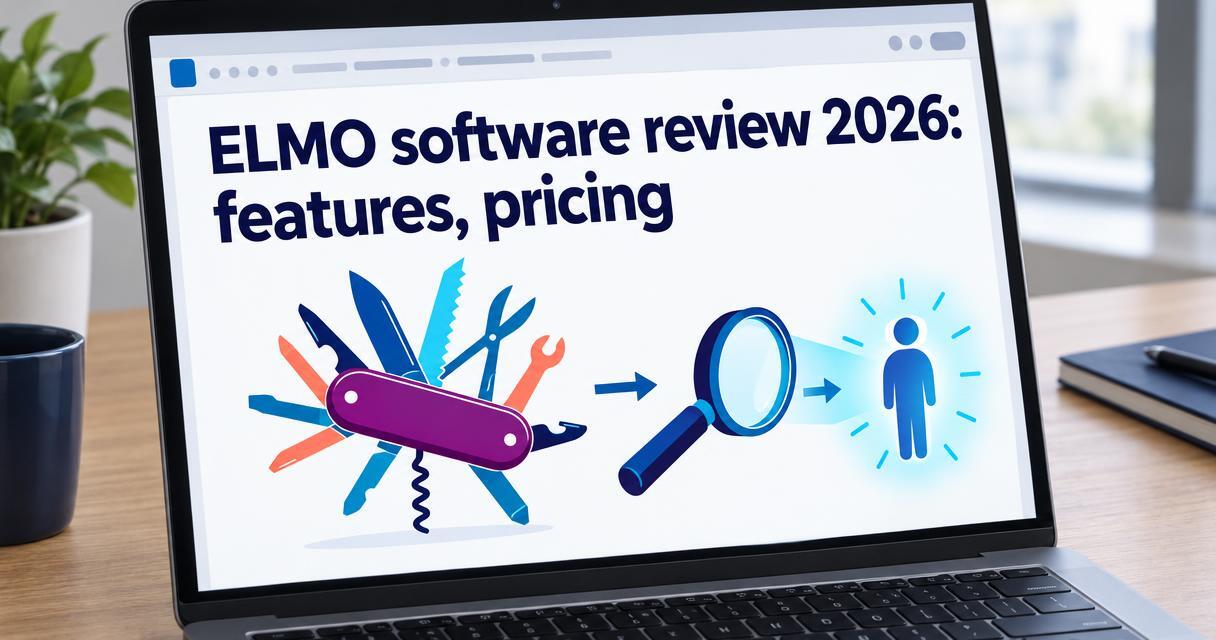
ELMO software is a comprehensive human resources and payroll system that helps mid-market Australian and New Zealand organisations centralise their administrative processes.
Last reviewed November 2026
Quick answer
- Price: Pricing on request (customised by module and headcount).
- Best for: Mid-market ANZ businesses needing a unified payroll, rostering and core HRIS platform that handles local compliance.
- Verdict: A reliable administrative anchor for your HR tech stack that manages compliance well, provided you are prepared for an initial learning curve and rely on specialist platforms for deep behavioural insights.
Scaling organisations eventually reach a point where spreadsheets and disconnected systems fail. HR leaders in companies with 60 to 1,000 employees often drown in transactional tasks, from managing leave requests to chasing performance review documents. The natural response is to seek a single Human Resource Information System (HRIS) to centralise the chaos.
Platforms like ELMO software excel at managing process risk. They ensure modern awards are calculated correctly, training records are logged, and onboarding checklists are completed on time. This compliance layer is necessary for any growing business. When you use a vendor evaluation scorecard to assess your needs, payroll and core HR always rank as non-negotiable requirements.
However, buying a broad HRIS often requires a trade-off in depth. Systems designed to manage employment records and payroll logic are rarely built to measure human behaviour. They track what people do and what they are paid, but they struggle to tell you who will fit your culture or why your best performers are leaving. This is the difference between process risk and people insight risk.

ELMO delivers a vast footprint of HR capabilities. Instead of buying separate tools for recruitment, onboarding, performance and learning, companies can adopt ELMO modules as they grow.
The core HR and payroll modules are the strongest anchors. Built specifically for the local market, the platform handles Australian and New Zealand tax tables, superannuation, and compliance reporting without the friction common to overseas vendors. The rostering and time-and-attendance tools integrate directly with payroll, eliminating double data entry for shift-based workforces.
The learning management functionality also performs well for compliance training. According to a G2 review aggregate, users rate ELMO's content delivery and tracking at 9.0 out of 10, which sits slightly above the category average of 8.9. For testing and evaluating that knowledge, reviewers rate ELMO's assessments and practice at 8.8 out of 10, compared with a category average of 8.7.
ELMO does not publish its software pricing publicly. The company uses a custom pricing model based on the number of modules selected and the total employee headcount. This modular approach allows businesses to start with core HR and payroll, adding performance management or succession planning modules later. If you are comparing budgets, it helps to read a dedicated ELMO software pricing guide to understand the typical mid-market investment.
Deploying a comprehensive HRIS is a significant project. Data migration from legacy systems requires careful mapping of employee records and historical payroll data. Users consistently report a challenging learning curve during initial training and complex setup phases. Reviewers also rate ELMO's customer training at 8.3 out of 10, which trails the broader category average of 8.8. Organisations evaluating ELMO should assign a dedicated project manager to handle the implementation timeline.
Overall user sentiment remains positive. ELMO software holds a 4.4 out of 5 average rating on G2. Customers frequently praise the responsive customer support and helpful representatives when dealing with routine tickets.
The primary limitations stem from the product's broad, single architecture. Reported drawbacks include limited customisation, module-synchronisation problems, and a reliance on manual processes for workflows that sit outside standard configurations. Because it spans so many HR functions, individual modules do not always match the depth of standalone specialist platforms.
When rating the platform as a strategic vendor, users give ELMO an 8.4 out of 10 score for being a good business partner, sitting notably below the category average of 9.4. Reviewing an honest ELMO comparison helps identify which workflows might require additional tools.
When you outgrow spreadsheets, you have choices. Most organisations evaluate a mix of broad HRIS platforms and specialist platforms. Before signing a long-term contract, review the full list of ELMO software alternatives available in 2026.
Most traditional HR technology is incomplete. It manages the paper trail but ignores the people. When you hire on skills and compliance alone, you miss the behavioural traits that determine whether someone will actually thrive in your unique environment. Your HRIS tracks applications and approvals perfectly. Our software tells you who will fit the team.
This is where the Both/And approach wins. You need an HRIS like ELMO to calculate payroll and track leave balances reliably. You also need a system of intelligence to measure engagement, assess culture fit, and build high-performing teams. When you run process tools alongside people insight tools, you cover your compliance risk while actively reducing employee turnover.
If your current HR tech tracks compliance but leaves you guessing about team culture and behavioural fit, you are missing half the picture. Compono provides the deep people insights your core HRIS lacks, helping you hire smarter, measure true engagement, and develop your workforce based on evidence rather than instinct.
Yes. ELMO software is a cloud-based Human Resource Information System that centralises core HR functions, payroll, rostering, and performance management into a single platform.
Yes. ELMO is built specifically for the local market and includes a comprehensive payroll module designed to handle Australian tax tables, modern awards, and superannuation compliance.
Implementation timelines vary based on the number of modules purchased and the complexity of your legacy data. Mid-market companies should generally expect a deployment period spanning several months, requiring dedicated internal resources to manage data migration and setup.
An HRIS is designed to manage administrative processes and compliance. Companies use specialist platforms alongside their HRIS to gain deeper insights into human behaviour, culture fit, and employee engagement, which broad administrative tools do not measure effectively.
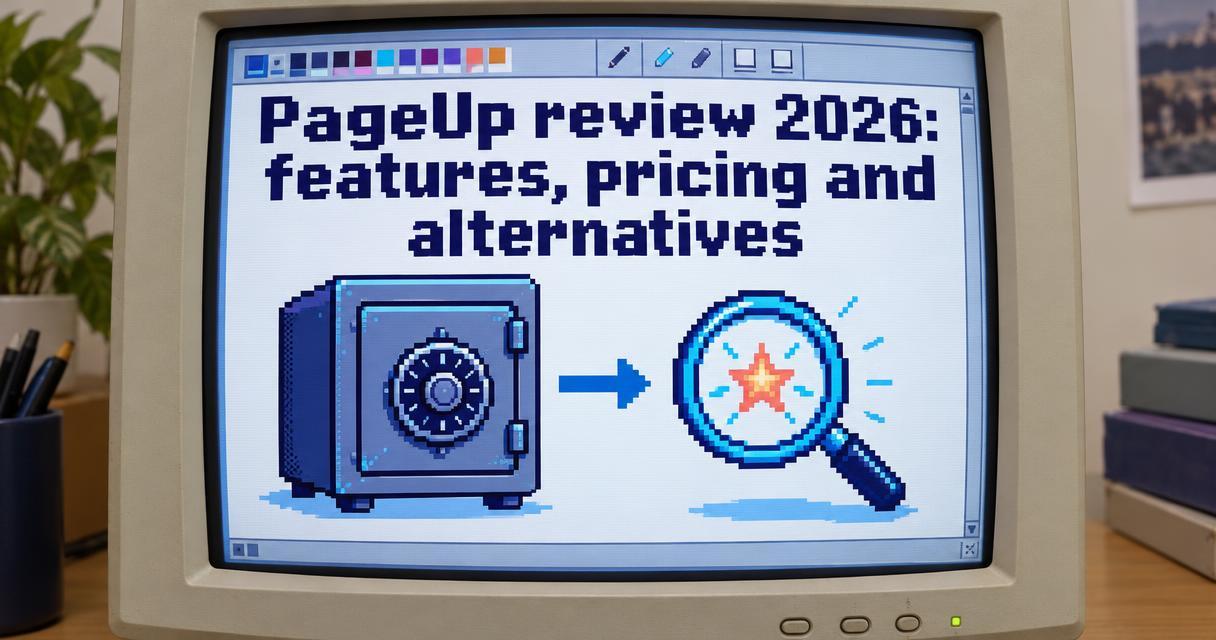
Read our comprehensive 2026 PageUp review. We evaluate ATS features, candidate experience, implementation costs and the best mid-market alternatives.
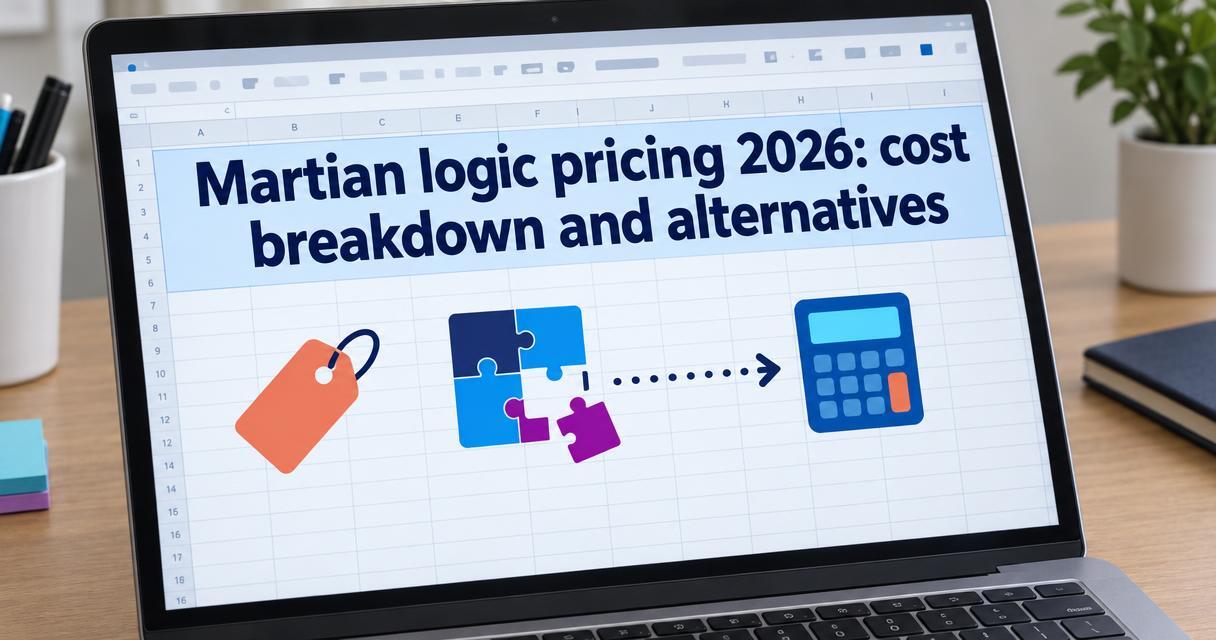
How Martian Logic pricing works in 2026, explore cost factors for its modular HRIS, and compare top alternatives for your Australian workforce.

What a talent management platform should cover: hiring, engagement and development data in one place, plus work personality for role fit.