Skip to the main content.
FOR GOVERNMENT

AssureArrow Left

Become the expert on delivering
valid and fair assessments for
your training and education.

Compono Assure


FOR BUSINESS

HireArrow Left

Engage Arrow Left

Develop Arrow Left

Automatically match to candidates who are a great fit for your team culture and who are intrinsically motivated to succeed.

Deeply understand your organisation with science-backed analytics on your culture, team design, and engagement.

Back your onboarding, compliance and skill development with industry-leading credentialling, competency and capability expertise.


The AI that actually understands you.

Hey Compono helps you understand your personality and how to turn it into your superpower.

First 1,000 users get 10 minutes free.
Just $15 a month after that — cancel anytime.

Hey Compono


4 min read

Cognitive ability test employment guide for better hiring

Cognitive ability test employment guide for better hiring
7:54

Choosing the right person for a role is often the hardest part of being a leader, especially when a resume only tells half the story. While experience and qualifications matter, they don’t always show how someone will handle a complex problem or adapt to change. This is where a cognitive ability test for employment becomes your most reliable tool for predicting real-world success.

Why traditional hiring often misses the mark

We’ve all been there – you meet a candidate who looks perfect on paper, has a glowing reference, and interviews like a total pro. Then, three months into the job, they struggle to keep up with the pace or fail to grasp the core requirements of the role. It is a frustrating and expensive mistake that most businesses make more often than they would like to admit.

The problem is that resumes focus on the past, but hiring is about predicting the future. We tend to rely on gut feel or shared interests during interviews, which is human nature but not exactly scientific. Research shows that traditional interviews are actually one of the least effective ways to predict how someone will actually perform once they start.

When you rely solely on subjective measures, you open the door to unconscious bias. We naturally gravitate toward people who are similar to us, which can lead to a lack of diversity in thought and problem-solving. To build a high-performing team, you need a more objective way to measure potential, and that is exactly what cognitive testing provides.

The science behind cognitive ability test employment

You might be wondering what exactly we are measuring when we talk about cognitive ability. It isn’t about how much someone knows or what they learned in university. Instead, it measures 'General Mental Ability' – the raw horsepower of the brain. It is about how quickly someone can learn new information, solve problems, and make sense of complex data.

In the world of organisational psychology, cognitive ability is widely recognised as the single best predictor of job performance across almost every industry. Whether you are hiring a software engineer or a customer service representative, the ability to process information efficiently is a universal requirement for doing a good job.

These tests usually look at a few different areas, such as numerical reasoning, verbal logic, and spatial awareness. By combining these, you get a clear picture of a candidate's 'trainability'. In a modern workplace where technology and processes change every week, the speed at which someone can learn is often more valuable than the specific skills they have today.

How cognitive testing reduces your people risk

Every bad hire is a drain on your culture and your bottom line. When someone isn't the right fit for the mental demands of a role, it leads to stress for them and frustration for the rest of the team. By using a cognitive ability test for employment, you are essentially adding a layer of 'insurance' to your recruitment process.

It allows you to filter the 'can-do' from the 'has-done'. Many candidates are great at documenting their past achievements but might struggle when faced with a brand-new challenge that doesn't have a playbook. Testing gives you the confidence that your new hire has the mental agility to grow with your business.

At Compono, we believe in making work personal by understanding people holistically. Conceptually, this starts with matching raw potential to role complexity. Our Compono Hire module uses people-science to rank candidates based on their likelihood to succeed, ensuring you spend your time interviewing the people with the highest potential.

Integrating assessments into your recruitment workflow

The key to successful testing is timing. If you wait until the final stage of the interview process to run an assessment, you’ve already spent hours of your team's time talking to people who might not have the cognitive capacity for the role. It’s much more efficient to move these insights to the front of the funnel.

When you ask candidates to complete a short, engaging assessment early on, you create an even playing field. Every applicant gets the same opportunity to demonstrate their ability, regardless of how fancy their resume looks or which school they went to. This 'blind' approach to early screening is one of the best ways to improve diversity and inclusion in your workplace.

You should also consider how the test results interact with other data points. Cognitive ability tells you if they *can* do the job, but you also need to know if they *will* do the job and if they will *stay*. Combining cognitive data with personality and culture fit gives you a 3D view of the human being behind the application.

The link between mental agility and high-performing teams

High-performing teams aren't just a collection of smart individuals; they are groups of people who can coordinate their efforts and adapt to new information together. When you have a team with high average cognitive ability, they tend to communicate more effectively and solve bottlenecks faster.

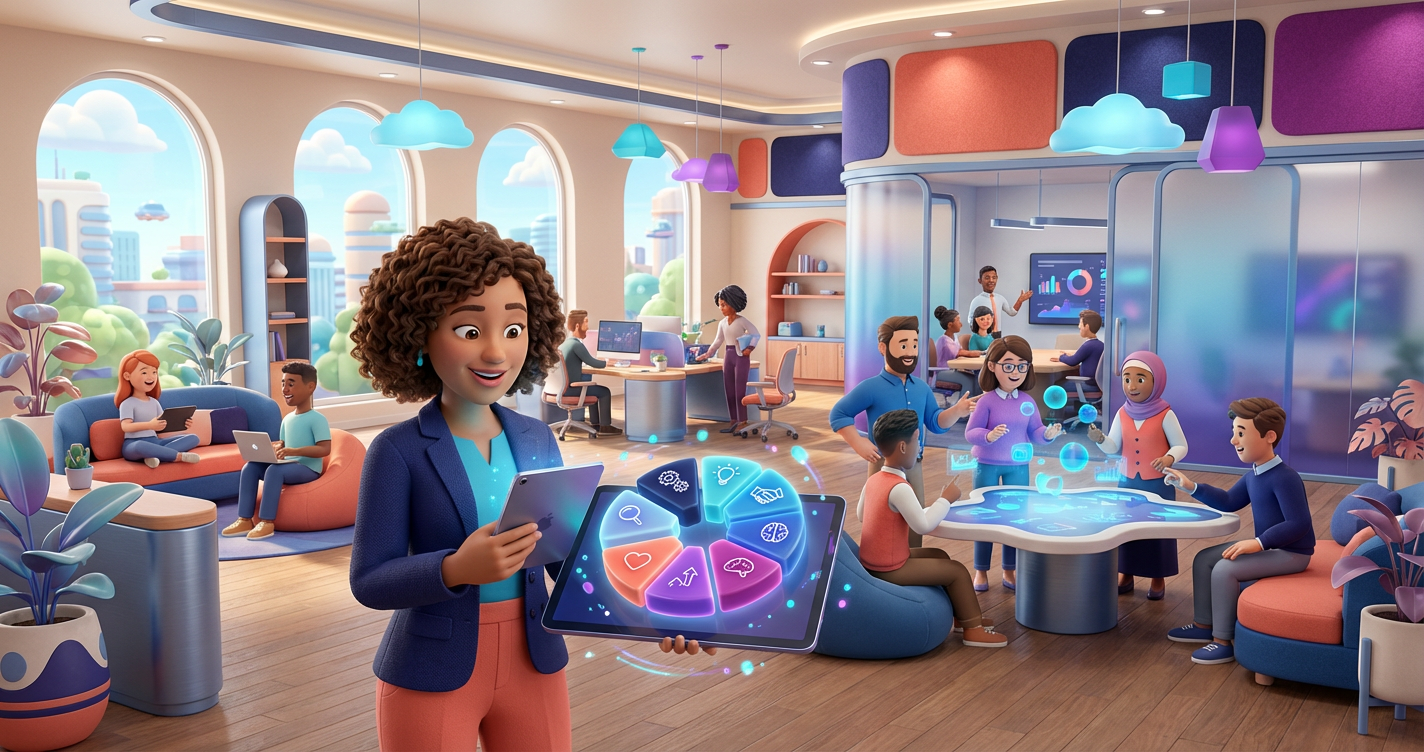
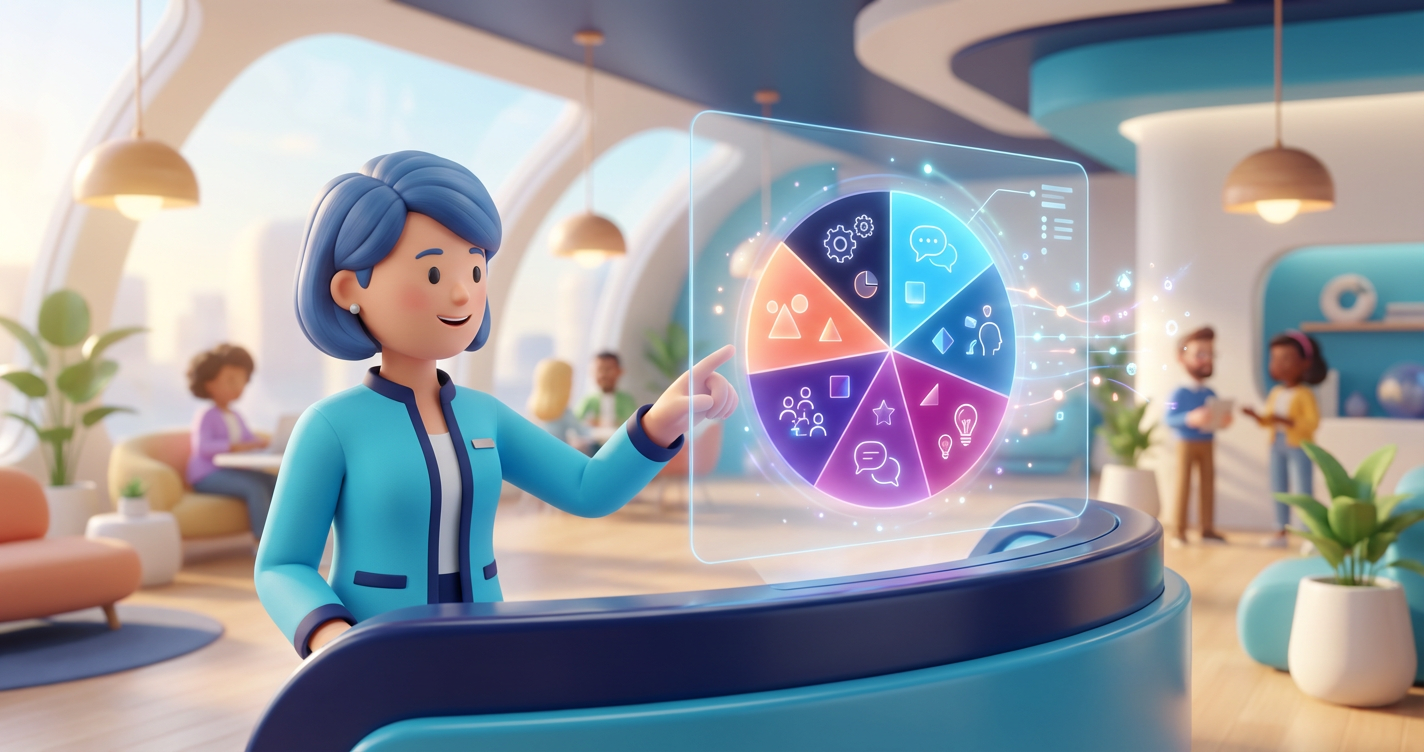
Our research at Compono has identified 8 key work activities that all high-performing teams do, from pioneering new ideas to auditing the details. Each of these activities requires a different type of mental focus. By understanding the cognitive strengths of your current staff, you can identify where you might have a 'brainpower gap' and hire specifically to fill it.

Using tools like Compono Engage, you can map out your team's work personalities and culture. When you combine these insights with cognitive data during the hiring process, you aren't just filling a vacancy – you are strategically designing a team that is built to win. It turns recruitment from a reactive task into a competitive advantage.

Common myths about employment testing

There are often concerns that testing might scare off good candidates or that it’s too 'clinical' for a modern brand. In reality, the opposite is usually true. High-quality candidates often appreciate a rigorous process because it shows the company takes its talent seriously. It gives them confidence that they will be working alongside other high-calibre people.

Another myth is that these tests are easily 'gamed'. While some practice can help, true cognitive ability is quite stable over time. Modern assessments are designed to be difficult to cheat and provide a much more honest reflection of ability than a curated LinkedIn profile ever could.

Finally, some worry that testing replaces the 'human element'. We see it as the exact opposite. By automating the objective screening of mental ability, you actually free up your time to have deeper, more meaningful human conversations during the interview. You can focus on values, passions, and dreams, knowing that the 'can-do' box has already been ticked by the data.

Key takeaways for smarter hiring

  • Predict Performance: Cognitive ability is the most statistically significant predictor of how someone will perform on the job.
  • Reduce Bias: Objective testing levels the playing field and helps you look past resume fluff and interview charm.
  • Hire for the Future: Measure a candidate’s ability to learn and adapt, not just the skills they’ve used in the past.
  • Front-load Insights: Use assessments early in the process to save time and focus on the best-matched talent.
  • Build Better Teams: Use cognitive data to ensure your team has the collective mental agility to solve complex problems.

Where to from here?

Related

Understanding 'Work Personality': a smarter way to make hiring decisions

Understanding 'Work Personality': a smarter way to make hiring decisions

Ever feel like traditional hiring processes fall short in selecting the right fit for your team? Well, you’re not alone. The challenges of...

Read More
How to assess your team’s work personality to identify gaps

How to assess your team’s work personality to identify gaps

Ever wondered why some teams just click and others seem to struggle, even if every individual is talented? The secret often lies in understanding...

Read More
Building high-performing teams with work personality insights

Building high-performing teams with work personality insights

Ever looked at those dream teams that just seem to click, where everyone’s strengths complement each other perfectly, and wondered how they got it...

Read More