

.webp)

 Mathan Allington


ATS for charities New Zealand: a guide to smarter hiring
 Compono
What to look for in an applicant tracking system when you are a New Zealand non-profit hiring on a tight budget with a very small team.
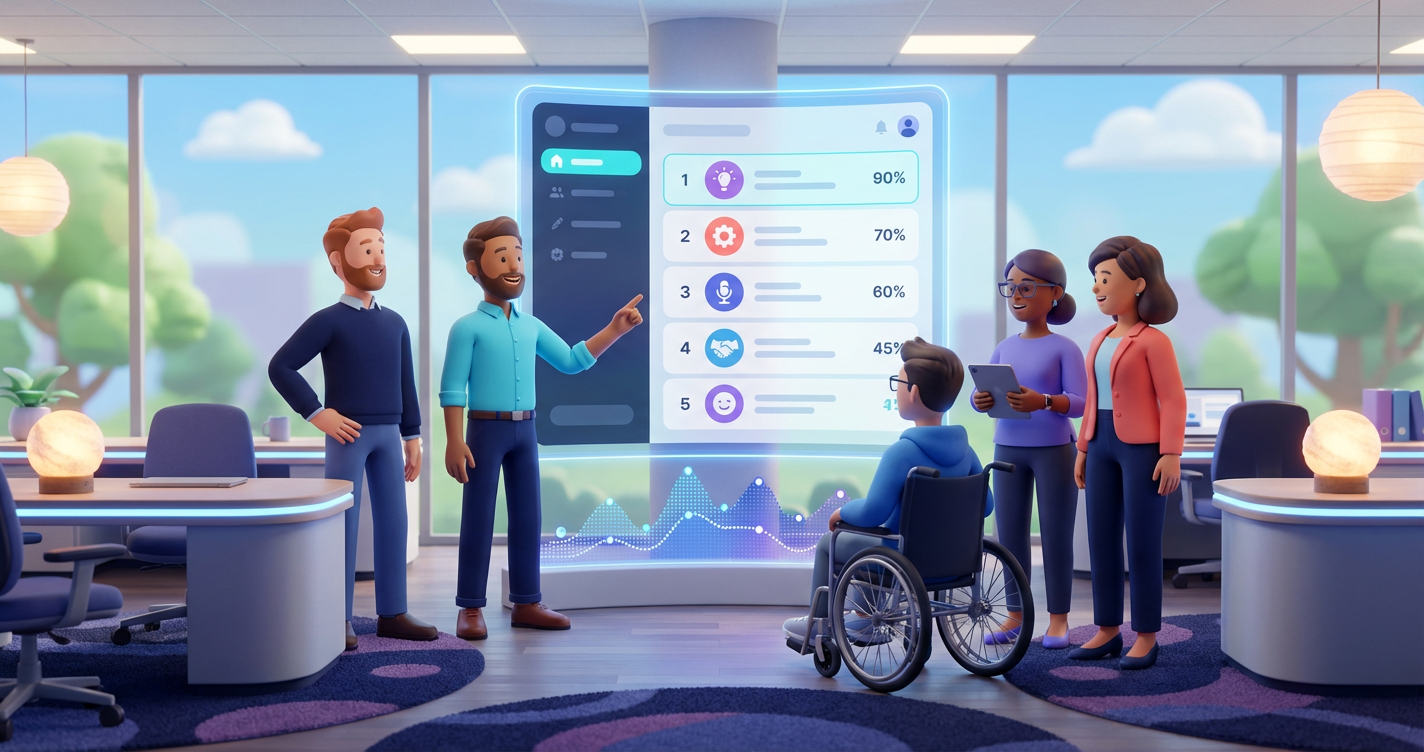
Automated candidate ranking uses intelligent algorithms and data-driven assessments to score and order job applicants by their suitability for a specific role. It replaces manual resume screening with objective evidence, surfacing the people whose skills, qualifications and work personality best match the job.
Last reviewed July 2026.
Moving away from manual resume screening saves hundreds of hours of admin and grounds your hiring in evidence rather than gut feel. The people most likely to succeed rise to the top of your list automatically, so your team can spend its time on high-value interviews.
Key takeaways
- Automated candidate ranking cuts the time spent on manual resume screening, freeing recruiters for high-value interviews.
- Objective data points, rather than resume keywords, reduce unconscious bias in the early stages of hiring.
- The strongest ranking systems combine work personality assessment with technical skills to predict long-term fit.
- Ranked talent pools stay accessible for future vacancies, lowering the cost per hire over time.
Most HR leaders know the resume mountain, that pile of applications arriving within 48 hours of a job ad going live. When you manage 60 to 1,000 staff, a single vacancy can attract hundreds of candidates. Reviewing every CV by hand is exhausting and inherently flawed. Recruiters often spend only six or seven seconds on a resume before a yes or no, and no one can truly read potential in that window.
Manual screening pushes us towards safe signals like prestigious universities or well-known past employers, which quietly introduces bias. You might overlook a brilliant Doer with exactly the right practical skills simply because their formatting was off or they missed a keyword you were scanning for. That bottleneck slows the business and risks losing strong talent to faster competitors.
The problem grows when hiring across multiple locations or high-volume roles. Without a central way to rank applicants, consistency slips between hiring managers. One prioritises experience while another leans on education, and that lack of standardisation makes a cohesive culture harder to build. The fix is shifting focus from what a candidate says about themselves on paper to how they actually perform against objective benchmarks.

Automated ranking does not hand your hiring strategy to a machine. It uses technology to do the heavy lifting of data processing so you can make better human decisions. The process usually starts with a multidimensional assessment. Rather than scanning for keywords, the system evaluates candidates across qualifications, technical skills and organisation fit, giving you a rounded view of the person instead of just their job history.
Once candidates complete those assessments, the platform calculates a score for each one. The Compono Hire module uses these insights to rank candidates in real time, so when you log into your dashboard the people most likely to succeed are already at the top. You no longer hunt through a database for hidden gems, because the data has already surfaced them against the criteria you set for the role.
Ranking gets more powerful when it includes work personality. Hiring for a strategic role that needs constant fresh thinking? You might look for Pioneers who are naturally inclined to challenge the obvious. When the system finds a candidate with strong technical proficiency who also matches that profile, they rank higher. That way you are not just hiring someone who can do the job, but someone who will enjoy it and stay.
One of the biggest advantages of automated ranking is that it levels the playing field. People naturally lean towards affinity bias, favouring those who feel familiar. In recruitment that shows up as hiring people from the same school, suburb or hobbies. Those connections feel good but do not necessarily lead to better outcomes. Diverse teams are often more inventive and perform better over time.
An automated system treats every applicant the same. It does not care about the name at the top of the resume, the applicant's gender, or where they grew up. It cares about the data: can they do the work, and do they fit the team? By masking certain demographic information and focusing on assessment scores, your shortlist reflects the best available talent and your workplace becomes more inclusive, with merit as the main driver.
Ranking also surfaces transferable skills a human recruiter might miss. A candidate from a completely different industry may hold the exact logical, analytical traits of an Evaluator. The system recognises those underlying strengths and ranks the candidate highly, opening your talent pool to a broader range of backgrounds. That breadth is essential for organisations solving complex problems with fresh perspectives.
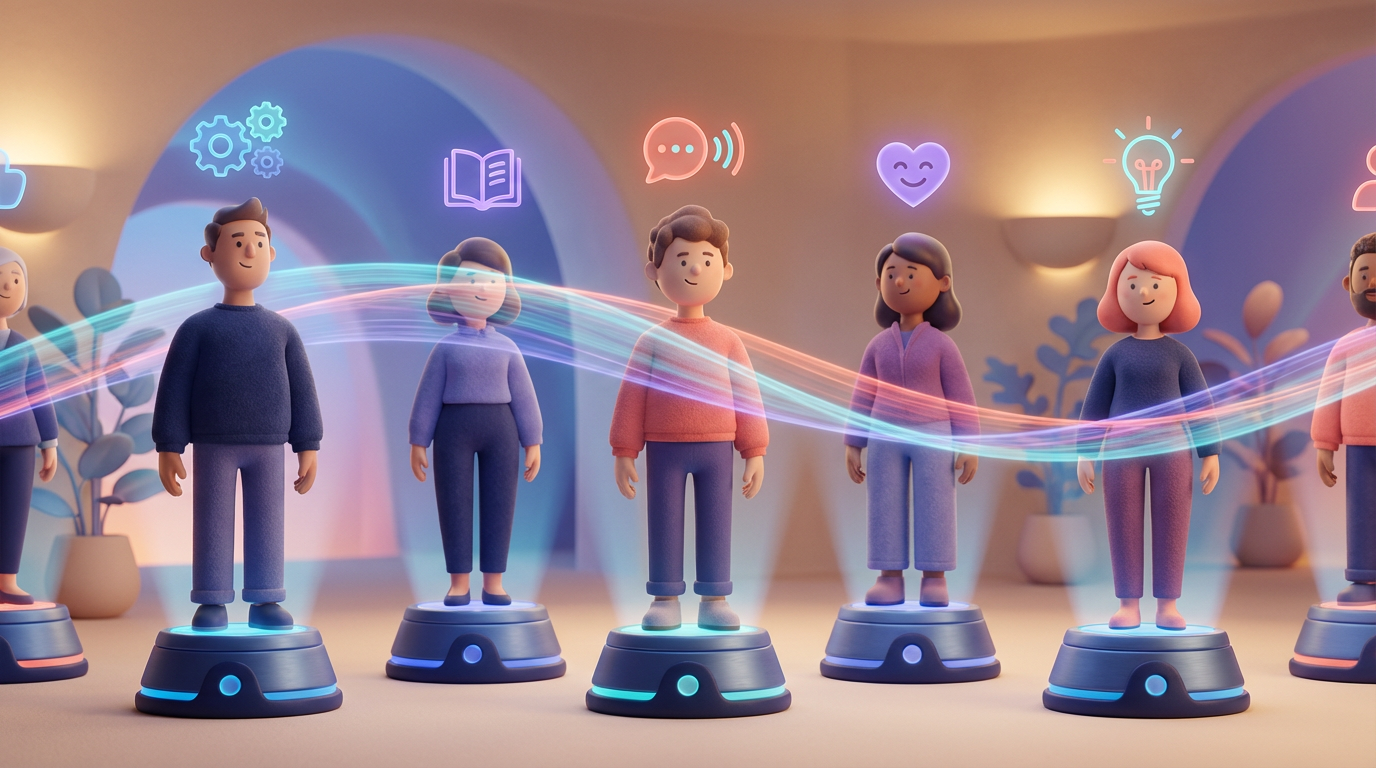
As your organisation grows, hiring complexity climbs fast. Recruiting for a team of 50 looks very different from recruiting for 500. Scaling needs a process that is repeatable and consistent. Automated ranking lets you hold high standards without hiring an army of internal recruiters, applying the same framework across every department and location, so quality means the same thing in sales as it does in engineering.
It also lifts the candidate experience. In a manual system, applicants wait weeks only to receive a generic rejection, or nothing at all. With automated ranking you can identify your top tier within hours and move quickly to interviews, securing strong talent before they accept another offer. For those who are not a fit, the system helps you send timely, respectful communication that protects your employer brand.
Centralising this data builds an asset for the future. Candidates who ranked highly but missed out this time can be tagged and moved into a talent pool. When a similar role opens in six months, you go back to your ranked list rather than spending thousands on advertising again. That long-term approach to workforce intelligence separates high-performing companies from those constantly firefighting their talent needs.
Rank applicants on skills, qualifications and work personality in real time, so you interview the right people faster. Rated 4.8 out of 5 on Capterra.
Talk to usThe system is flexible. You set specific weighting for different roles. For a junior role you might prioritise technical skills or potential, while for a leadership position you place more weight on organisation fit and work personality traits like those of a Coordinator.
No. The automation happens in the background to help you find the right people. The actual interview still happens between humans. Because the admin is handled by the system, you have more time for meaningful conversations with your top candidates.
Mid-sized companies often see the greatest benefit. Without a large HR department, saving time on screening is critical. It lets a small team match the recruitment throughput of a much larger organisation without dropping the quality of hire.
The ranking reflects the criteria and assessments you choose. Using evidence-based models like the Compono Culture, Engagement and Performance Model ties the ranking to real drivers of workplace success rather than arbitrary resume keywords.
Yes, you keep full control and visibility. The system provides a recommendation, but you can review any candidate at any time and dig deeper into the talent pool whenever you want.
What to look for in an applicant tracking system when you are a New Zealand non-profit hiring on a tight budget with a very small team.

What you get from dedicated hiring software as a small team: fewer spreadsheets, faster shortlists, and a fairer read on every applicant who applies.
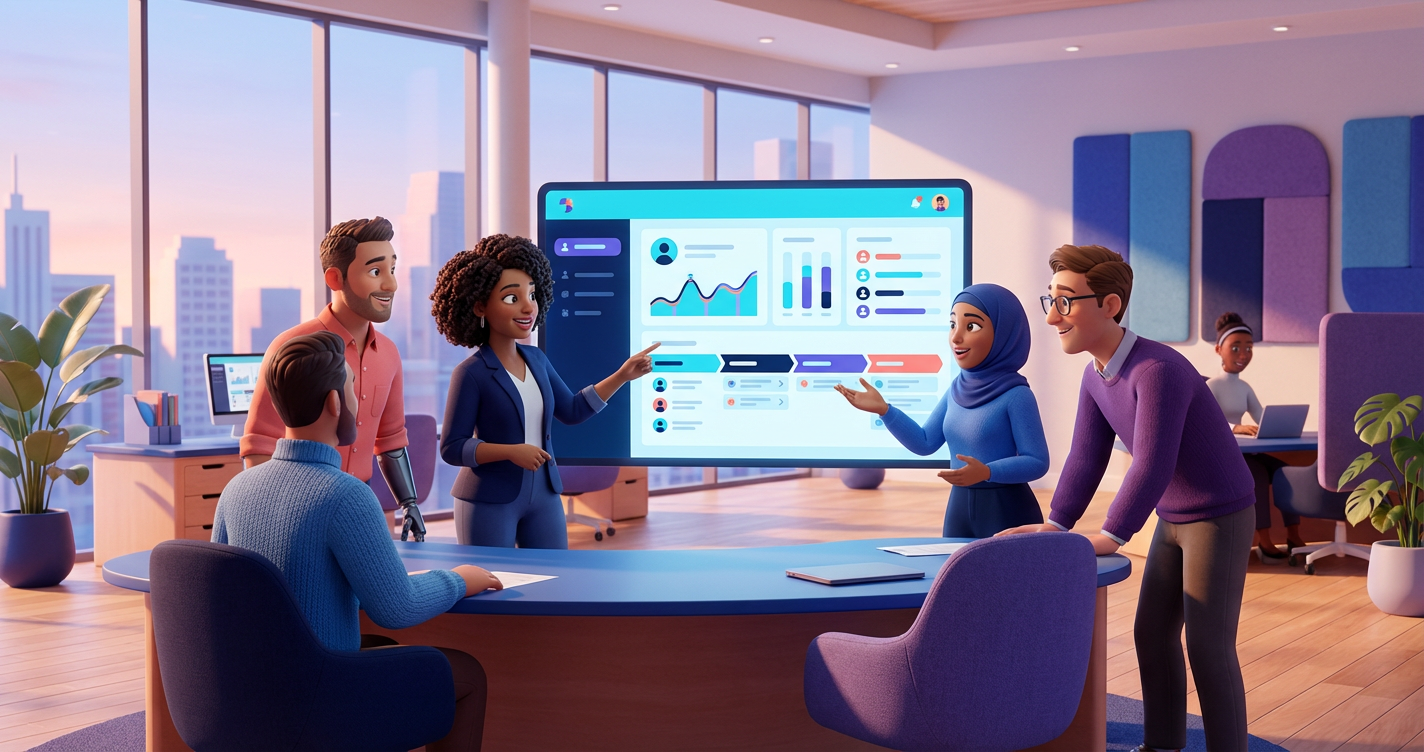
What an applicant tracking system handles, what it will not tell you about team fit, and what to look for when you want hiring and onboarding in one...
 Mathan Allington