

.webp)

 Mathan Allington


1 min read
Solving the AI slop problem in recruitment software
 Mathan Allington
AI slop is the flood of low-quality, AI-generated job applications that now clogs recruitment pipelines. Generic resumes and cover letters are...

A talent architect is a recruiter who designs high-performing teams instead of filling seats: matching every candidate on culture, work personality and skills, not just keywords on a CV. Making that shift turns you from a vendor your clients tolerate into a strategic partner they build their talent plans around.
Last reviewed July 2026
Recruitment is changing, and the days of the seat-filler are numbered. This guide covers what the talent architect role looks like in practice and how to make the move.
Most businesses are no longer just looking for someone who can do the job. They want someone who belongs in the team. As a talent architect, your role is to design that outcome: balancing skills, personality and organisational culture so that every candidate you put forward is matched to the environment they will actually work in.
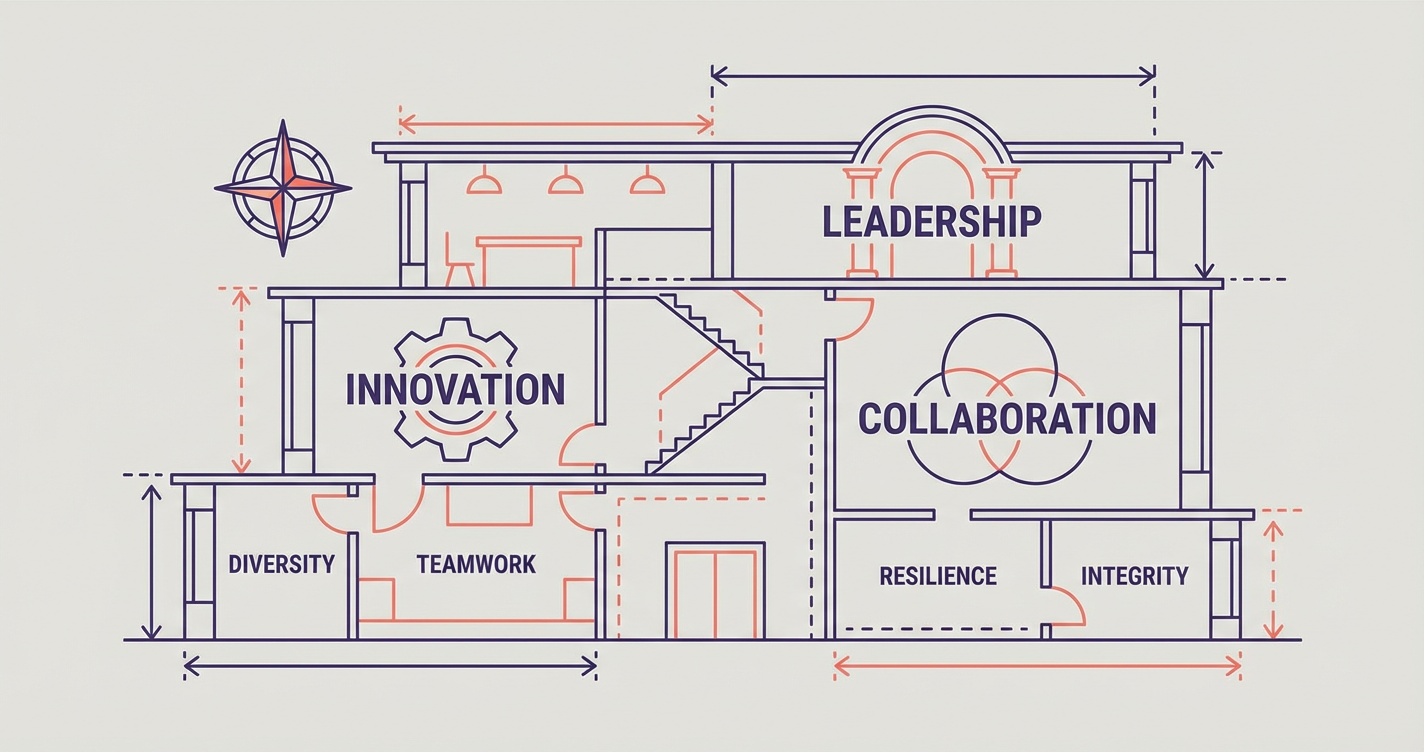
Traditional recruitment methods are flawed in a predictable way: too much weight on what a candidate has done, too little on who they are and what they could do. That keeps people from reaching their potential and leads businesses to choose the wrong hires. The talent architect fixes the matching problem by pairing natural work preferences with the right environment.
A transactional recruiter is treated as a vendor, a necessary expense. To change that perception, stop filling vacancies and start architecting workforces. Work is not just something people do; it is tied to identity and purpose, and finding the right kind of work changes someone's life as well as a client's quarter.
People-science beats gut feel here. When you can show a manager who to hire and why, backed by data on work personality and motivation, you offer something beyond the standard service. Your placements stay longer and perform better, and clients notice. That track record is what converts you from supplier to consultant.


The first pillar is a culture-first methodology. Culture is "how we do things around here to meet our objectives", the invisible force behind employee behaviour and business performance. If you do not understand a client's culture, you cannot find the right fit for them, whatever the CV says.
The second pillar is data. Humans are not objective decision-makers; we are emotional and prone to bias. Assessing a candidate's work personality and motivations upfront means you only spend time on people genuinely suited to the business. Compono Hire does this systematically, ranking candidates on how they naturally work best, with culture-fit predictions running.
Plenty of candidates carry transferable skills and natural attributes that never appear in a standard career history. A talent architect maps those attributes to the specific needs of a team, using the eight work activities that define high performance: Evaluating, Auditing, Coordinating, Campaigning, Pioneering, Advising, Helping and Doing.
Understanding these preferences lets you show a client why a particular candidate is exactly what their team is missing, and where the hotspots in their current environment are holding performance back. You stop selling resumes and start prescribing fixes.
The end goal is results that grow both your client's business and your own agency. Data-backed hiring decisions eliminate the "brilliant jerk" problem and cut the bias and error that come with manual screening. That precision makes you hard to replace: clients rely on you for their overall talent strategy, not just the next vacancy.
Helping people land roles that align with who they are creates a cycle of engagement and productivity your clients can feel. That is the essence of being a strategic recruiter: not a middleman, but the architect of a workplace that works. The reputation compounds, and so does the business.
Compono Hire gives recruiters the people-science to rank candidates on culture fit, work personality and skills in one view.
Talk to usA recruiter who designs high-performing teams rather than filling individual vacancies. Talent architects match candidates on culture, work personality and skills, and advise clients on team composition and long-term talent strategy.
A traditional recruiter matches keywords on a CV to a job description. A talent architect uses people-science and culture data to predict how a candidate will perform in a specific team, then backs the recommendation with evidence.
A platform that assesses work personality, culture fit and skills together. Assessment data on the eight work activities lets you show clients which type of person their team is missing and why a candidate fills that gap.
Because placements matched on culture stay longer and perform better. When clients see lower turnover from your hires, they stop treating you as a supplier and start treating you as a strategic partner.

1 min read
AI slop is the flood of low-quality, AI-generated job applications that now clogs recruitment pipelines. Generic resumes and cover letters are...

1 min read
The best creative interview ideas put candidates into real work instead of rehearsed question and answer: collaborative problem-solving sessions,...

1 min read
The best recruit CRM software manages candidate relationships over time, not just applications for one role. Look for automation that removes admin...