1 min read
Effective pre-employment assessment for modern Australian teams
Pre-employment assessment in Australia is the use of standardised, validated tools to evaluate a candidate's skills, personality and organisational...
Voice or text coaching built on psychology. For you, your team, or the candidates you place.
A coach that actually gets you.
Get 10 minutes free, then $15 a month. Cancel anytime.
Get Started ≫3 min read
Mathan Allington
Updated on July 8, 2026
Pre-employment assessment in Australia is a structured way to move past the guesswork of resumes and understand how a candidate will actually perform in your team. By adding objective data to your hiring, you find people who bring the right skills and align with your values and team dynamics, which supports retention and stronger performance.
Last reviewed July 2026.
Hiring the right person has always been high-stakes. You draft job descriptions, review hundreds of applications, and run interviews, only to find the candidate who looked perfect on paper does not mesh with the team once they start. That mismatch drives turnover, which is costly and disruptive to culture. Relying on a CV or a gut-feel interview is increasingly not enough, because resumes can be polished and interviews rehearsed, yet neither reveals how a person handles pressure or collaborates. A structured pre-employment assessment moves you from a subjective sense that someone is a good fit to objective evidence that they align with what the role needs.
A genuinely useful evaluation is not a simple IQ test or a quick skills quiz. It looks at three areas: professional qualifications, technical skills, and what we call Organisation Fit. Qualifications and skills are the easiest to measure, covering the right degree or software knowledge, yet they are only part of the story. Organisation Fit is the most overlooked and often the most important, because it examines how a person's values and personality align with the company and the team they will join. Compono Hire assesses candidates across all three dimensions at once, using a science-backed approach that a resume cannot provide, with culture-fit prediction accuracy of 92 percent.
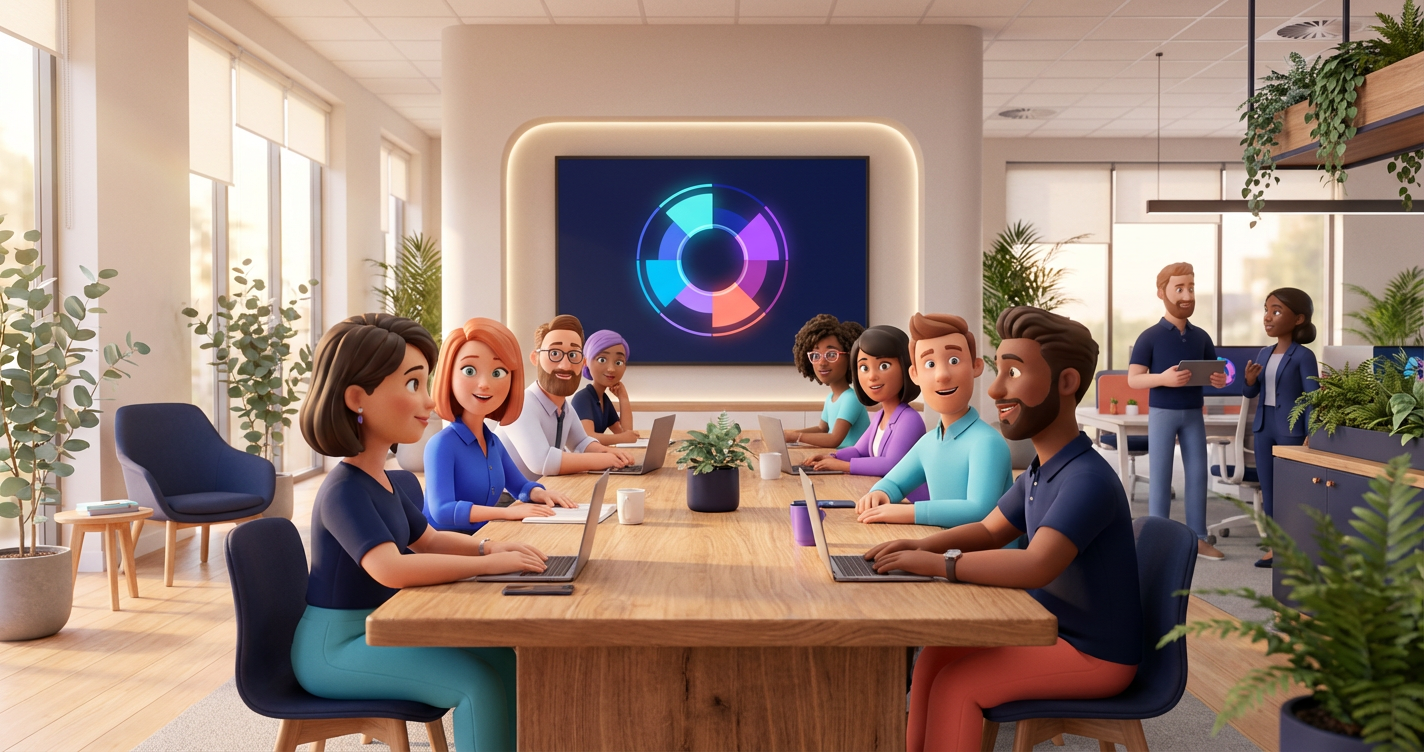
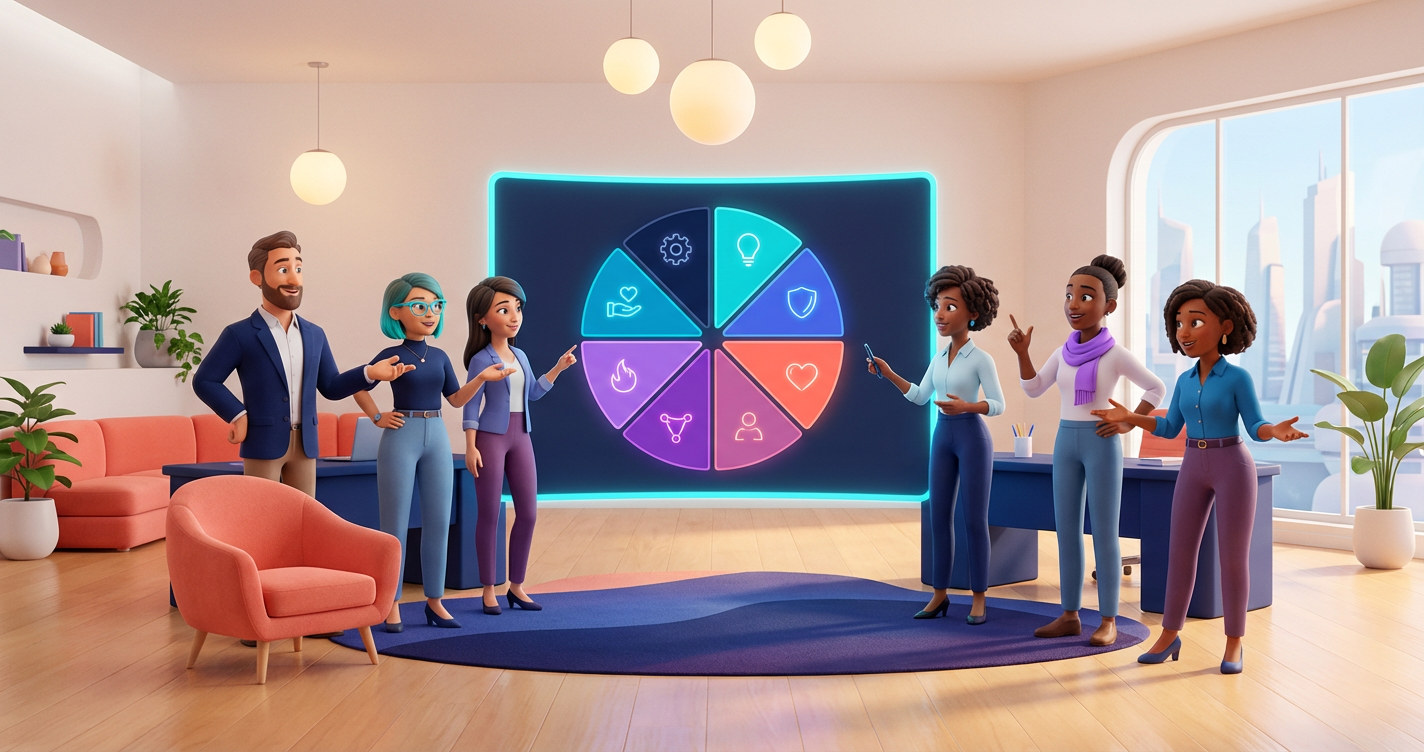
Everyone has a preference for how they like to work, which is their work personality, and in a team those preferences set the cadence of how work gets done. Some people naturally take charge and drive results, while others focus on detail or support colleagues through empathetic communication. Identifying these traits early changes hiring. For a role needing meticulous attention to detail, someone who aligns with the Auditor profile may fit well, while a role about inspiring a team and selling a vision may suit a Campaigner. High-performing teams are rarely made of the same type of person, so mapping the requirements of the job to work personalities helps you build a balanced team.
Unconscious bias is one of the quietest, most persistent problems in recruitment. We all tend to favour people who went to the same university, share our hobbies, or communicate like us, which can make for a pleasant interview without leading to the best hire. A standardised assessment levels the field, because when every candidate is measured against the same criteria, the noise of personal bias is filtered out. That does not remove the human element. With a candidate's work personality report in hand, you can tailor interview questions to probe strengths and blind spots more deeply, which makes the whole process more transparent for everyone.
The cost of a bad hire in Australia is significant, often estimated at around double the employee's annual salary once you count recruitment, training, and lost productivity, and a poor fit also dents team morale. Investing in the right assessment tools upfront is a strategic move rather than an administrative one. Identifying the right fit before the contract is signed makes it far more likely the person stays for years rather than months. A structured, fair process also improves the candidate experience, so even unsuccessful applicants often leave with a positive impression of your brand.
See how Compono Hire measures culture fit, work personality, and skills together to help you hire people who stay.
Talk to usMost businesses use a combination of skills-based testing and personality assessment. More companies are moving towards Organisation Fit models that look at how a person's natural work preferences align with the team and culture.
Older psychological tests could take hours, but modern assessments are designed to be completed in a few minutes. That keeps completion rates high and the experience positive while still giving employers useful insight.
Yes. By focusing on objective data and work personalities rather than subjective impressions, you can build teams with a diverse range of thinking styles and backgrounds, which is a hallmark of high performance.
Assessments used for hiring must be relevant to the role and non-discriminatory. A validated, science-backed platform helps keep your process fair and focused on job-related criteria. For specific legal questions, seek professional advice.

Compono Hire helps you predict job-fit and team-fit using behavioural science, so you can shortlist with confidence.
Request a demoBuilt for mid-market hiring teams.

Voice-first coaching that adapts to your personality. Get actionable steps you can take this week.
Start freeBuilt by Compono. Not therapy — practical behaviour change.
1 min read
Pre-employment assessment in Australia is the use of standardised, validated tools to evaluate a candidate's skills, personality and organisational...
1 min read
Compono Australia provides mid-market businesses with a workforce intelligence platform that combines behavioural science and intelligent software to...
1 min read
Choosing between Snaphire and Compono Hire comes down to what you need most: Snaphire is a traditional applicant tracking system (ATS) built for...