

.webp)

 Mathan Allington



1 min read
Rise of the HR talent architect role in modern teams
 Mathan Allington
Last reviewed July 2026

An HRIS (human resource information system) is software that stores all employee data and automates core HR processes, including payroll, leave, onboarding and compliance, in one central platform. It is the system of record for your workforce. What it usually cannot tell you is whether your people fit, why they perform, or when they are about to leave.
Last reviewed July 2026.
An HRIS is the central nervous system for HR operations: a single, secure place where employee records, employment history, compensation details and performance data live, with automated workflows layered on top. Instead of hunting through spreadsheets and shared drives, HR teams manage the whole employee lifecycle from one platform, from recruitment records and onboarding documents through to payroll data and exit paperwork.
The shift from paper-based administration to HRIS software changed what HR professionals spend their time on. Where teams once lost hours to data entry and file management, a well-implemented system handles the routine work automatically, which is why organisations typically report around a 30 per cent reduction in HR administrative workload after implementation.
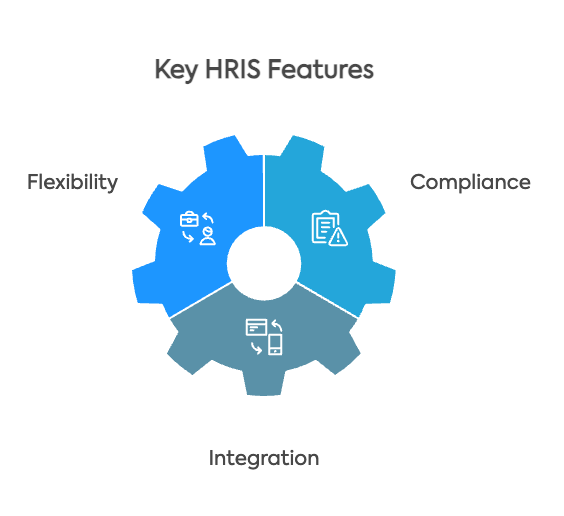
These terms get used interchangeably, and they should not be. The quick definitions:
| Layer | Core job | Question it answers | Risk it reduces |
|---|---|---|---|
| HRIS | Store data, automate admin | What happened? | Process risk |
| HRMS / HCM | Add talent and planning modules | What is happening now? | Process risk, partly people risk |
| Workforce intelligence | Connect people data to explain and predict | Why, and what next? | People insight risk |
HR is managing two different kinds of risk. Process risk is admin, compliance and payroll errors, and an HRIS handles it well. People insight risk is wrong hires, disengaged top performers and culture drift, and most HRIS platforms barely touch it. Knowing which layer you are buying is the single most useful thing you can take from this guide.
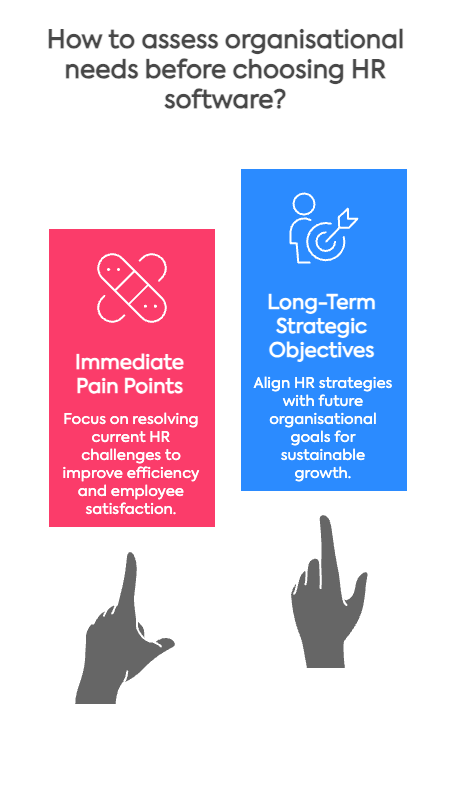
Global HRIS marketing tends to gloss over the details that matter here. If you are buying for an Australian organisation, put these on your evaluation checklist:
For a vendor-by-vendor view, we compare the leading options in our guide to the best HRIS platforms for Australia.
A structured evaluation beats a feature shootout. The process that works:
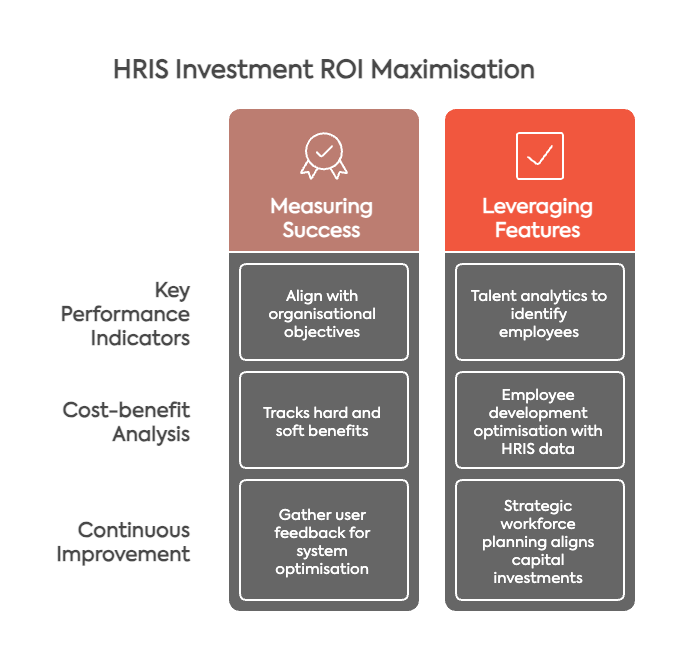
Organisations that actively use their system's capabilities typically see return on investment within 12 to 18 months. The hard savings come from reduced administrative overhead and fewer compliance errors. The softer gains, better employee experience through self service and faster decisions through live workforce data, tend to be worth more over time.
The trap is stopping there. Automating a flawed process just gives you flawed results faster. An HRIS that digitises your admin has done its job, but it has not told you whether the people you are hiring will fit, whether your culture is holding as you grow, or which teams are quietly heading for trouble.
Compono is a workforce intelligence platform, not an HRIS, and we are direct about that distinction because it is the point. Our platform captures the people data an HRIS never sees: work personality, culture fit, engagement drivers and capability. Compono Hire matches candidates to your culture and team before you make the offer. Compono Engage maps your culture across scientifically validated dimensions and gives you a plain-English narrative of what is driving behaviour, instead of a survey score with no direction attached. Compono Develop turns the gaps you find into learning journeys.
In practice, mature HR teams run both layers: an HRIS as the system of record and Compono as the system of insight, connected. That combination reduces process risk and people insight risk at the same time, which is what HR tech should have been doing all along. Compono is rated 4.8/5 on Capterra.
If you already run an HRIS and still cannot answer why your best people leave, the record is not the problem, the insight is. Talk to us and see how Compono works alongside your system of record.
Talk to usHRIS stands for human resource information system. It is the software system of record that stores employee data and automates core HR processes such as payroll, leave management, onboarding and compliance reporting.
HR software is the umbrella term for any tool supporting HR work. An HRIS is a specific type: the central system of record. Workforce intelligence platforms like Compono are also HR software, but they focus on explaining and predicting people outcomes rather than storing records.
Once headcount reaches around 5 to 10 employees, manual HR processes start costing more than a system would. Adopting one before the first formal payroll run avoids painful cleanup later.
Organisations that actively use their system's capabilities typically see return on investment within 12 to 18 months, driven by lower administrative overhead, fewer compliance errors and better retention decisions.

1 min read
People problems are real. They come from tools that manage process but ignore decisions. If you are an HR leader in today's workplace, you have...

1 min read
Human resource systems are software platforms that hold your employee records and run the administrative work of HR: payroll, leave, onboarding,...
 Compono