

.webp)

 Compono


1 min read
How does behavioural hiring work in cleaning companies
 Compono
Behavioural hiring in cleaning companies works by evaluating candidates for innate traits, like reliability, autonomy, and attention to detail,...
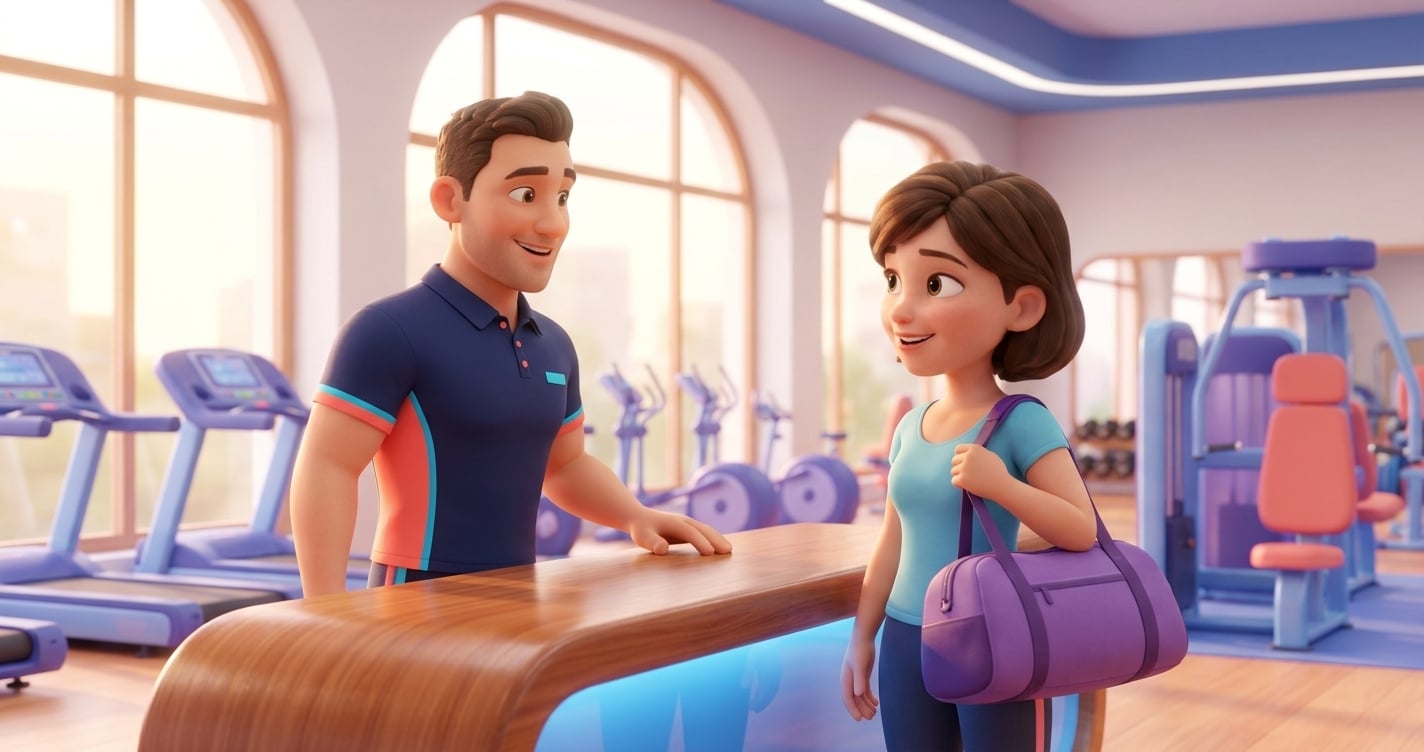
Gyms and fitness centres need behavioural hiring because member retention is driven by staff connection rather than technical qualifications, making a candidate's natural work preferences the most accurate predictor of their success on the floor.
We see fitness businesses constantly cycling through trainers and front desk staff who look perfect on paper but fail to connect with members in real life. When you shift your focus from what a candidate knows to how they naturally behave, you build a team that keeps members coming back month after month.
Key takeaways
- Technical fitness qualifications do not predict a candidate's ability to build rapport and retain gym members.
- Behavioural hiring matches staff energy levels and work preferences to the specific demands of different gym shifts.
- Understanding work personality helps fitness managers place natural motivators in sales and training roles.
- Franchise and multi-location gyms use behavioural data to replicate their best-performing team cultures across new sites.
Most fitness managers review a stack of resumes looking for specific certificates, first aid credentials, and years of personal training experience. This approach assumes that knowing how to program a workout translates to being a great staff member. We often find that the most technically qualified trainers can struggle the most with the social and operational demands of a busy health club.
Behavioural hiring looks past the certifications to understand how a person naturally operates. It measures whether they have the resilience to handle peak-hour chaos and the reliability to open the facility at 4:30 in the morning. When you hire based on behaviour, you find people who actually enjoy the realities of the fitness industry rather than just the idea of it.
The cost of getting this wrong is high. When a popular trainer leaves because they are burnt out by the early mornings, they often take a portion of your membership base with them. Hiring for behavioural fit from the start protects your revenue and your reputation.
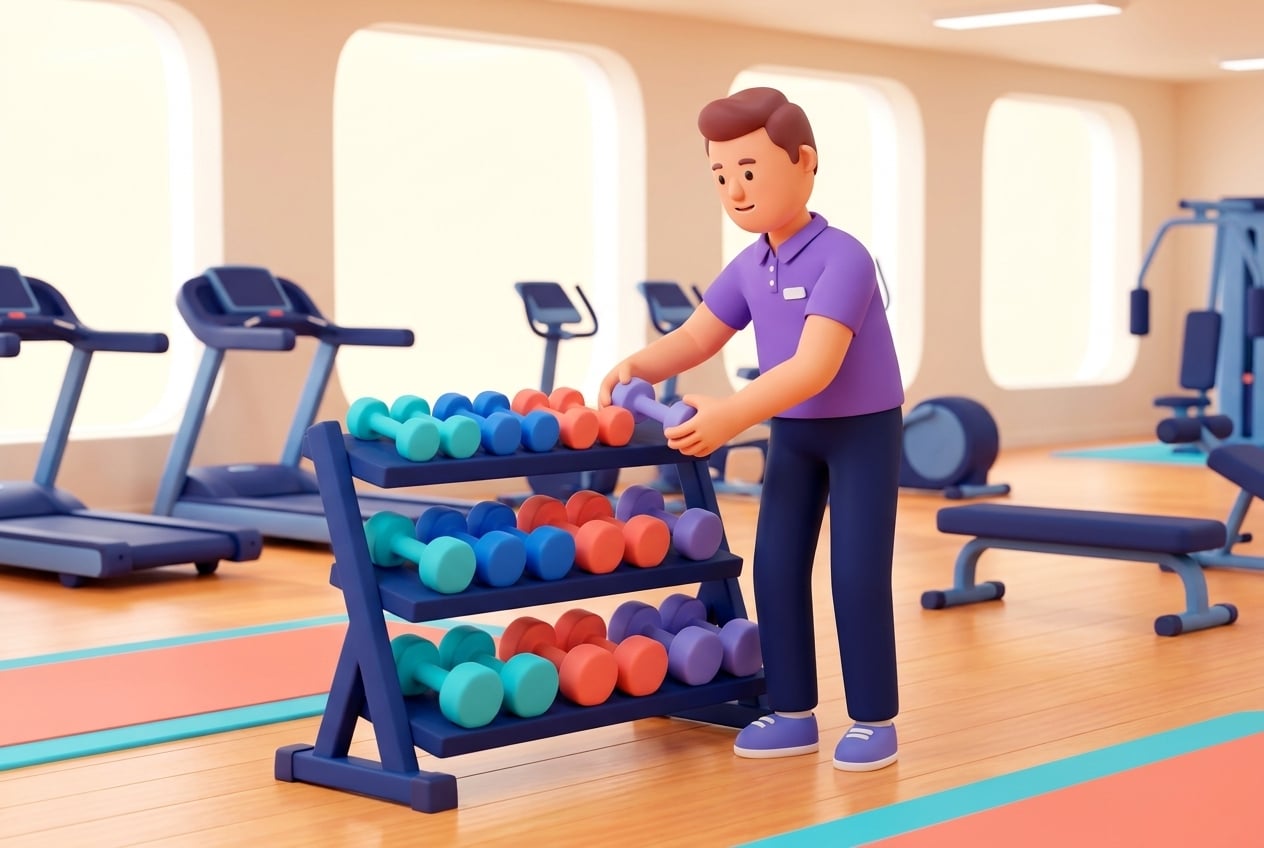
Members might join your gym for the new equipment or the convenient location, but they maintain their membership because they feel welcome and supported. The front desk staff who remember names and the trainers who notice when someone misses a week are your best retention tools. Equipment breaks and gets replaced. Relationships keep people paying their direct debits.
This kind of community building requires specific behavioural traits. We often look for The Helper work personality in these member-facing roles. Helpers naturally want to support others and create inclusive environments. They do not need to be reminded to greet members warmly or to check in on a nervous beginner.
Building harmonious relationships is their default setting. When an intimidated new member walks into your facility for the first time, a Helper will naturally sense their hesitation and take the time to make them feel comfortable. You cannot teach that level of empathy in a staff induction session.
Running a fitness facility means managing extreme fluctuations in energy and volume throughout the day. The staff running the chaotic post-work rush need a completely different behavioural profile than the team managing the quiet mid-morning maintenance period. A person who shines in a high-energy group fitness class might struggle to stay focused during a quiet Sunday afternoon shift.
You need people who thrive on routine and consistency to keep the facility running smoothly behind the scenes. The Doer personality type excels here. Doers are practical, task-focused, and highly reliable. They ensure the weights are racked correctly, the towels are stocked, and the equipment maintenance schedule is followed exactly as planned.
A gym floor managed by Doers looks clean, organised, and professional. They find satisfaction in completing their checklists and maintaining order in a space that naturally trends toward chaos. By identifying these traits during the hiring process, you can roster the right personalities onto the shifts that suit them best.
Personal trainers and membership consultants have to be comfortable promoting services and motivating hesitant prospects. Many fitness professionals find this aspect of the job deeply uncomfortable if it does not align with their natural work preferences. You can provide all the sales scripts in the world, but if a staff member hates selling, your conversion rates will suffer.
If you want to drive membership growth and personal training revenue, you need staff who naturally persuade and influence others. This is where The Campaigner thrives. Campaigners bring high energy, enjoy networking, and naturally sell the dream of better health and fitness to your prospects.
They are the staff members who can run a high-intensity interval class at 6:00 AM and still have the enthusiasm to sign up three new members before lunch. Their big-picture thinking and persuasive communication style make them natural closers. Identifying Campaigners during your hiring process gives your sales targets a massive advantage.
A common mistake in fitness recruitment is hiring a team composed entirely of the same personality type. If you hire only high-energy Campaigners, your gym will have great sales but terrible operational consistency. The weights will be left on the floor, and the paperwork will never be completed. If you hire only methodical Doers, the facility will be spotless, but the atmosphere might feel cold and uninviting.
Behavioural hiring allows you to map your current team and identify the gaps. You can look at your roster and realise you need more Helpers to improve customer service, or more Doers to fix your operational issues. It turns recruitment from a guessing game into a strategic exercise in team design.
This balance creates a better environment for your staff as well. When people are allowed to work in ways that suit their natural preferences, they experience less stress and burnout. Your trainers can focus on what they do best, knowing the rest of the team has the other areas covered.
The fitness industry is notorious for high staff turnover. Managers often accept this as a normal part of the business, constantly running recruitment ads and spending hours interviewing candidates who will leave within six months. This cycle drains your time and damages the consistency of your member experience.
Every time a staff member leaves, you lose the relationships they built with your members. You also spend money on job ads, uniform costs, and the hidden cost of training a new person. Behavioural hiring attacks this problem at the root. When you hire someone whose work personality matches the reality of the job, they stay longer.
They stay because the work feels natural to them. A person who loves structure will happily stay in an operational role for years. A person who loves helping people will thrive at your front desk. Understanding these behaviours before you offer them the job is the easiest way to break the turnover cycle.
Opening a new gym location usually brings a wave of anxiety about whether the new team will match the culture of your original site. Relying on gut feel during interviews makes it nearly impossible to replicate a high-performing team culture across multiple locations. What works for one manager's intuition rarely scales across a franchise network.
Using objective data changes this dynamic completely. The Compono Hire platform allows fitness businesses to assess candidates for Organisation Fit alongside their technical skills. You can select the specific work personality required for a role and automatically score applicants based on how well they match your required behavioural profile.
This means your club in Melbourne will hire the exact same profile of front desk staff as your club in Brisbane. The member experience remains consistent regardless of the location. Franchise owners can finally step back from the daily recruitment grind, knowing their managers are using a reliable, data-backed system to build their teams.
Key insights
- Fitness businesses that hire for behaviour experience lower staff turnover and higher member retention.
- Different roles within a gym require distinctly different work personalities to function effectively.
- Objective behavioural data removes the guesswork from scaling fitness franchises across multiple locations.
- Technical fitness skills can be taught, but natural work preferences and reliability are ingrained behaviours.
Stop guessing which candidates will connect with your members and start hiring based on objective behavioural data.
Behavioural hiring is important for gyms because member retention relies heavily on staff interaction. Hiring people whose natural behaviours align with customer service, reliability, and motivation ensures a better member experience than hiring based purely on fitness qualifications.
You assess a fitness candidate's behaviour using validated psychometric assessments and work personality tests during the application process. These tools measure natural work preferences, showing how a candidate will likely handle early shifts, sales targets, and member interactions.
The best personality type for a personal trainer depends on their specific role within the facility. Trainers focused on sales and group motivation often align with The Campaigner profile, while trainers focused on rehabilitation and careful one-on-one support often align with The Helper profile.
Yes, behavioural hiring reduces staff turnover by ensuring candidates are naturally suited to the demands of the role. When staff enjoy the actual day-to-day realities of their job, they are far less likely to leave out of frustration or burnout.
Behavioural data helps fitness franchises grow by providing a measurable way to replicate successful team cultures. Franchise owners can identify the behavioural traits of their best staff and actively screen new applicants for those exact same characteristics across new locations.
If you'd like to talk through how Compono can support your team, we're happy to walk you through it. No pressure, just a conversation.

1 min read
Behavioural hiring in cleaning companies works by evaluating candidates for innate traits, like reliability, autonomy, and attention to detail,...
1 min read
Hotels need culture fit hiring because a candidate's natural work style and behavioural preferences dictate how they handle the relentless pressure...

1 min read
A recruitment platform for Victoria businesses should prioritise local culture fit and data-driven assessment to navigate a competitive talent market...