

.webp)

 Compono


1 min read
How behavioural hiring works in superannuation funds
 Compono
Behavioural hiring in superannuation funds works by using psychometric data and work personality insights to predict how a candidate will perform,...
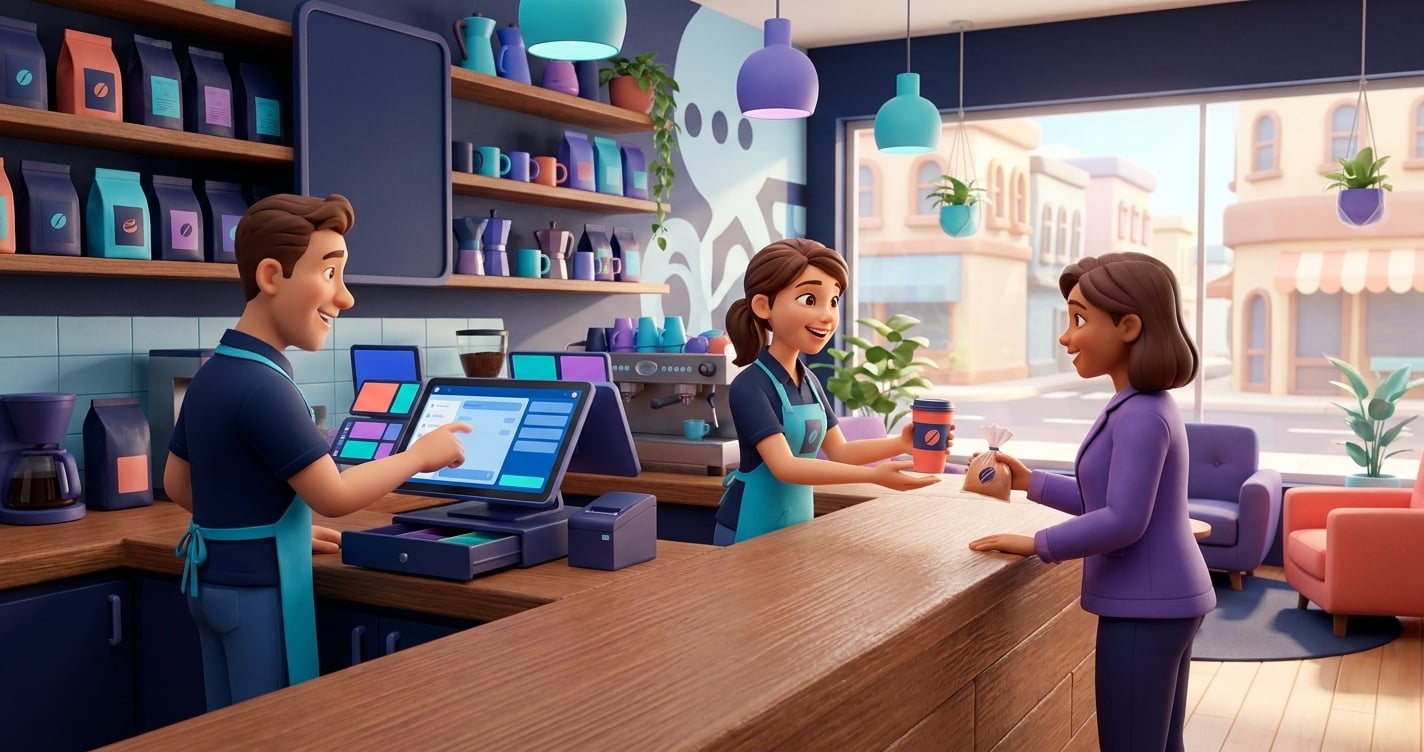
Franchises need behavioural hiring because relying on standard resumes for high-volume roles leads to inconsistent customer experiences across locations, whereas hiring for natural behavioural traits ensures brand standards are met and turnover drops.
Key takeaways
- Behavioural hiring predicts on-the-job performance much better than past experience or education for typical franchise roles.
- Multi-location businesses maintain strict brand consistency when they hire staff who naturally align with required customer service behaviours.
- Understanding a candidate's work personality significantly reduces early turnover in high-stress retail and hospitality environments.
- Centralising behavioural assessments gives head office visibility over quality while keeping hiring autonomy with individual franchisees.
Franchises spend millions perfecting their supply chain, store layouts, and product consistency. A customer expects the exact same coffee, burger, or service whether they visit a location in Sydney or Perth. Scaling the operational side of a franchise is a known science. Scaling the human element is notoriously difficult.
When individual franchisees rely on gut feel and basic resumes to hire staff, the customer experience becomes a lottery. One store might have a warm, highly efficient team, while the store two suburbs over struggles with slow service and constant staff rotation. The difference rarely comes down to the training manual. It comes down to the natural behaviours of the people wearing the uniform.
Most franchise roles are entry-level, customer-facing, or operational. A standard resume tells you very little about how a teenager will handle an angry customer during a Saturday lunch rush. It shows where someone has stood, but it fails to show how they act under pressure.
In retail and hospitality, franchisees often deal with high application volumes. Sorting these candidates by previous experience filters out people with great natural potential who simply haven't had their first job yet. It also rewards candidates who might have years of experience but possess terrible habits that clash with your brand values.
If you want to understand why new hires fail, you have to look at the tools used to select them. Relying on a piece of paper that lists high school subjects and a brief stint at a local café gives a franchisee zero insight into a candidate's resilience, teamwork, or attention to detail.
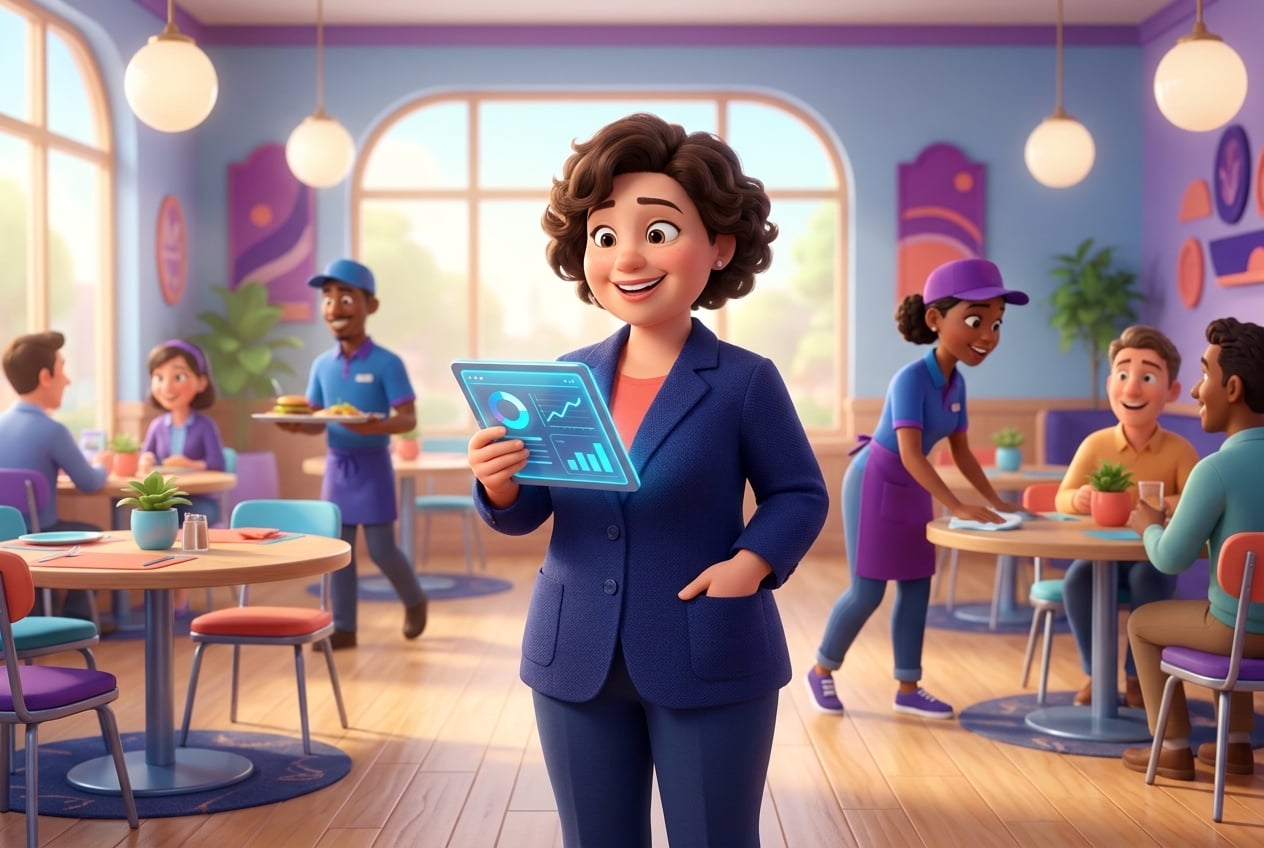
You can train someone to use a point-of-sale system. You can teach them how to fold a shirt or prepare a meal to exact specifications. You cannot train someone to genuinely care about helping people or to naturally enjoy working at a rapid pace.
Brand consistency depends entirely on the natural behaviours of your front-line staff. If your franchise promises a highly supportive, consultative customer experience, you need staff who naturally thrive on supporting others. In the context of work personality, you need The Helper. These individuals find deep satisfaction in ensuring customers feel heard and valued.
Conversely, if your franchise operates in a high-volume fast-food environment where speed and accuracy are the primary metrics, you need The Doer. These people prefer clear, concrete tasks and take pride in executing them efficiently. Behavioural hiring allows franchisees to match the candidate's natural tendencies to the reality of the shift, ensuring the brand promise is delivered naturally rather than forced.
Turnover is the silent profit killer in multi-location businesses. The financial cost of replacing a barista, retail assistant, or delivery driver adds up quickly when you factor in uniform costs, training hours, and the lost productivity of the manager conducting the interviews.
High turnover usually stems from a poor behavioural fit. When people are forced to act against their natural work personality for eight hours a day, they experience cognitive fatigue. A highly creative person placed in a repetitive, highly structured role will become bored and leave. A reserved, detail-oriented person placed in a loud, confrontational customer service role will burn out and quit.
Behavioural hiring addresses this by ensuring candidates are placed in roles that energise rather than drain them. When franchisees hire people whose natural behaviours align with the job requirements, staff stay longer, perform better, and require less micromanagement.
Franchisees invest in a system because they want a proven playbook. They expect standard operating procedures for marketing, inventory, and store fit-outs. Giving them a reliable playbook for hiring is equally important, especially since many franchisees are operators rather than trained recruiters.
Head office needs to know that the person hired in Queensland meets the same behavioural benchmarks as the person hired in Victoria. This is where Compono Hire steps in. It allows head office to set specific behavioural profiles for different roles across the network. Individual franchisees then receive a simple, ranked shortlist of candidates who naturally fit the job, removing the guesswork from local hiring decisions.
We have seen this work exceptionally well in practice. For instance, The Coffee Club used behavioural insights to manage their multi-location hiring, ensuring their franchisees could access talent pools of candidates who possessed the right traits for hospitality.
Growth puts immense pressure on a franchise network. As you add ten, fifty, or a hundred new locations, maintaining the culture that made the original stores successful becomes a daily battle. Culture is simply the sum of accepted behaviours within a team.
If you allow franchisees to hire based purely on availability or desperation during a staff shortage, the culture dilutes. Behavioural hiring acts as a guardrail for your network's culture. It ensures that even during periods of rapid expansion, the people entering the business share the core traits that align with your overarching values.
By shifting the focus from "what has this person done?" to "how does this person naturally behave?", franchises can build resilient, high-performing teams that deliver a uniform customer experience across the entire network.
Key insights
- Traditional resumes fail to predict success in high-volume, customer-facing franchise roles.
- Brand consistency depends entirely on the natural behaviours of front-line staff across all locations.
- Aligning a candidate's natural work personality with the daily realities of the job drastically reduces employee turnover.
- Providing franchisees with objective behavioural data removes the guesswork from local hiring decisions.
Scaling a franchise means scaling your people strategy. Giving your franchisees the right behavioural data ensures every new hire protects your brand and improves the customer experience.
If you'd like to talk through how Compono can support your team, we're happy to walk you through it. No pressure, just a conversation.
Behavioural hiring involves assessing a candidate's natural traits, work preferences, and tendencies rather than just looking at their past experience. For franchises, it means identifying the specific behaviours that lead to success in a role, like empathy for customer service or efficiency for kitchen operations, and testing candidates for those traits.
Most franchise roles are entry-level and require specific soft skills rather than technical qualifications. A resume lists past duties but cannot tell a franchisee if a candidate handles stress well, works effectively in a team, or naturally enjoys interacting with the public.
Turnover often happens when a job's daily reality conflicts with a person's natural preferences. By matching a candidate's inherent work personality to the role's demands, they experience less stress and job dissatisfaction, leading them to stay with the franchise longer.
No, it actually equips them. Head office sets the behavioural benchmarks to ensure brand consistency, but the franchisee still conducts the interviews and makes the final hiring decision. They just get to choose from a shortlist of candidates who are already proven to be a good behavioural fit.
Yes. Because the assessments are quick and automated, they are highly effective for screening large volumes of seasonal applicants. This helps franchisees quickly identify the most reliable and capable casual staff without spending hours reviewing identical entry-level resumes.

1 min read
Behavioural hiring in superannuation funds works by using psychometric data and work personality insights to predict how a candidate will perform,...
1 min read
Fast food chains need culture fit hiring because it directly targets the industry's biggest profit leak: chronic staff turnover driven by a mismatch...

1 min read
Yes, hiring software is worth it for small business because it turns recruitment from a chaotic administrative burden into an organised system that...