


Skip to the main content.

2 min read

How to fix compliance training when it feels boring

How to fix compliance training when it feels boring

Compliance training feels boring because it usually focuses on legal checkboxes instead of the human behaviours that actually keep a workplace safe. Shift the focus to personal relevance and interactive design and a dry requirement becomes something people engage with. When staff understand why a rule exists and how it protects their own work, attention follows on its own.

Last reviewed July 2026.

Why boring compliance training is a real risk

We have all clicked through a static slide deck, waiting for the timer to run out so we can get back to real work. Boring compliance training is not just a nuisance. A disengaged learner absorbs almost nothing, which means the very risks the training exists to reduce are left wide open. You get the completion record and none of the protection.

The cost lands later, in the incident that better training would have prevented and in a culture that treats safety and ethics as an annual formality rather than a daily habit.

Start with relevance, not jargon

The fastest fix is to trade legal jargon for practical, real-world application. People do not remember policy clauses. They remember situations that look like their own job and a clear sense of what to do. Frame each rule around the behaviour it protects and the person it protects, and the material stops feeling abstract.

Personal relevance is the point. When someone can see how a rule keeps their own work and wellbeing intact, the training earns their attention instead of demanding it.

Design for attention

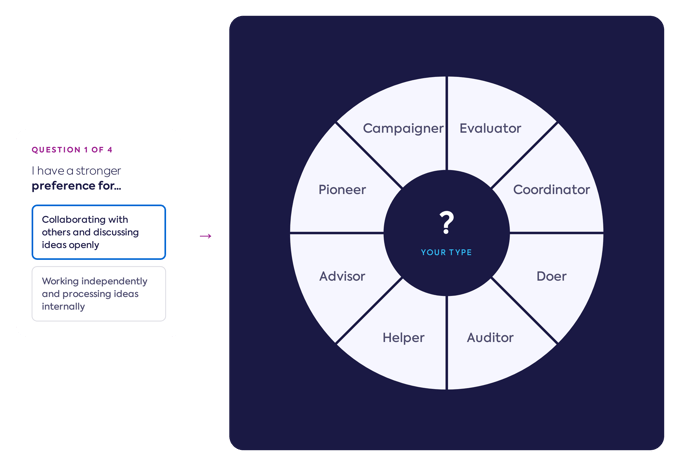
A few design choices do most of the heavy lifting. Break content into short micro-learning modules so people are not drowning in a single marathon session. Add interactive elements and scenarios so learners make decisions rather than passively watch. And tailor how the message is delivered to different work personality types, since a detail-focused person and a big-picture one engage with very different framing.

These moves keep learners focused on the essentials of safety and ethics without the cognitive overload that switches brains off.

Build continuous awareness, not an annual tick-box

The deeper shift is moving from a once-a-year event to continuous, meaningful awareness. Regular, bite-sized touchpoints keep the important behaviours front of mind and let you update content as regulations change. Compliance stops being the thing everyone dreads in one sitting and becomes part of how the team works.

Where that learning connects to competency and audit-ready records, you can also show that people can demonstrate the behaviour, not just that they sat through the module. None of this is legal advice; for specific obligations, seek professional guidance.

COMPONO DEVELOP

Make mandatory training worth the time

See how Compono Develop turns dry compliance modules into learning people finish and remember.

Talk to us

Frequently asked questions

Why is compliance training so boring?

It usually prioritises legal jargon and box-ticking over practical, real-world application. When content has no personal relevance and no interaction, people disengage and retain very little.

How do you make compliance training more engaging?

Use real scenarios from people's actual jobs, break content into short modules, add interactive decisions, and connect each rule to the behaviour and person it protects.

Does engaging compliance training actually reduce risk?

Yes. Engaged learners retain more and change behaviour, which is what genuinely reduces risk. A high completion rate on training nobody absorbed offers little real protection.

How often should compliance training be delivered?

Continuous, bite-sized touchpoints through the year beat a single annual session. Regular refreshers keep key behaviours front of mind and let you update content as rules change.

Related

How does competency framework software work

How does competency framework software work

How competency framework software replaces spreadsheets: mapping skills to roles, tracking levels as people progress, and guiding development.


Read More
How to choose competency framework software for Auckland businesses

How to choose competency framework software for Auckland businesses

Find the right competency framework software for Auckland businesses. Learn how to connect static skill matrices to active employee development...

Read More
How proficiency levels work in healthcare

How proficiency levels work in healthcare

Learn how proficiency levels work in healthcare to improve patient safety, streamline team development, and map clinical skills effectively.

Read More