

.webp)

 Mathan Allington


How to choose the best competency management platform for disability services in Australia
 Compono
How to choose a competency management platform for disability services in Australia to track skills, meet compliance and improve care quality.

As the workplace evolves at breakneck speed, HR leaders are moving away from gut-feel hiring and subjective performance reviews. Instead, they are turning to data-backed platforms that measure real-world capabilities, emotional intelligence, and work personality to make smarter talent decisions.
Key takeaways
- Competency assessment tools measure a combination of skills, behaviours, and knowledge to predict job performance accurately.
- Modern platforms use behavioural science to bypass the limitations and biases of traditional resumes.
- The rapid rise of AI has shifted the focus toward measuring emotional intelligence, adaptability, and resilience.
- Integrating these tools across the entire talent lifecycle, from hiring to succession planning, drives measurable business ROI.
- Advanced assessment platforms actively mitigate the growing risk of AI-assisted cheating in the recruitment process.
For decades, organisations have struggled to quantify what makes an employee truly successful. Traditional evaluation methods, such as unstructured interviews, basic skills tests, and generic performance reviews, often fail to capture the full picture of an individual's capabilities.
These outdated methods rely heavily on self-reporting and subjective human judgement. When hiring managers review a resume, they are looking at a curated list of past responsibilities rather than a verified record of actual competencies. This approach frequently leads to mis-hires, poor cultural alignment, and disengaged teams.
standard skills tests only measure what a person knows at a specific moment in time. They do not evaluate how an individual applies that knowledge, how they collaborate with others, or how they adapt to new challenges. In today's dynamic business environment, this narrow focus is no longer sufficient for building resilient, high-performing teams.
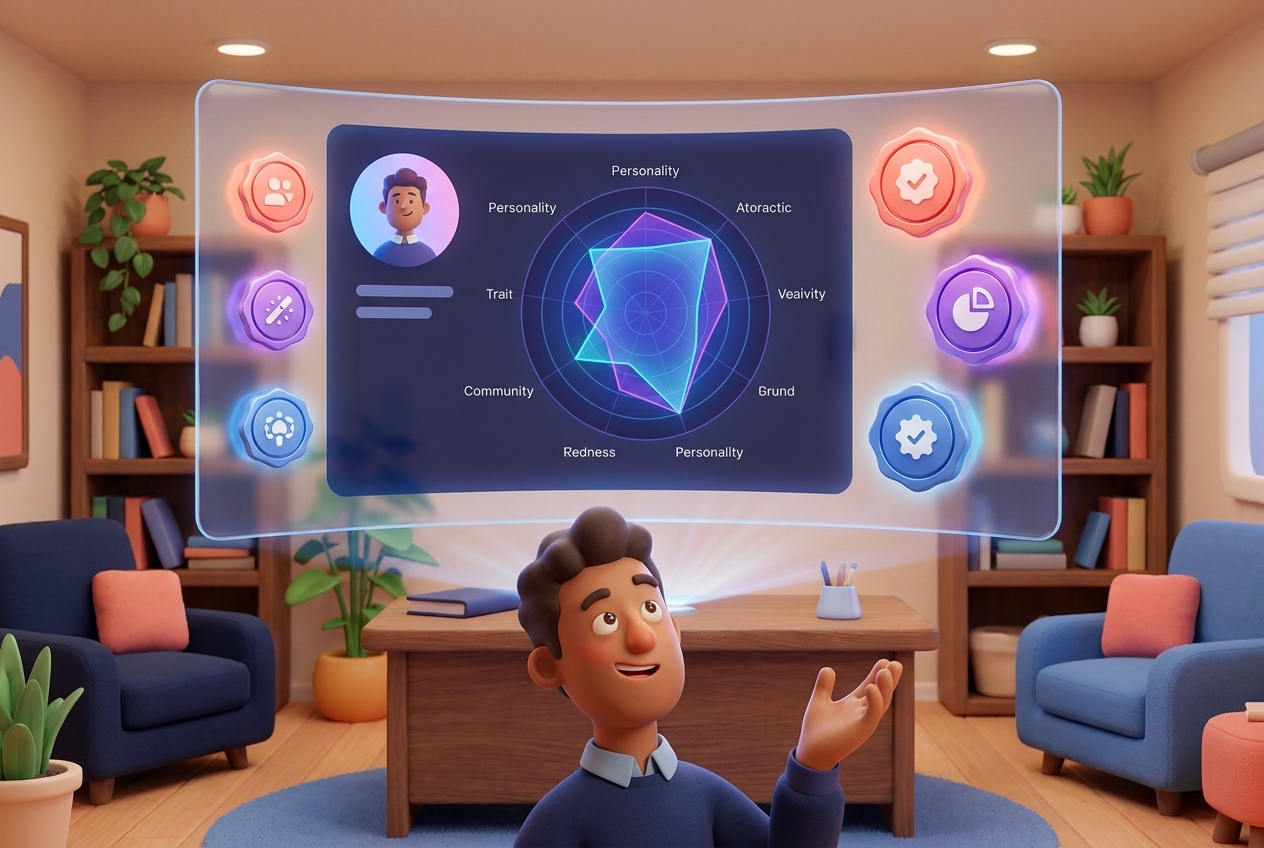
Competency assessment tools are structured frameworks and software platforms designed to evaluate an individual's underlying characteristics, behaviours, and skills. Unlike simple knowledge tests, these tools measure the whole-of-business competencies required to succeed in a specific role or organisational culture.
A competency is a combination of knowledge, skills, and attitudes that directly influence job performance. For example, a software developer might have the technical skill to write code in a specific language. However, their competency involves how they use that skill to solve complex problems, communicate with stakeholders, and adapt to shifting project requirements.
Modern competency assessment tools use a variety of methods to gather this data. This can include psychometric evaluations, situational judgement tests, 360-degree feedback surveys, and behavioural assessments. By combining these data points, HR leaders gain a comprehensive, objective view of an individual's true potential.
The skills required to thrive in the modern workplace are changing rapidly. As automation handles more routine tasks, organisations are placing a premium on complex cognitive and interpersonal capabilities.
Recent research highlights this dramatic shift in workforce requirements. According to industry data, the demand for AI and machine-learning competencies has risen by 245%, followed closely by emotional intelligence, which saw a 95% increase, and resilience, up by 42%.
Competency assessment tools are uniquely positioned to measure these nuanced, highly sought-after traits. While it is difficult to assess resilience or emotional intelligence through a standard interview, scientifically validated assessment platforms can identify these critical behaviours with a high degree of accuracy. This enables organisations to hire and develop talent that is equipped for the future of work.
The environment of competency assessment tools has been transformed by technological advancements over the past few years. The shift from manual, paper-based evaluations to sophisticated digital platforms has made assessments more accessible, scalable, and accurate.
Artificial intelligence and machine learning have been the primary drivers of this transformation. Market analysis reveals that AI integration in competency and skills assessments grew 340% between 2020 and 2023. This rapid adoption has fundamentally changed how assessments are administered and scored.
Today, 65% of new assessment platforms now use machine learning for scoring competency responses. This technology allows tools to analyse complex behavioural data, identify patterns, and provide predictive insights about a candidate's future performance, all without the inherent biases of human evaluators.
Despite the clear benefits and technological advancements, many organisations are still lagging in their adoption of solid competency assessment tools. There remains a significant gap between the availability of these platforms and their actual implementation in the workplace.
A comprehensive study of 518 companies revealed that only 13% of German companies use 360-degree feedback and just 14% use validated diagnostic tools for competency assessment. This statistic is reflective of a broader global trend where many HR teams still rely on outdated, unstructured evaluation methods.
This adoption gap represents a massive opportunity for forward-thinking organisations. By implementing evidence-based competency assessment tools, businesses can gain a significant competitive advantage in talent acquisition, employee development, and overall workforce performance.
Investing in competency assessment tools delivers measurable returns across the entire talent lifecycle. When organisations move away from subjective hiring and embrace data-driven evaluations, the impact on key HR metrics is profound.
One of the most immediate benefits is the acceleration of the recruitment process. Industry surveys indicate that 78% of companies using skills assessments reduced time-to-hire by 30%. By quickly identifying the most capable candidates, HR teams spend less time interviewing unqualified applicants.
Beyond time-to-hire, these tools significantly improve the quality of hire. When you assess candidates for core competencies and behavioural alignment, you reduce the risk of costly turnover. For example, using a platform like Compono Hire allows you to evaluate candidates across organisation fit, skills, and qualifications, ensuring you bring the right people into your business the first time.
As assessment tools have moved online, a new challenge has emerged for HR and talent acquisition teams: the rapid proliferation of AI-assisted cheating. Candidates are increasingly using generative AI tools to artificially inflate their scores on standard knowledge and skills tests.
The scale of this issue is alarming. Recent data shows that one in three candidates on monitored assessments attempted some form of fraud in 2025, with entry-level technical roles approaching one in two. 88% of online exams and assessments now face active AI cheating risk as of early 2026.
To combat this, modern competency assessment tools are shifting their focus away from easily searchable knowledge questions. Instead, they are prioritising behavioural assessments, situational judgement tests, and work personality evaluations. Because these assessments measure innate preferences and complex behaviours, they are significantly harder for AI to manipulate or fake.
With a crowded market of HR technology solutions, selecting the right competency assessment tool can be overwhelming. To ensure you choose a platform that drives real business value, look for the following critical features.
The best competency assessment tools go beyond surface-level skills to measure underlying behaviours and work personality. They use scientifically validated psychometric models to understand how an individual approaches work, collaborates with others, and handles stress.
This behavioural alignment is crucial for predicting long-term success in a role. A candidate might have the perfect technical background, but if their work personality clashes with the demands of the job or the team's culture, they are unlikely to thrive.
Competency assessment should not be a one-time event that only occurs during the hiring process. The most effective tools facilitate continuous evaluation throughout an employee's tenure.
Look for platforms that include 360-degree feedback capabilities. This allows employees to receive competency evaluations from their managers, peers, and direct reports, providing a well-rounded view of their development areas and strengths.
Data collection is only valuable if it translates into actionable insights. Solid competency assessment tools feature powerful analytics dashboards that help HR leaders identify skills gaps, track development progress, and make informed talent decisions.
These analytics allow organisations to map their current workforce competencies against future business needs. This data-driven approach is essential for strategic workforce planning and targeted learning initiatives.
To maximise the value of competency assessment tools, they must be woven into the fabric of your entire talent management strategy. Treating assessments as isolated events severely limits their impact.
During the recruitment phase, competency assessments provide an objective baseline for comparing candidates. They help hiring managers look past polished resumes to identify individuals with the true potential to succeed.
Once a candidate is hired, the data gathered during the assessment phase should inform their onboarding journey. By understanding a new hire's specific competency gaps and learning preferences, you can tailor their onboarding experience to accelerate their time to productivity.
Competency assessment tools are the foundation of effective learning and development programs. By regularly assessing employee competencies, you can identify exactly where training is needed, rather than relying on generic, one-size-fits-all training modules.
This targeted approach ensures that your L&D budget is spent efficiently. Solutions like Compono Develop can help you create purposeful learning pathways that directly address the competency gaps identified through your assessment data.
Identifying the next generation of leaders requires a clear understanding of the competencies needed for executive roles. Competency assessment tools allow you to evaluate your current workforce against these leadership profiles.
This data-driven approach removes bias from succession planning. It ensures that promotions are based on verified capabilities and behavioural readiness, rather than tenure or office politics.
Implementing new HR technology is a significant investment. To ensure a successful rollout, organisations must be aware of common pitfalls that can undermine the effectiveness of their chosen assessment tools.
Tools that rely entirely on self-reported surveys are highly susceptible to bias. Employees often overrate their own competencies or answer questions based on what they think the organisation wants to hear.
To mitigate this, ensure your chosen tool uses a mix of assessment methods, including peer feedback, manager evaluations, and objective situational judgement tests.
In a competitive talent market, the assessment process must be engaging and respectful of a candidate's time. Tools that are overly long, confusing, or poorly designed will lead to high drop-off rates and damage your employer brand.
Select platforms that offer a smooth, mobile-friendly user experience. The assessment should feel like a natural extension of your company's culture, not a tedious administrative hurdle.
A competency assessment tool is only effective if it measures the traits that actually matter to your specific organisation. Using generic competency models that do not reflect your company's unique values and goals will yield irrelevant data.
Before implementing a tool, take the time to define what success looks like in your context. For a deeper dive into how behavioural traits impact team dynamics, you can explore understanding work personality for smarter hiring decisions.
Successfully implementing competency assessment tools requires more than just purchasing software. It requires a strategic approach to change management and clear communication across the organisation.
Before launching any assessments, you must establish a clear competency framework for your organisation. This framework should define the core competencies required for every role and level within the business.
Ensure these competencies are described in observable, measurable terms. This clarity will ensure that your assessments yield consistent, actionable data.
Employees may feel anxious about being assessed, fearing that the results will be used punitively. It is critical to communicate that competency assessments are tools for development and growth, not just performance management.
Be transparent about how the data will be used, who will have access to it, and how it will benefit the employees' career progression within the company.
Managers are the linchpin of any competency assessment initiative. They need to understand how to interpret the assessment reports and how to use that data to coach their team members effectively.
Provide comprehensive training for your leadership team on how to conduct competency-based feedback conversations and how to build targeted development plans based on assessment results.
Key insights
- Competency assessment tools provide a whole-of-business view of an individual's knowledge, skills, and behavioural traits.
- The integration of AI and machine learning has made modern assessments more accurate, scalable, and predictive of future success.
- Organisations that adopt these tools see significant improvements in time-to-hire and overall quality of hire.
- Behavioural and psychometric assessments are essential for combating the rising threat of AI-assisted cheating in recruitment.
- To maximise ROI, competency assessments must be integrated into recruitment, onboarding, development, and succession planning.
Choosing the right competency assessment tools can fundamentally transform how you hire, develop, and retain top talent in your organisation.
Related reading
A skills test measures specific, often technical abilities at a given moment in time, such as coding proficiency or language fluency. A competency assessment evaluates a broader combination of skills, knowledge, and behavioural traits to determine how well an individual can apply their abilities in complex, real-world work scenarios.
Competency assessment tools reduce hiring bias by standardising the evaluation process. Instead of relying on a hiring manager's subjective gut feeling or unstructured interview questions, these tools use scientifically validated data to objectively measure a candidate's capabilities against the specific requirements of the role.
While AI cheating is a growing concern for traditional knowledge-based tests, modern competency assessments that focus on behavioural science, psychometrics, and work personality are much harder to fake. Because these tools measure innate preferences and situational judgement, generative AI struggles to provide an artificially "perfect" answer.
Competency assessment should not be an annual event. Best practice involves continuous listening and regular check-ins. Many organisations integrate lightweight competency evaluations into quarterly reviews or after the completion of major projects to track development continuously.
Yes, having a clear competency framework is highly recommended. While some tools offer pre-built models for common roles, tailoring the competencies to align with your organisation's specific culture, values, and strategic goals will yield the most relevant and actionable data.

How to choose a competency management platform for disability services in Australia to track skills, meet compliance and improve care quality.

Whether a competency management platform is necessary for mid-market companies, and how tracking skills protects a growing business.

What competency framework software does, how it maps skills to roles, and what to check before you buy. A practical guide for HR and capability leads.
 Mathan Allington