

.webp)

 Mathan Allington


SME HR software Australia: a guide to smarter people management
 Mathan Allington
How Australian SMEs choose HR software that goes beyond admin: centralised data, culture-fit hiring and engagement insight that grows with the team.

The best HR reporting software centralises your people data (hiring, engagement, performance and development) and turns it into insights you can act on. The right choice depends on what you need: basic compliance reports, or genuine people intelligence that tells you what your teams need next, not just what happened last quarter.
Last reviewed July 2026
Key takeaways
- Modern HR reporting software moves beyond static spreadsheets to real-time people intelligence.
- Effective reporting helps leaders spot hidden talent gaps and predict future hiring needs.
- Data on work personality lets managers adapt their leadership style to each team member.
- Combining engagement metrics with performance data gives you a complete view of organisational health.
Most HR leaders are drowning in data but starving for insight. Information sits scattered across payroll systems, recruitment trackers, performance reviews and engagement surveys, which makes it nearly impossible to see the full picture or make strategic decisions that stick.
When your people data lives in silos, simple questions become complex projects. How long does it actually take to hire a new engineer? Which departments are at risk of burnout? Without central HR reporting software, you are left playing connect the dots while the business keeps moving.
Teams also struggle to prove the return on culture initiatives because they cannot link engagement scores to tangible output. Good reporting tools fix this. They organise your data into a story that helps you lead with confidence and defend your decisions to the board.

There is a real difference between a basic report and people intelligence. Traditional HR reporting software focuses on lagging indicators, things that have already happened, like turnover rates and headcount. Those matter for compliance, but they do not help you shape what comes next.
Modern platforms focus on leading indicators, the metrics that help you predict what might happen. By analysing patterns in work personality across a department, for example, you can see why a team is heading for conflict before it produces a resignation.
The most valuable data is the kind that shows how your teams naturally think and act. When reporting includes the work preferences of your people, you move from reactive troubleshooting to proactive leadership.
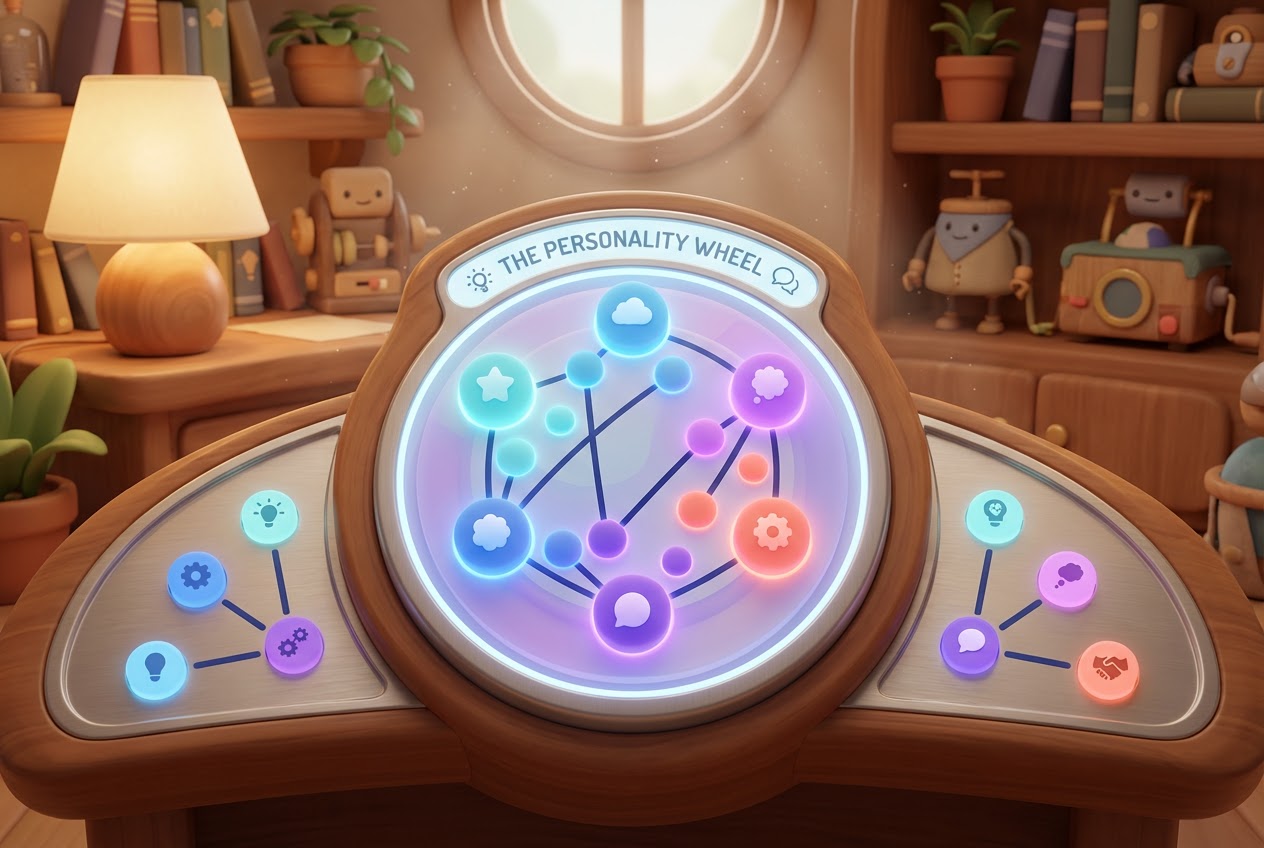
One of the most overlooked capabilities in HR reporting software is mapping how your teams work together. Every team has a fingerprint made up of different work styles. Some are heavy on Doers, who excel at execution but can miss the bigger strategic picture. Others are full of Pioneers, brilliant at new ideas but light on the methodical follow-through an Auditor brings.
A good reporting tool makes these imbalances visible. Once you can see the gaps, your recruitment strategy changes. Instead of hiring for technical skills alone, you start hiring for the specific cognitive diversity your team lacks, so the right people end up in the right roles.
High engagement is only worth celebrating if it translates into performance. The best HR reporting software lets you overlay engagement data with productivity metrics. If a team has high engagement but low output, you probably have a process issue. If both are low, you likely have a leadership or culture challenge.
Managers are often surprised when they finally centralise this data. The most "productive" team might be on the verge of burnout, while a quieter team is quietly providing the most stable foundation in the business. Reporting replaces guesswork with evidence.
A tool like Compono Engage captures these signals in real time, creating a feedback loop that lets you adjust your management approach before small issues become systemic problems.
Recruitment should not be a black hole. Many organisations cannot say where their best candidates come from or why they lose top talent mid-process. Reporting that integrates with your applicant tracking system (ATS) provides the why behind your hiring numbers.
You can track which talent sources produce candidates who actually stay, which is the evidence you need to justify recruitment budgets. It shows HR reducing turnover and lifting the quality of every hire.
Compono Hire scores and ranks candidates on work personality, then shows how those scores correlate with eventual job performance. Over time you refine your ideal candidate profile based on real data rather than gut feel.
See hiring, engagement and performance in one place, with reporting built for decisions you can defend.
Talk to usIt surfaces early warning signs of disengagement and burnout through sentiment analysis and turnover trends, so leaders can step in with targeted support before an employee decides to leave.
A human resources information system (HRIS) stores data and runs administrative tasks like payroll. HR reporting software sits on top of that data to analyse it, find patterns and provide strategic insight for leadership.
Not with the right platform. Modern cloud tools suit teams of 60 to 1,000 staff and need minimal IT support to produce clear visual dashboards and automated reports.
Headcount and similar metrics can be reviewed monthly, but engagement and performance trends deserve real-time or weekly monitoring so you can respond quickly to what your workforce needs.
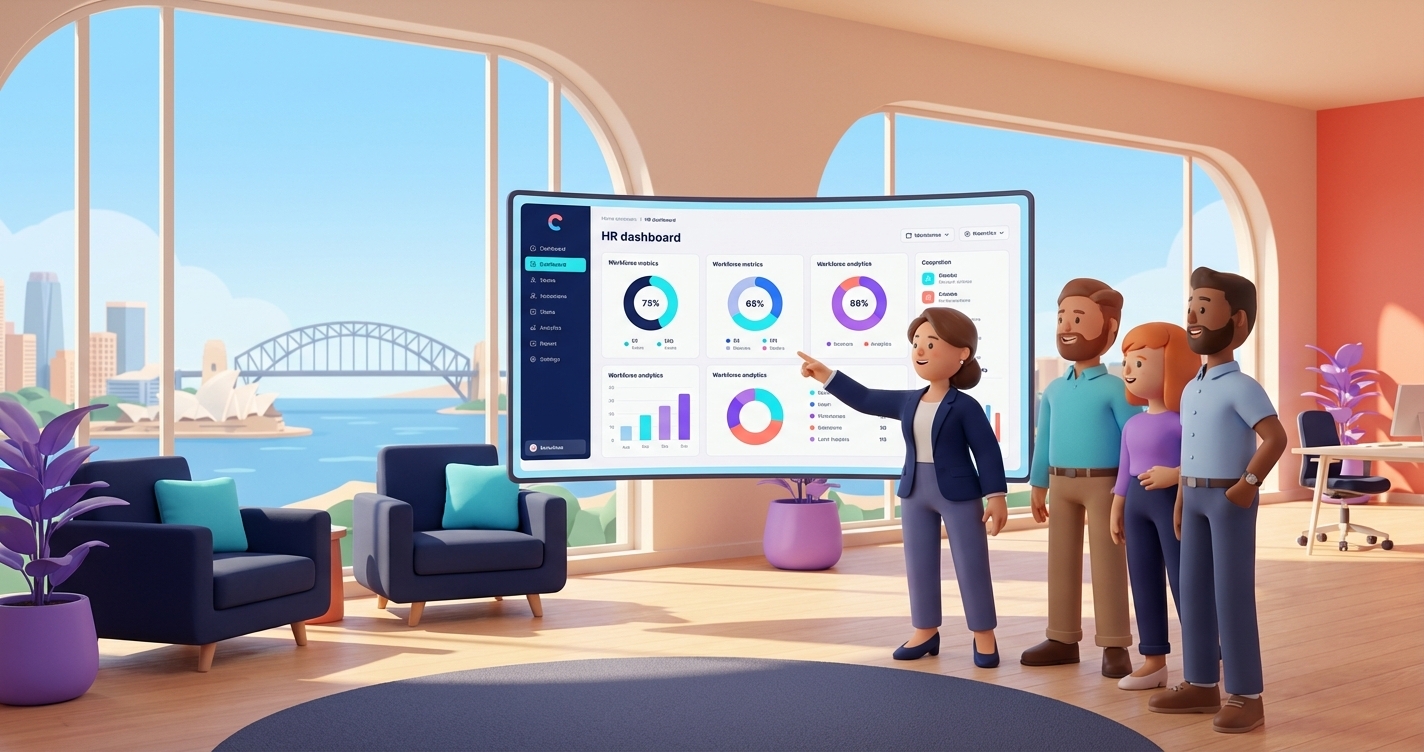
How Australian SMEs choose HR software that goes beyond admin: centralised data, culture-fit hiring and engagement insight that grows with the team.

How to choose RTO management software: the features that matter for compliance, reporting and the day-to-day work of your training team.

What a cloud-based HR platform does, what to look for, and how to choose one that connects hiring, engagement and development for your team.
 Compono