

 Mathan Allington
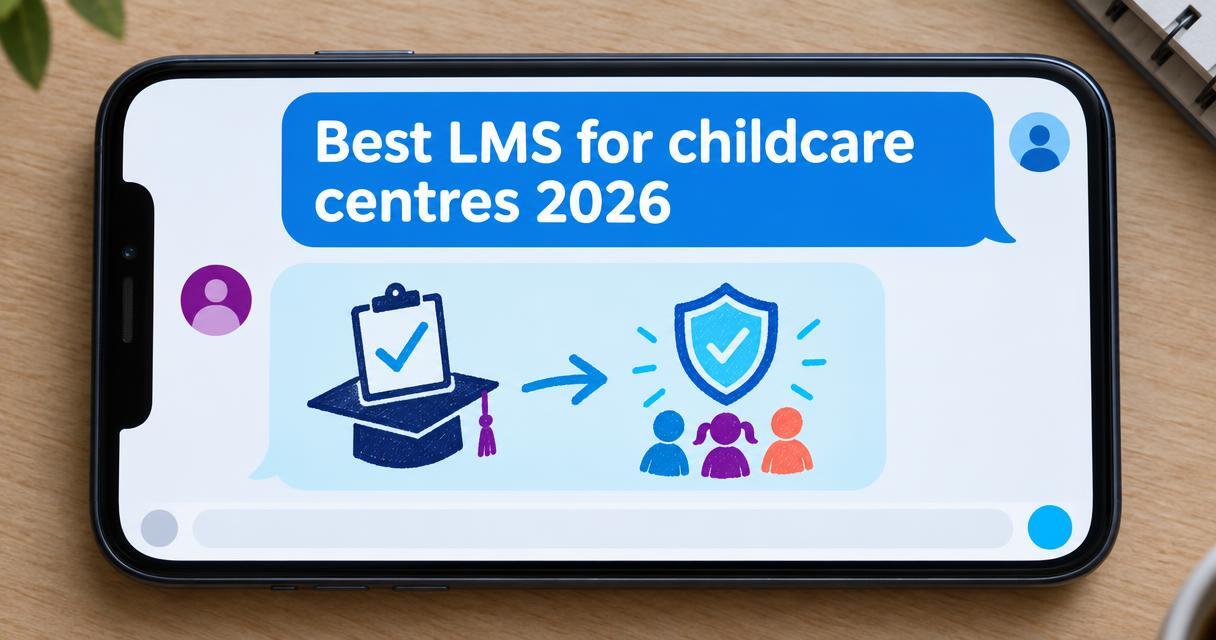
The best LMS for childcare centres in 2026 is one that manages strict regulatory compliance while actively developing educator capabilities, moving beyond basic tick-box training to actually improve care outcomes.
Last reviewed November 2026
Quick answer
- Price: Compono Develop offers custom multi-site pricing on request. Tribal Habits and TalentLMS use tiered per-user pricing.
- Best for: Compono Develop is best for blending ACECQA and NQF compliance with practical capability building across multiple locations.
- Verdict: Early learning centres need an LMS that tracks mandatory offline certifications and supports high-turnover relief staff without generic corporate filler.
The modern regulatory challenges in childcare staffing
Early childhood education and care (ECEC) is a highly regulated sector. Managing compliance across multiple centres means juggling ACECQA requirements, National Quality Framework (NQF) standards, working with children checks, and mandatory first aid certifications. When a compliance audit happens, your documentation needs to be right.
However, focusing entirely on compliance creates a blind spot. A generic learning management system (LMS) might log when someone completes a module, but it rarely measures if they actually understood the material or can apply it in a busy classroom. You end up managing the process risk while entirely ignoring the people insight risk.
You need a platform that records the paperwork and builds real capability. Educator burnout and turnover remain high, and structured professional development is a proven way to retain talent and improve care standards.
Best LMS for childcare centres 2026: ranking the top platforms
Choosing the right platform means filtering out the corporate tools and focusing on systems built for frontline, deskless workers. Here are three leading platforms to consider when upgrading your training software.
- Compono Develop
- Tribal Habits
- TalentLMS
Compono Develop
- Price: Custom pricing on request based on multi-site structure and scale.
- Best for: Managing compliance and capability development simultaneously for multi-site childcare providers.
- Limits: Designed for mid-market and scaling operations rather than single-location micro centres.
Tribal Habits
- Price: Tiered subscription based on the number of active users.
- Best for: Peer learning and rapid internal course creation.
- Limits: Less focus on complex regulatory compliance mapping for highly regulated multi-state operations.
TalentLMS
- Price: Tiered subscription models based on active user counts.
- Best for: General corporate training that can be adapted to early childhood education.
- Limits: A generic platform missing deep ECEC-specific workflows natively out of the box.
| Platform | Best for | Key strength |
|---|---|---|
| Compono Develop | Compliance and capability | Offline practical assessment tracking and NQF mapping |
| Tribal Habits | Knowledge sharing | Fast peer-to-peer module creation |
| TalentLMS | General training | Affordable baseline corporate learning |
Compono makes Compono Develop. We have included it and kept every entry's strengths and limits honest.
Why generic corporate LMS platforms fail early childhood centres
Most corporate learning tools are built for office workers sitting at desks. Early childhood educators are on their feet, managing active classrooms, and rarely have dedicated screen time. In fact, fewer than 45% of early-childhood staff received key supports such as training materials or release time from working with children during regular hours, according to the OECD.
When you force a corporate LMS into a childcare centre, engagement drops. Educators need mobile access, microlearning modules they can complete during nap times or transit, and interfaces that do not require an IT degree to work through. If the system is too hard to use, casual staff will simply avoid it, leaving you exposed to compliance gaps.
When comparing the best Australian LMS platforms, you must prioritise platforms that understand the deskless worker experience. A true childcare LMS respects the educator's time and delivers learning in sharp, relevant bursts.
Balancing microlearning with hands-on practical assessments
Not everything can be learned through a video. Paediatric first aid, CPR, and anaphylaxis management require hands-on demonstration. A major failing of basic online training tools is their inability to record offline, practical assessments.
Over 90% of early-childhood education and care staff in most surveyed countries had completed a program that included training specifically for working with children, according to the OECD. Yet, validating those skills on the floor is what truly matters.
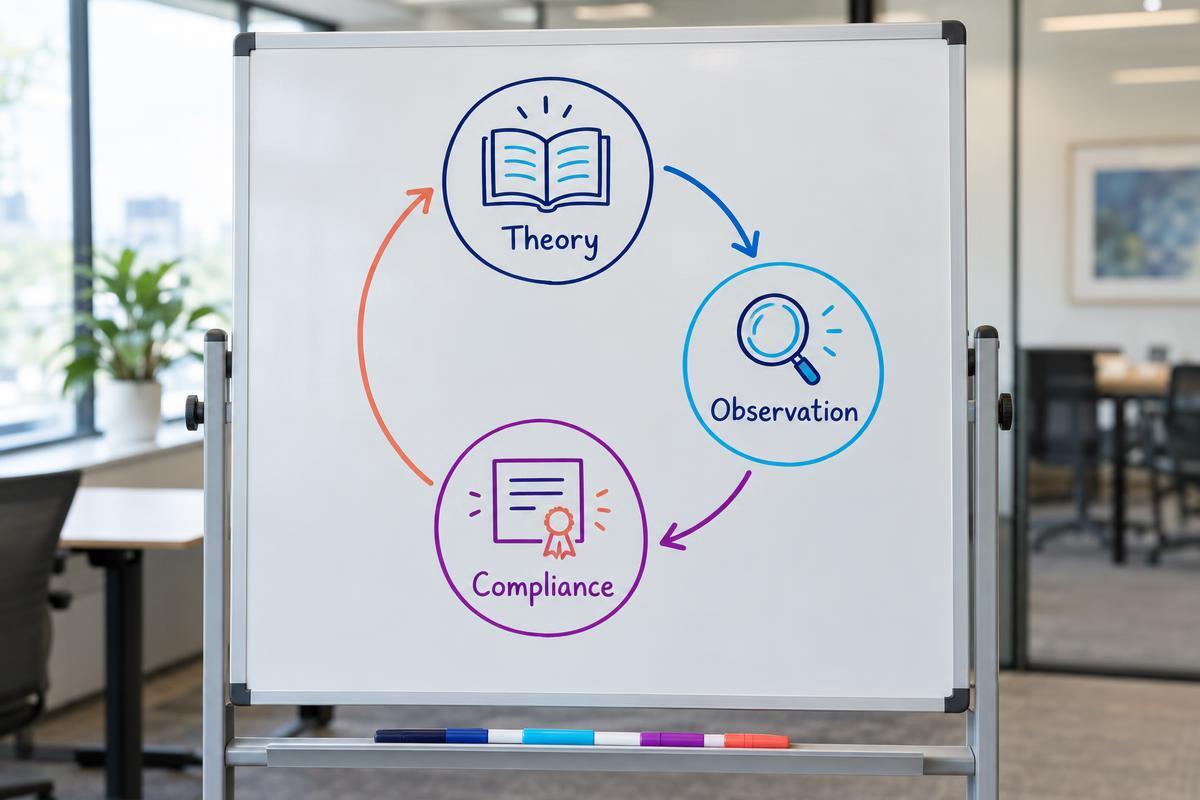
Your chosen platform must allow centre directors to observe an educator in the classroom and digitally sign off on their practical competency. This blends the efficiency of online microlearning (reading the theory) with the safety of observed practical skills (demonstrating the practice). This approach satisfies regulators and gives directors peace of mind.
Engaging casual, relief and non-desk educators
Childcare relies heavily on relief and casual educators to maintain strict staff-to-child ratios. When a new relief worker arrives at a centre, you do not have hours to spend on administrative onboarding. They need to understand local evacuation procedures, specific child allergy lists, and room protocols immediately.
An effective learning platform automates this. It uses role-based learning paths to instantly assign the correct induction modules to a relief worker's phone before they even walk through the door. This ties directly into how you use an applicant tracking system for childcare, ensuring the handoff from hiring to onboarding is smooth and secure.
Furthermore, early educators are asking for specific help. Nearly one in three centre-based early educators reported needing additional training in challenging behaviour, dual-language learners, or trauma-informed practices, based on research from the Center for the Study of Child Care Employment. Delivering this targeted training via mobile microlearning helps retain casual staff by showing you value their professional growth.
Technical integration and data privacy
Your centre likely already uses a Childcare Management System (CCMS) for billing, attendance, and parent communication. Adding an LMS should not create a disconnected data island. Your learning platform needs to sit securely alongside your existing HR and management tools.
Data privacy is critical when managing educator records, especially as they often intersect with minor-adjacent documentation and sensitive background checks. Ensure the LMS provider hosts data locally (such as in Australia or New Zealand) and complies with stringent privacy laws.
Using a dedicated competency management platform means all compliance data is housed securely, giving auditors exactly what they need without exposing unrelated centre data.
Calculating ROI and avoiding regulatory penalties
The cost of starting a new training platform is often recouped by reducing the time centre directors spend chasing paper certificates. When directors manually track expiring first aid certificates on a spreadsheet, mistakes happen. A single non-compliance breach can result in severe financial penalties or the loss of operating licences.
An automated platform sends alerts 30 days before a certification expires. It calculates your return on investment by keeping educators on the floor, keeping directors out of filing cabinets, and completely removing the risk of a failed compliance audit. You protect the business while actively investing in the people who deliver the care.
How Compono can help with childcare compliance
Compono Develop gives you the tools to track mandatory certifications automatically while actively building educator capability through accessible, role-specific learning paths.
Frequently asked questions
What makes a childcare LMS different from a standard corporate LMS?
A childcare learning platform is designed for deskless workers who need mobile access. It prioritises compliance tracking for external regulators (like ACECQA) and allows directors to sign off on offline, practical observations like first aid or classroom management.
Can we track offline practical assessments in an LMS?
Yes. A modern platform allows a centre director or senior educator to observe a staff member performing a task (such as an emergency evacuation drill) and digitally sign off on their competency within the system. This keeps all theoretical and practical records in one secure location.
How does an LMS help with relief staff turnover?
An automated platform pushes essential site-specific induction training directly to a relief worker's mobile device before their shift starts. This ensures they are compliant and confident immediately, reducing the administrative burden on the centre director and making the casual worker feel supported.
Do these platforms map directly to ACECQA and NQF standards?
The best platforms allow you to tag and map specific training modules directly to NQF quality areas. When an auditor asks for evidence of professional development under a specific standard, you can generate a report instantly rather than searching through individual employee files.