

.webp)

 Mathan Allington


Best HR software for startups: a complete 2026 guide
 Mathan Allington
Startup HR software compared for teams of 5 to 100: what to look for, what each platform does well, and which to buy first when you can only afford...
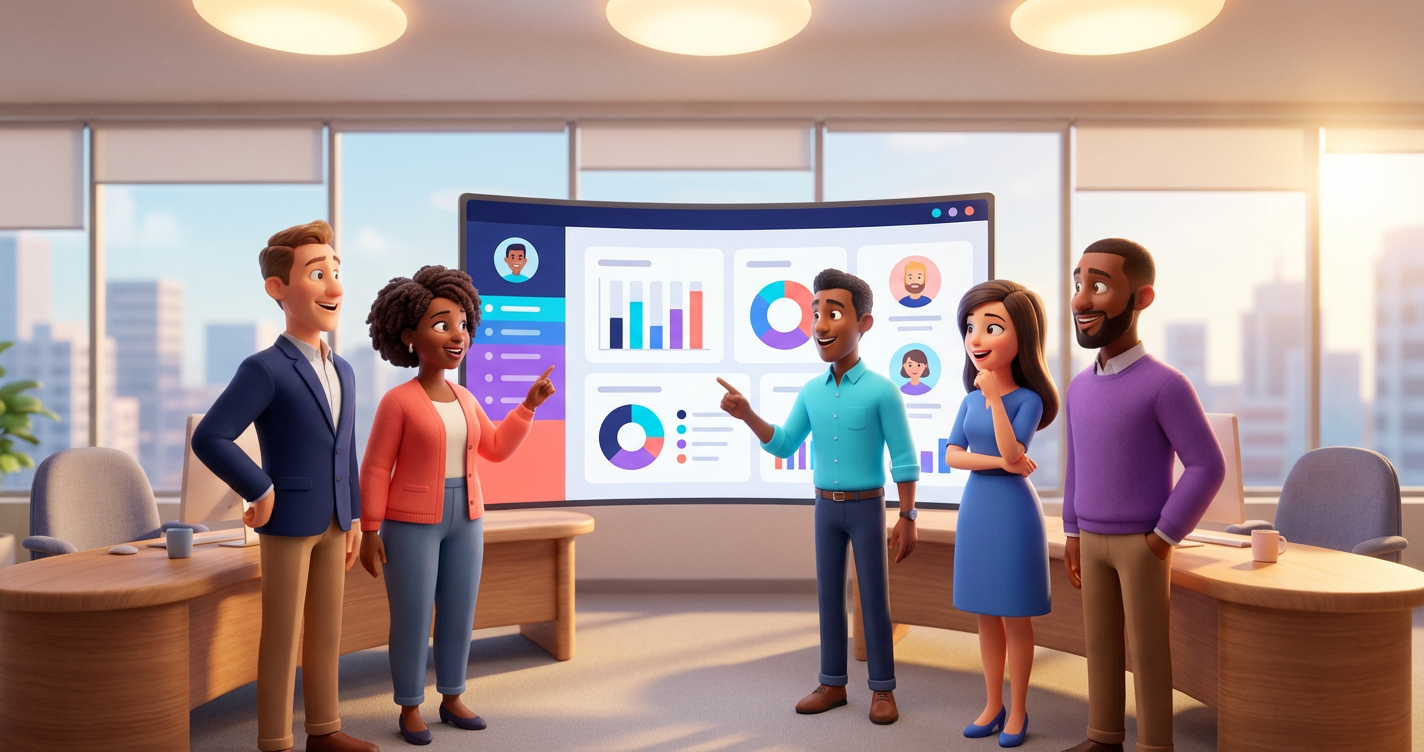
Comparing HR tech for a mid-market business (60 to 1,000 staff) comes down to one question: does the platform only manage your processes, or does it also help you understand your people? Most tools handle payroll, records and workflows well. Far fewer help you hire the right people, keep them engaged and grow their capability.
Last reviewed July 2026.
Every HR tech comparison gets simpler once you name the two different risks HR carries.
Process risk is the visible one: payroll errors, compliance gaps, onboarding paperwork going missing. Almost every HR system on the market was built to reduce it, and most do a reasonable job.
People insight risk is the expensive one: the wrong hire, the top performer who quietly disengages, training that never builds real capability, culture that breaks down as you scale. Most HR tech ignores this risk entirely, because it cannot be fixed with workflow automation. It needs data about how your people think, fit and work together.
Mid-market businesses feel both risks harder than anyone. You are big enough that one bad hire or one disengaged team costs real money, but too lean to carry an army of analysts or consultants. So the comparison below judges each category of HR tech against both risks, not just the first one.
| Category | What it solves | Process risk | People insight risk |
|---|---|---|---|
| HRIS / payroll | Records, pay, leave, self-service admin | Strong | None. It stores the what, not the why |
| Stand-alone ATS | Moving applicants through stages | Strong | Weak. Tracks CVs but cannot predict fit |
| Survey-only engagement tools | Measuring sentiment at a point in time | n/a | Partial. Shows scores, rarely explains causes |
| Stand-alone LMS | Delivering and tracking training | Strong for compliance | Weak. Completion is not capability |
| Workforce intelligence platform | Hiring fit, engagement drivers and development in one data layer | Covers the people workflows | Strong. Built to reduce this risk specifically |
None of these categories is wrong. An HRIS is essential, and if your only problem is payroll accuracy, buy a great HRIS and stop there. The comparison goes wrong when businesses assume process tools will somehow produce people insight. They will not, because they were never designed to.

In a mid-market business, recruitment is often your biggest growth lever, and it is where the two-risk gap shows first. A traditional applicant tracking system (ATS) focuses on the tracking: moving a PDF from stage to stage. That reduces process risk. It does nothing to tell you whether the candidate will thrive in your team or leave in eight months.
Skills can be taught. Alignment with your values and the natural work personality of the team is much harder to change after the contract is signed. When you compare hiring tools, look for assessment of the person against the organisation, not just parsing of the CV. Compono Hire assesses candidates across organisation fit, skills and qualifications, so lean HR teams can rank a large applicant pool by likely success rather than screening hundreds of CVs by hand.
Past 100 employees, the organic culture that existed when everyone sat in one room starts to stretch, and engagement becomes a deliberate act. The annual survey is a relic here. By the time results land, the issues have festered or the people involved have left.
The comparison to make is between tools that measure sentiment and tools that explain it. A score of 6.2 tells you something is wrong; it does not tell you whether the cause is workload, leadership style or a team whose personality mix is fighting itself. Compono Engage pairs pulse-level sentiment with team personality data, so managers see the drivers behind the number and can act on them with some precision.
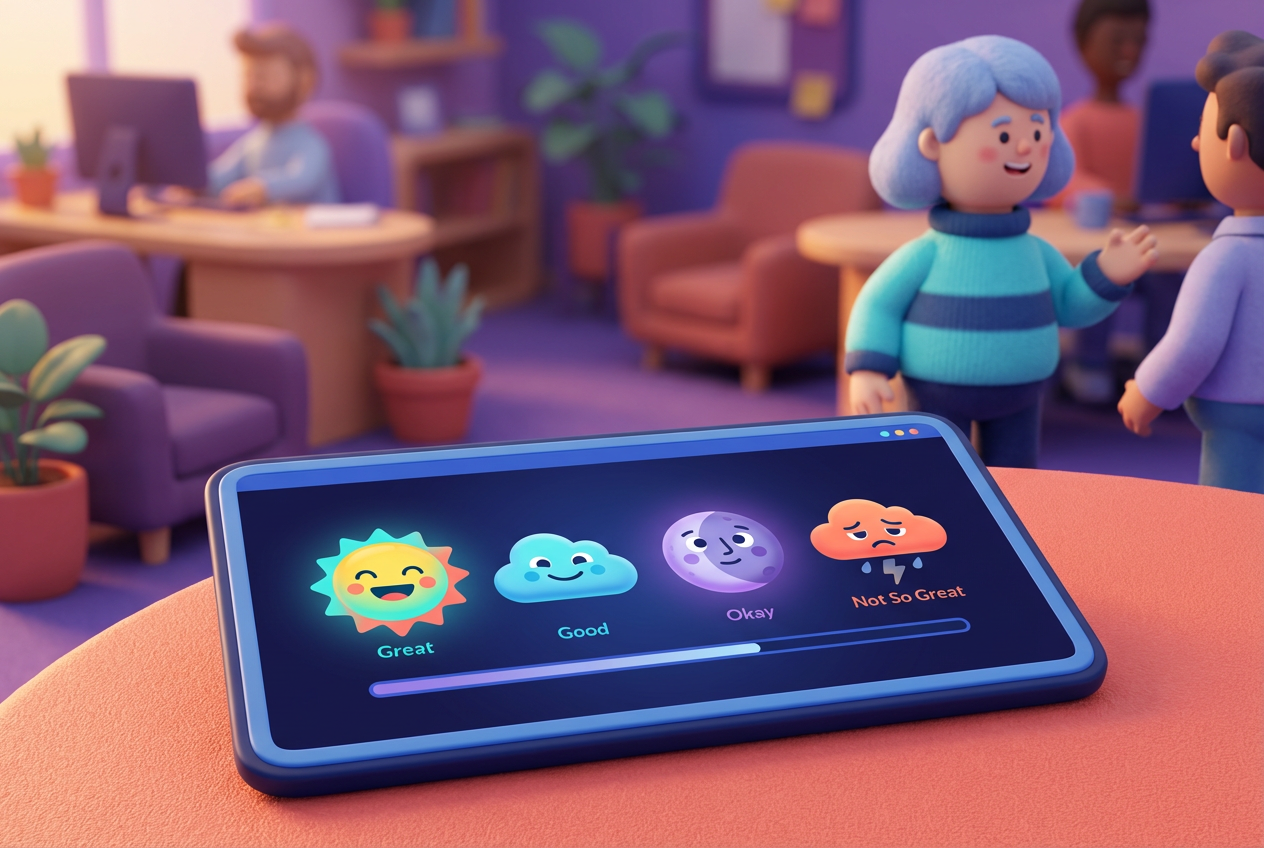
Retention is the new recruitment. In the mid-market, losing one key person can stall a project or lose a client, and a visible growth path is one of the strongest reasons to stay. Most LMS comparisons stop at content libraries and completion tracking, which is the process-risk view of learning.
The insight view asks different questions. Where are the capability gaps across this department? Which development paths fit how this person actually works? If your team is full of Doers but short on Pioneers, your development and hiring strategy should shift to fill that specific gap. Compono Develop ties learning to the same people data as hiring and engagement, which is what turns training spend into workforce planning.
Whatever you shortlist, four practical tests separate platforms that work in the mid-market from platforms that get abandoned.
Implementation is less scary than vendors make it sound: most mid-market rollouts take 4 to 12 weeks, and the biggest predictors of speed are clean data and a dedicated project lead.
Compono connects hiring, engagement and development in one data layer, so you manage process risk and people insight risk together. Rated 4.8/5 on Capterra.
Talk to usAn HRIS stores the what: addresses, bank details, start dates and leave balances. A workforce intelligence platform works on the why and how, using data about team personality, engagement drivers and performance to support better hiring and development decisions.
For 60 to 1,000 staff, a unified platform covering hiring, engagement and development usually wins. It keeps a single source of truth for employee data and avoids the disconnected-apps problem where each tool works but the whole picture never appears.
Most mid-market organisations complete a rollout in 4 to 12 weeks depending on complexity. Clean data and a dedicated project lead are the two biggest factors in hitting the shorter end of that range.
It surfaces early signs of disengagement through regular pulse data and gives every employee a visible development path. People who feel heard and can see a future for themselves are far less likely to look elsewhere.

Startup HR software compared for teams of 5 to 100: what to look for, what each platform does well, and which to buy first when you can only afford...

How HR turns workforce data into a story the board will act on: which measures belong in the pack, and how to tie them to business risk.
The honest answer for small Australian companies: when HR software pays for itself, when it doesn't yet, and how to tell which side you're on.