

.webp)

 Compono


1 min read
Why training doesn't work for modern teams
 Compono
Traditional workplace training fails because it often treats skills as isolated tasks rather than behaviours rooted in a person's natural work...
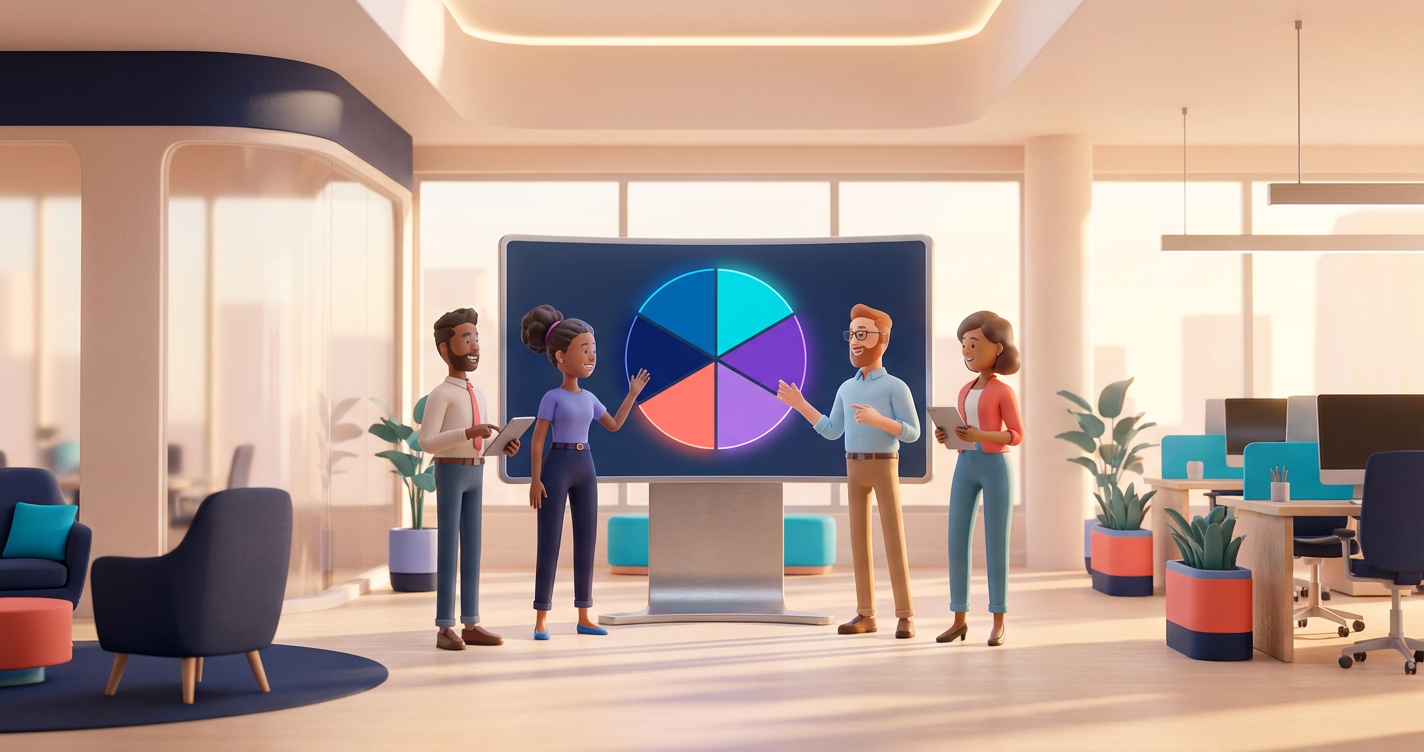
HR innovation is the strategic application of new technologies and evidence-based psychological insights to improve how we attract, engage, and develop people within an organisation.
Modern teams require more than just traditional management; they need a sophisticated approach that aligns individual strengths with business objectives to drive sustainable growth. By moving beyond legacy processes, we can create workplaces where people genuinely thrive and performance becomes a natural byproduct of a healthy culture.
Key takeaways
- HR innovation focuses on using data and personality insights to solve complex people challenges.
- High-performing teams are built by balancing eight essential work activities, from pioneering to doing.
- Aligning leadership styles with team personality types reduces conflict and increases productivity.
- Workforce intelligence platforms allow for objective hiring and development decisions based on fit.
In today's workplace, the traditional methods of managing people are often falling short of modern expectations. We see many organisations struggling with engagement gaps or high turnover because their internal systems haven't kept pace with the way humans actually work. HR innovation isn't just about buying the latest software – it is about rethinking the fundamental relationship between an employee and their work environment.
We have moved into an era where workforce intelligence is the most valuable asset a leader can possess. This means moving away from gut-feel decisions and towards a model where we understand the unique drivers of every individual. When we talk about innovation in this space, we are really talking about how we use science and technology to make the workplace more human, not less.
The challenge for most mid-market leaders is knowing where to start. With so many moving parts in a growing business, it can feel overwhelming to overhaul your people strategy. However, the cost of sticking with the status quo – disengaged teams and mismatched hires – is far higher than the investment required to modernise your approach.

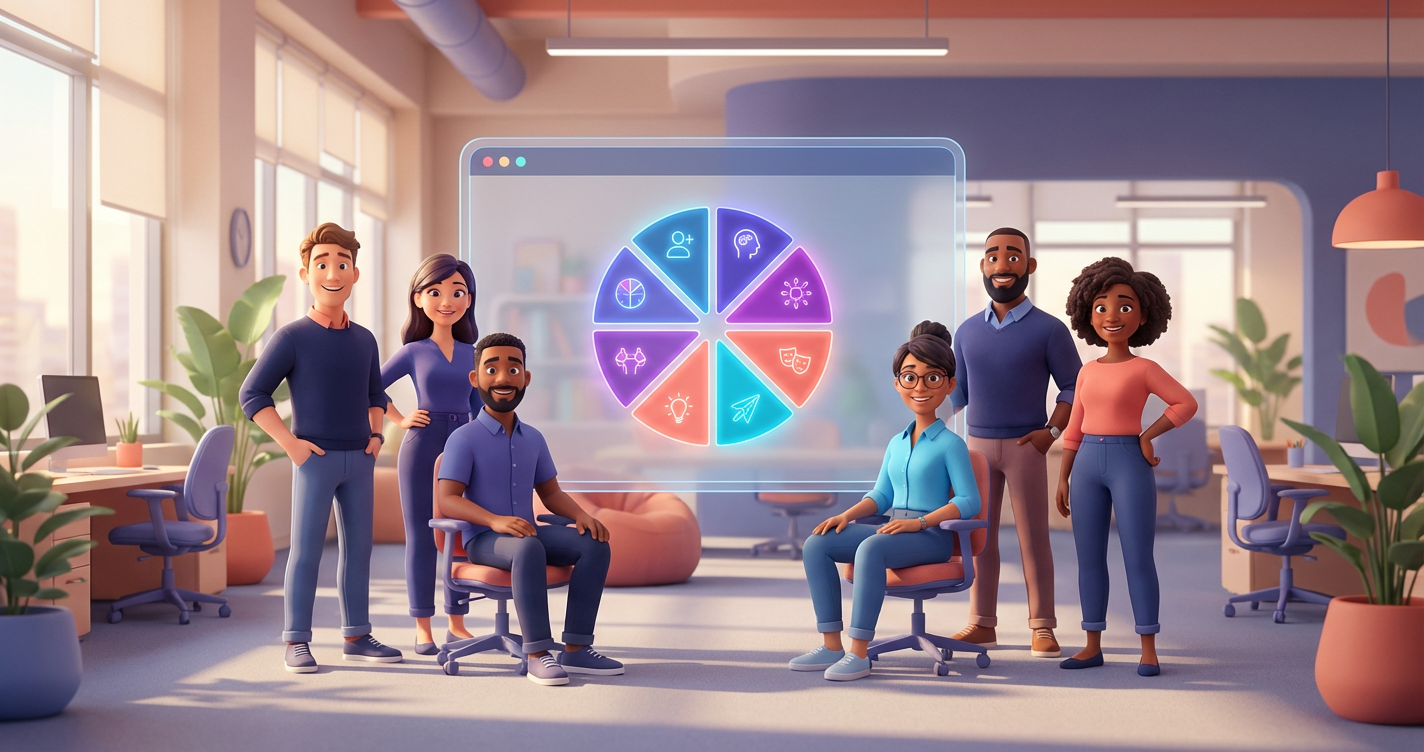
At the heart of any successful HR innovation strategy is a deep understanding of personality. At Compono, we have spent years researching how natural preferences influence professional outcomes. We've identified eight key work activities that define every high-performing team: Evaluating, Coordinating, Campaigning, Pioneering, Advising, Helping, and Doing.
Most people have a dominant preference, which we call their work personality. For example, The Pioneer thrives on innovation and imaginative problem-solving, while The Doer is far more comfortable with practical, hands-on execution. Both are vital, but they require different environments and management styles to succeed.
When we ignore these natural tendencies, we end up with "friction" in the team. You might have a brilliant strategist stuck in a role that requires repetitive data entry, or a methodical person forced into a chaotic, fast-paced sales environment. HR innovation allows us to map these personalities across a team to ensure that every essential work activity is being covered by someone who actually enjoys doing it.
Innovation in HR also extends to how we lead. There is no one-size-fits-all leadership style that works for every person in every scenario. Instead, effective leaders must learn to flex between directive, democratic, and non-directive approaches. This flexibility is a hallmark of a modern, innovative culture.
A directive style – where clear instructions and high control are used – might be necessary during a crisis or when training a new, inexperienced team. However, if you apply that same style to The Auditor, who prefers autonomy and methodical independent work, you will likely cause frustration and disengagement. Understanding these nuances is where true workforce intelligence comes into play.
We often see that democratic leadership – which focuses on collaboration and shared decision-making – works exceptionally well for The Campaigner. These individuals are visionary and future-focused, and they thrive when they feel their ideas are contributing to a bigger dream. By matching your leadership behaviour to the personality types in your team, you reduce conflict and accelerate results.
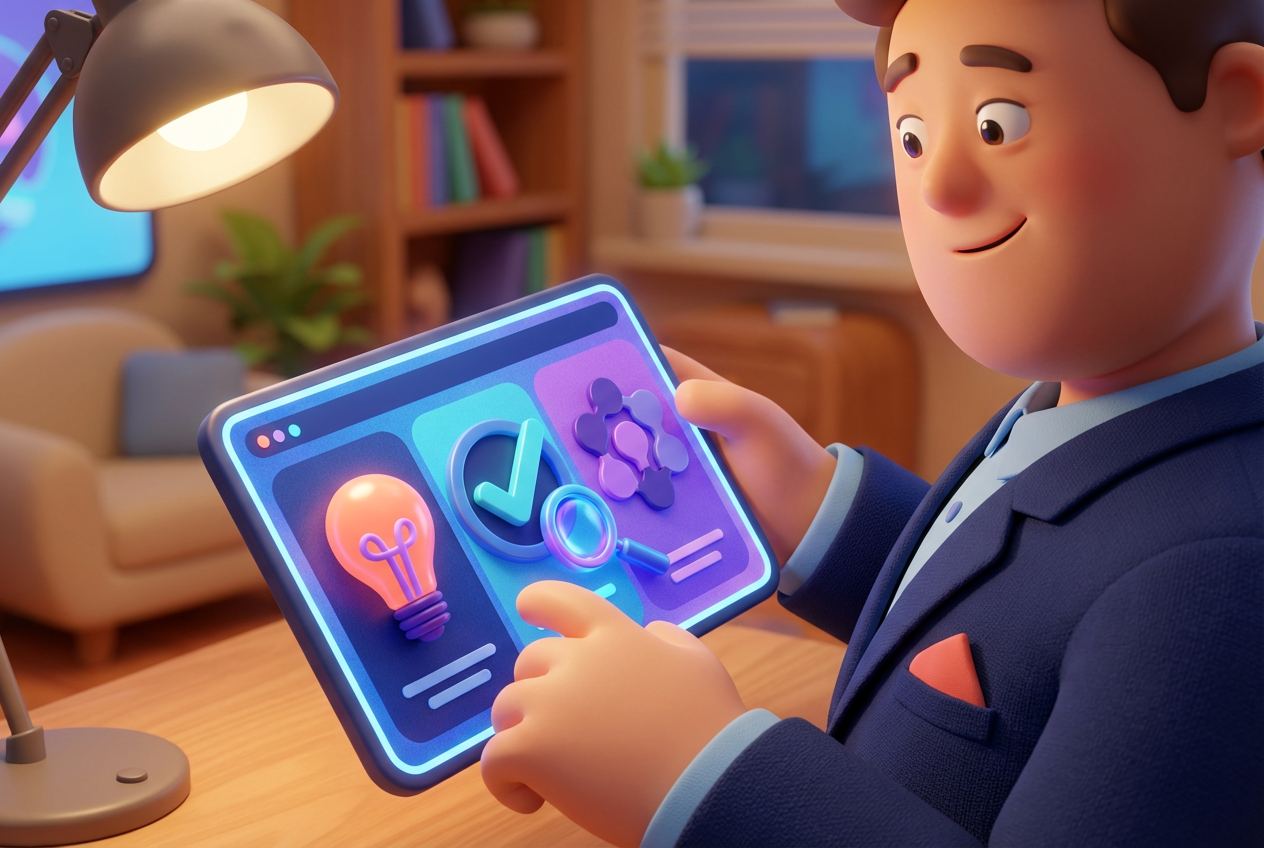
Culture is often treated as something fluffy or hard to define, but HR innovation allows us to treat it as a measurable business metric. According to The Compono Culture, Engagement & Performance Model, high performance is the result of a clear alignment between organisational values and individual behaviours.
To build this culture, you need to look at the entire employee lifecycle. It starts with how you hire. Instead of just looking at a CV, innovative teams look at "Organisation Fit". This includes assessing how a candidate’s personality and values align with the existing team. If you are a rapidly expanding business, you might need more Pioneers to handle the ambiguity of growth.
Once the right people are in the door, the focus shifts to engagement and development. This is where tools like Compono Engage help leaders stay connected to the pulse of their team. By regularly measuring how people feel and how they are interacting, you can spot potential issues before they lead to resignations. This proactive approach is the essence of modern people management.
Conflict is inevitable in any workplace, but it doesn't have to be destructive. In fact, when managed through the lens of HR innovation, conflict can be a catalyst for growth. Most workplace friction arises not because people are "difficult", but because they have different ways of processing information and making decisions.
Consider a clash between The Evaluator and a Campaigner. The Evaluator wants logic, data, and objective analysis. The Campaigner wants to sell the dream and focus on future possibilities. Without an understanding of their respective work personalities, the Evaluator might see the Campaigner as unrealistic, while the Campaigner sees the Evaluator as a "dream killer".
By using personality assessments, leaders can facilitate a better dialogue. You might encourage the Evaluator to consider long-term benefits, while helping the Campaigner break their big ideas into logical, actionable steps. This level of insight transforms a heated argument into a productive strategic discussion. It’s about teaching the team to value the very differences that make them stronger as a whole.
Key insights
HR innovation is the key to unlocking hidden potential within your workforce by using science-backed personality insights. By understanding that every person has a unique work personality – such as a Pioneer, Doer, or Helper – leaders can assign tasks more effectively and reduce friction. High-performing teams are those that balance all eight essential work activities and adapt their leadership style to suit the specific needs of their members. Ultimately, using workforce intelligence platforms to guide hiring and engagement leads to a more resilient, productive, and harmonious organisation.
Building a high-performing team doesn't happen by accident. It requires the right tools and a commitment to understanding your people at a deeper level.
The most effective starting point is gaining visibility into your current team's strengths and gaps. Using a work personality assessment allows you to see how your team is balanced across essential work activities and where you might need to hire or develop specific traits.
Personality dictates what work activities an individual is naturally motivated to perform. When people are assigned tasks that match their work personality – like a Coordinator managing a complex schedule – they are more efficient, engaged, and less likely to experience burnout.
Yes, while most leaders have a natural preference, effective leadership is a skill that can be developed. By understanding the personalities of your team members, you can consciously choose to be more directive or more non-directive depending on what the situation and the person require.
Workforce intelligence is the use of data, psychological research, and technology to make better decisions about people. This includes everything from predicting how a candidate will fit into a team culture to identifying which employees are at risk of leaving based on engagement trends.
The key is to move from personal judgment to objective understanding. By identifying that a conflict is simply a result of different work personalities – such as a detail-oriented Auditor versus a big-picture Pioneer – you can help both parties see the value in each other's perspective.

1 min read
Traditional workplace training fails because it often treats skills as isolated tasks rather than behaviours rooted in a person's natural work...
1 min read
Team effectiveness tools are digital platforms and frameworks designed to improve how groups of people collaborate, communicate, and execute tasks to...

1 min read
Culture assessment software helps Brisbane businesses measure the intangible elements of their workplace to drive engagement and retention by...