

.webp)

 Compono


1 min read
HR analytics platform: a guide to data-driven leadership
 Compono
An HR analytics platform is a digital solution that aggregates workforce data to help leaders make informed decisions about hiring, engagement, and...
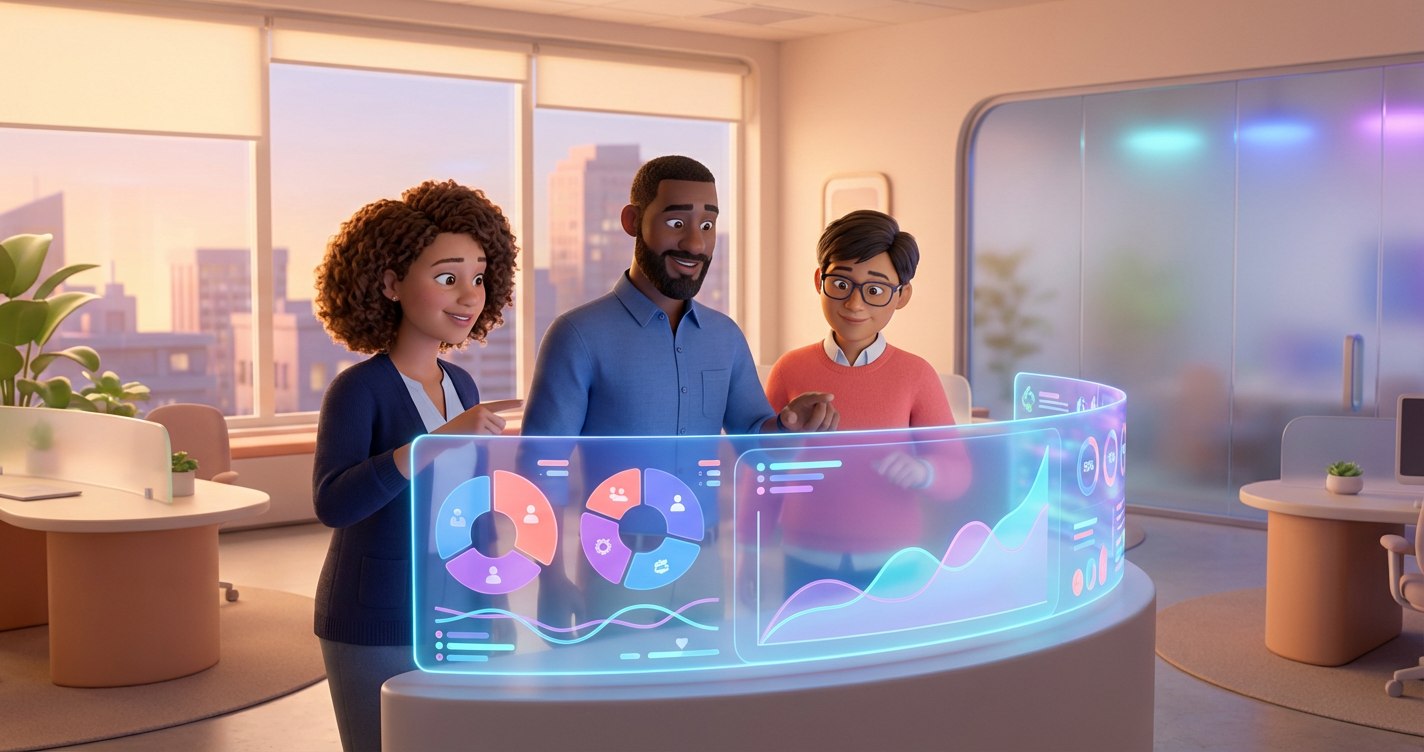
HR analytics use cases range from predicting employee turnover and identifying skill gaps to optimising the recruitment funnel and measuring the impact of leadership development programmes.
By leveraging data effectively, you can move beyond gut feel to make evidence-based decisions that directly improve team performance and organisational culture. At Compono, we believe that understanding the 'why' behind people data is the first step toward building a more resilient and engaged workforce.
Key takeaways
- HR analytics use cases help leaders transition from reactive problem-solving to proactive workforce planning.
- Predictive analytics can identify flight risks early, allowing for targeted retention strategies before high-performers leave.
- Data-driven recruitment focuses on 'organisation fit' by analysing personality and cultural alignment alongside technical skills.
- Engagement analytics provide a real-time pulse of team sentiment, highlighting where intervention is needed most.
For a long time, HR data was mostly about looking in the rear-view mirror. You might have tracked headcount, turnover rates, or the cost of a new hire. While these metrics are useful for compliance and budgeting, they don't tell you much about the future. Modern HR analytics use cases are different – they focus on workforce intelligence, providing the insights you need to predict outcomes and shape your team's trajectory.
The challenge many people leaders face isn't a lack of data; it's a lack of context. You might know that your turnover rate is 15%, but do you know which personality types are most likely to leave, or how a specific leadership style affects the engagement of a certain department? This is where strategic analytics come in. By connecting different data points, we can see the full picture of how work gets done and who is doing it best.

One of the most powerful HR analytics use cases is improving the quality of hire. Traditional recruitment often relies on resumes and interviews, which can be subjective and prone to bias. By using data to assess 'organisation fit' – which includes culture fit, job fit, and personality fit – you can significantly increase the likelihood of long-term success for new starters.
When you analyse the traits of your current high-performers, you can create a benchmark for future candidates. For example, if your most successful project managers are consistently Coordinators, you can look for those specific traits in your applicant pool. This doesn't mean hiring clones; it means understanding the natural work preferences that lead to success in a specific environment.
At Compono, we've spent over a decade researching how personality influences performance. Our platform, Compono Hire, helps you assess candidates across these dimensions in real time. Instead of guessing if someone will mesh with your team, you have objective data to guide your decision, ensuring you build a diverse and balanced workforce.
Replacing an employee is expensive, often costing between 50% to 200% of their annual salary. Identifying why people leave – and more importantly, who is at risk of leaving – is a critical use case for HR analytics. By analysing patterns in engagement surveys, performance data, and even commute times, you can build models that flag potential flight risks.
Often, the reason for turnover isn't just about salary. It might be a lack of development opportunities or a mismatch between a person's work personality and their daily tasks. For instance, a Pioneer who is stuck performing repetitive, routine work will likely become disengaged quickly. Analytics allow you to catch these misalignments early.
Using a tool like Compono Engage allows you to monitor team sentiment and culture health continuously. When you see a dip in engagement within a specific team, you can investigate the root cause – whether it's a leadership issue or a workload problem – and take action before it turns into a resignation letter.

As industries evolve, the skills your team needs today might not be what they need in two years. HR analytics can help you perform a 'gap analysis' by comparing your current workforce's capabilities against your future strategic goals. This allows you to move away from generic training programmes and toward highly targeted development.
Data can show you where your 'soft skill' gaps lie just as clearly as technical ones. You might find that while your engineering team is technically brilliant, they lack the Helpers or Advisors needed to facilitate better cross-functional collaboration. Analytics help you identify who has the natural aptitude to step into these roles with the right coaching.
By integrating performance data with personality insights, you can create personalised growth paths. Compono Develop uses this data-driven approach to help employees understand their strengths and blind spots, making professional development more relevant and effective for every individual.
High-performing teams don't happen by accident. They are often the result of a careful balance of different thinking styles and work preferences. One of the most interesting HR analytics use cases involves 'team chemistry' – mapping out how different personalities interact and where conflict is likely to arise.
For example, a team full of Campaigners will have plenty of big ideas but might struggle with follow-through. Adding an Auditor or a Doer provides the necessary focus on detail and execution. Analytics allow you to visualise these gaps on a team wheel, helping managers understand how to lead more effectively.
This insight is particularly valuable during times of change, such as a merger or a rapid expansion. Understanding the 'Compono Culture, Engagement & Performance Model' helps leaders maintain stability while pushing for innovation. When you know the natural tendencies of your people, you can assign tasks that energise them rather than drain them, leading to higher productivity and lower burnout.
Key insights
- HR analytics transform raw data into a strategic roadmap for talent management and organisational growth.
- By assessing 'organisation fit' during recruitment, companies can reduce turnover and improve team cohesion from day one.
- Predictive modelling for turnover allows HR teams to intervene with personalised retention strategies for key talent.
- Mapping team personalities enables managers to balance cognitive diversity and reduce friction in collaborative projects.
- Data-driven development ensures that training budgets are spent on the skills that will have the greatest impact on future goals.
Moving from basic reporting to advanced HR analytics doesn't have to happen overnight. The goal is to start using the data you already have to answer more meaningful questions about your people and your culture.
Small businesses often focus on recruitment optimisation and employee retention. By using data to ensure new hires fit the culture and identifying early signs of disengagement, smaller teams can avoid the high costs associated with turnover and bad hires.
It removes much of the guesswork by using assessments to measure personality and cultural alignment. This ensures that candidates aren't just capable of doing the job, but are also likely to thrive within your specific team environment.
While it's not a crystal ball, analytics can identify patterns – such as declining engagement scores or changes in work behaviour – that frequently precede a resignation. This gives managers a window of opportunity to address concerns.
Not necessarily. Modern platforms like Compono are designed to be user-friendly for HR professionals and business leaders. They do the heavy lifting of data processing and present insights in clear, actionable formats like team wheels and dashboards.
No, it's also about wellbeing and culture. Analytics can help you identify teams at risk of burnout, measure the effectiveness of diversity and inclusion initiatives, and ensure that your company values are actually being lived on the ground.

1 min read
An HR analytics platform is a digital solution that aggregates workforce data to help leaders make informed decisions about hiring, engagement, and...

1 min read
To choose AI hiring tools, judge them on five criteria: explainable rankings (no black-box decisions), fit measurement that goes beyond keywords,...

1 min read
Chief People Officers (CPOs) use an Applicant Tracking System (ATS) to transform recruitment from a transactional process into a strategic source of...
 Mathan Allington