Organisational culture assessment: a guide for leaders
An organisational culture assessment is a systematic process used to measure the shared values, beliefs, and behaviours that define how work gets...
Become the expert on delivering
valid and fair assessments for
your training and education.
Hey Compono helps you understand your personality and how to turn it into your superpower.
First 1,000 users get 10 minutes free.
Just $15 a month after that — cancel anytime.
To improve employee engagement, you must align individual work preferences with team activities and provide clear, consistent opportunities for professional growth.
Key takeaways
- Engagement is driven by the alignment between a person's natural work personality and their daily responsibilities.
- Effective leadership requires adapting your style – whether directive, democratic, or non-directive – to the specific needs of your team.
- Regular, data-driven insights into team sentiment allow for proactive adjustments before turnover occurs.
- Building a high-performing culture depends on recognising the eight key work activities that define successful teams.
We have all seen it – the slow decline in enthusiasm, the missed deadlines, or the 'quiet quitting' that ripples through a department. When you look at the modern workplace, the challenge isn't just about keeping people busy; it is about keeping them connected to the purpose of their work. High turnover and low productivity are rarely just about the salary. Often, the root cause is a fundamental disconnect between how people naturally work and what their roles demand of them.
At Compono, we have spent years researching what makes teams tick. We have found that when people feel misunderstood or misaligned, their engagement levels plummet. This doesn't just hurt your culture; it hits your bottom line. To fix this, we need to move beyond generic perks and 'employee of the month' awards. We need to look at the psychological drivers that make work meaningful for every individual on your team.

The first step to improve employee engagement is recognising that everyone has a unique work personality. Some people are naturally inclined to lead, while others find their flow in meticulous detail or creative problem-solving. When a person's daily tasks clash with their natural preferences, they have to use significantly more mental energy just to get through the day. This leads to burnout and a sense of frustration that no Friday afternoon drink can fix.
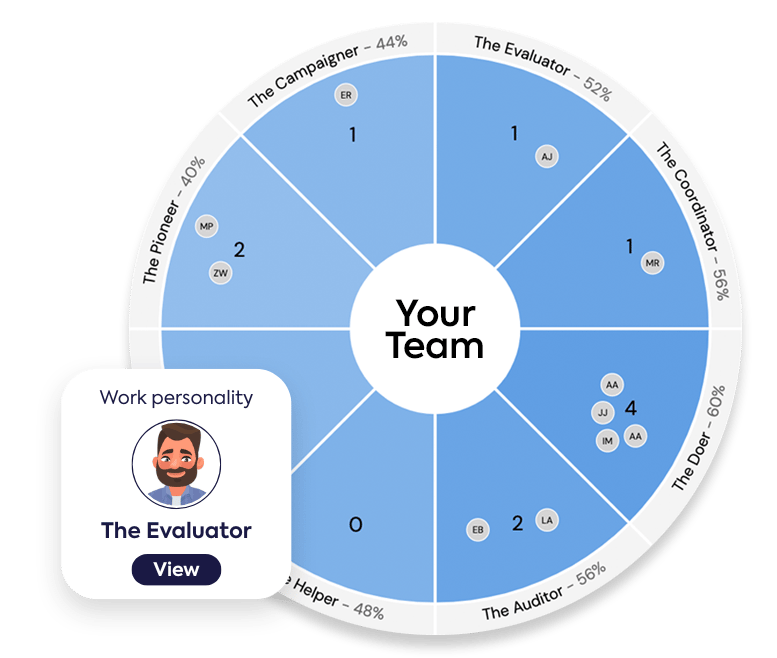
Imagine a team where every member is operating in their 'zone of genius'. The Pioneer is busy dreaming up the next big innovation, while The Auditor ensures every detail is technically sound. By using tools like the Compono People Intelligence Platform, you can map these preferences across your entire organisation. This allows you to rebalance workloads and ensure that people are spending their time on activities that naturally energise them rather than drain them.
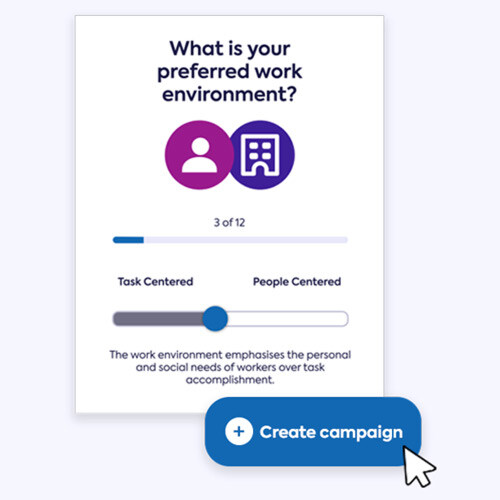
Leadership is not a one-size-fits-all endeavour. To improve employee engagement, you must be able to flex your approach based on the team's maturity and the complexity of the task. A team of highly experienced experts will likely feel micro-managed under a directive style, whereas a new team might feel lost and anxious if given total autonomy too soon. This is where understanding the leadership continuum – from directive to non-directive – becomes essential.
For example, The Helper naturally thrives in a democratic environment where harmony and collaboration are prioritised. If you suddenly switch to a rigid, directive style without explanation, you risk alienating them. Conversely, The Evaluator appreciates logic and efficiency; they want to see the data behind your decisions. By adapting your communication to match these profiles, you build trust and keep engagement high even during periods of intense change.

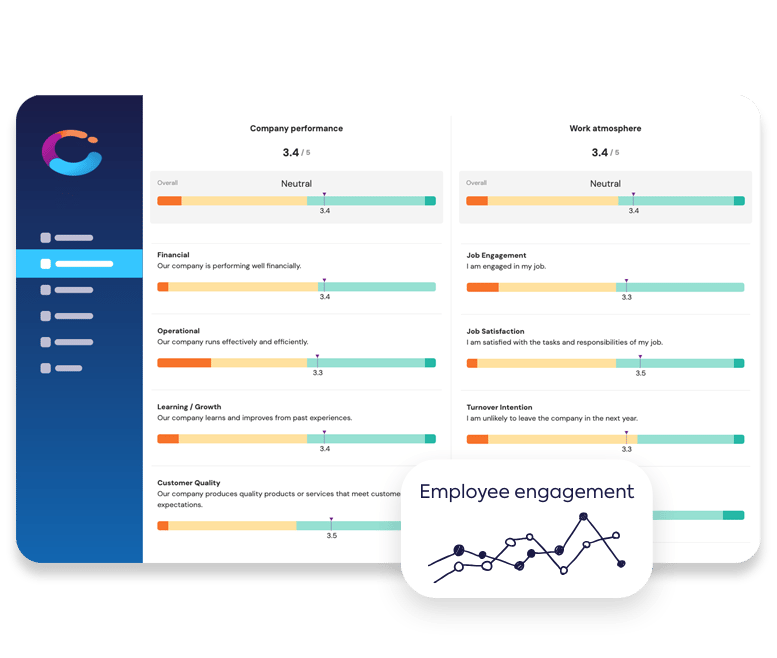
Engagement isn't a 'set and forget' metric. It is a living, breathing part of your organisation that requires constant attention. Traditional annual surveys are often too slow to catch issues before they turn into resignations. Modern teams need a more agile approach to sentiment. You need to know how your people are feeling today – not how they felt six months ago during the last performance review cycle.
At Compono, we believe in using 'The Compono Culture, Engagement & Performance Model' to guide these interactions. This model emphasises that engagement is a byproduct of clear expectations, psychological safety, and meaningful growth. When you use Compono Engage, you get real-time insights into these areas, allowing you to have the right conversations at the right time. It’s about moving from reactive management to proactive leadership, ensuring that every voice is heard and every concern is addressed promptly.
One of the biggest drivers of disengagement is the feeling of stagnation. If your employees can't see a future with you, they will start looking for one elsewhere. To improve employee engagement, you must invest in the long-term success of your people. This goes beyond technical training; it involves helping them understand their own strengths and how they can contribute to the team's overall mission in new and exciting ways.
Consider how The Campaigner seeks future possibilities and thrives on variety. If their role becomes repetitive, their engagement will inevitably drop. By providing them with opportunities to lead new initiatives or mentor others, you keep their 'dreamer' spirit alive. Using a platform like Compono Develop allows you to create personalised learning paths that align with both the individual's aspirations and the company's strategic goals. This creates a win-win scenario where the employee feels valued and the business gains a more skilled, motivated workforce.
Key insights
- Employee engagement is a strategic asset that requires a deep understanding of individual work preferences and psychological drivers.
- Leadership must be situational – knowing when to provide direction and when to grant autonomy is crucial for maintaining team trust.
- Real-time data and frequent feedback loops are more effective than annual surveys for identifying and fixing engagement gaps.
- Investing in personalised development paths demonstrates a commitment to your people that boosts long-term retention.
Improving engagement starts with the right data and the right mindset. If you are ready to transform your team culture and drive better performance, we are here to help.
You can improve engagement by focusing on 'soft' factors like recognition, clear communication, and understanding work personalities. Simply acknowledging a team member's unique contribution or adjusting their tasks to better suit their natural strengths costs nothing but yields significant results in morale and productivity.
Work personality determines what activities a person finds motivating versus draining. When you align a person's role with their natural tendencies – such as putting a Coordinator in charge of project planning – they are more likely to stay engaged and perform at a high level because the work feels natural to them.
Annual surveys provide a 'lagging' indicator of culture. By the time you analyse the results and implement changes, the issues may have already caused staff turnover. Real-time sentiment tools allow you to identify trends as they happen, giving you the chance to intervene and support your team much earlier.
A rigid leadership style that doesn't account for individual needs can lead to frustration and disengagement. Leaders who can flex between directive, democratic, and non-directive styles based on the situation and the person they are leading create a more inclusive and supportive environment that encourages people to stay.
Yes, employees who feel their company is invested in their career growth are significantly more likely to be engaged. Providing clear learning paths and opportunities to develop new skills shows that you value them as a long-term asset, which builds loyalty and reduces the desire to look for opportunities elsewhere.

Compono Hire helps you predict job-fit and team-fit using behavioural science, so you can shortlist with confidence.
Request a demoBuilt for mid-market hiring teams.

Voice-first coaching that adapts to your personality. Get actionable steps you can take this week.
Start freeBuilt by Compono. Not therapy — practical behaviour change.
An organisational culture assessment is a systematic process used to measure the shared values, beliefs, and behaviours that define how work gets...
June 2025 | Insight from Compono’s Work Personality Research What kind of personality makes a great leader? Do strategic thinkers rise to the top?...
1 min read
“You don’t have people problems until you get HR”. Ouch! Can you believe that I've heard this from some business owners and execs? Let's shine a...