

.webp)

 Mathan Allington


HR tech for Australian business: a guide to smarter growth
 Mathan Allington
Discover how HR tech for Australian business can improve hiring, engagement and development. Build high-performing teams with Compono.

You help an HR team drive business performance by moving them from admin to strategy: take manual tasks off their plate, give them real workforce data, and let them advise the business with evidence rather than intuition. That shift turns HR from a policy function into a genuine partner in growth.
Last reviewed July 2026.
Key takeaways
- It starts by removing manual admin through automation and a single, centralised platform.
- Data-driven insight lets HR move past intuition and give evidence-based recommendations to leadership.
- Matching individual work personalities to team roles helps HR initiatives land with more impact.
- A strategic HR function acts as a consultant to the business, not a policy enforcer.
For too long, HR has been cast as the compliance police or the keeper of the paperwork. That outdated view creates a real bottleneck for growing organisations. When your people leaders are buried under spreadsheets and manual data entry, they lose the capacity to do what actually matters: building a high-performing culture and planning for the talent you will need next.
The problem is not effort, it is visibility. Without a clear window into the strengths and gaps across the workforce, HR teams are working half-blind. Give them the tools and the mandate to influence the bottom line and the whole function changes shape.
The first step is to audit where the team's time actually goes. If they spend most of the week chasing signatures or manually screening resumes, they are not being stretched, they are being underused. Many HR professionals are skilled strategists who end up doing data entry because their systems are fragmented or dated.
Centralise the core people processes and you give the team back their most valuable resource, which is time. When recruitment, engagement and development live on one platform, manual reconciliation disappears. HR can turn its attention to the trends that matter, like why one department has higher turnover or how to lift the quality of new hires across the business.
Efficiency and strategic value are linked. A single source of truth means the team stops questioning the data and starts using it to drive change. That is the base for an agile HR function that responds to shifts in real time rather than months later.
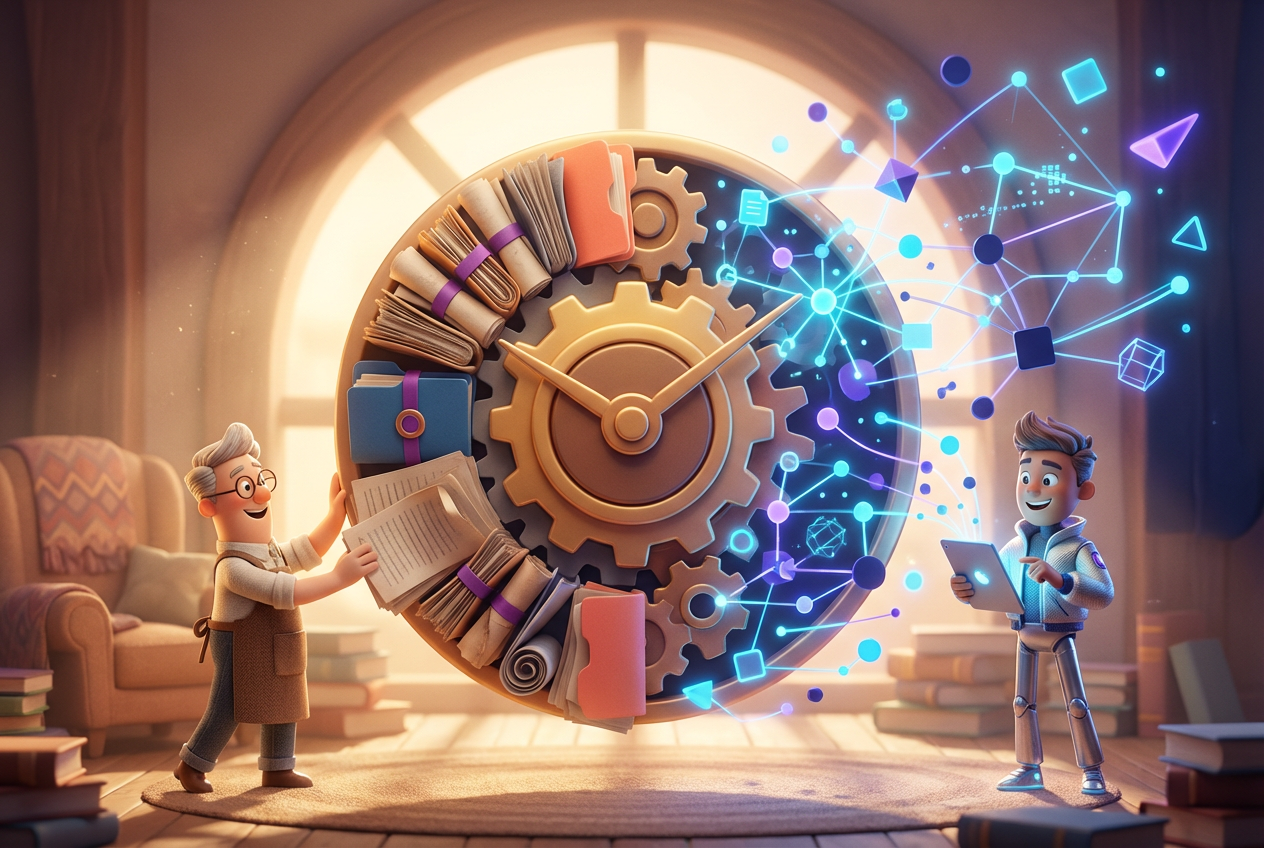
Autonomy without information is just guesswork. To be genuinely strategic, HR needs workforce intelligence that goes past headcounts and turnover rates. They need the why behind the what, which is where many organisations fall down, relying on annual surveys that are out of date by the time anyone reads them.
With real-time insight into team dynamics and individual motivations, HR can give leadership far sharper advice. Rather than saying a team is underperforming, an HR professional can point out that the team is heavy on work personalities focused on execution but lacks anyone to spark new ideas. That changes the conversation from "we have a problem" to "we have a specific solution".
This is why Compono Engage exists. It gives HR the diagnostic tools to see beneath the surface of team performance and intervene with precision. When HR can point to specific data to justify a cultural initiative or a training program, its internal credibility climbs, which makes it a stronger voice in the executive room.
Recruitment is the most visible part of HR and often the most subjective. Making it strategic means moving away from gut-feel hiring toward a structured, evidence-based approach, so the team can stand behind every recommendation they make to hiring managers.
To get there, HR needs a way to assess candidates across several dimensions at once. It is not only about the right technical skills on a CV. It is whether someone's work personality matches the role and the existing culture. Give HR a framework to measure organisation fit, spanning culture, job and personality fit, and they become talent strategists rather than order-takers.
A tool like Compono Hire scores and ranks candidates on these deeper signals. That speeds up the process and gives HR the grounding to have better conversations with department heads about what a good hire actually looks like, which lowers the risk of expensive mistakes and lifts retention.
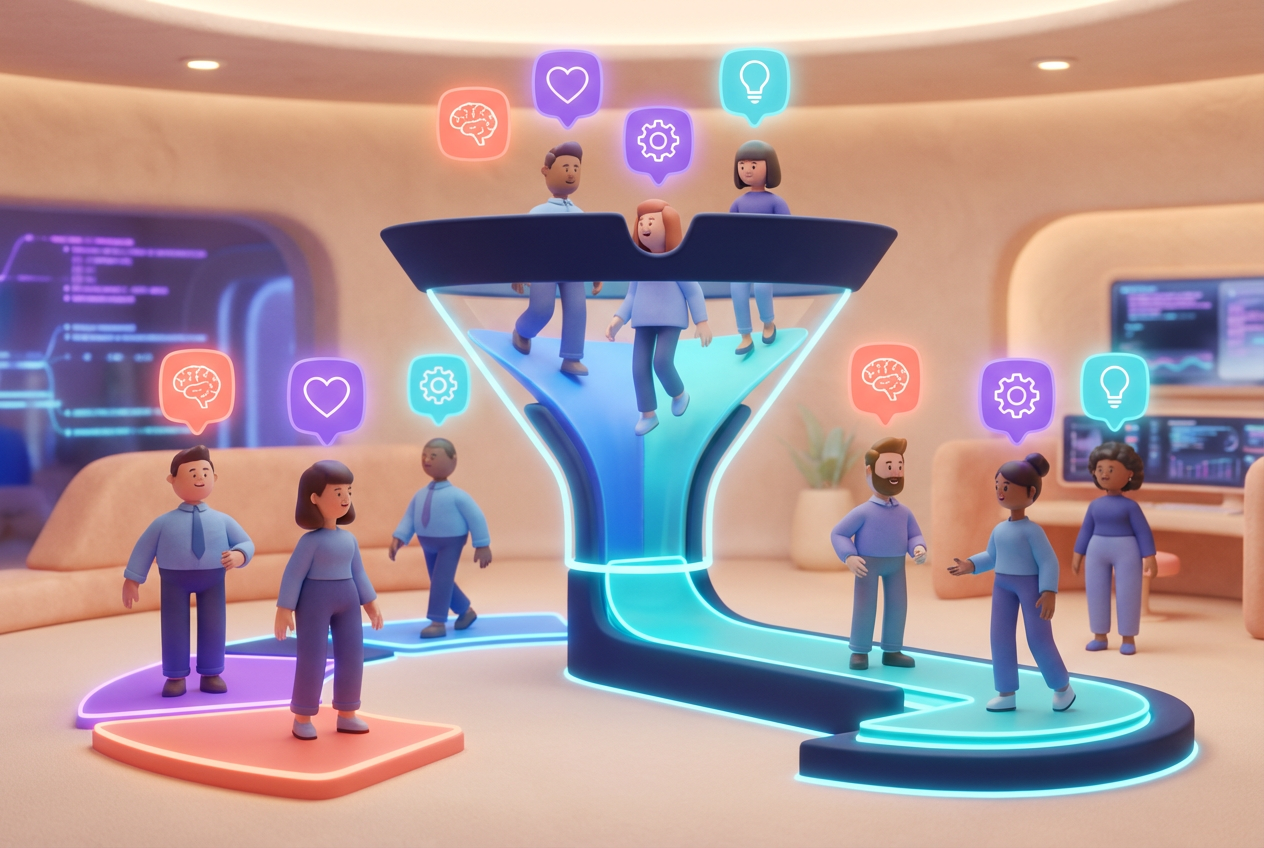
A strong HR team keeps growing. Yet HR often forgets to apply to itself the development principles it champions for everyone else. To keep the function sharp, invest in its grasp of behavioural science and organisational design.
That means moving away from ad-hoc training toward continuous learning. When HR professionals understand how different work personalities interact within a team, they design better interventions and can coach managers on getting the best from specific direct reports. They become internal consultants.
The right tools make this possible at scale. When HR can identify skill gaps and map career paths across the organisation, they are seen as architects of the company's future. That strategic view only holds when a platform makes complex people data easy to read and act on.
The Compono Platform brings hiring, engagement and development together, so your HR team spends its time on strategy. See how it works for your team.
Talk to usImplement a centralised workforce platform that automates repetitive tasks like resume screening, onboarding workflows and engagement surveys. That frees the team to focus on high-value strategic work.
Beyond basic metrics, HR needs insight into work personalities, team culture fit and real-time engagement. This data reveals the underlying drivers of performance and retention across the business.
Trust is built on evidence. When HR can back recommendations with objective data, such as work personality profiles or culture fit scores, hiring managers are far more likely to value their input.
Yes. Small teams gain the most from good technology. With the right platform, a small team can manage complex recruitment and engagement work that would usually need a much larger department.

Discover how HR tech for Australian business can improve hiring, engagement and development. Build high-performing teams with Compono.
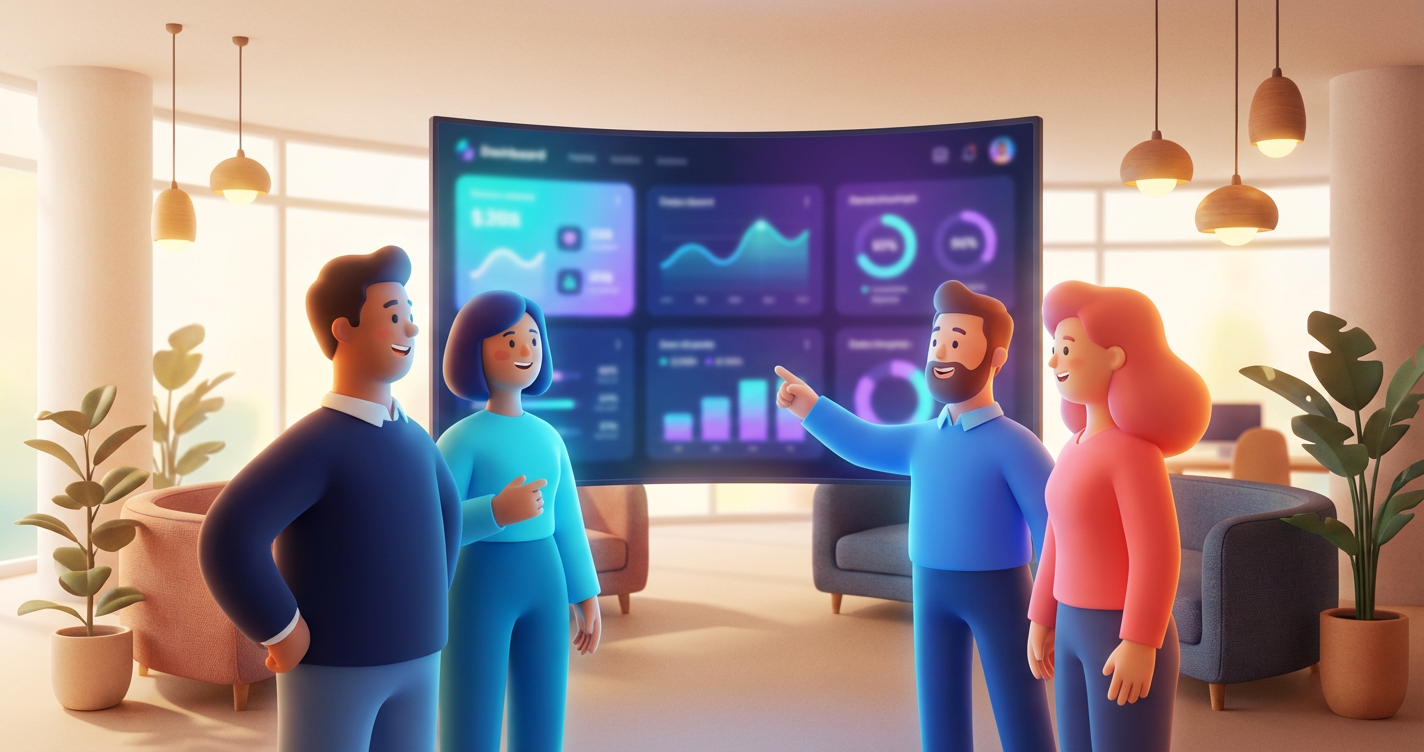
Capterra reviews are a good starting point, not a decision. How to read HR software reviews well, what ratings miss, and what to test before you buy.

The future of HR technology is workforce intelligence: less admin automation, more insight into performance and cultural fit to build stronger teams.