Skip to the main content.

Hey Compono!

A coach that actually gets you.

Get 10 minutes free, then $15 a month. Cancel anytime.

Get Started ≫

2 min read

Future of HR technology and the rise of workforce intelligence

Future of HR technology and the rise of workforce intelligence

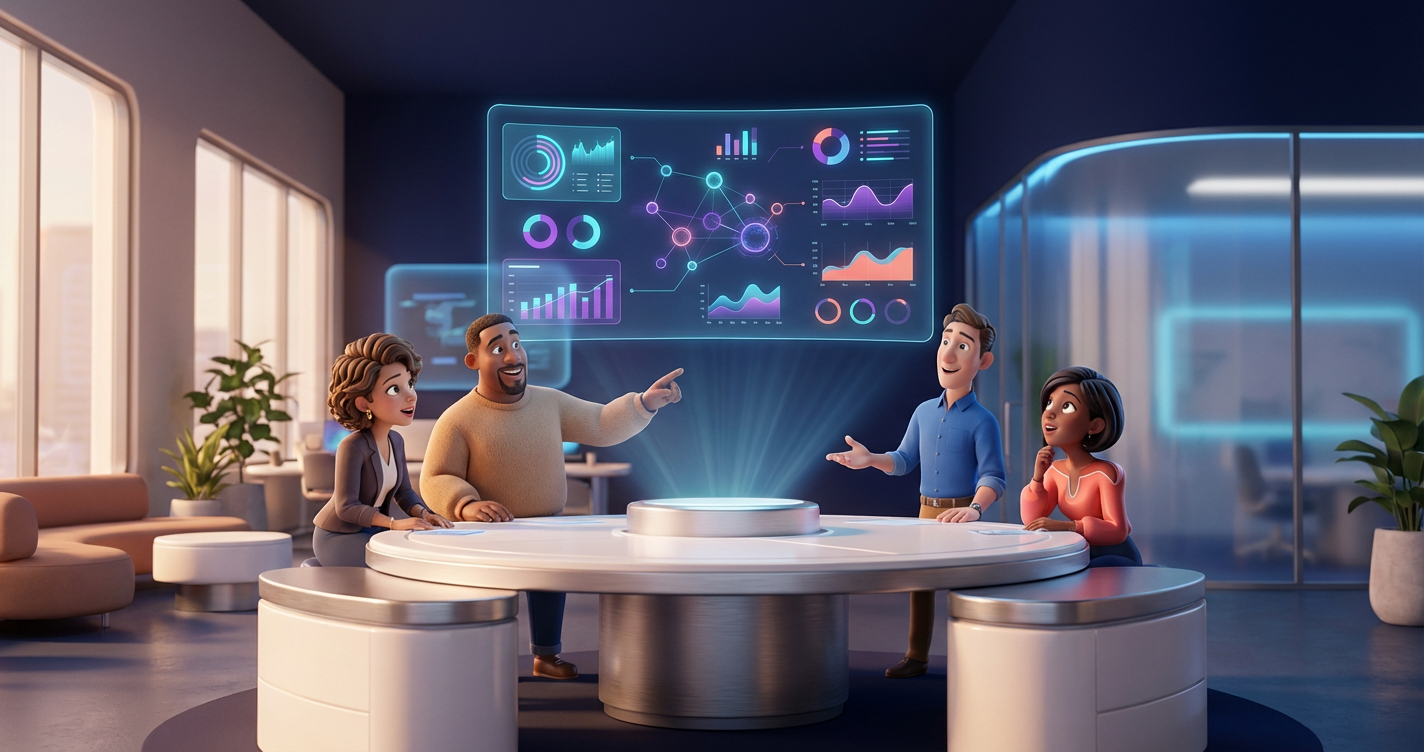
The future of HR technology is a shift from static record-keeping to workforce intelligence that helps predict performance and cultural alignment. The era of simply digitising manual tasks is over. The tools that matter now do not just manage people, they surface the insight leaders need to build more resilient, engaged and high-performing teams. In short, HR tech is moving from administration to understanding.

Last reviewed July 2026.

From automation to intelligence

For years the conversation about HR technology centred on efficiency: faster payroll, simpler leave requests, wider job posting reach. Those efficiencies are now baseline expectations rather than a competitive edge. The frontier has moved to harder, more human questions about connection, belonging and potential, and how technology can help answer them.

Workforce intelligence is the name for that next step. It uses the data you already generate to explain the why behind team success, not just to log what happened. That difference reframes what HR software is for.

What workforce intelligence actually does

Three capabilities define this shift. Predictive insight helps you anticipate turnover and performance risk rather than react to it. Personality and culture mapping helps you keep alignment as you grow, so a fast-scaling team does not lose its identity. And a single connected view across recruitment, engagement and development replaces the scattered spreadsheets and disconnected tools most teams still wrestle with.

Put together, these let HR leaders move from gut-feel decisions to evidence-based organisational design. A connected talent platform turns people data into decisions you can actually defend to the board.

Solving both kinds of HR risk

Most HR tech only solves half the problem. Process risk covers the admin: payroll errors, onboarding slips, compliance gaps. Plenty of tools handle that well. People insight risk is the other half: the wrong hire, the unmotivated top performer, the training that never builds capability, the culture that quietly erodes. Traditional systems largely ignore it.

The future of HR technology is about reducing both, not choosing between them. Intelligence layered on top of solid administration is what lets HR leaders manage the whole picture instead of firefighting the parts a spreadsheet can see.

How to prepare your HR stack

You do not need to rip everything out. Start by asking where your current tools stop at recording data and never turn it into insight. Look for the gaps between recruitment, engagement and development where information gets lost. Then prioritise closing those gaps, because that is where gut-feel decisions quietly cost you the most.

COMPONO PLATFORM

Turn people data into decisions you can defend

See how Compono connects hiring, engagement and development into one source of truth.

Talk to us

Frequently asked questions

What is the future of HR technology?

It is a move from administrative automation to workforce intelligence: software that not only manages people processes but surfaces insight into performance, retention and cultural fit to guide decisions.

What is workforce intelligence?

Workforce intelligence uses the people data an organisation already generates to explain why teams succeed or struggle, supporting evidence-based decisions on hiring, engagement and development rather than gut feel.

Will HR technology replace HR professionals?

No. These tools handle admin and surface insight, but the judgement, conversations and decisions stay with people. The aim is to free HR leaders to focus on the human work only they can do.

How should I choose future-ready HR software?

Look for tools that connect recruitment, engagement and development in one view and turn data into insight rather than just storing records. The gaps between disconnected systems are usually where value leaks.

Related

Future of HR technology: leading with workforce intelligence

1 min read

Future of HR technology: leading with workforce intelligence

The future of HR technology is defined by a shift from static data entry to dynamic workforce intelligence that predicts team performance and...

Read More
How skills development software solves the modern talent gap

1 min read

How skills development software solves the modern talent gap

Skills development software closes capability gaps by mapping what your workforce can do today against what your business will need next, then...

Read More
Payroll integration HR: a guide to smarter data management

1 min read

Payroll integration HR: a guide to smarter data management

Payroll and HR integration means your payroll system and your HR platform share one employee record. A change made once, whether it is a new hire, a...

Read More