
.webp?width=559&height=292&name=2026.07.21%20Fireside%20KV%20-%201200x627%20(event%20featured).webp)
.png?width=383&height=200&name=team%20(1).png)
 Compono


1 min read
Best culture platform in Northern Territory for modern teams
 Compono
The best culture platform in Northern Territory is one that combines deep psychometric insights with practical engagement tools to help leaders...
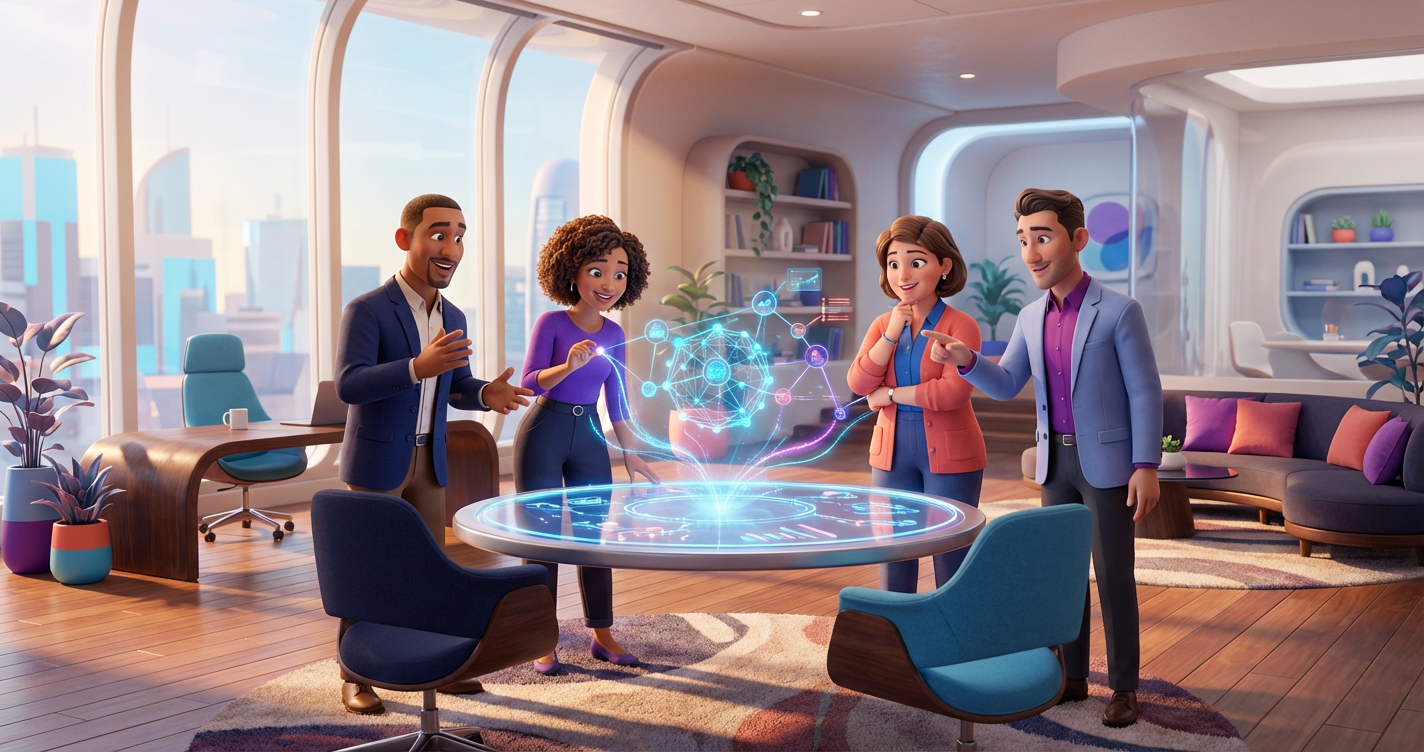
The future of HR technology is defined by a shift from static data entry to dynamic workforce intelligence that predicts team performance and cultural alignment.
As we move deeper into an era where talent is the primary competitive advantage, the tools we use must do more than just store records – they must offer actionable insights into how people actually work together. At Compono, we believe the next generation of people management is about understanding the unique work personality of every individual to build more cohesive, resilient organisations.
Key takeaways
- The future of HR technology focuses on workforce intelligence rather than simple administrative automation.
- Predictive analytics and work personality mapping are becoming essential for reducing turnover and improving team dynamics.
- Successful HR leaders are moving away from gut-feel hiring toward evidence-based organisational design.
- Technology must facilitate human connection by identifying gaps in team activities like pioneering, coordinating, and helping.
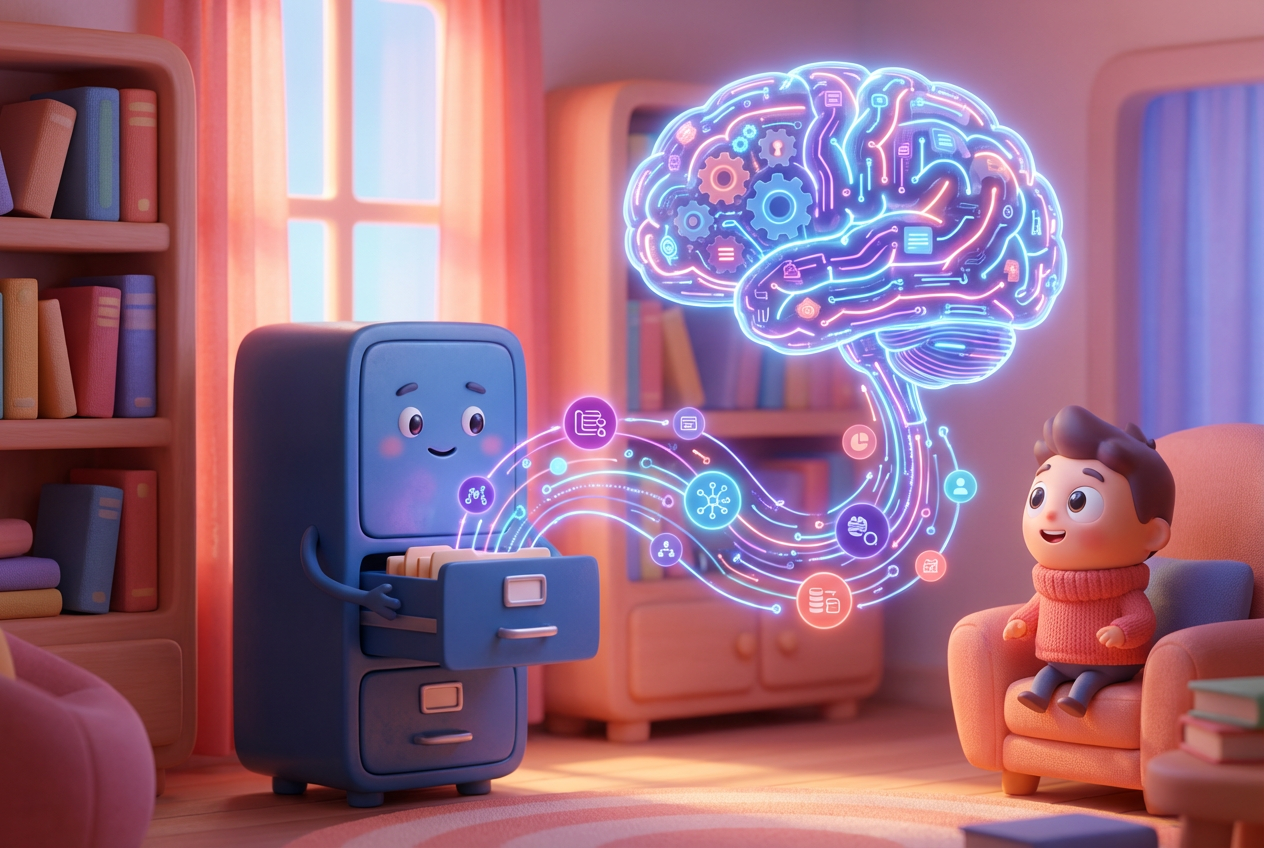
For a long time, HR technology was essentially a digital filing cabinet. We used it to store contracts, track leave balances, and ensure everyone got paid on time. While those functions remain necessary, they no longer provide the strategic edge that modern businesses require to thrive. The problem many mid-market leaders face is a wealth of data but a poverty of insight – knowing who is in the building, but not necessarily how they are performing or why certain teams are struggling to hit their targets.
We are seeing a significant transition toward tools that prioritise the employee experience and team synergy. This shift is driven by the realisation that traditional metrics often miss the nuances of human behaviour. In today's workplace, the future of HR technology lies in its ability to decode these nuances, helping leaders understand the underlying drivers of engagement and productivity. Without this intelligence, managers are often left guessing why their best talent is leaving or why a project has stalled despite having the right skills on paper.
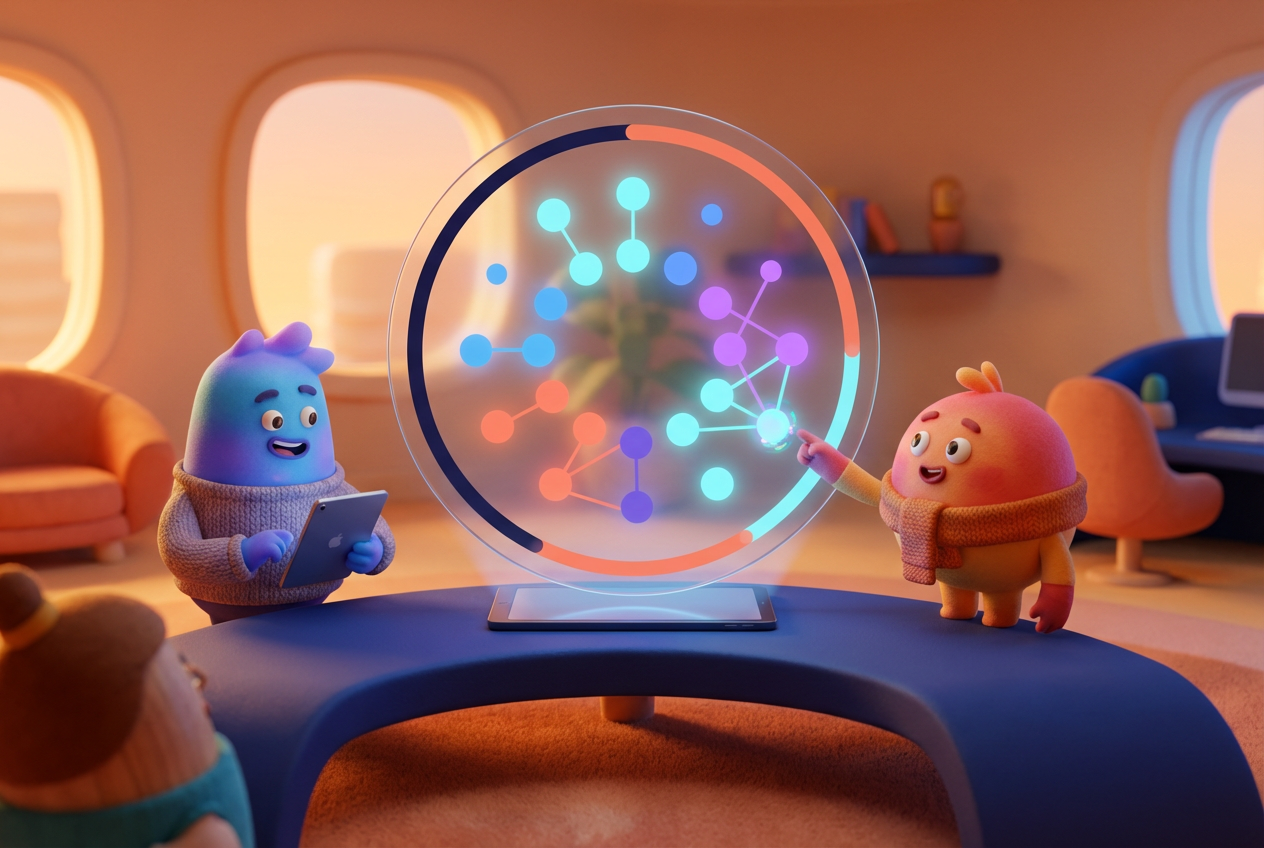
One of the most exciting developments in the future of HR technology is the ability to map work personality at scale. Every person has a dominant preference for certain types of work activities. Some are natural Pioneers who thrive on innovation, whilst others are Coordinators who ensure everything stays on track. When a team lacks balance – for example, if you have too many visionaries and not enough people focused on execution – performance inevitably suffers.
By using sophisticated assessments, we can now visualise these dynamics before they become a problem. This isn't about pigeonholing people; it's about giving them the freedom to work in ways that align with their natural strengths. When you understand that an employee is a Helper, you can ensure they are in a role where their empathy and support for others can truly shine. This level of insight is the bedrock of high-performing teams, allowing for a more deliberate approach to team design and conflict resolution.
Hiring has traditionally been one of the most subjective areas of business. We often rely on resumes and short interviews, which only tell a fraction of the story. The future of HR technology is changing this by introducing evidence-based assessments that look at organisational fit, job fit, and personality fit simultaneously. This holistic view ensures that a candidate doesn't just have the right qualifications, but also the right temperament to succeed within your specific culture.
At Compono, we have spent years researching how to assess candidates across these dimensions. Our platform, Compono Hire, helps businesses move away from subjective bias and toward data-backed decisions. By scoring and ranking candidates based on their alignment with your team's needs, you can significantly reduce the risk of a bad hire. This is particularly important for growing companies where every new person has a major impact on the collective culture and overall output.
Retention is no longer just about competitive salaries; it is about how connected an employee feels to their work and their colleagues. The future of HR technology includes predictive tools that can identify when engagement is dipping before an employee even considers handing in their resignation. By analysing patterns in feedback and work preferences, leaders can take proactive steps to support their staff and address underlying issues.
This proactive approach is central to The Compono Culture, Engagement & Performance Model, which emphasizes that high performance is a direct result of a well-aligned culture. When technology helps us understand the emotional and behavioural landscape of our workforce, we can create environments where people feel valued and understood. This leads to higher morale, lower turnover, and a more resilient business that can weather the challenges of a modern economy.
Key insights
- HR technology is evolving from administrative tools to strategic intelligence platforms that drive business outcomes.
- Mapping work personalities allows leaders to build balanced teams that excel in both innovation and execution.
- Evidence-based hiring through Compono Hire reduces turnover by ensuring a deep alignment between the candidate and the organisation.
- Predictive engagement data enables proactive leadership, shifting HR from a reactive function to a strategic partner.
The future of HR technology is already here, and it is built on a foundation of workforce intelligence. If you are looking to move beyond basic automation and start building a high-performing culture, we are here to help.
Traditional HR software focuses on administrative tasks like payroll and record-keeping. Workforce intelligence, however, uses data and personality mapping to provide insights into team dynamics, performance drivers, and cultural alignment, helping leaders make better strategic decisions.
Understanding work personality allows managers to place employees in roles where they are naturally motivated. This alignment leads to higher engagement and better team performance by ensuring that all necessary work activities – from pioneering to doing – are covered by the right people.
Yes. Modern platforms use scientifically validated assessments to compare a candidate's values and work preferences with the existing team's culture. This ensures that new hires are not just technically capable but also likely to thrive in the specific social and professional environment of the company.
Compono helps reduce turnover by ensuring better hiring decisions through Compono Hire and by providing ongoing insights into team engagement and development through our Engage and Develop modules. By matching people to the right roles and cultures, we create long-term satisfaction.
Not at all. Mid-market companies (60–1,000 staff) often see the greatest benefit from workforce intelligence. It allows them to scale their culture effectively and make high-impact hiring decisions without the massive overhead of traditional enterprise systems.
1 min read
The best culture platform in Northern Territory is one that combines deep psychometric insights with practical engagement tools to help leaders...
1 min read
Culture Amp limitations often stem from a focus on high-level engagement data rather than the specific, actionable work behaviours that drive daily...
1 min read
A culture dimensions assessment is a structured framework used to measure the underlying values, beliefs, and behaviours that shape how work actually...