

.webp)

 Compono


1 min read
How to choose the right talent management platform
 Mathan Allington
A talent management platform is one system for every decision you make about a person after you decide you need them: attracting and hiring, engaging...

People risk management is the process of identifying, assessing, and mitigating the risks associated with an organisation's workforce, such as talent gaps, cultural misalignment, and poor engagement.
Key takeaways
- Effective people risk management moves beyond compliance to focus on human behaviour and cultural health.
- Misalignment between a person’s work personality and their role is a primary driver of hidden organisational risk.
- Data-driven insights into team dynamics allow leaders to predict and prevent turnover before it impacts the bottom line.
- Creating a resilient workforce requires a balance of technical skills and deep psychological safety.
We often talk about financial risk or operational risk as if they exist in a vacuum. But behind every balance sheet and every broken process is a person. People risk management is essentially the practice of protecting your most valuable – and most unpredictable – asset. When we ignore the human element, we leave the door open for high turnover, toxic cultures, and costly hiring mistakes.
For many HR leaders, the challenge isn't just identifying that a problem exists; it's quantifyng it. A team that looks productive on paper might be simmering with resentment or burnout. Without a structured way to measure these invisible factors, you're essentially flying blind. We need to move away from reactive fixes and toward a proactive strategy that treats human capital with the same rigour as financial capital.
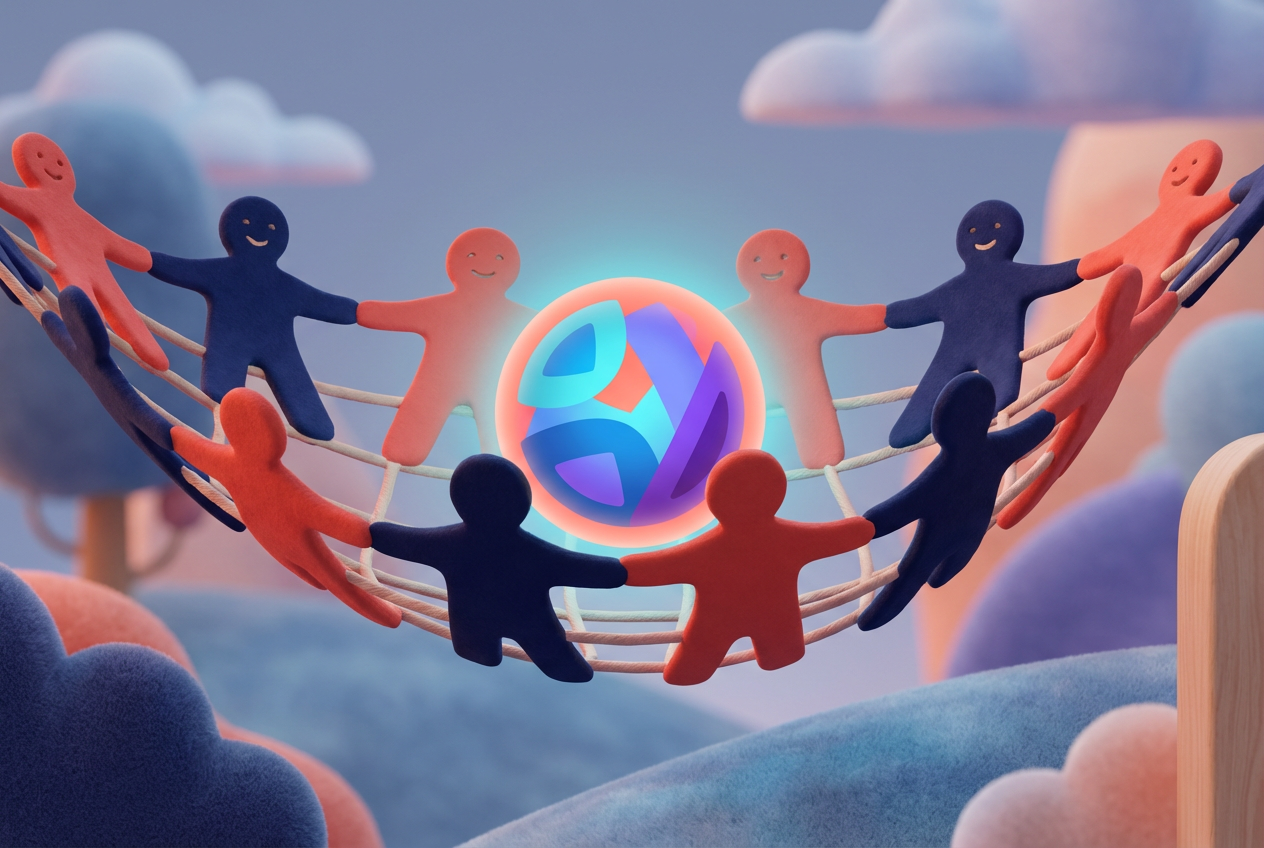
To manage risk, you first have to name it. In the modern workplace, people risk usually falls into a few specific buckets. There is the risk of ‘brain drain’ when key staff leave, taking years of institutional knowledge with them. Then there is the risk of cultural erosion, where the values you’ve worked hard to build are undermined by poor hiring choices or lack of engagement.
At Compono, we’ve spent years researching what makes teams thrive or fail. One of the most significant risks we see is ‘mismatch risk’ – placing a person in a role that fundamentally clashes with their natural work preferences. When a person’s daily tasks feel like an uphill battle against their personality, the risk of burnout and error skyrockets. Managing this requires a deep understanding of work personality across the entire organisation.
Every individual brings a unique set of tendencies to the table. Some are natural Evaluators, who excel at spotting strategic flaws, while others are Doers, who ensure tasks are completed with precision. People risk management becomes much easier when you align these natural strengths with the right responsibilities.
Imagine a scenario where a team is comprised entirely of visionary Pioneers but lacks a single Coordinator. You’ll have plenty of brilliant ideas, but no one to build the systems to execute them. This structural imbalance is a major people risk. By using the Compono Engage module, leaders can visualise these gaps and rebalance their teams to ensure all eight critical work activities are covered.
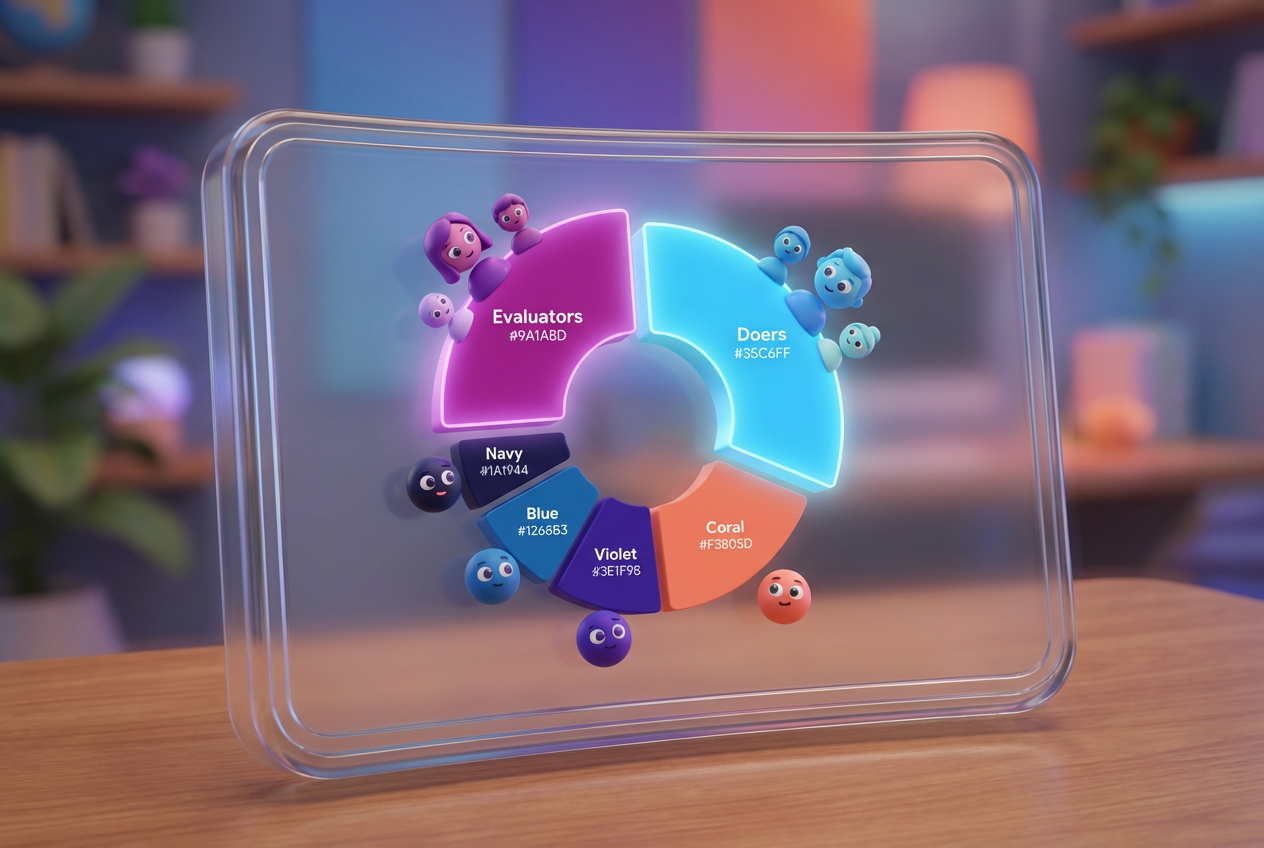
Risk mitigation isn't just about spreadsheets; it’s about how people feel when they log on each morning. A workforce that feels unsafe to speak up is a workforce where risks go unreported. Whether it’s a safety concern on a site or a flawed strategy in the boardroom, silence is the ultimate risk multiplier. Resilience comes from a culture where feedback is a gift, not a threat.
We have seen that teams with high levels of engagement are significantly more likely to navigate change without losing productivity. This is why measuring the ‘vibe’ of your office isn’t a ‘soft’ HR task – it’s a hard-nosed business necessity. Tools like Compono Develop help you identify where your future leaders are and provide them with the support they need to grow, reducing the risk of leadership vacuums during periods of rapid expansion.
The most expensive risk in any business is losing a high performer. Between recruitment costs, onboarding time, and lost productivity, the price tag is often twice the employee's annual salary. Most organisations only realise there’s a problem during the exit interview, which is far too late to do anything about it. Data-driven people risk management allows you to see the warning signs months in advance.
By analysing patterns in engagement and performance, we can start to see which departments are under strain. Are your Helpers feeling unsupported? Are your Auditors being rushed through tasks? When you can answer these questions with data, you can intervene with targeted support. This transition from ‘guessing’ to ‘knowing’ is what separates a modern HR function from a traditional one.
Key insights
- People risk management is a strategic necessity that protects an organisation’s culture, productivity, and long-term financial health.
- Identifying the unique work personalities within a team allows leaders to prevent the risks associated with role misalignment and burnout.
- Proactive data collection through engagement platforms enables HR leaders to intervene before high-value talent decides to leave.
- A resilient team culture is built on the foundation of psychological safety, where every individual feels empowered to contribute and report concerns.
Managing the human element of your business doesn't have to be a game of chance. By combining psychological insights with robust technology, you can build a workforce that is not only productive but also resilient to risk.
The main goal is to identify and mitigate any factors related to the workforce that could negatively impact an organisation’s ability to meet its objectives, including turnover, cultural issues, and skill gaps.
When employees are placed in roles that conflict with their natural work preferences, they are more likely to experience stress, make errors, and eventually leave the company, creating significant operational risk.
Yes, workforce intelligence platforms like Compono provide data-driven insights into team dynamics, engagement levels, and cultural fit, allowing leaders to make informed decisions rather than relying on gut feel.
Psychological safety ensures that employees feel comfortable reporting mistakes or highlighting potential issues early, which prevents small problems from escalating into major corporate crises.
Begin by assessing your current team’s work personalities and engagement levels. Identifying where gaps or misalignments exist provides the roadmap for your mitigation efforts.

1 min read
A talent management platform is one system for every decision you make about a person after you decide you need them: attracting and hiring, engaging...

1 min read
A skills certification platform is a centralised digital ecosystem designed to verify, track, and manage the specific capabilities of your workforce...

1 min read
Reputational risk in HR is the potential for an organisation's people practices, culture, or leadership behaviour to damage how the public,...
 Compono