


 Mathan Allington


SaaS HR platform: why modern teams need more than just software
 Mathan Allington
What a SaaS HR platform covers, where most stop at admin, and how connecting hiring, engagement and development turns people data into decisions.

Government HR software has two jobs that most tools only half do: run defensible, merit-based people processes with a complete audit trail, and give leaders real insight into how their teams actually work. Public sector agencies need both, because every decision they make about people has to stand up to scrutiny.
Last reviewed October 2026.
Quick answer
Last reviewed October 2026. Prices checked on 18 October 2026 on each vendor's pricing page, or with the third-party source named.
| Check | Why it matters in government | What to ask |
|---|---|---|
| Merit documentation | Selection must be applied fairly to every eligible candidate and recorded | Does the system keep the panel's evidence and scores? |
| Audit trail | Every people decision may be reviewed | Can we export a complete decision history? |
| Capability framework | Frameworks stuck in a PDF can't show gaps | Can our framework live in the system and drive learning? |
| Credentialling at scale | Licences and competencies need verified, current records | How are credentials issued, renewed and audited? |
| Security and procurement | Agencies need assurance before they buy | Which certifications do you hold? |
| Culture and engagement | Annual census results rarely explain how work gets done | Do you measure culture as well as sentiment? |
Disclosure: Compono sells HR software to government. Compono Assure already powers driver and motorbike licensing systems across five Australian states, and we offer hiring, culture and capability for agencies and councils. Our prices are public on our pricing page.
Managing people in the public sector comes with constraints private companies rarely face. Hiring must be merit-based and defensible. Records must be complete and available for audit. Workforces are large and diverse, and the whole operation runs under public scrutiny. Manual processes and ageing systems struggle under that load, which shows up as slow hiring cycles and disengaged talent pools.
The temptation is to treat government HR software as a digitisation exercise: move the paper forms into a database and call it transformation. That solves the process problem and leaves the harder one untouched. Agencies also carry people insight risk: hiring people who do not suit the pressures of public service, and losing capable staff to burnout nobody saw coming. Software that only manages workflow cannot see any of that.

Government recruitment must be beyond reproach. Every decision needs to be defensible and every candidate treated fairly. Fair does not have to mean slow, though. Good software automates the administrative load while keeping a rigorous audit trail, so HR teams spend less time on data entry and more on candidate engagement. If your process drags, the best candidates accept private sector offers before you reach the interview stage.
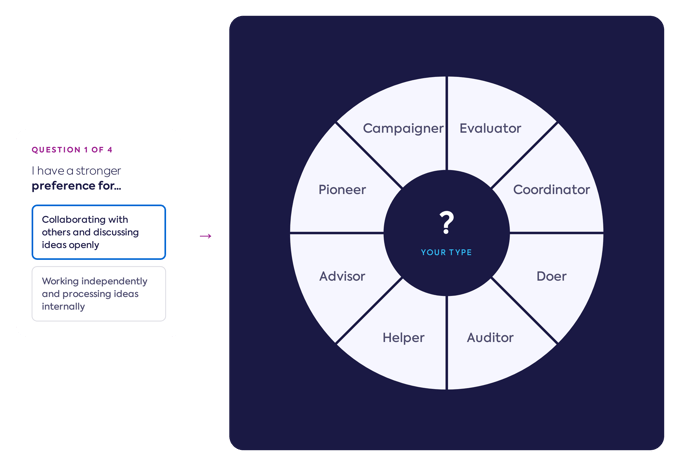
Better hiring outcomes also come from looking past the CV. Technical capability is the prerequisite; how a person works with a team determines their long-term success in a public sector role. Understanding a candidate's work personality before appointment gives panels objective evidence to weigh alongside experience. A department driving digital change might need a Pioneer to push new thinking. A regulatory body might prioritise an Auditor's precision. Compono Hire ranks candidates on these traits automatically, with the scoring visible and consistent for every applicant, which is exactly the defensibility merit-based hiring requires.
For many agencies, the hardest HR software problem is not recruitment at all. It is proving, continuously and at scale, that thousands of people hold current licences, certifications and competencies. When the workforce in question includes public safety roles, a lapsed credential is a genuine operational risk, and a paper-based register is a liability.
This is where Compono has its deepest government track record. Compono Assure manages licensing and credentialling programs for government agencies across five Australian states, and has issued more than 3 million certifications. For VicRoads, moving licensing operations onto Assure delivered $34 million in operational savings. That is a credentialling and compliance story rather than a hiring one, and it matters because it demonstrates the thing government buyers care about most: the platform already runs regulated, high-stakes programs at state scale.
For agency leaders, the practical benefit is a single source of truth for workforce competency. Expiring credentials surface before they lapse, and audit requests are answered from the system rather than assembled from spreadsheets.

Once the right people are through the door, the challenge shifts to keeping them. Public sector engagement runs on purpose and feeling supported, and neither can be managed from an org chart. High-pressure environments and complex stakeholders will produce turnover if culture is left to look after itself.
Measuring team dynamics turns this from guesswork into management. Mapping the work personalities across a department shows where the balance sits: a team of big-picture thinkers that struggles with execution, or a team of pure executors that never questions the process. The Compono Culture, Engagement & Performance Model gives agencies a structured way to read this data and act on it before sentiment problems become resignation letters.
The same data sharpens development. Generic leadership programs underperform in government because they ignore how individuals naturally work. When a manager knows a team member is a Helper, they can build on that person's empathy and team focus rather than pushing them through a standard template. Tailored development keeps institutional knowledge in the public service instead of watching it walk out the door.
Compono Assure runs government licensing and credentialling at public safety scale, with 3 million+ certifications issued and $34M in operational savings delivered for VicRoads.
Talk to usBy scoring every candidate against the same objective criteria and recording how each decision was made. Standardised assessment removes individual bias from shortlisting, and the audit trail means any appointment can be explained and defended after the fact.
Compono Assure manages licensing and credentialling programs for government agencies across five Australian states and has issued more than 3 million certifications, including work at public safety scale. For VicRoads, Assure delivered $34 million in operational savings.
Yes, when it measures engagement and team dynamics rather than just recording leave and payroll. Insight into work personalities and team sentiment lets leaders spot burnout and disengagement early, then intervene with workload changes or targeted development before people resign.
Government environments have strict security and data sovereignty requirements, so implementation needs a partner who already operates within them. Modern cloud platforms meet these standards, and a phased rollout keeps continuity of service while legacy processes are retired.
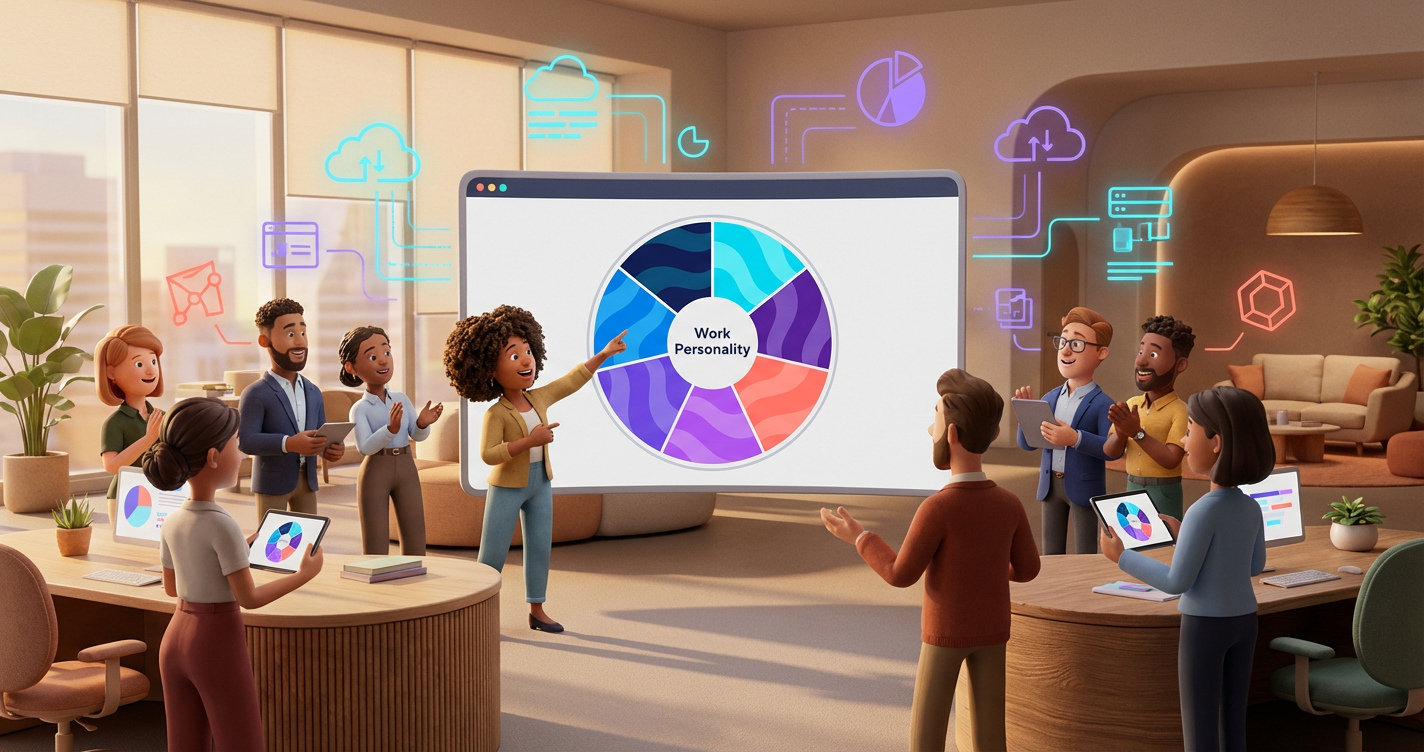
What a SaaS HR platform covers, where most stop at admin, and how connecting hiring, engagement and development turns people data into decisions.
The best Trainual alternatives for modern teams. Compare pricing, features, standard operating procedure workflows, and migration steps. Get started.

What a training record management system should hold, how to maintain training records for staff, and how digital records survive an audit.