 Compono


Choosing an engagement survey platform: a guide for leaders

People problems don’t appear from nowhere. They happen when tools manage process risk but ignore people insight risk. If you have ever watched your...


Become the expert on delivering
valid and fair assessments for
your training and education.

Hire
|
Engage
|
Develop
|
|
Automatically match to candidates who are a great fit for your team culture and who are intrinsically motivated to succeed. |
Deeply understand your organisation with science-backed analytics on your culture, team design, and engagement. |
Back your onboarding, compliance and skill development with industry-leading credentialling, competency and capability expertise.
|


.png?width=383&height=200&name=team%20(1).png)
The success of a merger or acquisition is rarely decided by the balance sheet alone – it is won or lost in the hearts and minds of the people involved. While financial due diligence is a standard part of any deal, the 'invisible' deal-killer is almost always a fundamental culture clash between the two organisations.
Most business leaders recognise that mergers and acquisitions are high-stakes gambles. You spend months analysing spreadsheets, verifying assets, and projecting synergies. Yet, research consistently shows that a staggering percentage of deals fail to deliver their promised value. Why? Because the spreadsheets don't tell you how a team of Pioneers in a startup will react when they are suddenly managed by a group of Auditors from a legacy corporation.
Cultural misalignment is the friction that slows down integration, erodes trust, and eventually leads to a mass exodus of the very talent you bought the company for in the first place. We often see organisations focus so heavily on the 'hard' integration – IT systems, payroll, and legal structures – that they completely neglect the 'soft' integration of human behaviour. In reality, there is nothing soft about the cost of a failed culture match.
When two companies merge, you aren't just combining assets; you are colliding two distinct ways of working. If one culture values speed and risk-taking whilst the other prioritises compliance and meticulous detail, the resulting gridlock can paralyse the new entity. To avoid this, you need a way to quantify culture before the ink is dry on the contract.

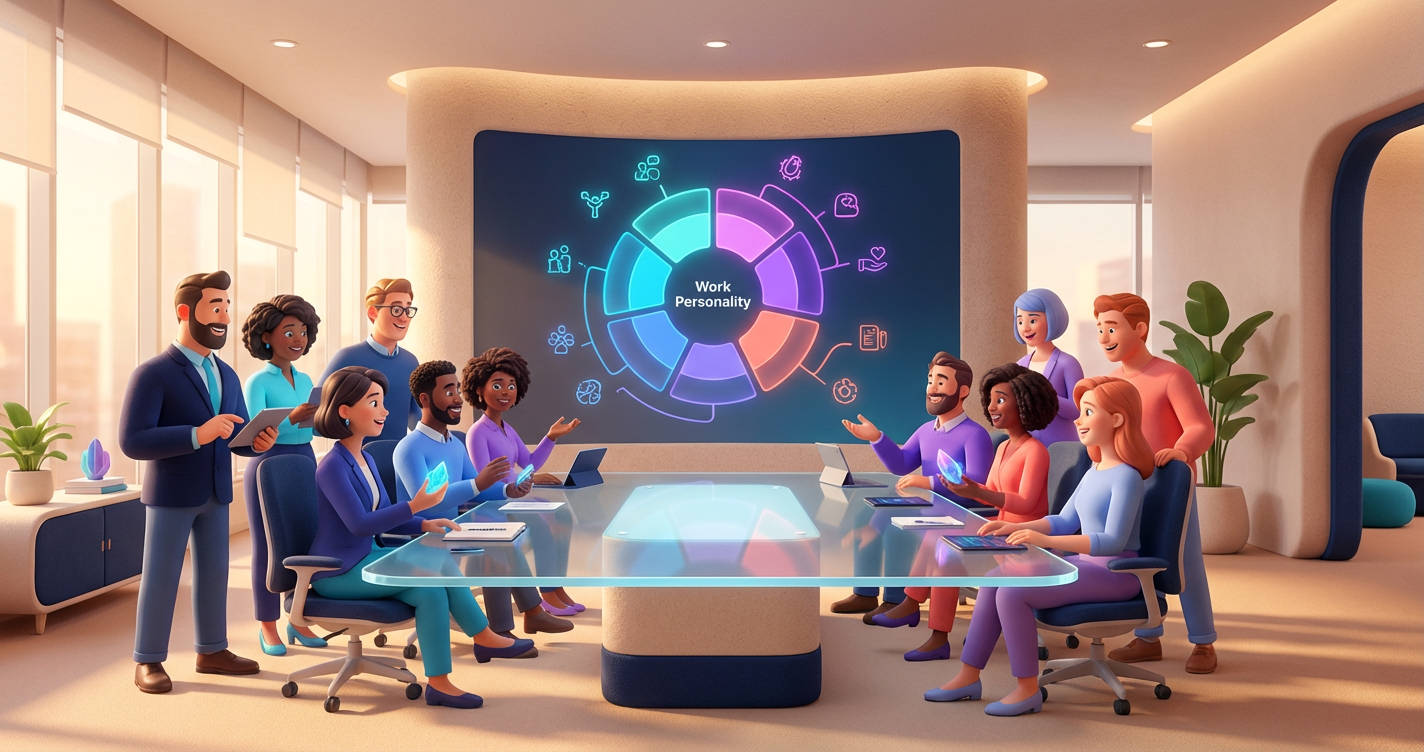
The best time to solve a culture clash is before it happens. Traditional due diligence is excellent at finding financial skeletons in the closet, but it is notoriously bad at identifying human ones. This is where modern talent science changes the game. By using data-driven assessments during the pre-deal phase, you can map the work personality of both leadership teams to see exactly where the fault lines lie.
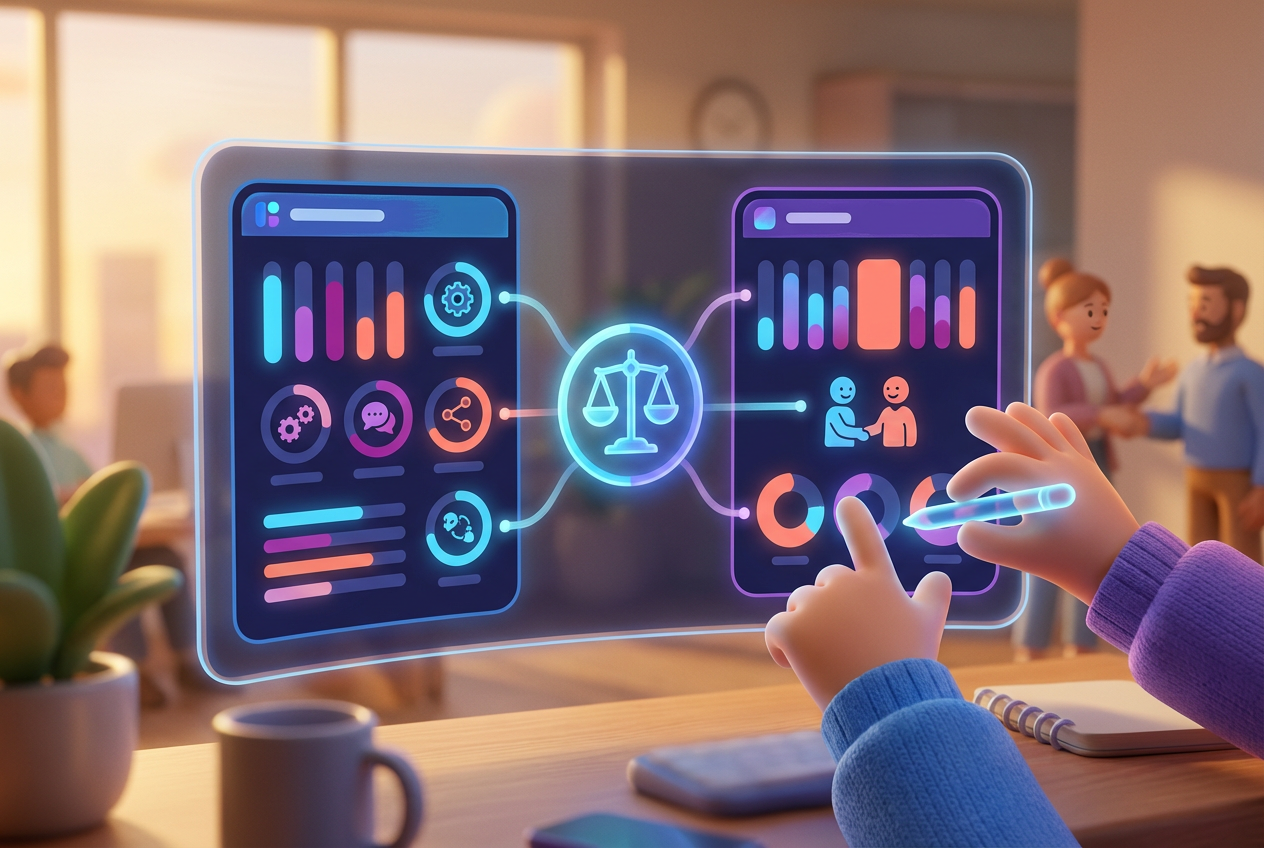
At Compono, we have spent over a decade researching how personality drives team performance. Our People Intelligence Platform allows you to move beyond 'gut feel' and actually measure the cultural DNA of an acquisition target. Imagine being able to see a side-by-side comparison of how both teams approach conflict, communication, and decision-making before the deal is even finalised.
This proactive approach allows you to identify 'red flag' misalignments early. For instance, if the acquiring company is led by The Evaluator types who demand data-backed certainty, and the target company is driven by The Campaigner types who lead with vision and enthusiasm, you can predict exactly where the friction will occur. You can then build an integration strategy that specifically addresses these differences rather than being blindsided by them three months post-close.
Once the acquisition is official, the real work begins. The first 100 days are critical for establishing the new 'normal'. Instead of forcing the acquired team to conform to your existing culture – which often breeds resentment – the goal should be to co-create a high-performing culture that takes the best from both sides.
Leadership alignment is the cornerstone of this process. If the combined leadership team isn't on the same page, the rest of the organisation will feel the tremors. We recommend using a structured framework to facilitate these conversations. Leaders need to understand not just 'what' the new goals are, but 'how' they will work together to achieve them. This involves deep dives into communication styles and conflict resolution strategies.
For example, The Coordinator might want to jump straight into setting new KPIs and timelines, whilst The Helper on the other side is more concerned about team morale and emotional well-being. Both are essential for success, but without a shared language to discuss these preferences, they may view each other as obstacles. By surfacing these natural tendencies, you turn potential conflict into a balanced leadership approach.
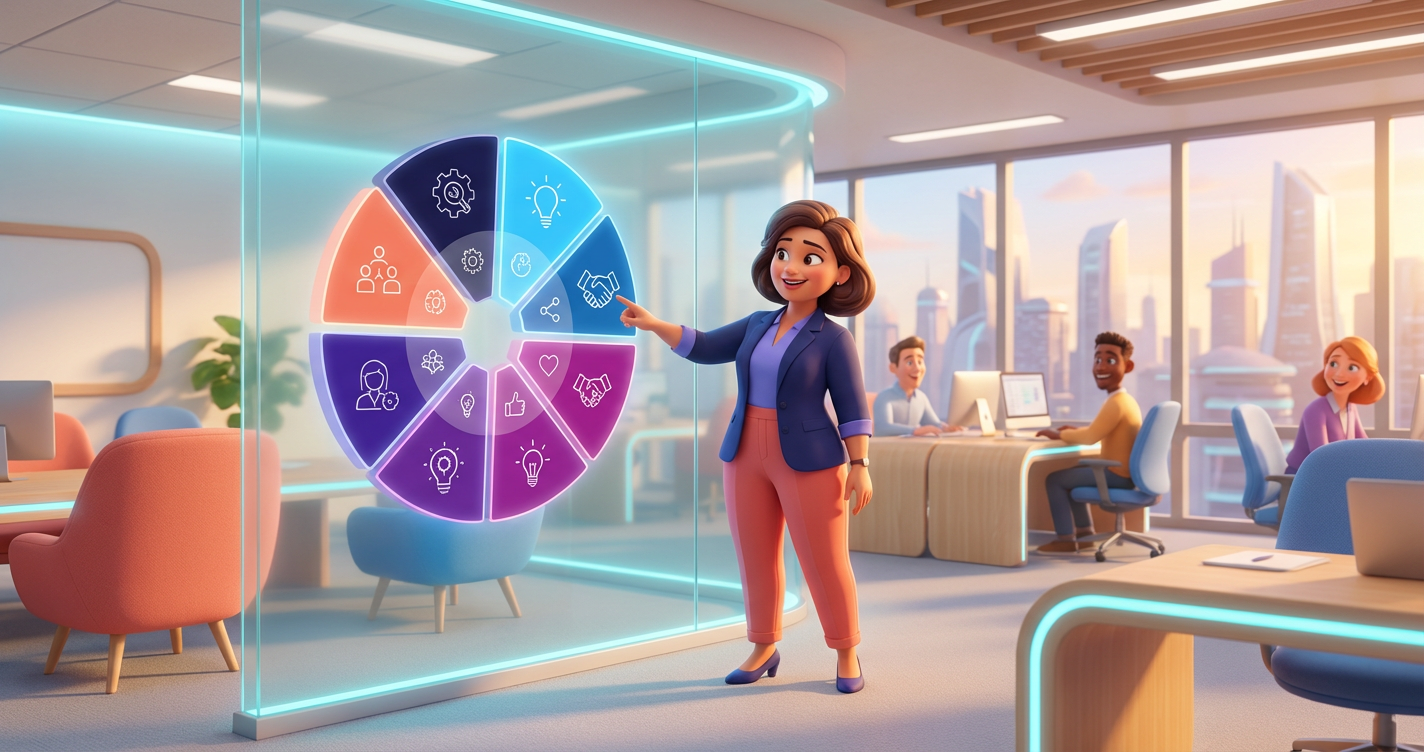
This is where the Compono Culture, Engagement & Performance Model becomes invaluable. It provides a blueprint for how to link individual work preferences to broader team performance, ensuring that the integration roadmap is grounded in science rather than just well-meaning workshops.
In mid-market M&A, the value of the deal is often tied directly to key people – the innovators, the relationship-holders, and the technical experts. Yet, these are the very people most likely to leave during the uncertainty of a transition. They are 'flight risks' because they have options, and if they feel the new culture doesn't value how they work, they will take their talents elsewhere.
Protecting these assets requires more than just a retention bonus. You need to understand what motivates them. Using automated talent mapping, you can identify high-performers who might be struggling with the new structure. Are they feeling micromanaged? Do they feel their creative autonomy has been stripped away? Data allows you to spot these trends before the resignation letters land on your desk.
For instance, a Doer who was used to a flat structure might feel stifled by the introduction of new reporting layers. By recognising this early, you can adjust their role or provide them with a specific project that restores their sense of agency. This level of personalised retention is only possible when you have a single source of truth for your people data.
By integrating your HR tech stack with a platform like Compono, you can maintain visibility over the entire combined workforce. This allows you to spot 'flight-risk' patterns across departments and intervene with targeted engagement strategies. It’s about moving from reactive HR to proactive talent preservation.
How do you know if your integration is actually working? Most companies look at financial KPIs – revenue growth, cost synergies, and market share. While these are important, they are lagging indicators. By the time the financials look bad, the cultural damage is already done. To ensure long-term success, you need leading indicators of cultural health.
Key metrics to track include employee engagement scores, turnover rates (specifically amongst the acquired team), and 'time to productivity' for new cross-functional teams. If you see high turnover in a specific department, it’s a clear signal of a local culture clash that needs attention. You should also measure how well the new values are being lived – not just through surveys, but through observed behaviours in meetings and decision-making processes.
Success in M&A isn't about one culture 'winning'. It's about creating a unified team that is greater than the sum of its parts. This requires ongoing effort and a commitment to using data to guide your people decisions. When you prioritise cultural integration as highly as financial due diligence, you don't just avoid failure – you accelerate the realisation of the deal's full value.
The modern workplace demands a more sophisticated approach to M&A. By leveraging the power of work personality data and talent science, you can navigate the complexities of human behaviour with the same precision you apply to your financial models. The result is a faster, smoother transition and a combined organisation that is built to last.
Mergers often fail because the focus is placed on financial and operational systems, neglecting the human element. When two groups with different values, communication styles, and decision-making processes collide without a roadmap, friction occurs. This friction leads to low morale, decreased productivity, and the loss of key talent, ultimately undermining the deal's value.
You can measure cultural fit by using talent science platforms like Compono to assess the work personalities of the leadership teams and key staff. By comparing the natural work preferences, conflict styles, and motivators of both organisations, you can identify specific areas of alignment and potential risk before the transaction is finalised.
Common signs include an increase in voluntary turnover (especially amongst high-performers), a drop in employee engagement, frequent misunderstandings in communication, and a general sense of 'us vs. them' between the two legacy teams. If decisions are being delayed or silos are forming, it is likely a symptom of cultural misalignment.
While the administrative side of a merger might take a few months, true cultural integration often takes 12 to 18 months. However, using automated tools and a data-driven integration roadmap can significantly fast-track this process by addressing the root causes of friction early and providing leaders with actionable insights to manage their teams effectively.
Leadership is the most critical factor. If the combined leadership team does not demonstrate unity and a shared vision, the rest of the organisation will remain fragmented. Leaders must be willing to understand their own work personalities and adapt their leadership styles to support a diverse, newly integrated workforce.

People problems don’t appear from nowhere. They happen when tools manage process risk but ignore people insight risk. If you have ever watched your...

In fast-paced business of 2026, the secret to staying ahead isn't just about having the best technology – it is about how your people work together...
People problems are real. They come from tools that manage process but ignore decisions. For years, HR leaders like you have been forced into the...